Knowledge Hub

Aluminum CNC Machining Part

The Ultimate Guide to Aluminum CNC Machining

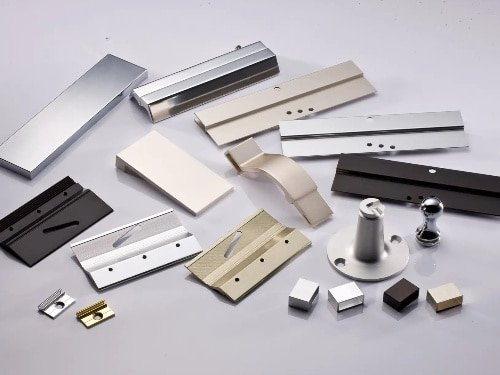
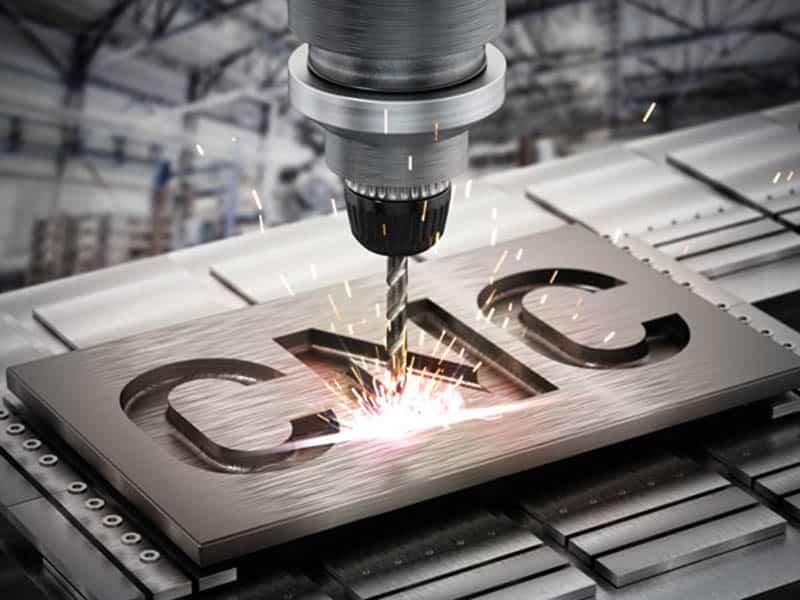
Aluminum is one of the most popular materials for CNC machining. Compared with many other metals, aluminum is lightweight, easy to machine, and offers an excellent balance of strength, corrosion resistance, and cost. These advantages make it a practical choice for producing precise parts efficiently, whether for prototypes or high-volume production. However, not all aluminum […]

The Ultimate Guide to Aluminum CNC Machining Read More »

HDPE Material

An Expert Guide to HDPE Machining

HDPE machining has become increasingly important in various industries due to HDPE’s unique combination of strength, chemical resistance, and ease of processing. This article explore HDPEmachining process and tips etc. informtion. What Is HDPE? High-Density Polyethylene (HDPE) is a thermoplastic polymer known for its high strength-to-density ratio. Its molecular structure features minimal branching, resulting in

An Expert Guide to HDPE Machining Read More »

Injection Molded PTFE Parts

Know About PTFE Injection Molding

From aerospace to medical applications, PTFE molding has become a cornerstone for manufacturing durable, high-precision components. After reading the article, you will learn PTFE material properties and molding process, which will help make PTFE molding project successful. Overview of PTFE Polytetrafluoroethylene (PTFE), widely recognized as Teflon, is a fluoropolymer defined by its unique carbon-fluorine molecular

Know About PTFE Injection Molding Read More »

ABS Material

3D ABS Printing Guide: Everything You Need to Know

3D ABS printing unlocks a world of possibilities for creating durable, heat-resistant, and versatile components. This guide dives into the properties, advantages, and challenges of ABS 3D printing material. What Is ABS? Acrylonitrile Butadiene Styrene is a thermoplastic polymer, commonly referred to as ABS. Lightweight and slightly flexible, ABS is designed to endure repeated stress.

3D ABS Printing Guide: Everything You Need to Know Read More »

Rubber Overmolding Products

Overmolding Rubber: Rubber Bonding Process

Overmolding rubber is a specialized process used to bond rubber materials onto rigid substrates such as plastic or metal, forming a single integrated component. It is widely applied in products that require sealing, vibration damping, or improved grip, where both flexibility and structural support are needed. Compared with standard plastic overmolding, rubber bonding involves greater

Overmolding Rubber: Rubber Bonding Process Read More »

Acrylic Material

The Ultimate Guide to Acrylic Molded

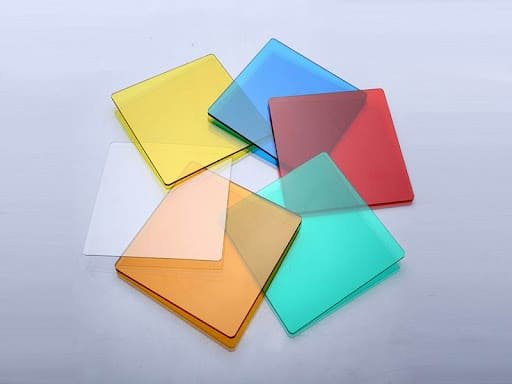
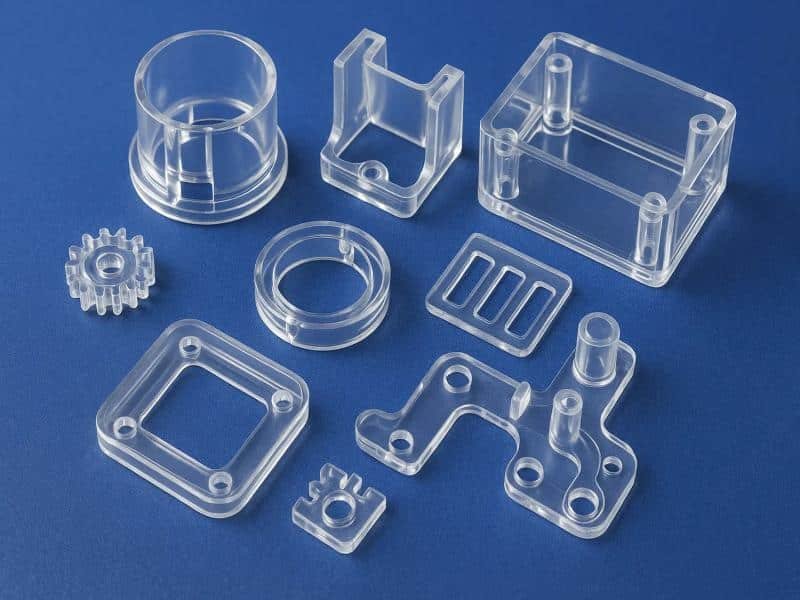
Acrylic molding is a popular plastic injection molding service used to produce high-quality, transparent plastic parts for diverse applications. Acrylic injection molding is widely used in automotive, medical, and consumer goods. This article will learn everything you need to know about PMMA injection molding. Acrylic Material Properties Polymethyl methacrylate (PMMA), commonly known as acrylic, is

The Ultimate Guide to Acrylic Molded Read More »

PE Material

Polyethylene Injection Molding Processing Guide

Polyethylene molding, particularly PE injection molding, is a popular injection molding process in the plastics manufacturing industry, enabling the production of a wide range of durable, versatile, and cost-effective parts. Polyethylene’s adaptability, cost-effectiveness, and robust properties make it applicable across various industries. In this article, you will learn everything about the Polyethylene, from material properties

Polyethylene Injection Molding Processing Guide Read More »

PC Material

All About Polycarbonate 3D Printing

PC 3D printing create durable, high-performance parts with unmatched strength and clarity. In this guide, we will deep discover the polycarbonate material properties, the 3D printing tips and process, the applications and challenges. What is Polycarbonate? Polycarbonate (PC) is a tough, transparent thermoplastic known for its high impact resistance and dimensional stability. It is lightweight,

All About Polycarbonate 3D Printing Read More »

TPU Injection Molded Parts

Thermoplastic Polyurethane Injection Molding Guide

Thermoplastic polyurethane (TPU) injection molding is a vital process in manufacturing flexible, durable, and high-performance plastic parts. As a versatile elastomer, TPU combines the benefits of rubber-like elasticity with thermoplastic processability.  As a popular material for customized injection molding, TPU is frequently chosen. This article explores the TPU injection molding process in detail. TPU Injection

Thermoplastic Polyurethane Injection Molding Guide Read More »

EPDM Application

Everything You Need to Know About Epdm Rubber Injection Molding

EPDM injection molding stands out as a highly versatile and efficient process. EPDM, or Ethylene Propylene Diene Monomer, is a synthetic rubber known for its exceptional resistance to weathering, UV radiation, ozone, and a wide range of chemicals. It is widely used in the production of injection molded rubber components across demanding environments. In this

Everything You Need to Know About Epdm Rubber Injection Molding Read More »

Guide to TPE Overmold

By integrating soft, elastic thermoplastic elastomers (TPE) with rigid substrates, TPE overmolding delivers innovative solutions across industries, from consumer goods to automotive components. This process is widely adopted by tpe for overmolding manufacturers who focus on producing high-performance bonded parts for industrial applications. What Is Overmolding? What is overmolding? Overmolding is a specialized manufacturing process

Guide to TPE Overmold Read More »