The Ultimate Guide to Subtractive Manufacturing
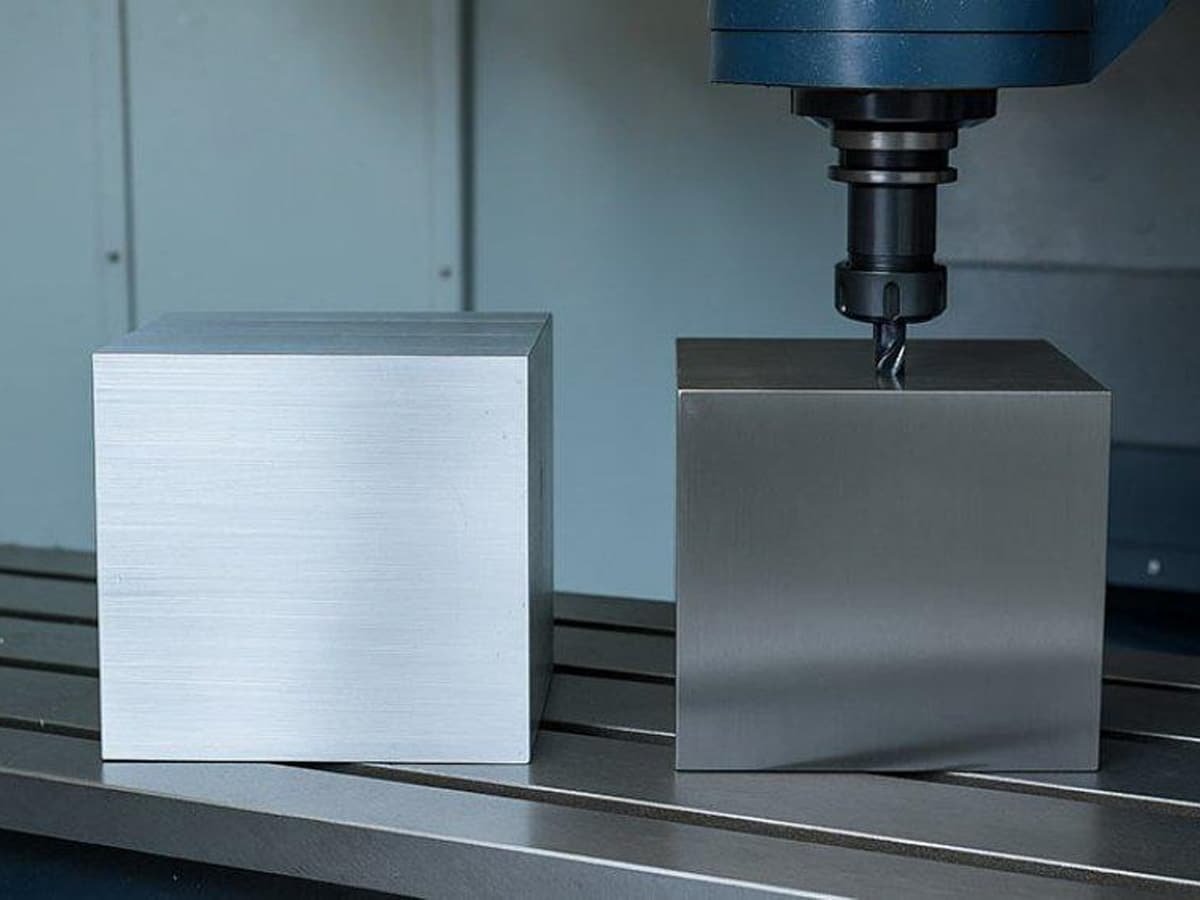
Starting with a solid block of material and removing what is not needed, subtractive manufacturing follows a principle that dates

Starting with a solid block of material and removing what is not needed, subtractive manufacturing follows a principle that dates
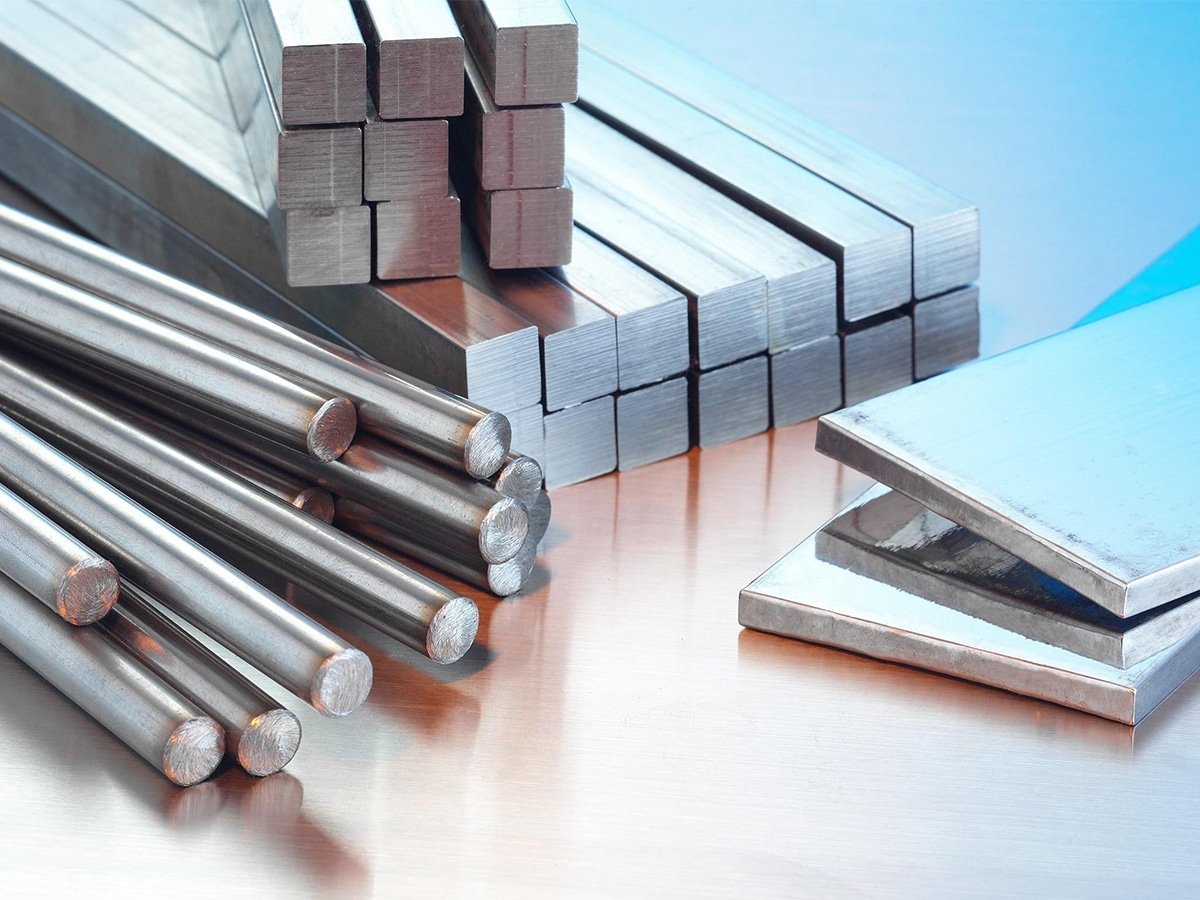
Steel is one of the most widely used metal materials, yet it encompasses a remarkably diverse range of classifications and
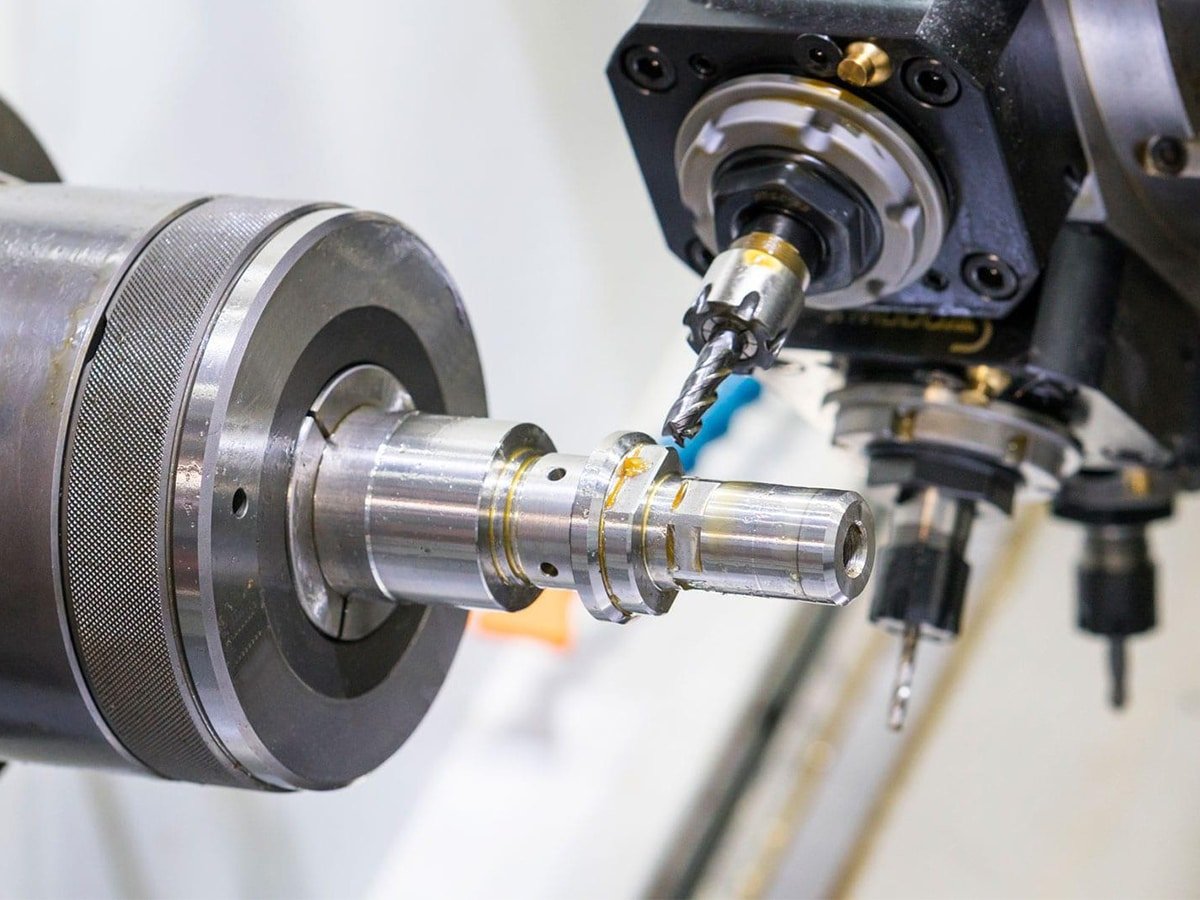
Mill-turn machining sounds exactly like what it is: a combination of milling and turning, and that’s precisely the case. But
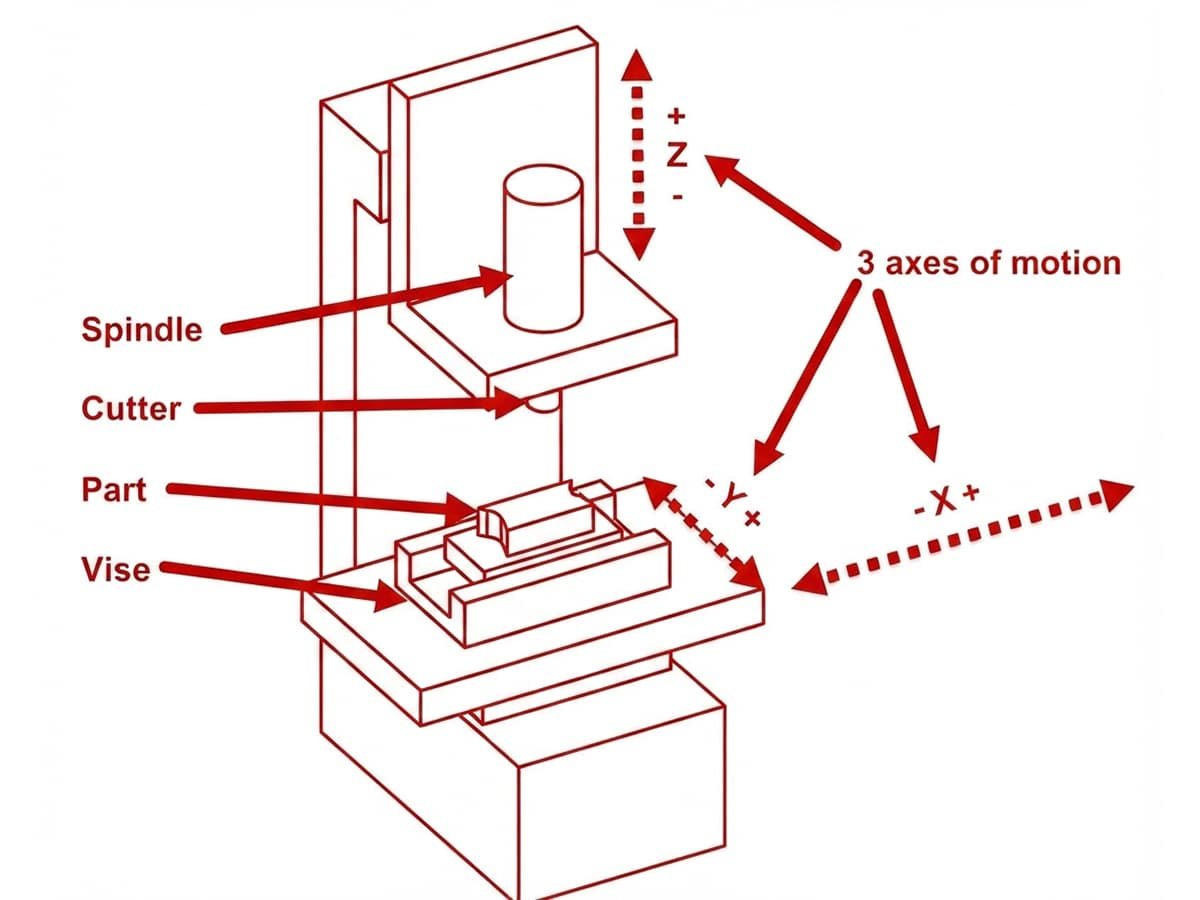
Terms like “3-axis” or “5-axis” CNC can sound cryptic at first glance—but they simply describe how many directions a machine
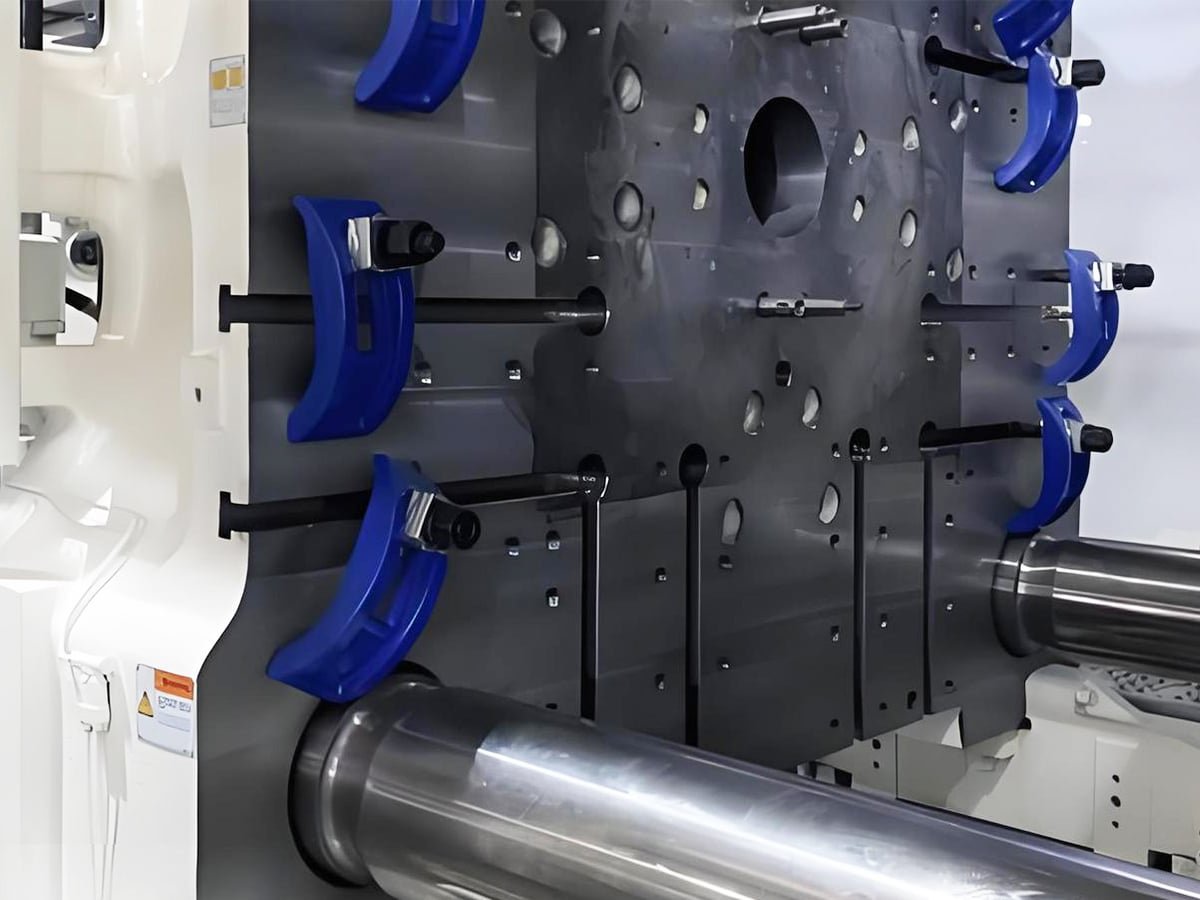
Mold clamps play a simple but essential role in injection molding: they secure the mold to the machine during production.
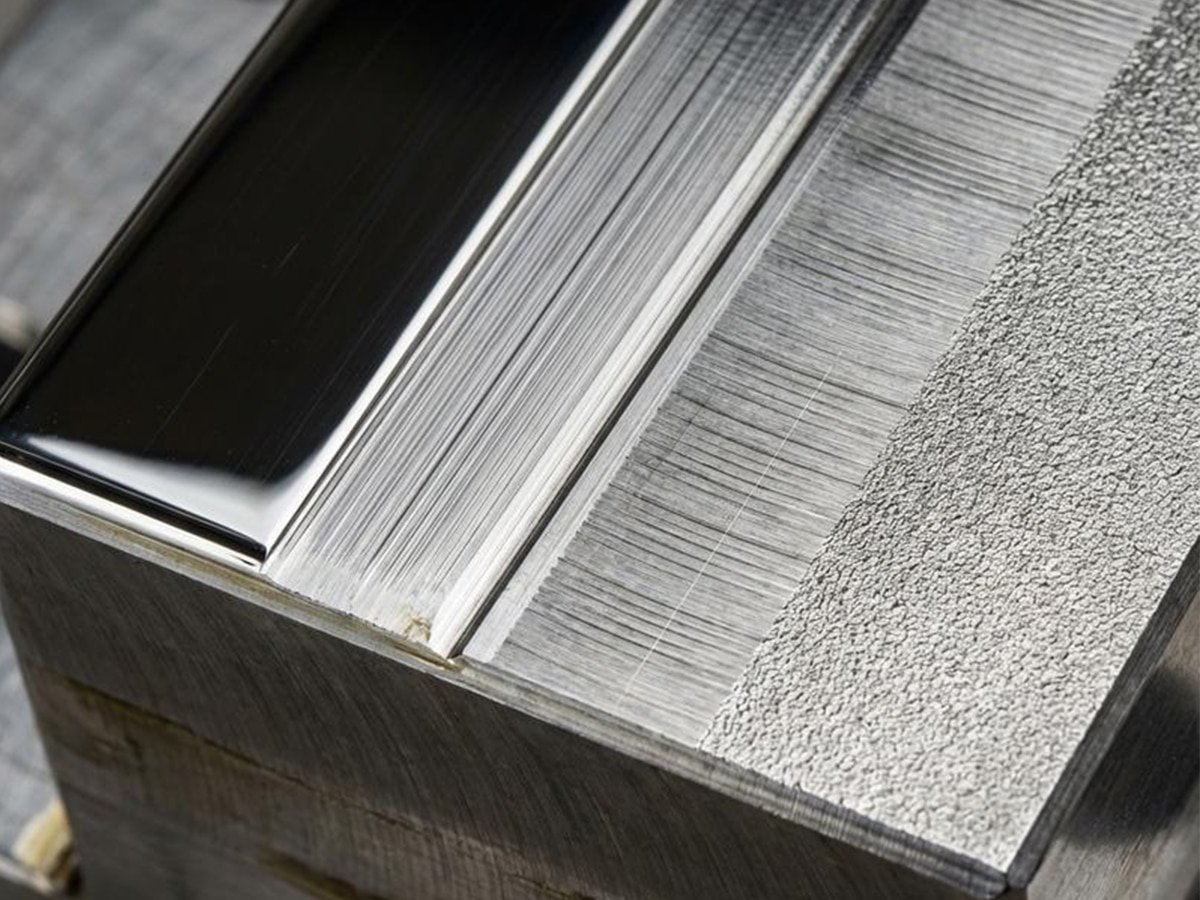
Among the various texture standards used in manufacturing, “Mold-Tech” comes up frequently in RFQs and technical drawings, yet many buyers
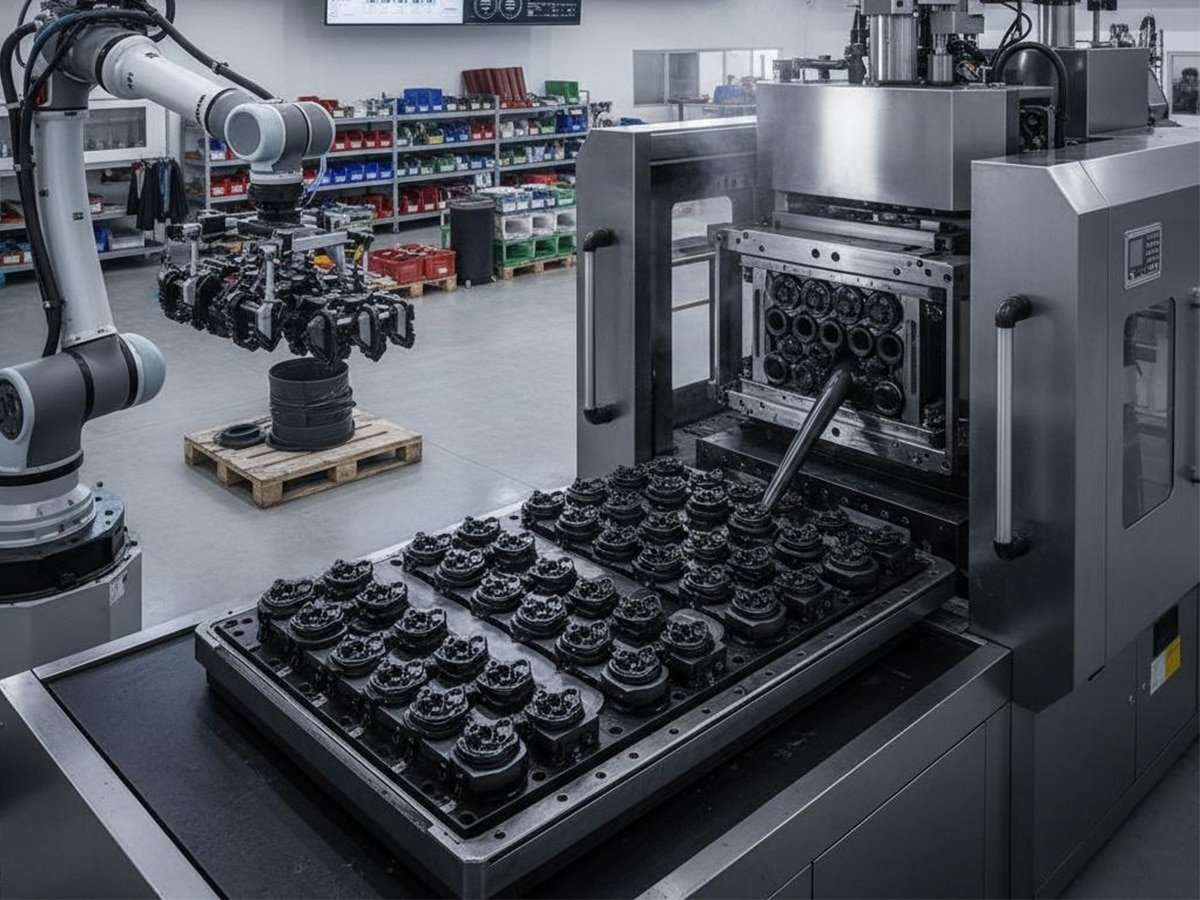
Injection molding was originally developed for processing plastics, but advances in rubber processing technology have made it a reliable method
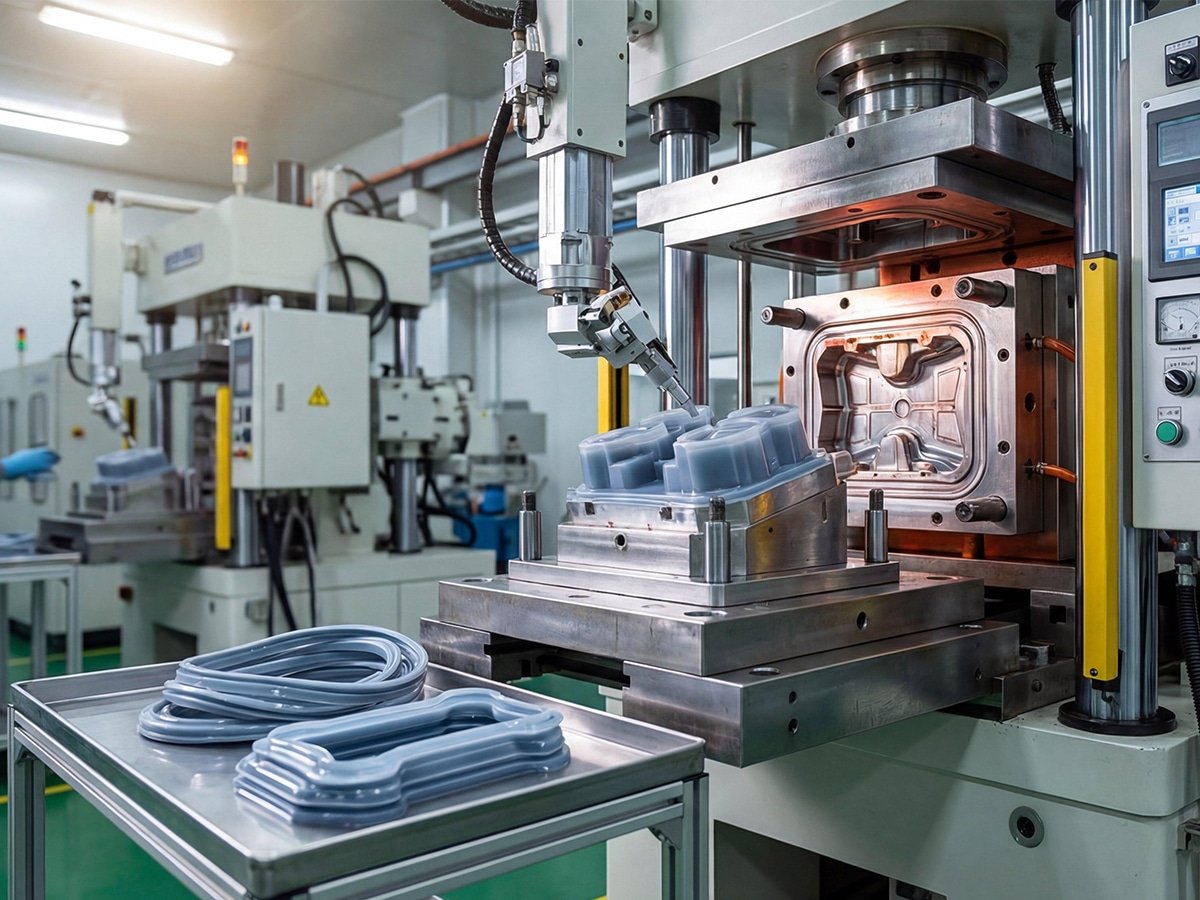
Compression molding is one of the oldest methods for shaping silicone rubber, yet it remains widely used. Thick-walled parts, low-volume
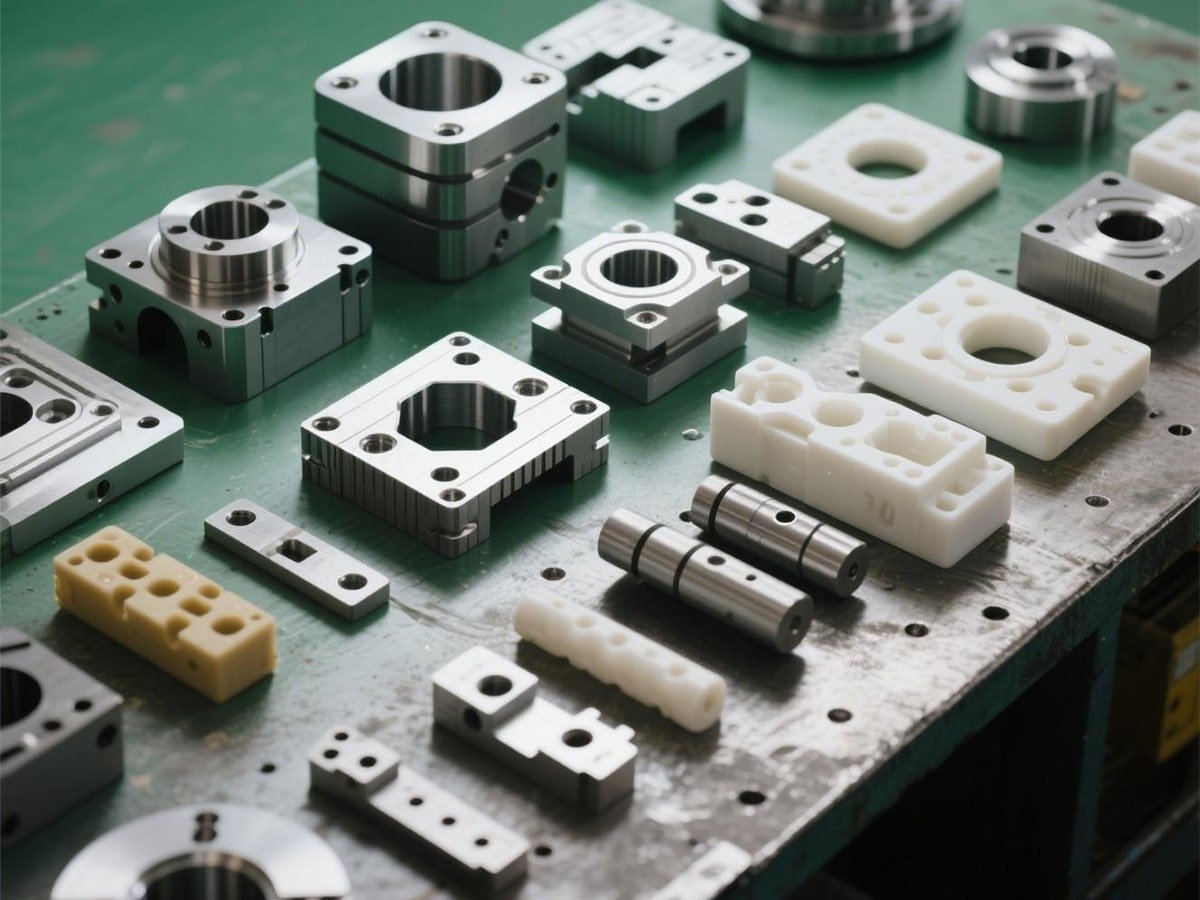
Aluminum machines quickly but can dent under high loads. Stainless steel withstands corrosion and harsh environments but increases tool wear
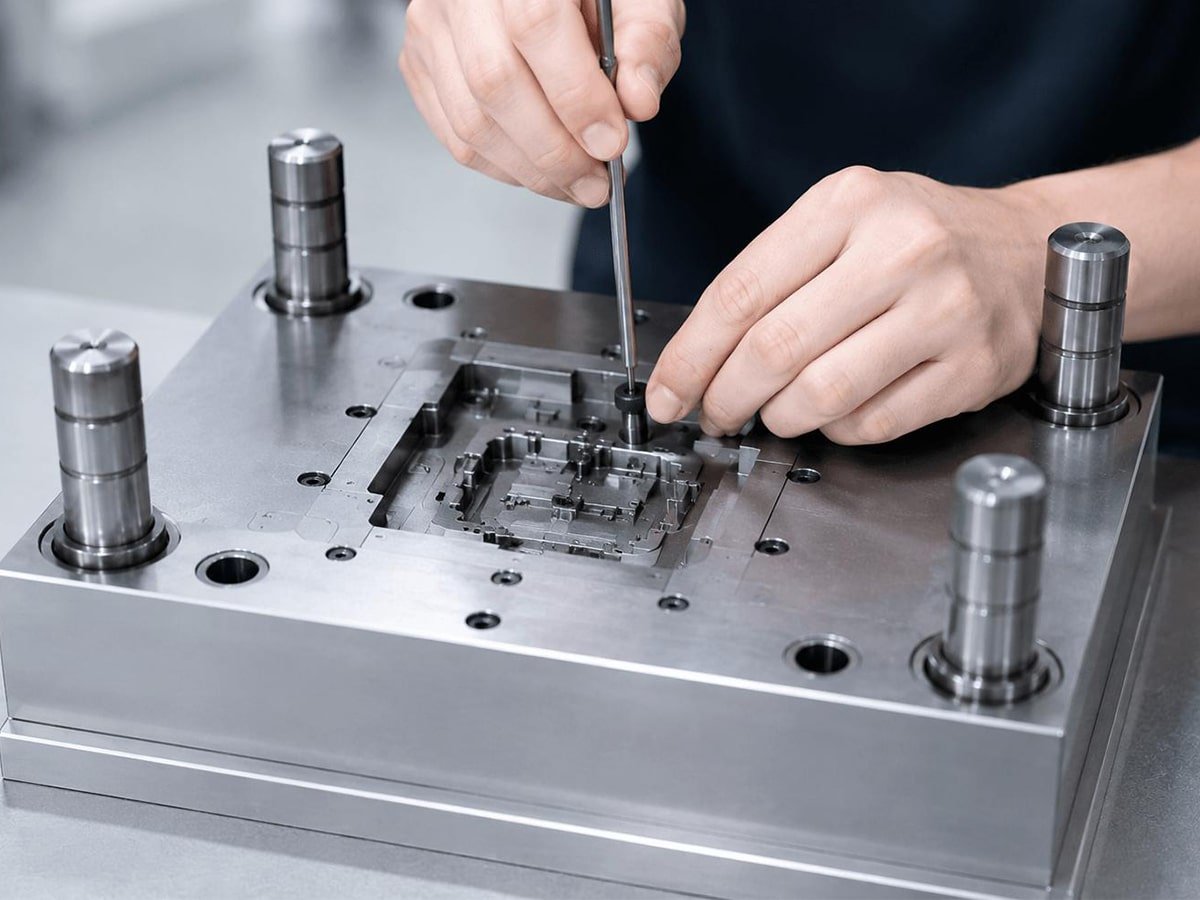
Mold assembly is a critical stage in mold manufacturing, involving not only the installation of mold components but also subsequent
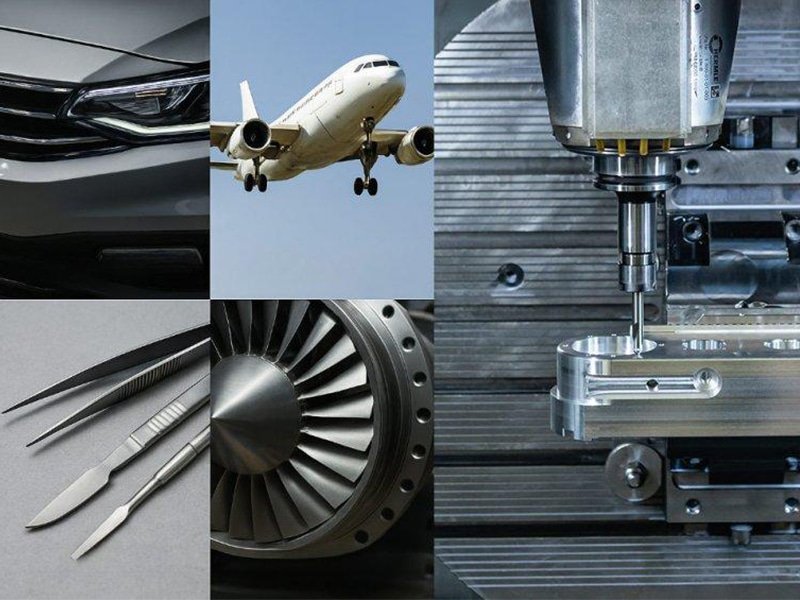
Walk through enough factories and you start noticing something odd: similar CNC machines are cutting jet engine parts in one
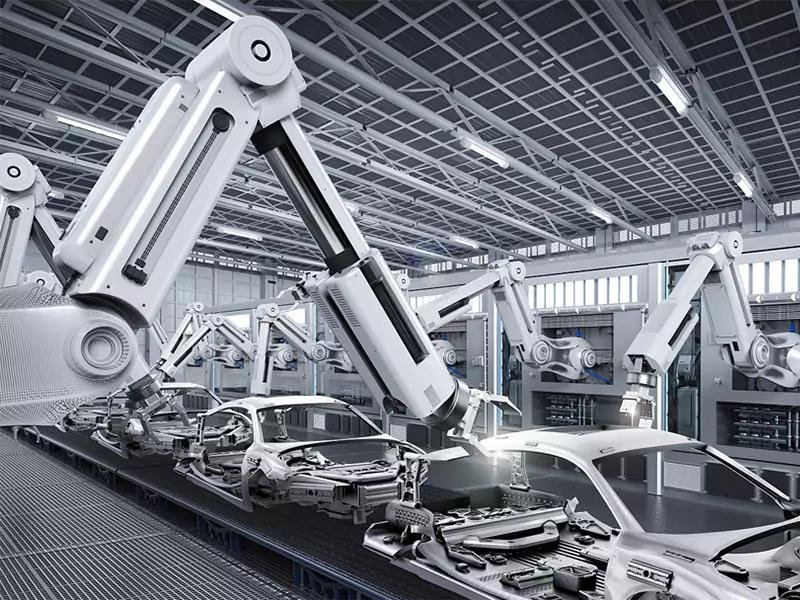
A modern automobile is assembled from tens of thousands of individual components, each manufactured separately before being brought together on
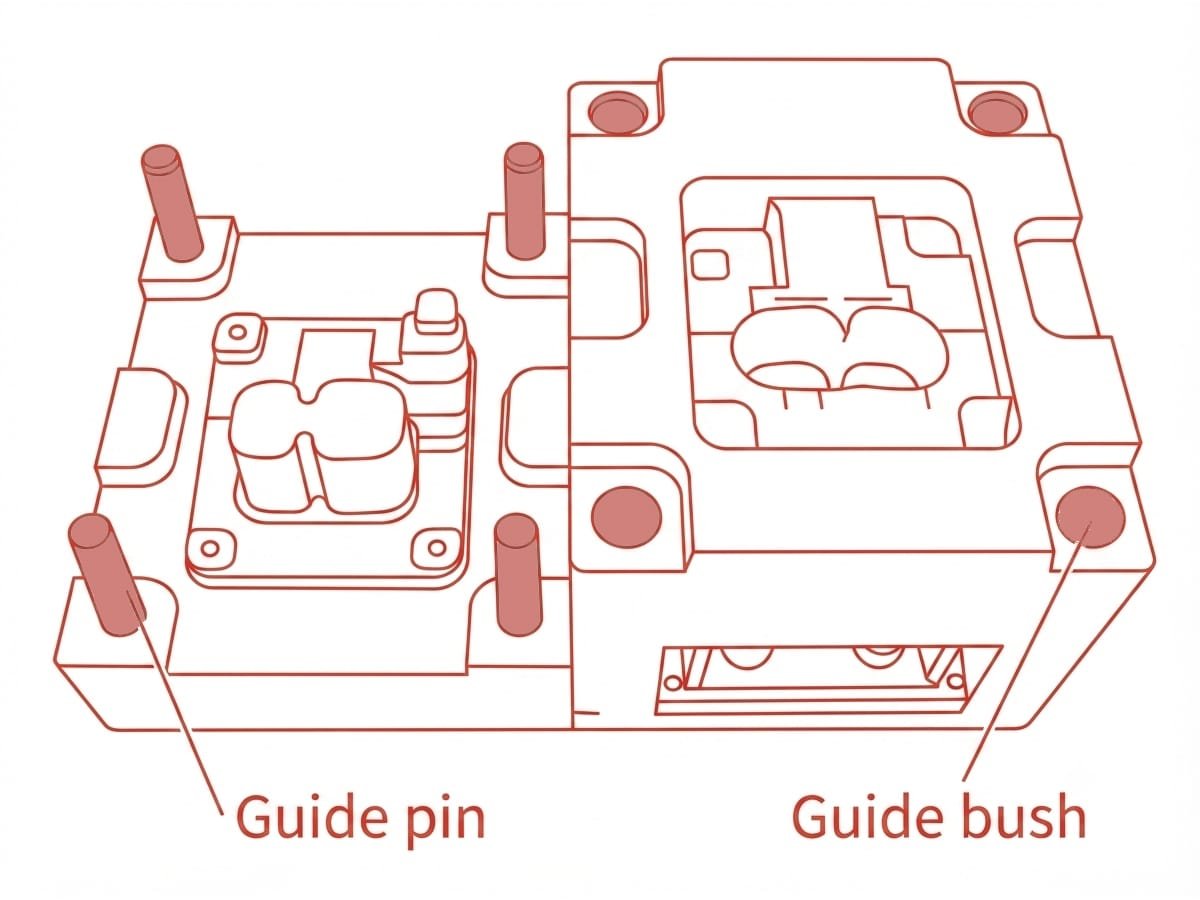
The guide system is one of the most overlooked components in injection mold design, yet it plays a critical role
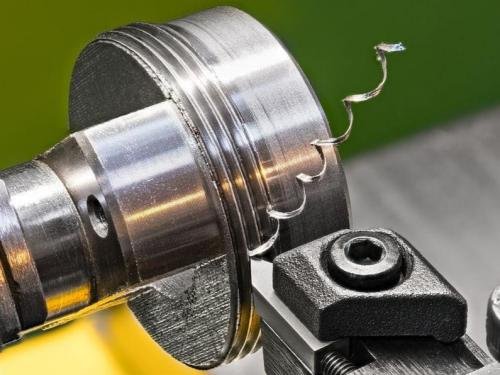
Anyone who has spent time at a lathe has probably experienced the frustration of thread cutting: a thread that refuses
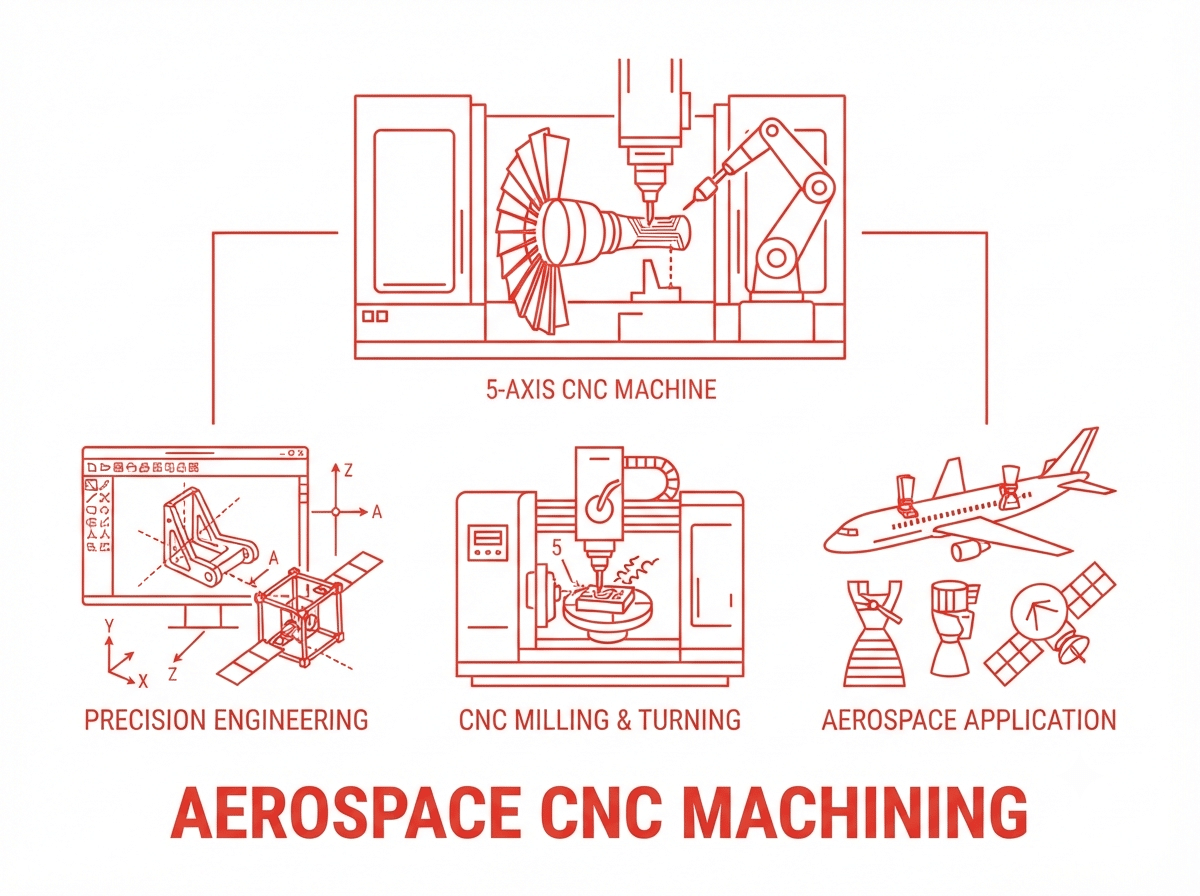
The aerospace industry demands components with exceptional precision, strength, and reliability. These requirements align well with the advantages of CNC