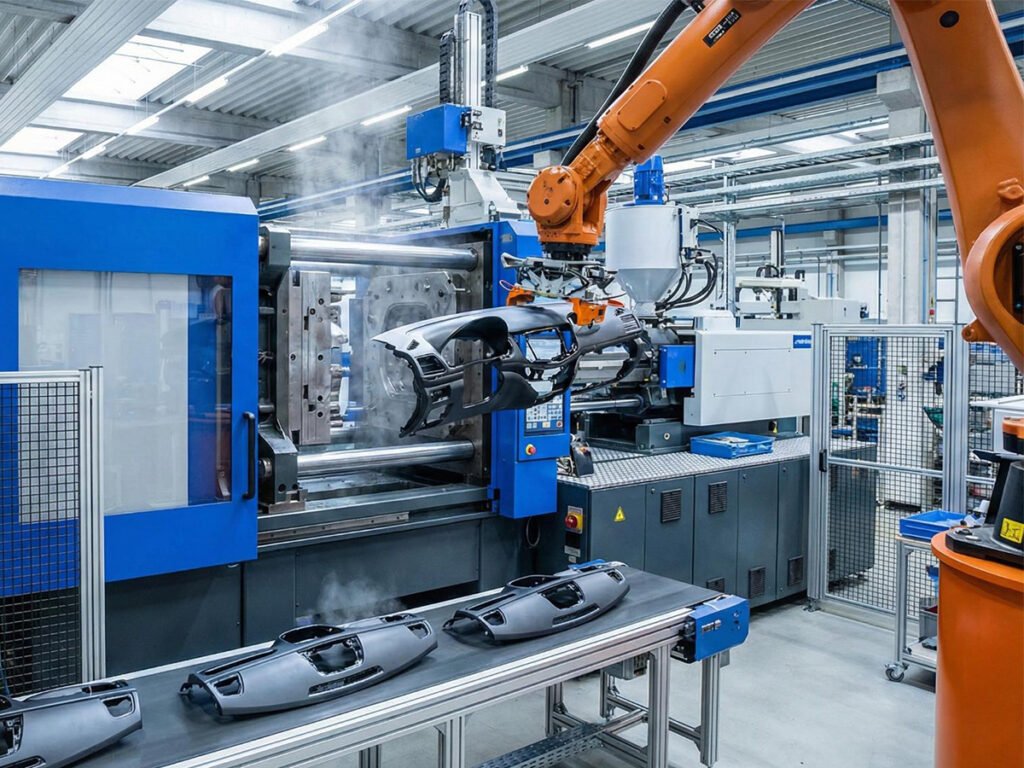
Large-part-injection-molded-roof-grille

Large Part Injection Molding: Machines, Materials, Design, and Applications

Table of Content

At first glance, large injection molding may sound like simply making bigger plastic parts with bigger molds. But in reality, producing large injection molded components involves much more than scaling up size.

As part dimensions increase, every stage of the molding process becomes more demanding. Larger molds require higher clamping force, greater shot capacity, and more precise control over filling, cooling, and shrinkage. Even small variations in wall thickness or temperature can lead to defects such as warping, sink marks, or uneven filling.

In this guide, we will explore how large part injection molding works, what machines and materials are needed, the main design considerations, and the challenges involved in producing large molded parts successfully.

What Is Large Part Injection Molding?

Large part injection molding is the process of producing plastic components that exceed the size or volume limits of standard injection molding equipment. These parts usually have a large projected surface area, require a high shot volume, or demand molds that are significantly larger than those used for conventional molded parts.

There is no universal size standard for what qualifies as a “large” molded part, since the definition often depends on machine capacity and part geometry. In many cases, products such as automotive panels, equipment housings, storage containers, and structural plastic components are considered large parts because of the molding capacity required to produce them.

This large plastic molding process makes it possible to produce large plastic components as single integrated parts, reducing the need for assembly while maintaining production efficiency and part consistency.

Large part injection molding

Machines Needed for Large Part Injection Molding

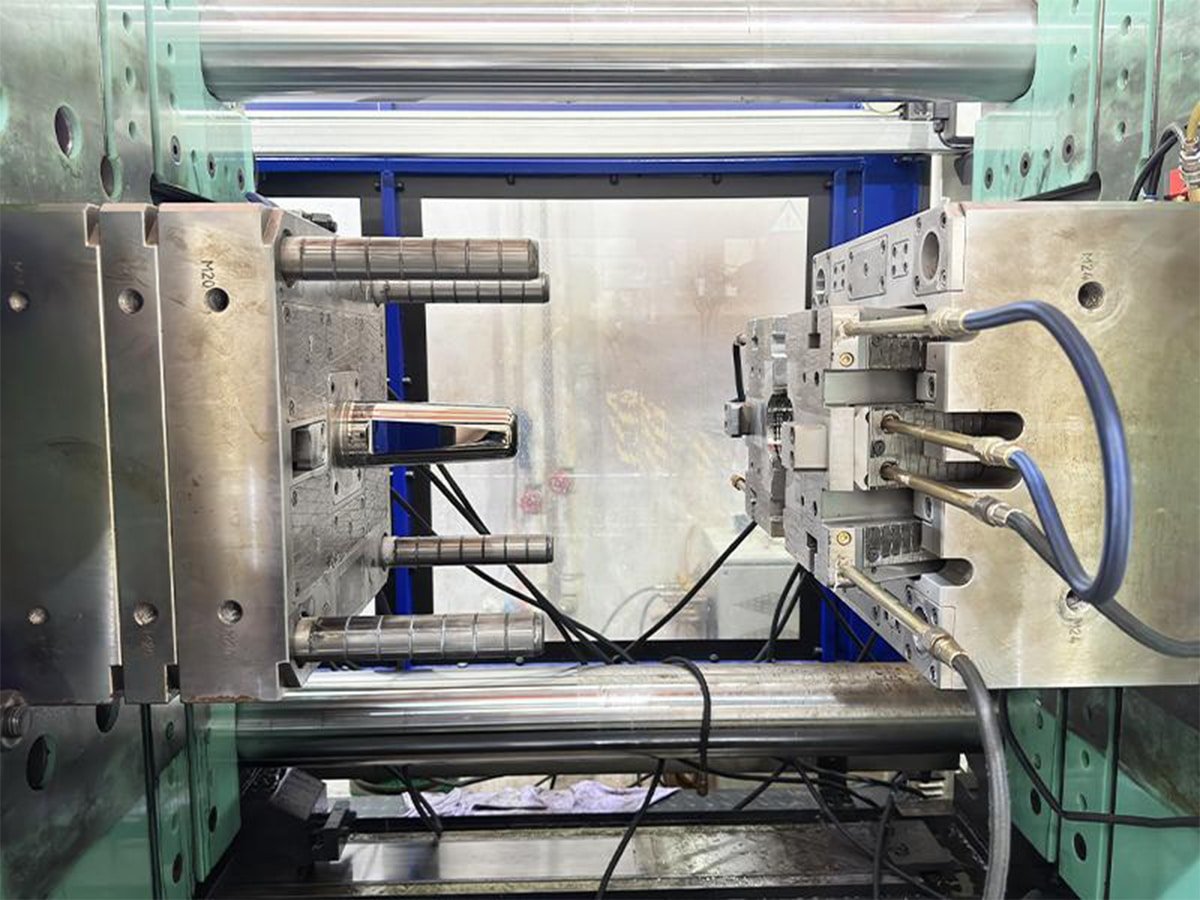
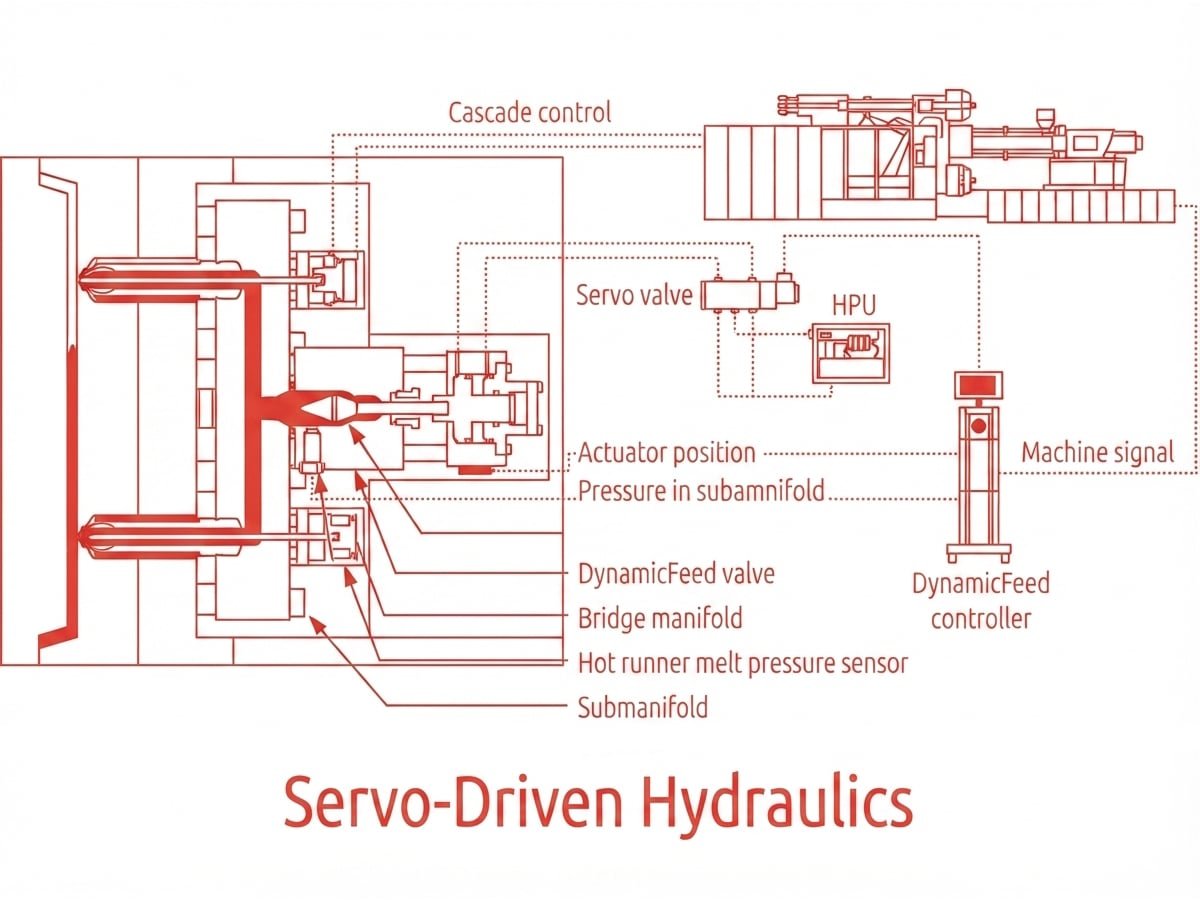
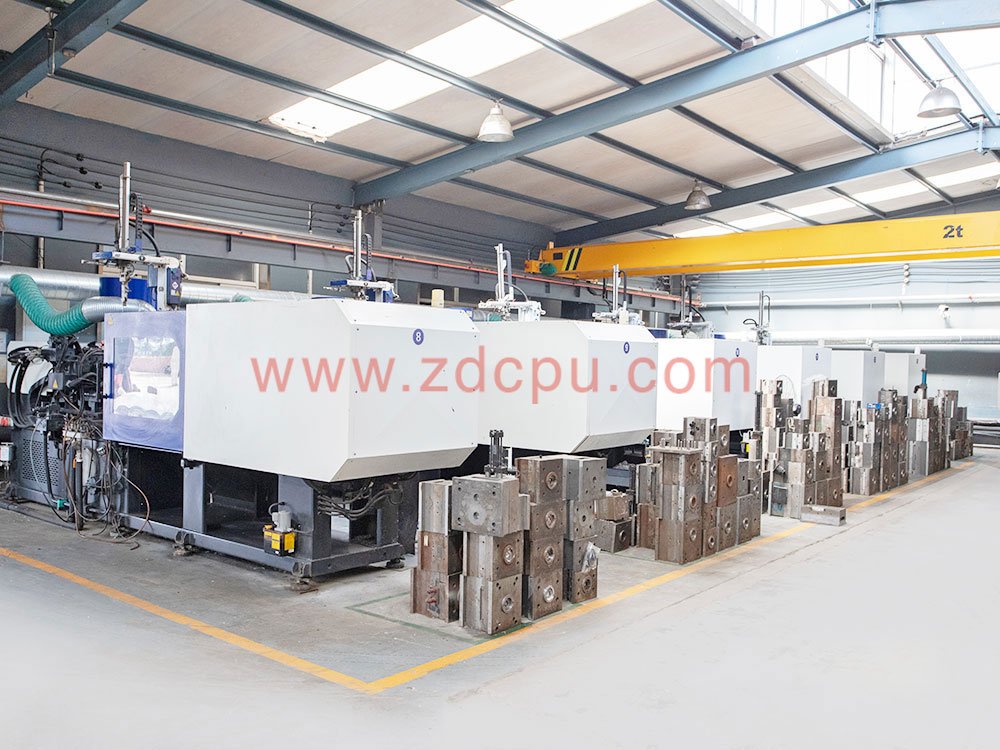
Large part injection molding requires machines with greater clamping force, larger shot capacity, and bigger platen sizes than standard molding equipment.

While standard machines often range from 100 to 500 tons, large parts may require 1,000 tons or more to keep the mold securely closed during injection. Shot capacity must also be much higher, often reaching 10–20 kg or more, to fill large mold cavities in one cycle.

Because machine capacity directly affects filling stability and dimensional consistency, manufacturers equipped for injection molding large parts are better able to maintain part quality and reduce the risk of defects such as flash, warpage, or incomplete filling.

Design Considerations for Large Part Injection Molding

Design plays a critical role in large part injection molding, as larger components are more prone to defects caused by uneven filling, shrinkage, and cooling.

Maintain Uniform Wall Thickness

Large parts should maintain consistent wall thickness to ensure even material flow and cooling. For most applications, a wall thickness of 2–5 mm helps reduce the risk of sink marks and internal stress.

Use Ribs for Structural Support

Instead of increasing wall thickness, ribs are often added to improve strength while reducing material use. Rib thickness is typically designed at 50–70% of the nominal wall thickness to avoid sink marks.

Optimize Gate Placement

Large parts are more likely to deform during cooling because shrinkage occurs over a wider area. Adding proper draft angles, balanced structural support, and well-distributed wall sections can help improve dimensional stability and reduce the risk of warpage.

Large Part Injection Molding Process

Large part injection molding follows the same basic stages as standard molding, but the larger mold size and material volume require more careful control during filling, packing, and cooling.

Filling the Large Mold Cavity

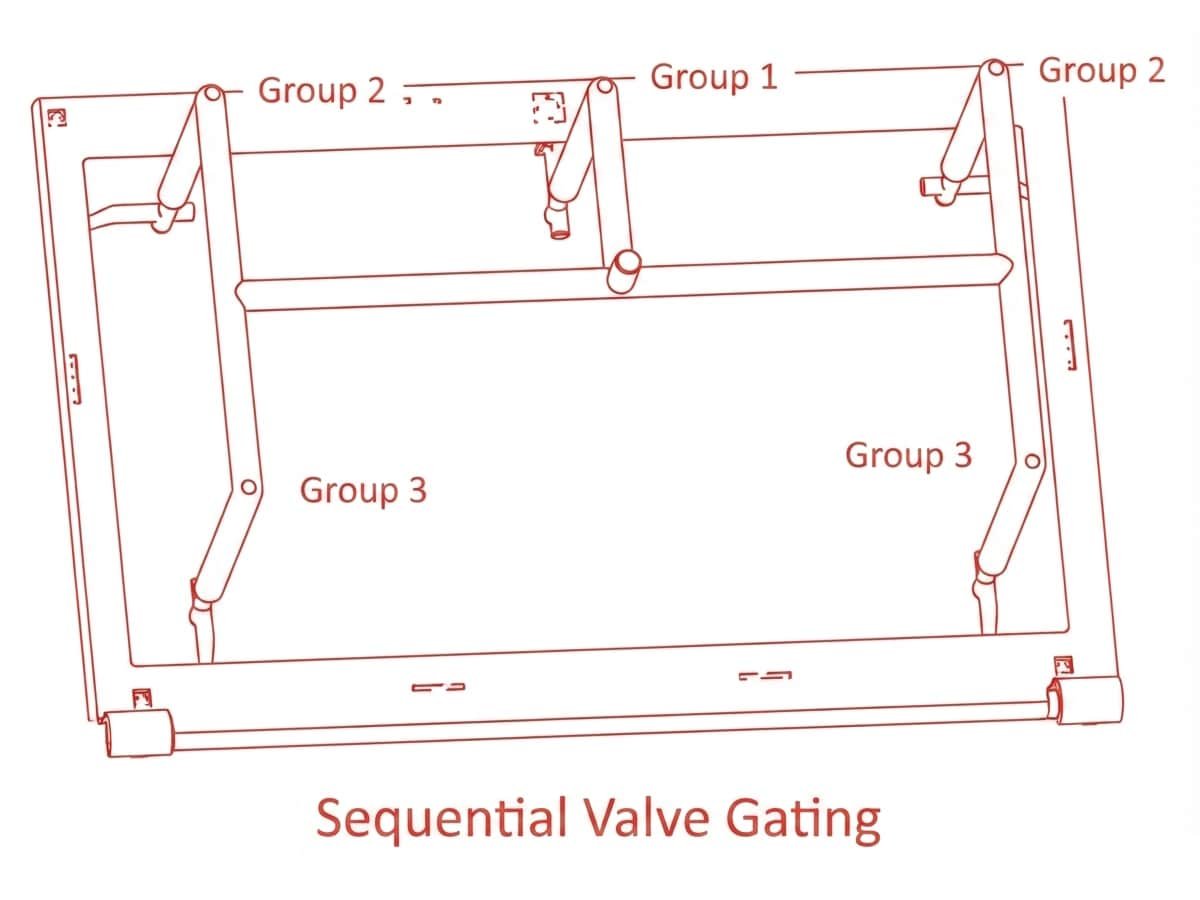
The process begins by injecting molten plastic into the mold cavity. For large parts, the material must flow across a much larger area before the cavity is completely filled. If the flow is uneven, some sections may cool too early, leading to short shots or weak weld lines. To improve flow balance, manufacturers often use multiple gates to help the material reach all areas more evenly.

Packing the Melt

Once the cavity is filled, holding pressure is applied to pack additional material into the mold as the plastic begins to shrink. This step is especially important for large parts because shrinkage can be more noticeable over wide surfaces. Maintaining stable pressure helps reduce sink marks and improves dimensional accuracy.

Cooling the Part Evenly

After packing, the molded part must cool and solidify before ejection. Since large parts contain more material, heat takes longer to dissipate, and cooling may take 30–60% longer than smaller parts. Uneven cooling can cause warpage, so consistent temperature control across the mold is essential for maintaining part shape.

Injection Molding Workshop

Injection Molding Service

On-demand injection molding service. Zhongde offer injection molding service for high volume production in low cost!

Challenges in Large Part Injection Molding

Beyond machine capacity and part design, large part injection molding also brings challenges in development planning, production stability, and cost management. As part size increases, the entire manufacturing process becomes more demanding, from mold development to final part handling.

Higher Cost of Process Adjustments

In large part injection molding, any change to the mold design or processing parameters can be expensive. Because the molds are larger and cycle times are longer, adjustments during tooling validation or production often require more time, material, and cost than in standard molding.

Balancing Strength and Weight

Large components often need enough structural strength without becoming excessively heavy. Achieving this balance requires careful design to avoid adding unnecessary material while still maintaining rigidity.

More Complex Part Handling

After molding, large plastic parts are more difficult to handle during cooling, unloading, and storage. Their size and weight may require additional support fixtures or automated handling systems to prevent deformation and improve production efficiency. This adds complexity to the overall manufacturing workflow.

Stricter Production Consistency Requirements

Maintaining stable quality in large part production requires tighter control over the molding process. Small fluctuations in machine performance, material behavior, or cycle conditions can lead to greater variation in large molded parts. As a result, manufacturers need more stable equipment and stricter process monitoring to ensure consistency across production batches.

Materials Used in Large Part Injection Molding

Material selection is especially important in large part plastic injection molding because the material must provide sufficient strength while still maintaining good flow and dimensional stability during molding. Choosing the right plastic material improve part performance, reduce weight, and control production costs.

Polypropylene (PP)

Polypropylene injection molding is widely used for large molded parts because of its low density, good chemical resistance, and cost efficiency. Its lightweight nature makes it suitable for large components where reducing overall part weight is important, such as automotive panels and storage containers.

High-Density Polyethylene (HDPE)

HDPE offers good toughness and impact resistance, making it a common choice for large industrial parts, tanks, and outdoor products. It also provides good moisture resistance, which is useful for applications exposed to harsh environments.

Acrylonitrile Butadiene Styrene (ABS)

ABS is often selected for large molded parts that require better rigidity and surface appearance. It combines good mechanical strength with dimensional stability, making it suitable for housings, covers, and structural components.

Glass-Filled Materials

For applications that require higher stiffness, glass-filled plastics such as glass-filled PP or nylon are often used. These materials improve structural strength and reduce deformation, which is beneficial for large parts that need better load-bearing performance.

Large Part Injection Molding Applications

Plastic molding large parts is widely used in industries that require durable, lightweight, and high-volume production of large plastic components. Its ability to produce complex parts in a single molding cycle makes it suitable for a wide range of industrial applications.

Automotive Industry

In the automotive industry, large part injection molding is commonly used to manufacture components such as bumpers, door panels, dashboards, and interior trims. These parts require consistent dimensions and reduced weight, making injection molding an efficient solution for large-scale production.

Industrial Equipment

Large molded parts are often used in industrial equipment housings, machine covers, and protective enclosures. Injection molding allows these components to be produced with good structural strength while reducing the need for multiple assembled parts.

Agriculture and Logistics

Products such as storage bins, pallets, tanks, and transport containers are commonly produced through large part injection molding. The process supports the production of durable plastic parts that can withstand frequent handling and demanding environments.

Consumer and Commercial Products

Large part injection molding is also used for appliance housings, furniture components, and large consumer product casings. It helps manufacturers achieve consistent quality while maintaining production efficiency for high-volume parts.

Conclusion

Large part injection molding makes it possible to produce large plastic components efficiently, but achieving consistent quality in large injection molding requires the right equipment, careful design, and reliable process control.

At Zhongde, we help customers bring large plastic part projects into stable production with custom injection molding solutions tailored to their application needs.

Start A New Project Right Now!

Our sales team will contact you within 24 hours. We are glad to answer your questions.
types of rivets
3d print snap fit
Injection Molding Plastics
Injection Mold