If you look closely at plastic products around you, you will notice that their surfaces can feel very different. Some are smooth and glossy, some have a soft matte texture, and others feature patterned surfaces for better grip. These differences are not accidental—they are the result of plastic finishes.
Finishes on plastic affect much more than appearance. They can influence how a product feels in the hand, how resistant it is to scratches, and even how well it performs in its intended application. For example, a glossy finish may improve the visual appeal of a consumer product, while a textured finish can help hide marks and improve grip on industrial components.
In plastic manufacturing, different plastic surface finishes are created through mold surface treatment or secondary finishing methods. Understanding these finish options is essential for choosing the right balance of appearance, function, and manufacturing cost.
What Are Plastic Finishes?
Plastic finishes are the surface textures and appearances achieved on plastic parts through different finishing methods. They determine whether the surface looks glossy or matte, feels smooth or textured, and how it performs in practical use.
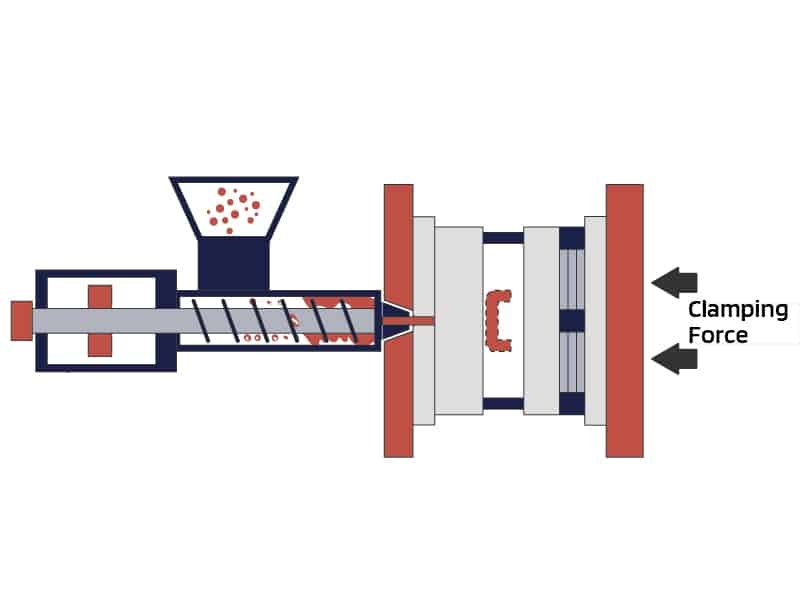
In most injection molded parts, the finish is created by the condition of the mold surface itself. A polished mold produces a shiny surface, while textured mold treatments create matte or patterned finishes. Additional finishing processes such as coating, painting, or polishing can also be applied when a specific appearance or performance is required.
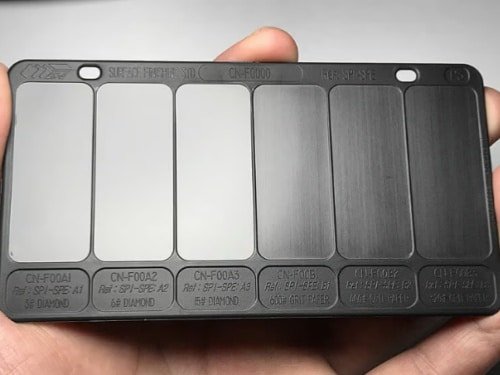
In industrial manufacturing, surface finishes may also be referenced using SPI standards to ensure consistency in mold surface quality and production results.
Common Plastic Finish Types
Depending on how a plastic part is expected to look and feel, different types of finishes can be applied. These finishes are not just visual choices—they also affect usability, durability, and how the product is perceived by the end user.
In practice, most plastic finishes fall into a few common categories:
Glossy Plastic Finish
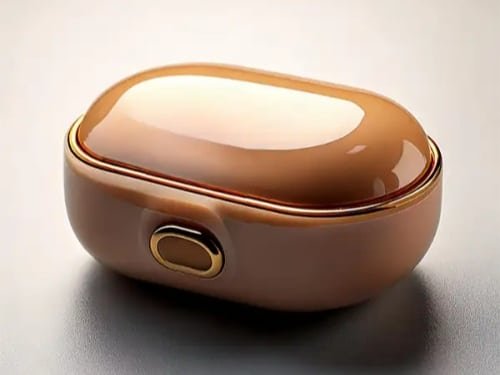
A glossy finish creates a smooth and reflective surface, similar to what you see on high-end consumer electronics or transparent plastic parts. This type of finish is usually achieved by polishing the mold surface to a very fine level.
Glossy finishes are often used when appearance is a priority, as they can enhance color depth and give products a clean, premium look. However, they also tend to show scratches, fingerprints, and molding defects more easily.
Semi-Gloss Finish
Semi-gloss finishes fall between glossy and matte surfaces, offering a balance of visual appeal and practicality. They reflect light gently, giving parts a subtle sheen without being overly shiny.
You often see semi-gloss finishes in consumer electronics, household appliances, or automotive interiors, where designers want a polished appearance but also need to hide minor scratches or fingerprints better than a full glossy finish would.
Matte Plastic Finish
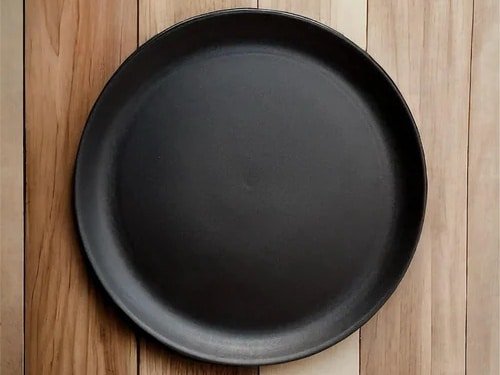
A matte plastic finish produces a non-reflective, slightly rough surface that diffuses light instead of reflecting it. This gives the part a softer and more subtle appearance.
Matte finish plastic are widely used in products where reducing glare and hiding surface imperfections is important. They are also more resistant to visible scratches and fingerprints compared to glossy surfaces.
Textured Plastic Finish
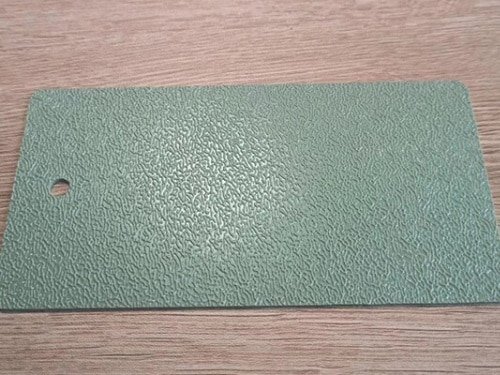
Textured finishes add deliberate patterns to the surface, which can range from fine grains to more pronounced geometric designs. If you have ever held a tool handle or a plastic enclosure with a slightly rough feel, you have likely experienced a textured finish.
This type of finish is commonly used to improve grip, enhance durability, and conceal flow marks or sink marks from the molding process. It is especially useful for industrial parts and handheld products.
How to Choose Plastic Finishes for Your Application
Choosing a plastic finish starts with understanding what you expect the part to do in the real world. Different finishes can change how a product feels, how it interacts with its environment, and even how it is perceived by users.
Intended Use
Ask yourself: How will people interact with this part? Will they hold it, press it, slide something across it, or simply look at it? A slightly textured surface can make buttons feel more responsive, while a smooth, glossy surface can make a smartphone case look sleek and modern.
Longevity and Wear
Some finishes show fingerprints or scuffs quickly, while others hide everyday contact. For parts that will be touched frequently, a soft sheen or micro-texture can help maintain a clean appearance over time. For parts in contact with other materials or components, finishes can also reduce the chance of subtle surface abrasion.
Appearance and Perception
The finish contributes to how people perceive the product. A matte surface can feel understated and elegant, while high gloss can create a feeling of premium quality. Translucent or transparent plastics require particular smoothness to let light pass through clearly.
Environmental Factors
Finally, think about the environment the part will live in. Outdoor equipment or kitchen appliances might need surfaces that can withstand sunlight, heat, or frequent washing, while indoor items can prioritize visual effect or tactile comfort.
Manufacturing Considerations
Not every plastic finish is equally easy to achieve in production. The final result depends on mold quality, tooling condition, and the manufacturing process used. Very smooth or highly detailed finishes may require extra polishing or more precise tooling, while textured surfaces are typically defined during mold making.
Conclusion
Finishes on plastic play a key role in both the look and functionality of your parts. Choosing the right finish can affect aesthetics, wear resistance, and even how parts interact in assemblies. From glossy and matte surfaces to textured or embossed finishes, each option has its specific purpose.
If you are working on a custom project, Zhongde can help you select the optimal plastic finishes and guide your parts from prototyping to production.