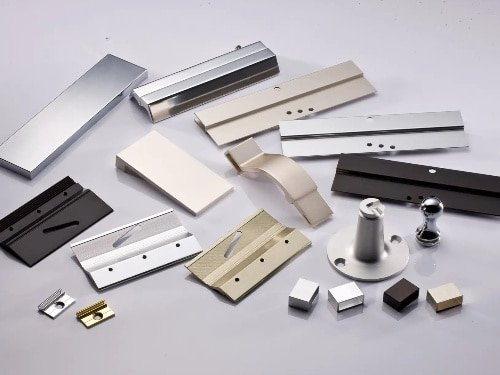
When planning a CNC machining project, one of the first questions people ask is: “How much will it cost?”
The answer, however, is not always simple.
CNC machining cost depends on much more than the size of the part. Material choice, design complexity, machining time, tolerances, and production quantity can all affect the final price. A simple aluminum bracket may cost only a few dollars per piece, while a complex precision component can cost much more.
Understanding what drives CNC machining cost helps you plan your project more effectively and find ways to reduce unnecessary expenses. In this guide, we’ll look at how CNC machining cost calculation works, what factors influence the final CNC machining price, and what you can do to keep your project within budget.
What Is CNC Machining?
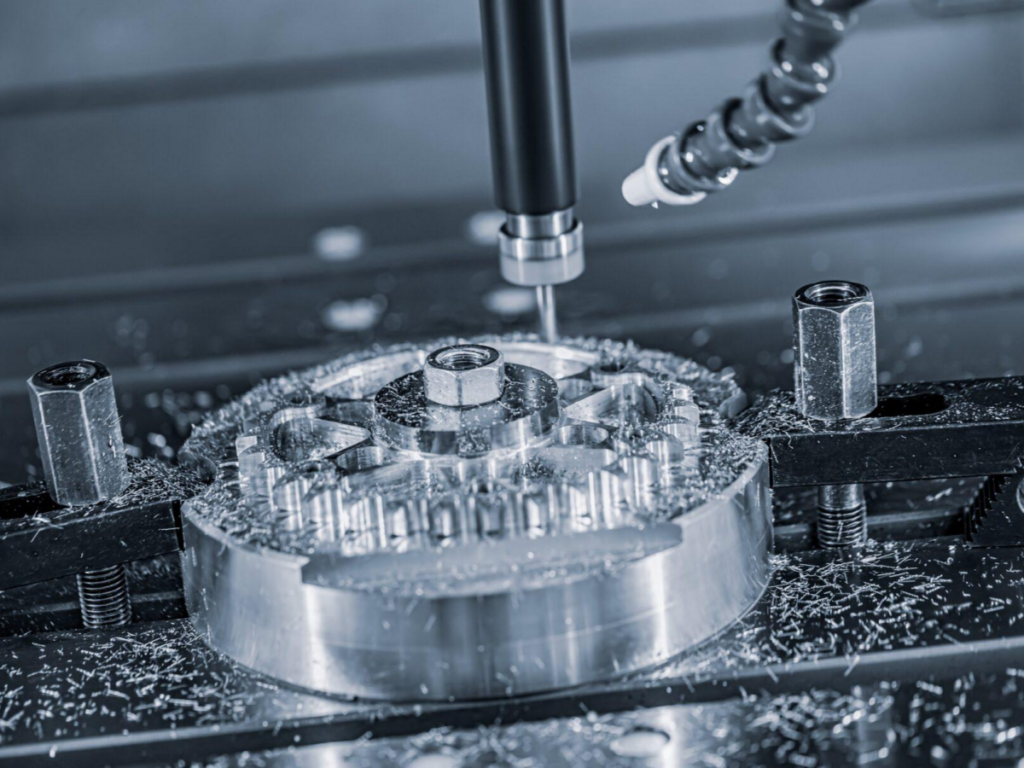
CNC machining is a manufacturing process that uses computer-controlled cutting tools to remove material from a solid block and shape it into a finished part.
You can think of it like digital carving. Instead of shaping a part by hand, the machine follows programmed instructions to cut away material with high precision.
For example, if you need an aluminum mounting bracket with precise holes and edges, a CNC machine can cut that part accurately from a metal block based on a digital design.
If you’d like to learn more about the machining workflow, tooling, and how the process turns digital designs into finished parts, check out our guide on what is CNC machining and how does it work.
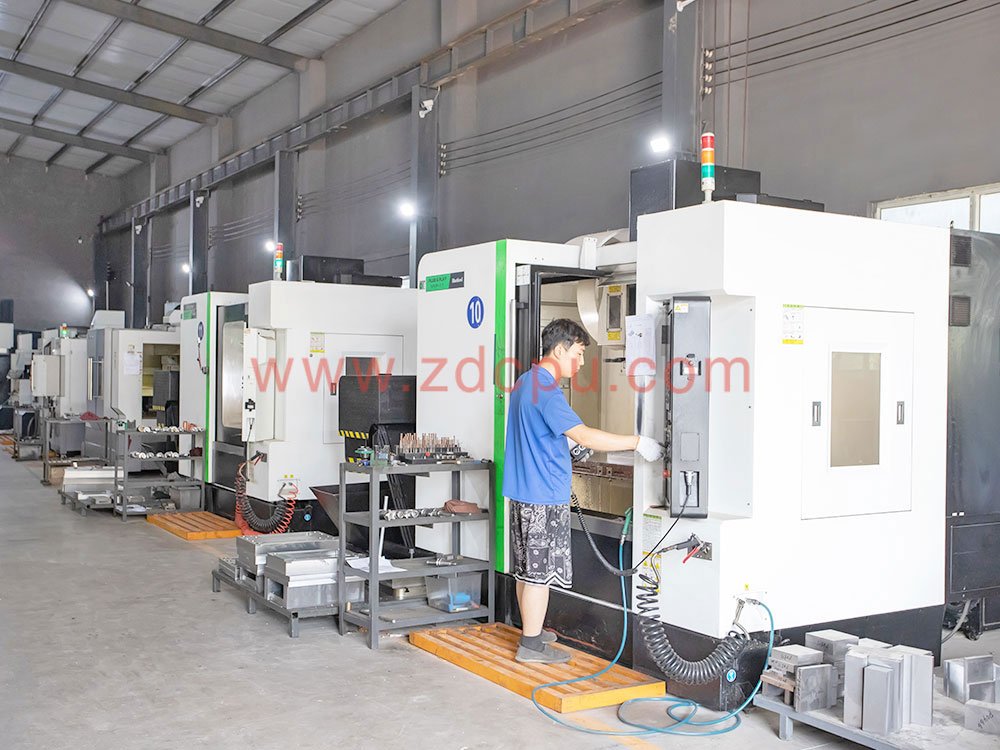
CNC Machining Service
How Much Does CNC Machining Cost?
In CNC machining, pricing is usually not a fixed number. Instead, manufacturers use different methods depending on your part and order size. The two most common methods used in CNC cost calculation are hourly pricing and per-part pricing.
Hourly Pricing (You are Paying for Machine Time)
In this case, the manufacturer first looks at your design and estimates how long it will take to machine.
You can think of it like this: you are renting a machine for a certain number of hours.
For example:
- If a part takes 2 hours to machine
- And the machine rate is $80/hour
- Then the cost is about $160
This method is usually used when:
- The part is custom or one-off
- The machining time is not easy to predict
- You only need a small quantity
In short, the main idea is simple: the longer it takes to machine, the higher the machining cost.
Per-Part Pricing (You are Paying for Finished Pieces)
In this case, the manufacturer looks at the whole batch instead of one single part.
They calculate the total effort (setup + machining + material) and divide it by the number of parts.
For example:
- 1 part may cost $80 each
- 50 parts may drop to $25 each
This happens because setup work is done only once, but shared across all parts.
This method is usually used when:
- You order multiple identical parts
- Production is more stable and repeatable
- Quantity is higher
So the simple idea is: more quantity = lower cost per piece
Factors That Influence CNC Machining Cost
CNC machining pricing is not random. Every CNC machining price is made up of several practical cost factors. To make it easy to understand, think of it as a list of “where your money goes” during production.
Material Cost (What Your part Is Made of)
The first thing that affects cost is the material itself.
Some materials are easy to cut, while others are harder on tools and take longer to machine.
For example:
- Aluminum is easy to machine and usually cheaper
- Stainless steel takes longer and wears tools faster
- Engineering plastics like PEEK are more expensive to process
So even if two parts look the same, the material can change the price significantly.
Simple idea: harder material = more machining effort = higher cost
Machining Time (How Long the Machine Works)
This is one of the biggest cost drivers.
If a part has many features—like deep holes, curves, or fine details—the machine needs more time to finish it.
For example:
- A simple flat plate may take minutes
- A complex housing may take hours
More time on the machine means higher cost.
Simple idea: longer machining time = higher price
Design Complexity (How Difficult the Part Is to Make)
Some parts are just harder to produce, even if they are small.
Features that increase cost include:
- very thin walls
- deep cavities
- complex 3D shapes
- tight internal corners
For example, a simple block with drilled holes is easy to make, but a part with internal channels and multiple precision surfaces requires more tool changes and setup work.
Simple idea: more complex shape = more machine work = higher price
Tolerance Requirements (How Precise it Must Be)
Tight tolerances mean the machine has to work slower and more carefully.
For example:
- ±0.1 mm is standard and easier to achieve
- ±0.01 mm requires extra precision and inspection
The tighter the tolerance, the more time and control needed.
Simple idea: higher precision = higher CNC machining cost
Setup and Tooling (Preparation Before Cutting Starts)
Before machining even begins, engineers need to set up tools, fixtures, and programs.
This setup time is fixed, no matter how many parts you order.
For example:
- 1 part still needs full setup
- 100 parts share the same setup cost
That’s why small orders feel more expensive per piece.
Simple idea: setup cost is fixed, so small orders cost more per unit
Surface Finishing (Final Appearance and Treatment)
After machining, some parts need extra finishing steps such as polishing, anodizing, or coating.
These steps do not change function much, but they add extra labor and time.
For example:
- Raw machined part = basic cost
- Anodized aluminum part = higher cost
Simple idea: more finishing = more CNC machining cost
How to Reduce CNC Machining Cost
Reducing CNC machining cost is not about cutting corners, but about making smarter decisions in design and planning. In most cases, small adjustments made early in the design stage can significantly lower the final production cost without affecting part performance.
Simplify the Design
The easiest way to reduce cost is to reduce unnecessary complexity in the part itself.
When a design has fewer deep cavities, sharp internal corners, or overly detailed features, the machining process becomes faster and easier. This directly reduces machine time, which is one of the main cost drivers.
For example, a simple block with basic holes is much cheaper to produce than a part with intricate internal channels or complex 3D surfaces.
Choose the Right Material
Material selection has a big impact on cost, but more expensive does not always mean better for your application.
If a part does not require high strength or extreme temperature resistance, using a more machinable material can reduce both machining time and tool wear.
For example, aluminum is often a cost-efficient choice compared to stainless steel when high corrosion resistance is not necessary.
Use Practical Tolerances
Not every feature of a part needs ultra-precise tolerances.
In many cases, only key functional areas require high accuracy, while non-critical areas can use standard tolerances.
For example, a mounting hole may need tight precision, but the outer shape of the part may not.
Reducing overly strict tolerance requirements can significantly reduce machining time and inspection effort.
Plan the Production Volume
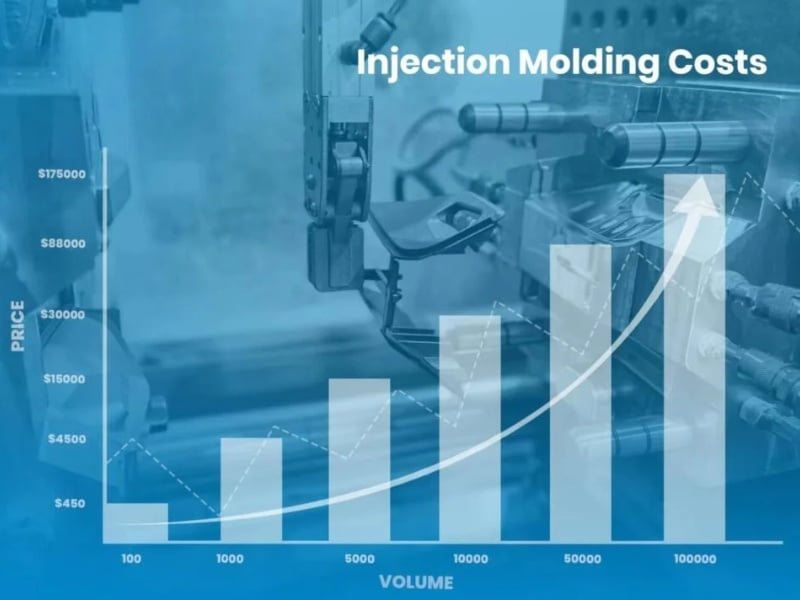
Quantity has a strong effect on unit cost because setup work is always required before machining starts.
When production volume increases, the setup cost is shared across more parts, reducing the price per unit.
For example, producing 10 parts and 100 parts may use the same setup effort, but the per-piece cost will be much lower in larger batches.
Involve the Manufacturer Early
One of the most effective ways to reduce cost is to involve the manufacturer before finalizing the design.
Experienced engineers can suggest adjustments that maintain function while simplifying machining. Small design changes at this stage can prevent unnecessary complexity and cost later.
Conclusion
CNC machining cost may seem complicated at first, but once you understand how machining costs are calculated, it becomes much easier to control. Things like material choice, part complexity, tolerances, and order quantity all play a role, and even small adjustments in these areas can make a noticeable difference in the final cost.
That’s why working with an experienced manufacturer matters. A reliable partner can help you improve the design, choose practical materials, and avoid unnecessary machining costs from the start. At Zhongde, we work closely with customers to find cost-effective machining solutions that balance quality, performance, and budget.
Start A New Project Right Now!