Knowledge Hub

Injection Molded Automotive Parts

Exploring Automotive Plastic Materials for Vehicle Components

Modern vehicles rely on plastics for up to 50–60% of interior and exterior parts, combining durability, corrosion resistance, and design versatility. Buyers need to understand automotive plastic materials to select parts that balance cost, performance, and longevity. Here, we examine common plastics and their automotive applications. In addition to plastics, vehicles use a variety of

Exploring Automotive Plastic Materials for Vehicle Components Read More »

Plastic Electroplating

What is Plastic Electroplating? How to Electroplate Plastic?

In the world of manufacturing, plastic electroplating emerges as a transformative process, combining the resilience of plastics with the appearance of metal finishes. Commonly used in automotive, electronics, and consumer goods, it improves durability, wear resistance, and corrosion protection. This article will help you understand the essential aspects of plastic electroplating. What is the Plastic

What is Plastic Electroplating? How to Electroplate Plastic? Read More »

Skin Marks

Dealing with Injection Molding Sink Marks: Causes and Prevention

Injection molding is a great manufacturing process for rapid prototyping and custom plastic parts. However, there are many defects that will affect the custom-molded plastic parts, such as short shots, flashes, burn marks, weld lines, warpages, parting lines, sink marks, and more. Those injection molding defects will increase the production costs, or lower the plastic

Dealing with Injection Molding Sink Marks: Causes and Prevention Read More »

ultrasonic plastic welding

Ultrasonic Plastic Welding: A Complete Guide for Plastic Parts Joining

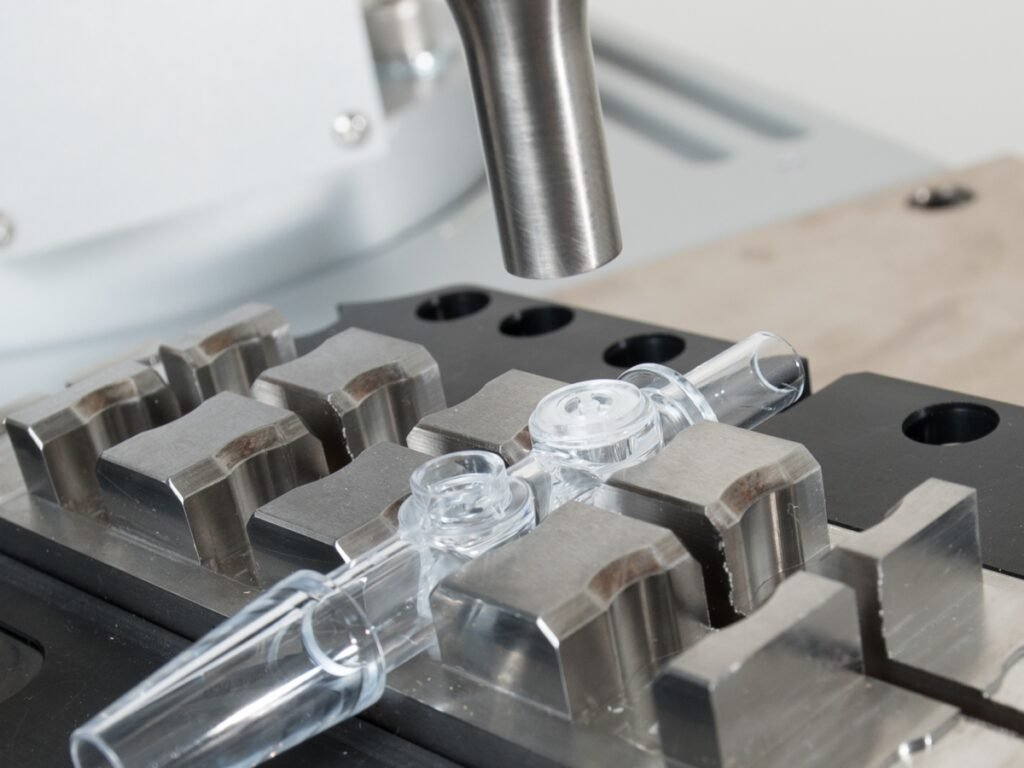
Plastic parts often require additional assembly steps after molding—brackets need to be attached to housings, membranes must create reliable seals, and multiple molded components need to become a single functional assembly. Ultrasonic welding provides a simple and reliable way to join thermoplastic components without screws, adhesives, or other fasteners. With fast cycle times and consistent

Ultrasonic Plastic Welding: A Complete Guide for Plastic Parts Joining Read More »

Types of Snap Fits

Snap Fit Design: A Complete Guide to Types, Principles, and Key Considerations

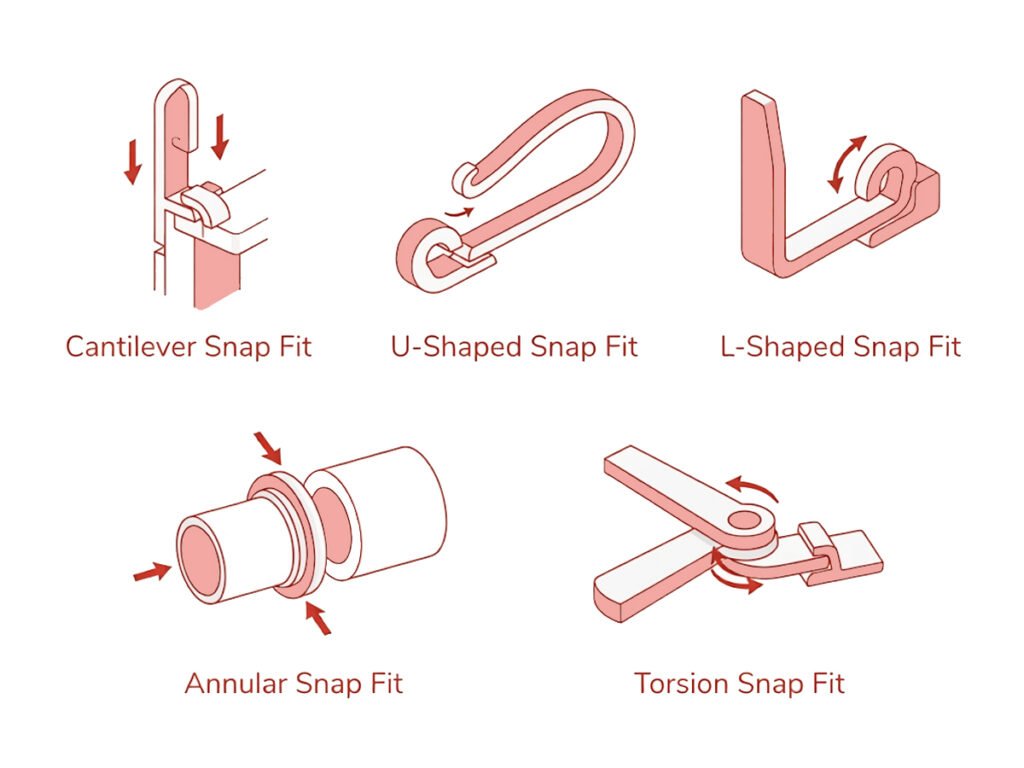
When designing plastic parts, achieving a reliable connection between components is often a key challenge. Traditional fastening methods such as screws and adhesives can increase assembly time, component count, and production costs. Snap fits offer a way to integrate assembly features directly into plastic parts, but their performance depends heavily on material selection, geometry, and

Snap Fit Design: A Complete Guide to Types, Principles, and Key Considerations Read More »

polypropylene PP injection- molding

A Comprehensive Guide for PP Injection Molding

Polypropylene(PP) polymer is made from propylene through the polymerization reaction. It is a thermoplastic with excellent performance. PP is colorless, semi-transparent, and famous for its tough and flexible properties. Polypropylene plastic has been used to manufacture plastic parts in various industries, and polypropylene injection molding is the most popular manufacturing process. What is PP Injection

A Comprehensive Guide for PP Injection Molding Read More »

injection molding flash

Dealing with Injection Molding Flash: Causes, Prevention, and Removal

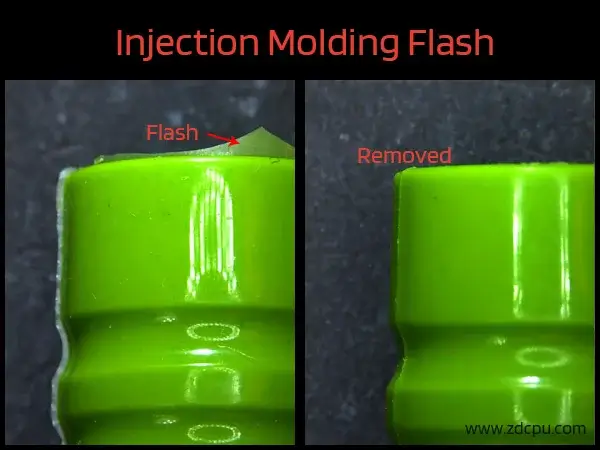
An injection molding flash occurs when molten plastic escapes the mold and solidifies. It is one of common injection molding defects. This molding defect will lower the quality of molded parts and potentially damage the mold, leading to increased costs. Understanding injection molding flash causes and solutions is crucial for efficient manufacturing. This article will

Dealing with Injection Molding Flash: Causes, Prevention, and Removal Read More »