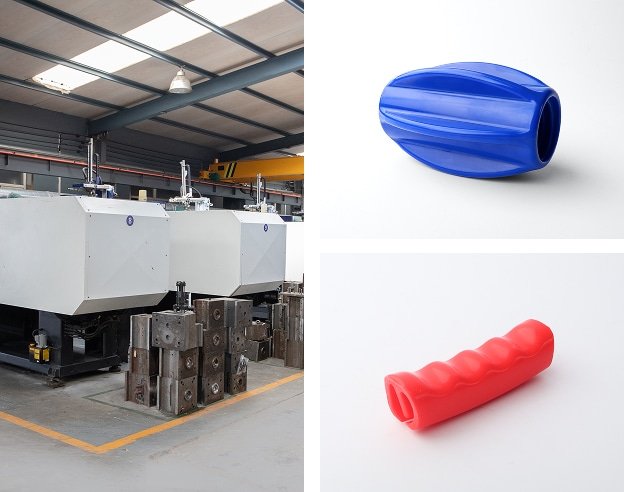
Custom Polyurethane Parts Manufacturers
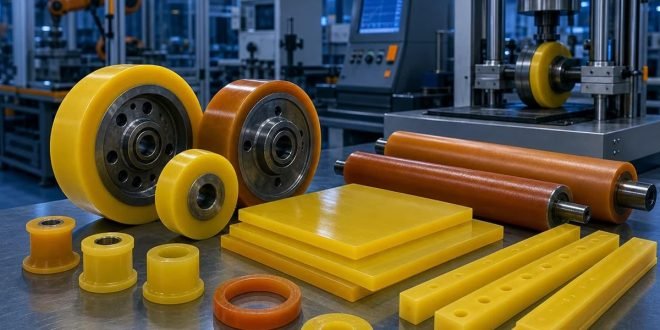
We produce custom PU parts with tailored hardness, formulations, colors, and insert options, backed by engineering support for DFM and tooling.
Why Choose Our Custom Polyurethane Parts
Our polyurethane products are produced through injection molding and cast molding, with a range of hardness options and formulations tailored to your requirements. Submit your design, and our team will provide DFM feedback and material modification. Secondary processing and quality inspection are handled in-house to maintain consistent part quality and reliable turnaround times from order to order.
- Shore hardness — 20A to 85D
- Temperature rating — -40°C to 120°C continuous service
- Dimensional tolerance — held to ±0.025mm
- Bonded Assemblies: PU bonded to metal, plastic, or rubber substrates
- Color matching — to your existing part, Pantone code, or RAL code
- Logo & Marking: pad printing, laser etching, or mold engraving
- Testing — durometer and tensile testing performed in-house
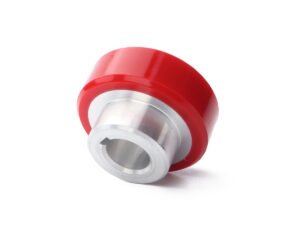
Custom Polyurethane Part Structures We Produce
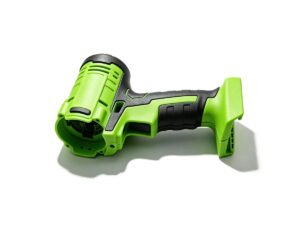
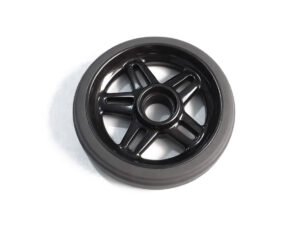
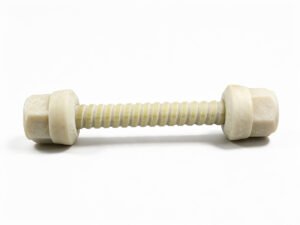
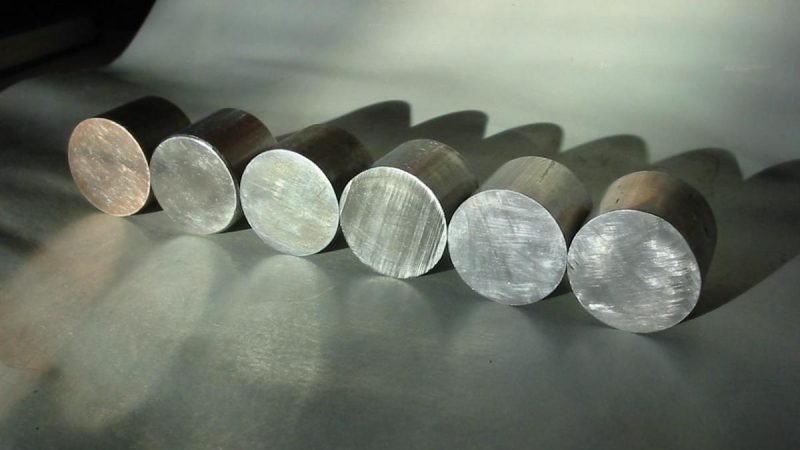
We combine polyurethane with different substrate materials to create parts that pair PU's flexibility, durability, and shock absorption with the structural or functional properties of the substrate.
Need a Custom Polyurethane Part?
Browse our custom plastic parts to see the types of components we produce for different applications and project requirements.
PU Parts Production Processes We Support
We select the molding process based on your part geometry, PU material, substrate, required properties, and order volume to balance part quality, tooling cost, and production efficiency.
Engineering & Production Support for Custom PU Parts
We provide end-to-end engineering support to help customers develop polyurethane parts that meet exact performance and application requirements.
Material Selection & Formulation
Our team can adjust PU formulations to meet specific requirements — hardness, elasticity, abrasion resistance, temperature tolerance, or color — ensuring the material performs exactly as your application demands.
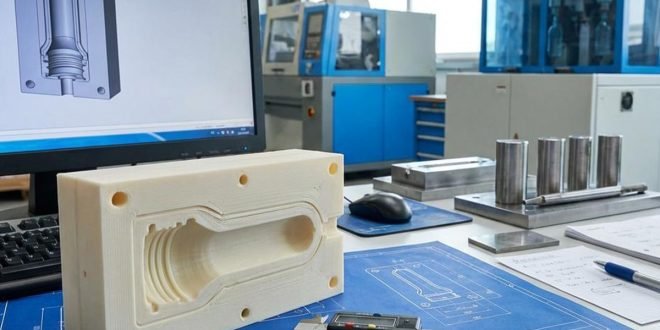
Design & DFM Consultation
Our engineering team reviews part geometry, tolerances, and substrate compatibility early on, offering design-for-manufacturability feedback to reduce cost and avoid production issues.
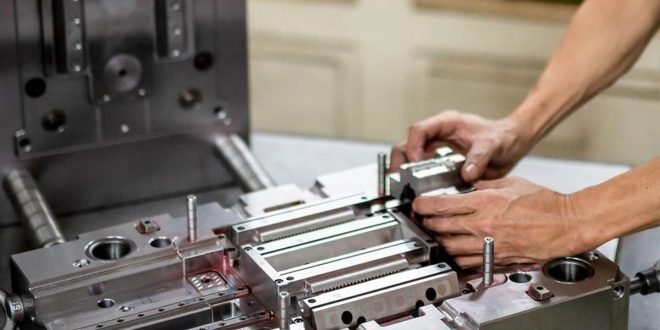
Tooling & Mold Development
We design and build molds in-house, ensuring tighter quality control, faster iteration, and shorter turnaround from design approval to first samples.
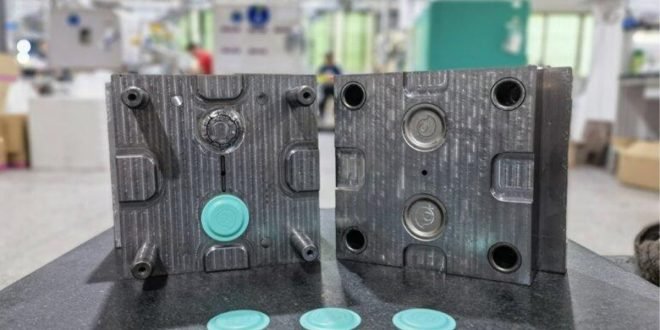
Prototyping & Sample Development
Rapid prototyping and sample production allow customers to validate fit, function, and performance before committing to full-scale production.
Need Help Choosing the Right Polyurethane Process?
Share your part drawings, material requirements, or production goals. Our engineers can review your project and recommend a suitable manufacturing approach.
Secondary Operations for Custom Polyurethane Parts
To supply PU parts in the required condition for assembly, distribution, or further use, we provide in-house finishing, marking, assembly, and packaging services.
Surface Treatment
We offer surface texturing, coating, and other finishing processes to adjust the appearance and surface feel of PU parts. Finishing options can be selected to support specific requirements for grip, wear resistance, or environmental exposure.
Logo Printing & Marking
Custom pad printing, laser etching, and in-mold labeling are available for polyurethane parts. We can reproduce specified logos, markings, and identification details to suit your product or branding requirements.
Assembly Services
We assemble finished PU parts with metal, plastic, and other components to produce completed sub-assemblies. Customer-supplied or outsourced components can also be integrated into the assembly, reducing the need to coordinate separate assembly work.
Custom Packaging
We provide packaging tailored to the part structure and shipping requirements, protecting PU surfaces and bonded interfaces during handling and transportation. Branded or retail-ready packaging is also available when required.
Quality Assurance
Quality at our facility is backed by a dedicated QC team, in-house testing equipment, and manufacturing experience built across thousands of customer projects.
Dedicated Quality Team
Our quality system is supported by a 10-person QC team working alongside 12 in-house engineers. Together, they cover incoming inspection, in-process monitoring, and final inspection throughout PU part production.
Finished Part Testing
Finished parts undergo dimensional verification with CMMs, hardness testing with calibrated durometers, and surface finish inspection before shipment. These checks help verify that critical dimensions, hardness, and appearance meet the specifications defined for each project.
Certifications & Standards
Our company operates under an ISO 9001 quality management system, with facilities and processes verified through SGS and TÜV audits. Depending on the material and application, our polyurethane parts can also be produced to support RoHS, FDA, and CE requirements, serving regulated applications and international markets.
Ready to Start Your Custom Polyurethane Part Project?
From tooling and molding to secondary operations and quality inspection, Zhongde supports complete polyurethane part manufacturing based on your specifications.
Advantages of Custom Polyurethane Manufacturing
Our in-house manufacturing capabilities give us greater control over custom PU projects, allowing material, tooling, production, and secondary operations to be coordinated within the same manufacturing system.
Tailored Performance
hardness, elasticity, and wear resistance adjusted through material selection and formulation modification.
Multi-Material Integration
PU combined with metal, plastic, fiberglass, or fabric.
Lower Total Cost
application-specific materials and processes help reduce waste and premature replacement.
Design Flexibility
in-house tooling and molding support complex geometries and tight tolerances.
Streamlined Production
engineering, tooling, molding, assembly, and finishing coordinated in-house.
Load & Stress
expected loads, impact, and mechanical stress.
Operating Environment
temperature, chemicals, oils, moisture, and UV exposure.
Substrate Compatibility
compatibility and bonding between PU and the chosen substrate.
Production Volume
order quantity, tooling investment, and suitable molding process.
Service Life
expected wear, replacement cycles, and maintenance requirements.
Considerations for Polyurethane Component Manufacturing
Before choosing PU for a part, consider the following factors. Share your requirements with our engineering team, and we can help assess material and process suitability based on your application.
Industries We Serve
Our custom PU parts are used across industries with demanding requirements for cushioning, sealing, wear resistance, and flexible material properties.
FAQs of Custom PU Parts
View our FAQ center for more questions.
Can PU replace the rubber or plastic part I'm currently using?
It can, depending on what the part needs to do. PU is often a good choice when you need better wear resistance, impact resistance, or load-bearing performance. If you're considering switching from rubber or plastic, send us your current part or specifications. We'll help you compare the options and find a PU formulation that fits your application.
Can PU formulations be modified for specific applications?
Yes. We can adjust PU formulations to improve resistance to oil, chemicals, UV exposure, or temperature, depending on the application. We can review your operating conditions and recommend a suitable formulation for production.
Do you offer secondary processing like coating or machining?
Yes. We can handle additional machining, surface coating, assembly, and other finishing processes in-house when required. You can work with us on the complete part instead of coordinating each process separately.
What information do you need to provide a quote?
A drawing or sample is a good place to start. If you have them, also include your expected quantity, target hardness, and operating conditions such as temperature, chemical exposure, or load. If you're not sure about some of these details, that's fine—we can help you work through the requirements before quoting.