What Can We Customize in CNC Metal Spacers?

Every spacer starts with your choice of material and dimensions, then goes further — thread pitch, wall thickness, chamfer angle, surface finish, and other details that affect how the part fits and functions. We review these requirements with you before machining begins, ensuring the finished spacer matches not only your drawing dimensions but also the way it needs to perform once installed.

Types

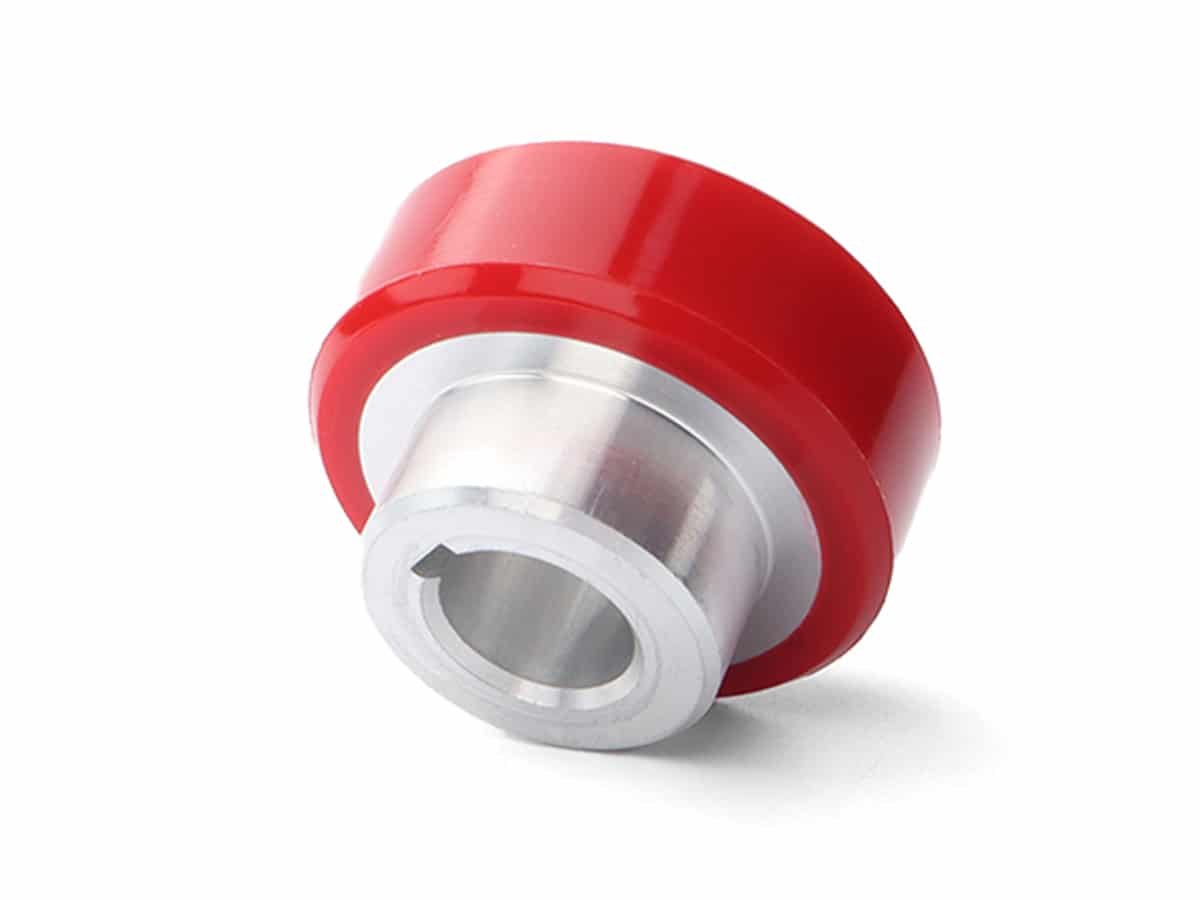
We produce PU rollers in different profiles and configurations for guiding, load transfer, traction, and continuous rotation. The roller type can be selected according to your equipment design, contact conditions, and operating requirements.

Our common configurations include:
  • Polyurethane V Rollers
  • Polyurethane Track Rollers
  • Polyurethane Pipe Rollers
  • Polyurethane Idler Rollers
  • Polyurethane Drive Rollers

Size

We customize the outer diameter, overall length, bore diameter, wall thickness, and core dimensions to your specifications. Whether you need a compact roller for limited installation space or a longer roller for wider spans, we control key dimensions and bore-to-shaft fits to support proper mounting, alignment, and rotation.

Performance

We select the polyurethane formulation and hardness to suit your roller’s operating conditions. Available durometers range from soft, cushioning grades to rigid grades for higher load capacity and dimensional stability. For applications involving repeated loading, high-speed rotation, abrasion, oils, chemicals, or outdoor exposure, we can recommend a polyurethane grade with the appropriate balance of wear resistance, resilience, and environmental resistance.

Applications

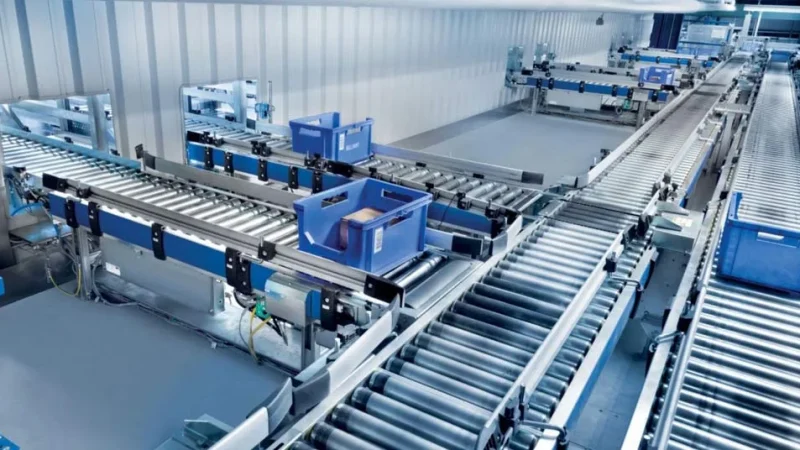
Our polyurethane rollers are used in material handling equipment, conveyor systems, printing and laminating machinery, warehouse automation, food and beverage processing, and heavy machinery for steel and paper mills. These applications may require different combinations of traction, wear resistance, load capacity, and chemical resistance. If your application is not listed, share your operating conditions with us, and we can assess whether polyurethane is suitable or recommend an alternative.

It is easy to fill the form.

Available for JPG, JPEG, PDF, DWG, DXF, PNG, STP, STEP, IGS and IGES files. Please note that all of your files will be kept confidential by Zhongde.

Why Choose Zhongde?

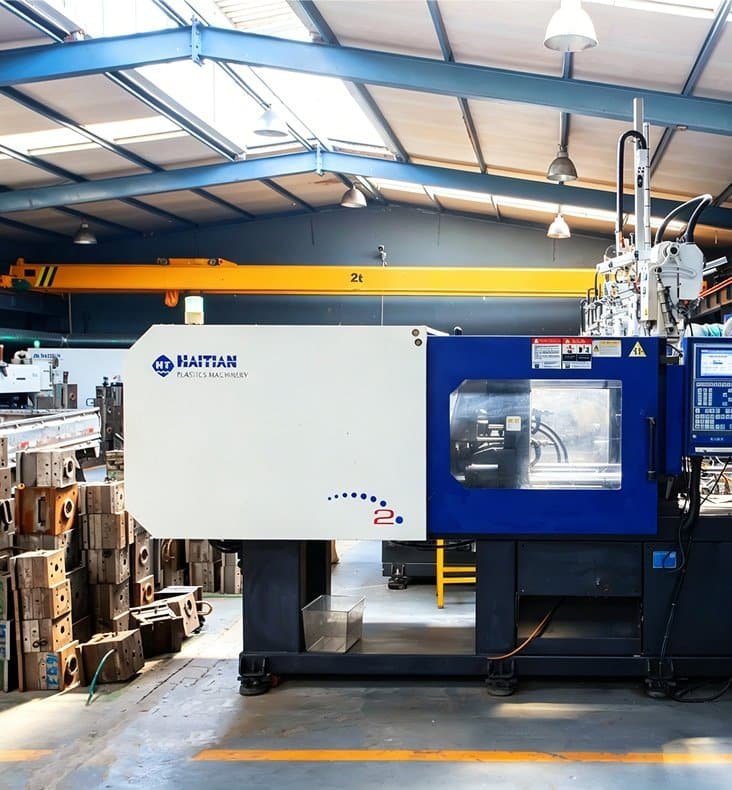
Once the material and profile are specified, the roller’s final quality still depends heavily on manufacturing experience and process control. Small variations in pour temperature and curing time can affect how internal stress develops and releases within the polyurethane, which can contribute to differences in long-term wear between rollers made from the same formulation. We monitor these parameters closely and evaluate compression set under temperatures relevant to the application, since polyurethane hardness measured at room temperature can change as the roller operates continuously at elevated temperatures.

Bonding strength follows a similar logic. We match the adhesive system and surface preparation to the core material and expected shear load, since a bond that holds under static loading can behave differently under repeated dynamic stress, particularly in high-cycle applications such as conveyor or printing lines.

These details can seem minor on their own, but based on long-term feedback from customers, the extra attention has consistently paid off. Two rollers that look identical on paper don’t always perform the same way in the field.

Why Choose Zhongde 1

Industries We Served

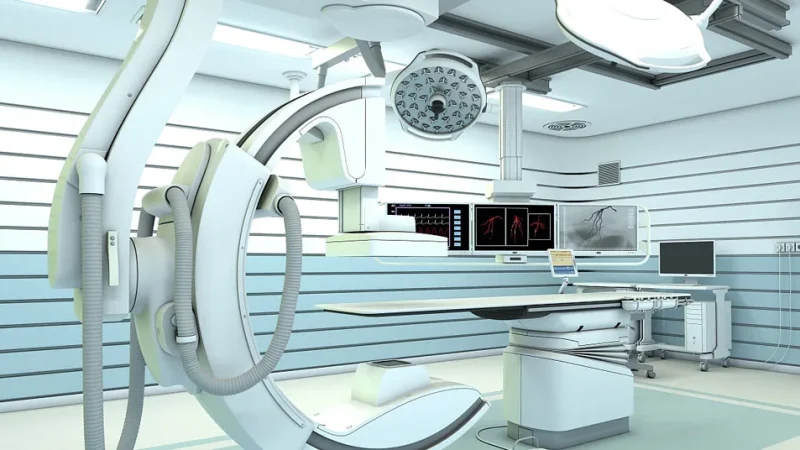
Zhongde has delivered custom Polyurethane parts to numerous industries, helping clients achieve high-quality, precise, and reliable solutions across a variety of applications.

FAQs of Custom Polyurethane Rollers

View our FAQ center for more questions.
It depends on your operating conditions. Polyurethane generally provides higher abrasion resistance, load capacity, and resistance to oils and chemicals, while rubber may be a better fit where elasticity, cushioning, or lower material cost is more important. We can review your application and recommend the material that fits.
Both options are available. Bonded-core rollers combine a polyurethane layer with a metal or composite core to provide structural support and controlled mounting dimensions. They are commonly used where the roller must carry higher loads or connect directly to a shaft. We can recommend the appropriate construction based on your load, speed, and mounting requirements.
Durometer selection depends on the load, contact surface, operating speed, and whether your process requires more grip or lower friction. Tell us what the roller contacts, the expected load and speed, and the working environment. We can recommend a starting hardness and refine the selection based on testing or application feedback.
Yes, though achievable tolerances depend on the roller size and profile complexity. Share your required tolerances and roller dimensions, and we can review feasibility before quoting.

Zhongde's Manufacturing Capabilities for Custom Parts

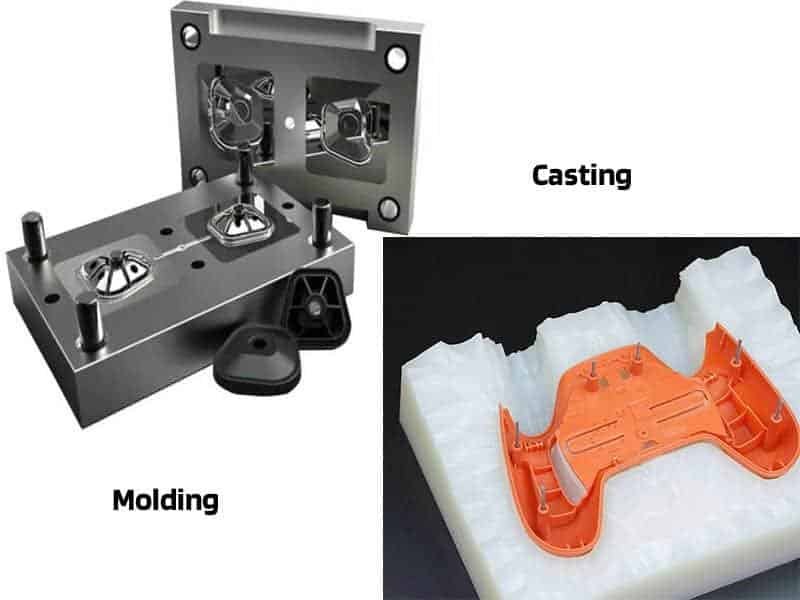
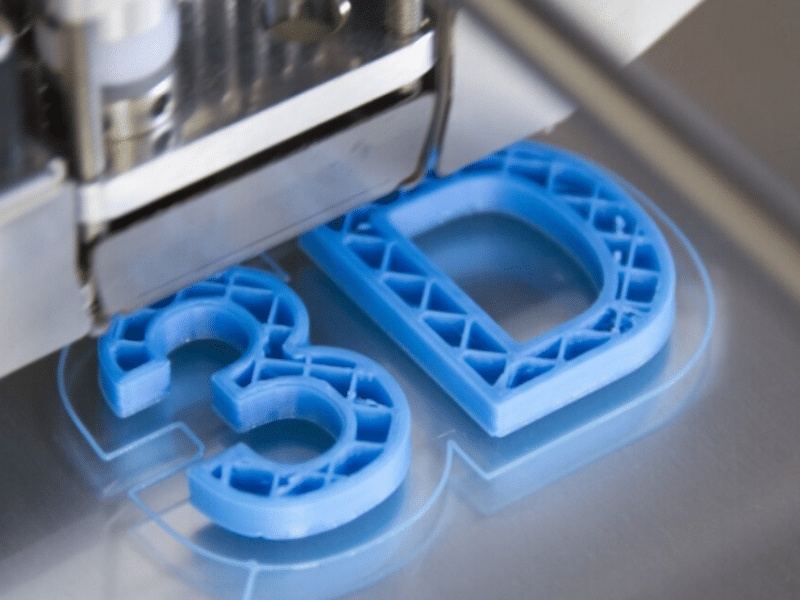
We offer various manufacturing methods to turn your custom parts designs into real components, from prototypes to full production, matching the right process to your needs.