What is Polycarbonate?
Polycarbonate (PC) is a durable, transparent thermoplastic known for its exceptional impact resistance, optical clarity, and heat resistance. Chemically, it belongs to a group of polymers containing carbonate groups in their molecular structure, which give the material its unique combination of strength and flexibility.
Because of this unique balance of properties, polycarbonate is widely used across industries including construction, automotive, electronics, medical devices, and eyewear, often as a lightweight, shatter-resistant alternative to glass.
Key Properties of Polycarbonate
The table below summarizes the key physical, mechanical, thermal, and optical properties of standard unfilled polycarbonate resin.
| Property | Value / Range |
|---|---|
| Density | 1.20 g/cm³ |
| Tensile Strength | 55–75 MPa |
| Flexural Strength | 90–110 MPa |
| Impact Strength (Izod, notched) | 600–900 J/m |
| Elongation at Break | 80–150% |
| Glass Transition Temperature (Tg) | ~147 °C |
| Heat Deflection Temperature (HDT) | 130–140 °C |
| Continuous Service Temperature | -40 °C to 120 °C |
| Light Transmittance | Up to 90% |
| Refractive Index | 1.58–1.59 |
| Water Absorption (24h) | 0.15–0.35% |
| Dielectric Strength | 15–17 kV/mm |
| UL94 Flammability Rating | V-0 to V-2 (grade dependent) |
Polycarbonate Grades for Injection Molding
Polycarbonate grades differ mainly in their formulation, with additives and reinforcements used to modify flow behavior, mechanical performance, optical properties, and regulatory compliance.
High-flow PC Grades
High-flow PC grades are formulated by modifying polymer chain characteristics to reduce melt viscosity and improve filling performance. They are often used for thin-wall electronic housings and large cosmetic parts, where standard PC may require excessive flow length capability.
Glass-Fiber Reinforced Grade
Glass-filled PC grades typically contain short glass fibers at around 10–30% by weight to improve stiffness, creep resistance, and dimensional stability. The reinforcement reduces thermal expansion, making these grades suitable for structural components exposed to continuous mechanical loads.
Optical-Grade Polycarbonate
Optical PC grades are not simply standard PC with higher transparency. They are usually formulated with reduced impurities, controlled molecular weight distribution, and minimal pigment or additive content to preserve light transmission and reduce optical distortion.
Compared with acrylic injection molding, optical PC offers higher impact resistance, while acrylic (PMMA) remains preferred where maximum optical clarity and weather resistance are the priorities.
Flame-Retardant (FR) Grade
Contains additives to meet UL94 V-0 flammability standards without halogenated compounds in many formulations. Common in electrical enclosures, circuit breaker housings, and appliance parts.
Food-Contact Grade
Certified free of restricted additives for direct or indirect food contact, commonly used in reusable food containers, water bottles, and kitchenware — though largely BPA-free variants are now favored in this category.
Why Use Polycarbonate for Injection Molding
Polycarbonate is one of the most widely specified resins for injection molding because its material properties align closely with what the process itself does well — filling thin, complex geometries and holding tight tolerances at scale.
Predictable Melt Processing
Polycarbonate maintains consistent processing behavior within its recommended temperature range (typically 280–320°C), allowing molders to produce complex geometries with proper injection parameters and mold temperature control.
Low Molding Shrinkage
PC has a low and predictable shrinkage rate (approximately 0.5–0.7%), which helps simplify mold design and improve dimensional consistency while reducing the need for extensive tooling adjustments.
Withstands High Mold Temperatures
PC can withstand higher mold temperatures, which helps reduce residual stress, improve surface replication, and minimize weld-line visibility — especially important for optical and cosmetic components.
Supports Fine Surface Detail
PC’s high-temperature melt flow capability allows it to replicate fine mold textures, micro-features, and sharp edges when processing conditions are carefully controlled — important for connectors, lenses, and precision housings.
Design Guidelines for Polycarbonate Injection Molding
Most plastic injection molded parts follow similar injection molding design principles for wall thickness, draft angles, ribs, and transitions.
However, polycarbonate has unique characteristics — including high melt viscosity, low shrinkage, and sensitivity to residual stress — that require a few additional considerations during part design.
Wall Thickness
As with most injection-molded plastics, uniform wall thickness helps prevent sink marks, voids, and uneven cooling. A typical PC wall thickness range is around 1.5–4 mm, but transparent parts often require more careful control because even minor thickness variations can affect optical appearance.
Add Generous Radii at Corners
Sharp corners create stress concentration points, which is particularly important for polycarbonate because it can develop stress cracks under mechanical or chemical exposure. Increasing corner radii (commonly at least 0.5× the wall thickness) helps improve impact resistance and reduce localized stress.
Use Adequate Draft Angles
A draft angle of around 1°–2° per side is commonly recommended for injection-molded PC parts to support smooth ejection. For transparent PC parts, sufficient draft also helps reduce surface marks caused by ejection forces.
Avoid Sudden Geometry Changes in Transparent Parts
Clear PC components require more careful design than opaque parts because even minor stress differences can affect appearance. Smooth transitions, balanced wall thickness, and proper corner radii help minimize visible flow marks, distortion, and stress patterns.
Processing Considerations for Polycarbonate Injection Molding
Polycarbonate requires tighter process control than many common engineering plastics because its high processing temperature, moisture sensitivity, and tendency to retain internal stress can directly affect part quality.
Proper Material Drying
PC is highly hygroscopic and must be thoroughly dried before molding to prevent hydrolysis, which can reduce molecular weight and cause brittleness, silver streaks, or reduced transparency. Typical drying conditions are around 120°C for 3–4 hours, depending on the material grade and moisture level.
Avoiding Excessive Shear Stress
Because PC has relatively high melt viscosity, excessive shear during injection can increase molecular degradation and residual stress. Balanced injection speed, gate design, and flow path planning help protect mechanical and optical properties.
Mold Temperature Management
Compared with many common thermoplastics, PC typically requires higher mold temperatures to improve surface replication and reduce internal stress. Insufficient mold temperature control can contribute to poor appearance, weld-line visibility, or stress-related defects.
Post-Molding Stress Considerations
Residual stress is a common concern in PC parts, especially transparent components and parts with inserts, sharp corners, or complex geometries. In demanding applications, annealing or stress-relief treatments may be considered to improve long-term dimensional stability.
Applications of Polycarbonate Injection Molding
Polycarbonate injection molding is found in products where a part must remain clear, tough, and reliable through years of use. From protecting sensitive electronics to guiding light in optical systems, PC parts often serve as the interface between users, machines, and the environment.
Automotive Lighting and Interior Components
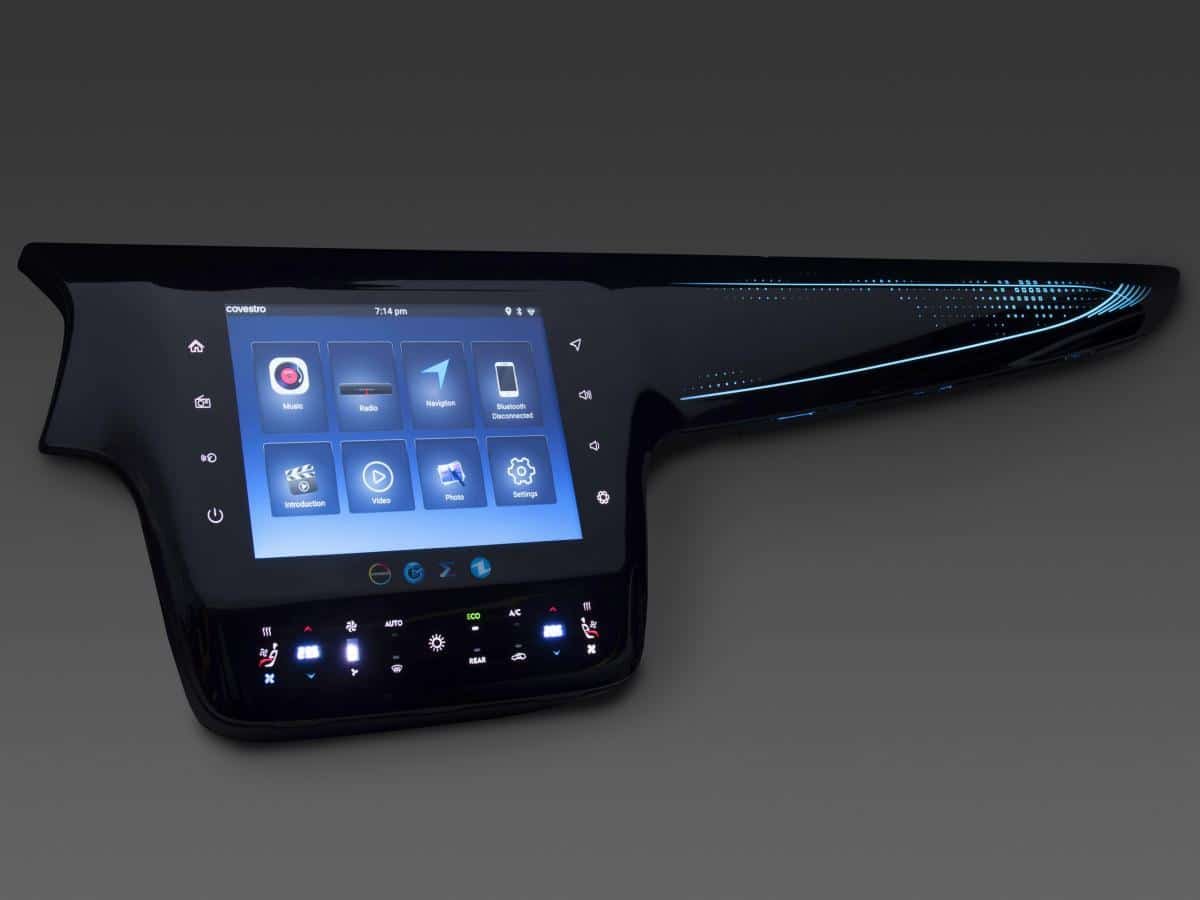
Many vehicle lighting components, including headlamp lenses, light guides, and interior display covers, are molded from optical or UV-stabilized PC grades. These parts must maintain clarity and appearance while facing temperature changes, vibration, and long-term environmental exposure.
Electronics and Consumer Devices
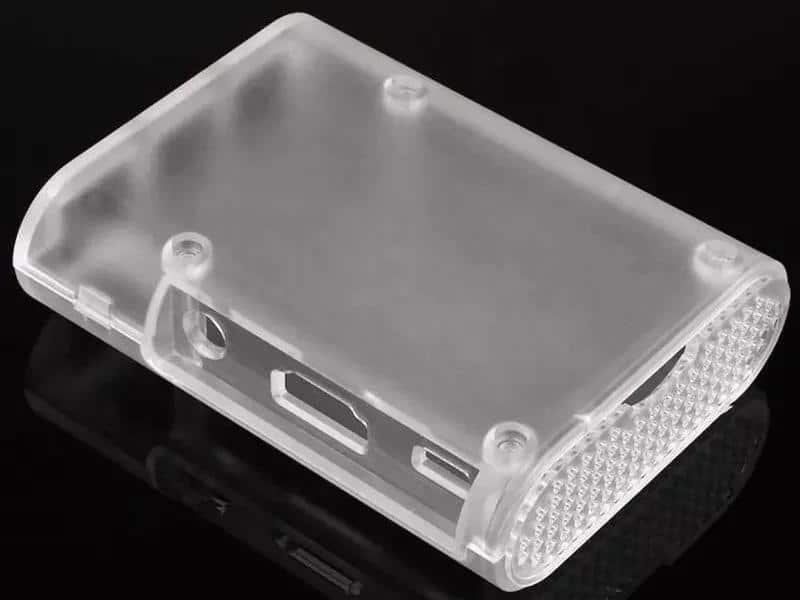
Many electronic products use PC injection molding for battery covers, device housings, connector components, and transparent panels. The material supports sleek designs with thin walls, complex details, and high-quality surfaces while providing the durability needed for repeated handling.
Industrial Equipment and Safety Components
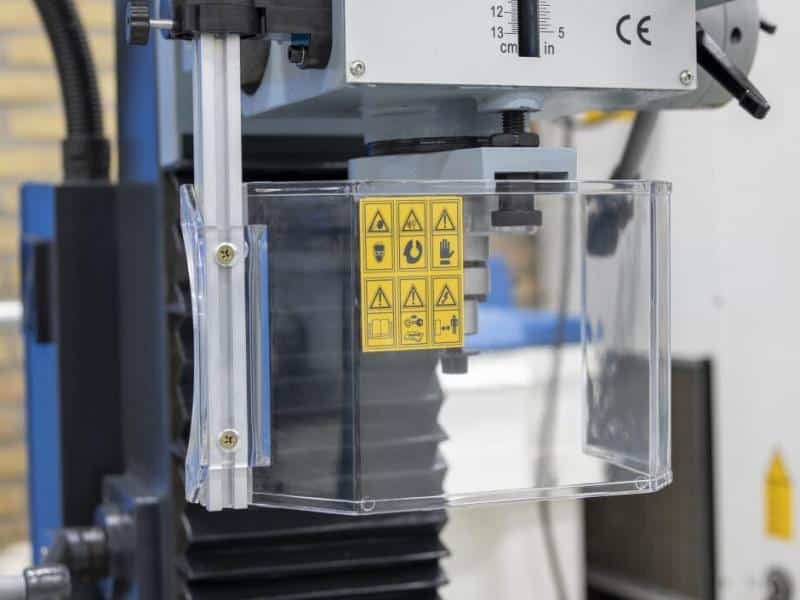
Machine guards, inspection windows, and protective barriers often use PC because operators need visibility without sacrificing impact protection. In these applications, the material acts not only as a structural component but also as a safety interface between people and machinery.
Optical and Lighting Components
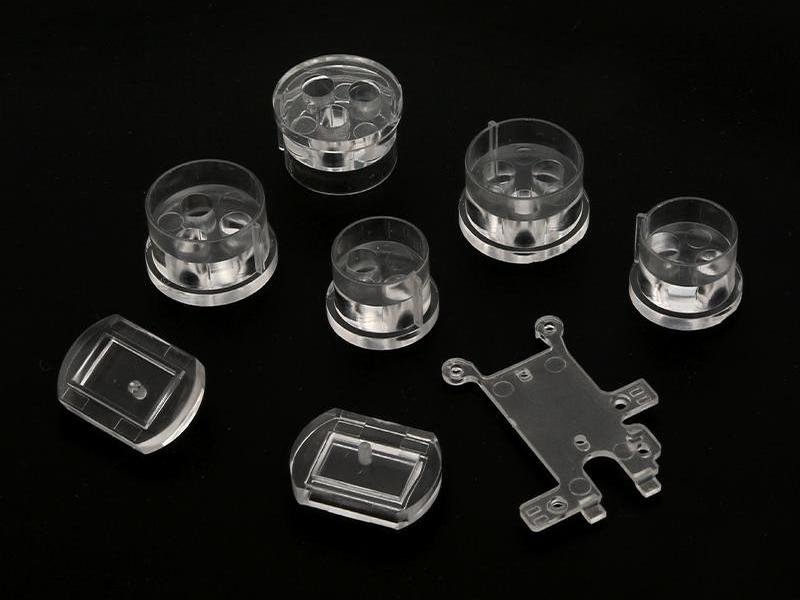
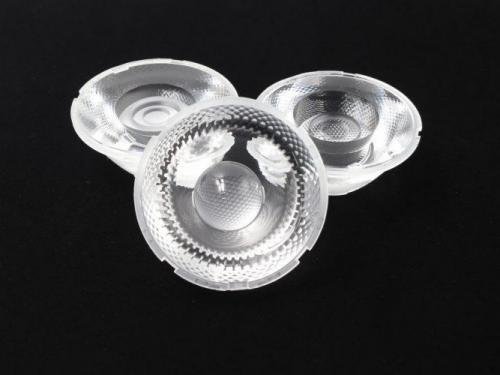
Light guides, LED covers, diffusers, and optical lenses are common examples of transparent plastic injection molding applications, where material clarity and molded surface quality directly affect performance. Unlike ordinary transparent plastics, optical PC grades are designed for applications where small changes in clarity or distortion can affect performance.
Conclusion
If you have read this far, you should now have a clearer understanding of polycarbonate’s core characteristics, the grades available for injection molding, and the design and processing factors that influence final part performance.
At Zhongde, we help customers turn polycarbonate designs into practical custom plastic parts through our injection molding service. Whether you need transparent housings, durable enclosures, or precision-molded components, we provide flexible solutions for prototypes and production volumes.