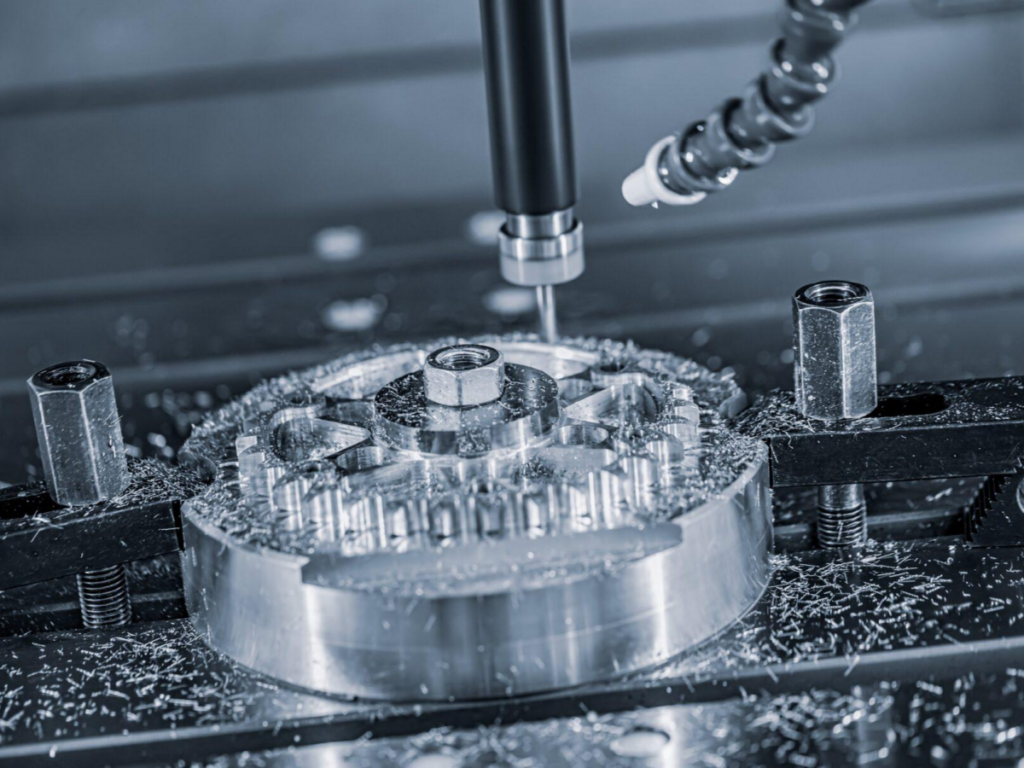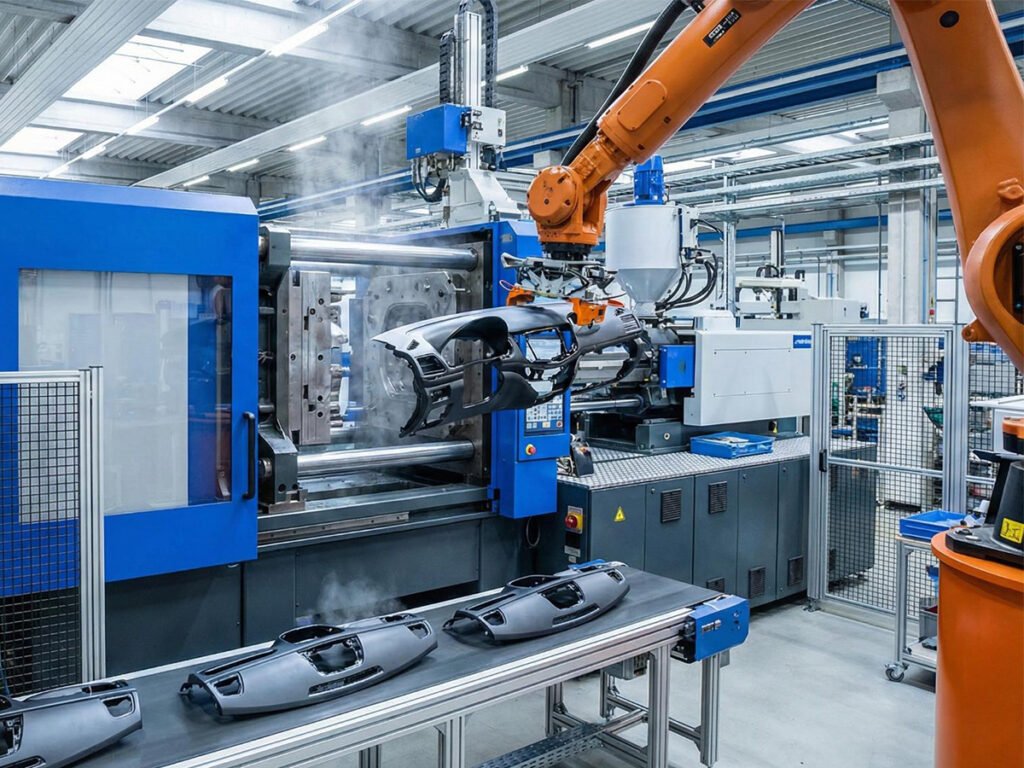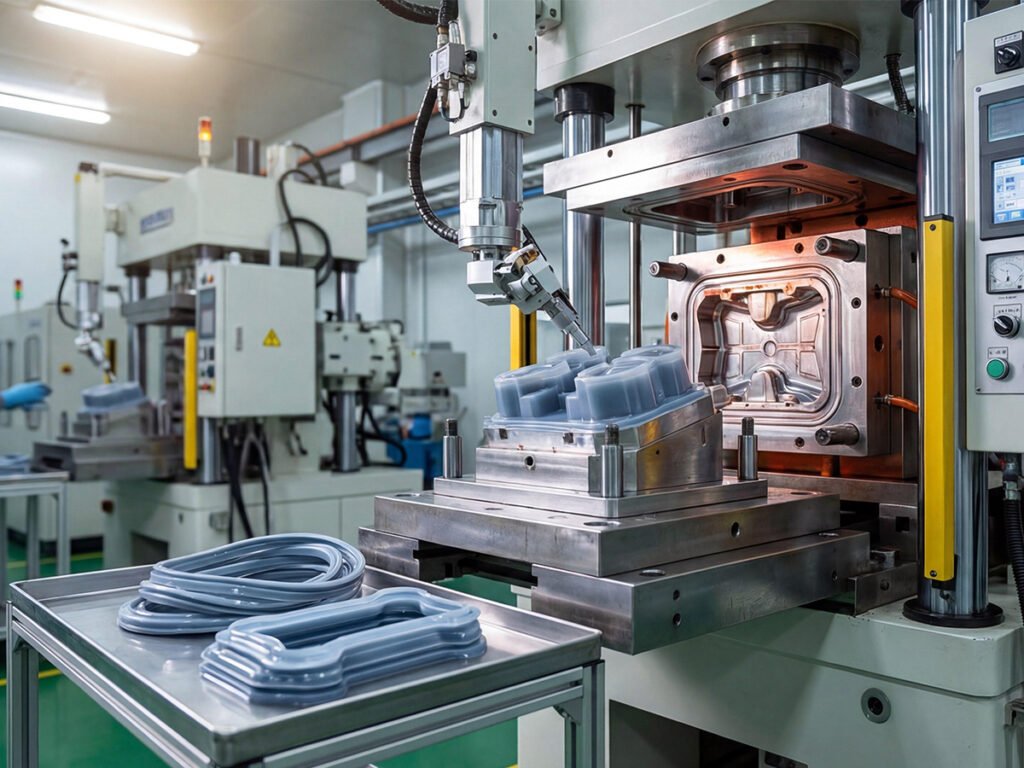
Compression molding is one of the oldest methods for shaping silicone rubber, yet it remains widely used. Thick-walled parts, low-volume runs, and lower tooling costs often make it a better choice than injection or transfer molding. This article explains how the process works and where it is the right fit.
What is silicone?
Silicone is a synthetic elastomer with a silicon-oxygen backbone, giving it excellent temperature stability, UV and ozone resistance, and long-term durability.
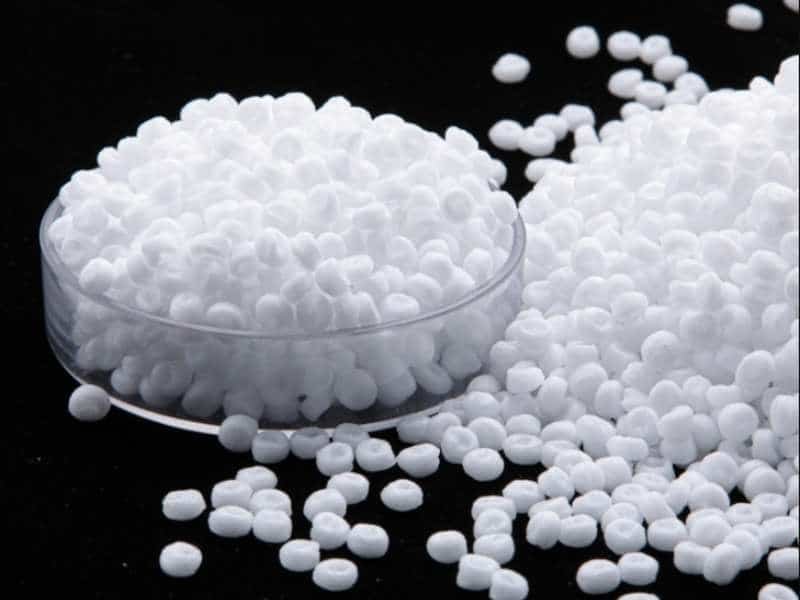
Why Use Silicone for Compression Molding?
Compression molding uses heat and pressure to cure a preformed material charge inside a mold cavity. Silicone is well suited for this process because its high viscosity helps it maintain shape before curing, while its controlled cure behavior allows consistent results.
Types of Silicone Used for Compression Molding
Most compression-molded silicone parts use high consistency rubber (HCR), also known as high temperature vulcanized (HTV) silicone. Unlike liquid silicone rubber (LSR), which is commonly used in injection molding, HCR is a solid material that can be preformed before molding. Learn more about materials used for compression molding and how different formulations affect part performance.
Common HCR formulations include:
- General-purpose silicone — for seals, gaskets, and standard parts
- Medical or food-grade silicone — for applications requiring biocompatibility or FDA compliance
- High-tear-strength silicone — for repeated flexing and mechanical stress
- Low compression-set silicone — for long-term sealing performance
- Flame-retardant silicone — for electrical and aerospace applications
The Process of Silicone Compression Molding
Silicone compression molding follows the same basic principles as other compression molding processes, but its curing behavior requires different handling compared with thermoplastics. For a general overview of the process, see our guide to compression molding.
Preforming the Charge
HCR silicone is first measured and prepared into a slug or preform that matches the mold cavity volume. Because HCR is a solid, gum-like material at room temperature, it can be shaped and handled before molding without flowing out of position.
Loading the Mold
The preform is placed directly into the heated mold cavity. Accurate placement is important because silicone does not flow freely like LSR; the material must be positioned correctly to achieve even cavity filling and minimize waste.
Closing and Applying Pressure
As the mold closes, pressure forces the silicone compound to spread throughout the cavity. Silicone’s high viscosity requires controlled pressure application, especially for thick sections or complex geometries where trapped air and incomplete filling can occur.
Curing (vulcanization)
Unlike plastic injection molding, where cooling solidifies the material, silicone compression molding relies on vulcanization. Heat activates cross-linking within the silicone compound, creating its final elastic properties. Cure time depends on material grade, part thickness, and mold temperature.
Demolding and Post-Curing
After curing, the molded part is removed and flash is trimmed. Some silicone formulations, especially medical-grade or low-compression-set materials, require post-curing to remove residual volatiles and improve stability.
Benefits of Silicone Compression Molding
The combination of HCR silicone properties and compression molding makes this process suitable for applications requiring durable parts, lower tooling investment, and efficient production.
Lower Tooling Costs
Compression molds are generally simpler and less expensive than injection or transfer molds because they do not require runner systems or injection gates. This makes the process a practical choice for low-to-mid volume silicone parts.
Suited to Thick and Complex Cross-Sections
Because silicone is placed directly into the cavity as a preform, compression molding can produce thick-walled or bulky parts without the flow limitations common in injection molding. This is especially useful for seals, gaskets, and other elastomeric components.
Minimal Material Waste
HCR silicone charges are prepared close to the required part volume, reducing excess material and trimming waste. This is particularly valuable when using specialty silicone grades, such as medical-grade or flame-retardant formulations.
Stable Performance Over Time
Compression molding applies even heat and pressure throughout curing, helping low compression-set silicone parts maintain their shape during long-term compression. This makes the process well suited for sealing applications exposed to repeated loading.
Challenges of Silicone Compression Molding
While silicone compression molding offers cost and material advantages, it also comes with several limitations:
- Longer cycle times than injection molding, especially for thick parts where heat needs more time to fully cure the material
- Flash formation at the parting line, requiring trimming or deflashing after molding
- More manual control during loading, as preform weight and placement can affect part consistency
- Limited design flexibility compared with injection or transfer molding when dealing with complex geometries or tighter tolerances
Applications of Silicone Compression Molding
The parts best suited to this process tend to share the same traits discussed earlier — thick sections, moderate volumes, and silicone formulations selected for specific performance requirements. These characteristics make compression-molded silicone parts common across industries where durability, stability, and long-term performance matter.
Automotive
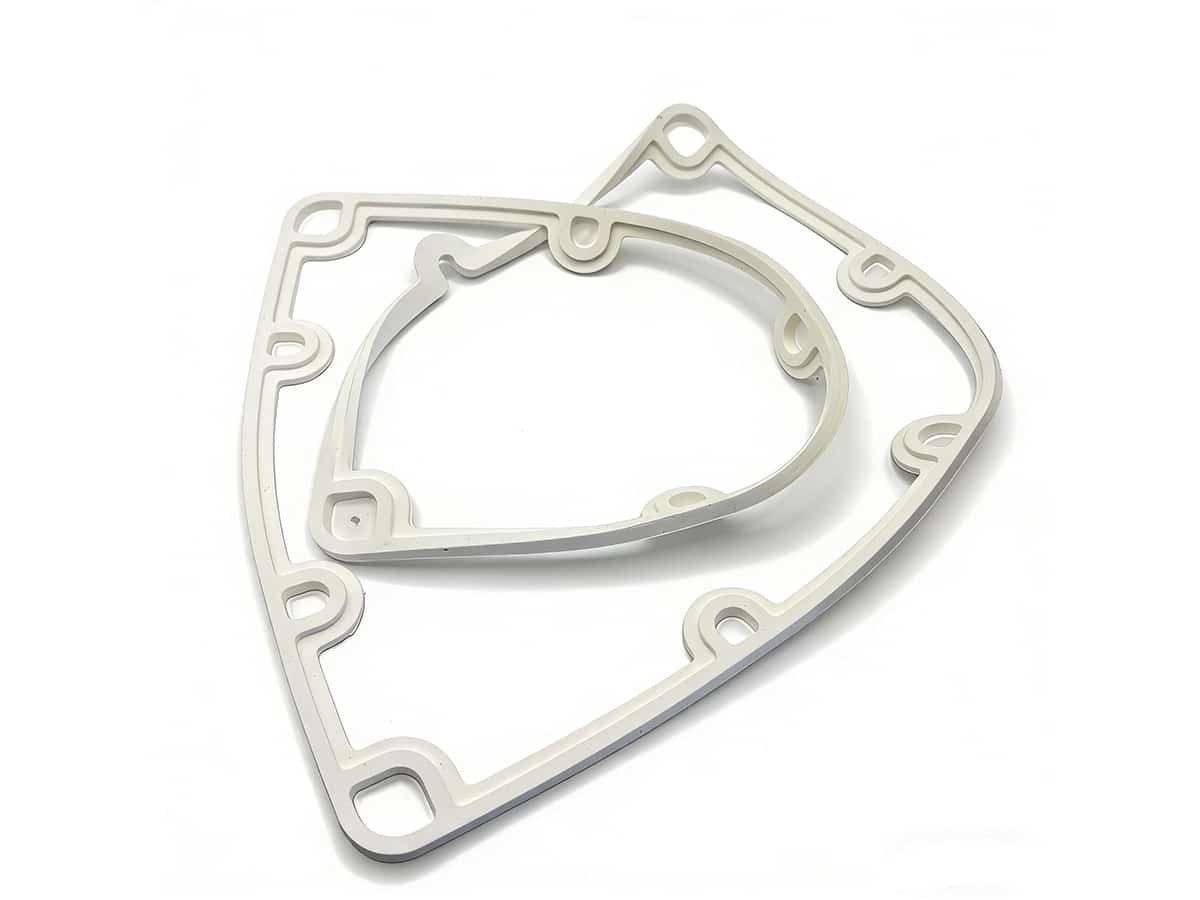
Thick-walled seals, gaskets, and vibration-damping components benefit from silicone’s heat resistance and the process’s ability to handle bulkier cross-sections. High-tear-strength and flame-retardant formulations are often used for under-hood applications exposed to continuous thermal cycling.
Medical Devices
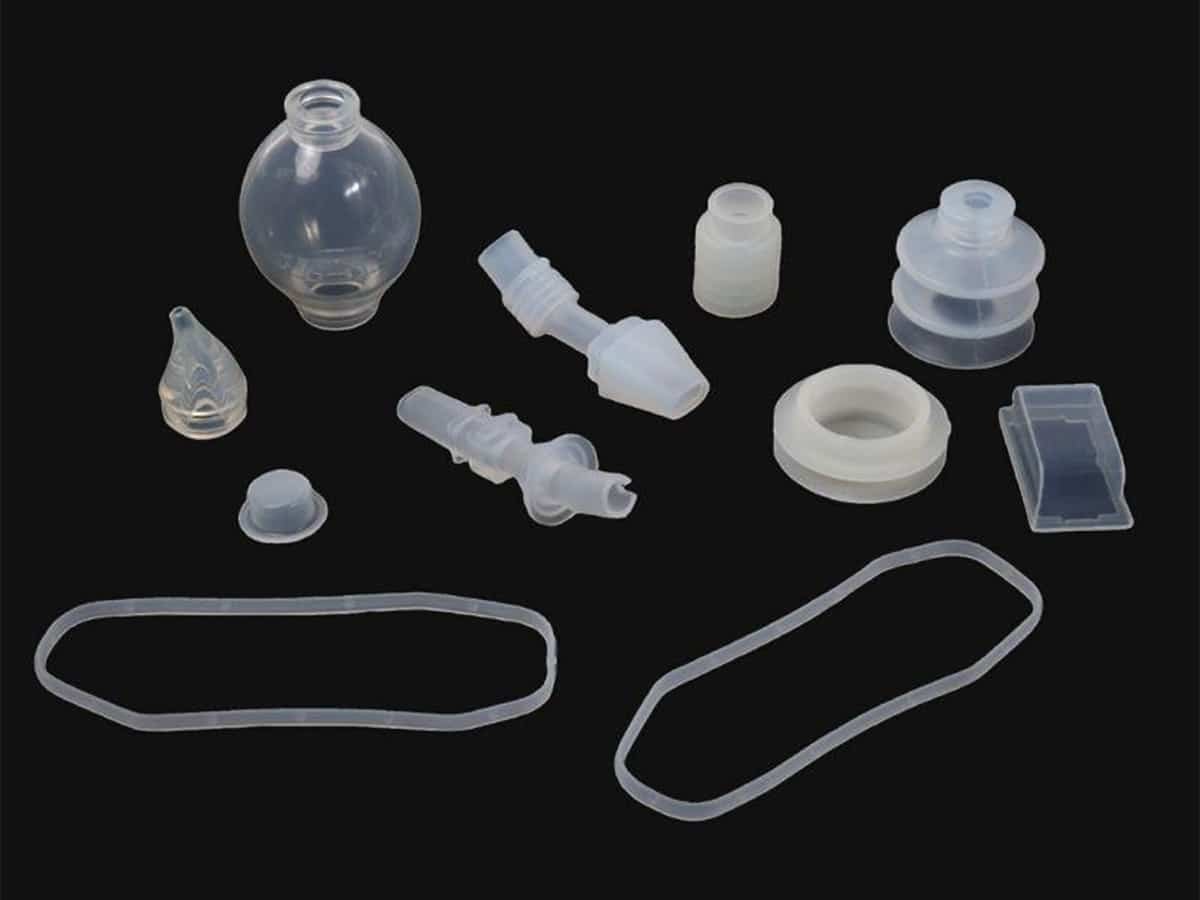
Medical-grade HCR silicone is widely used for seals, valves, and tubing components because of its biocompatibility and resistance to repeated sterilization cycles. These parts often require stable performance, low contamination risk, and reliable long-term use.
Food and Beverage
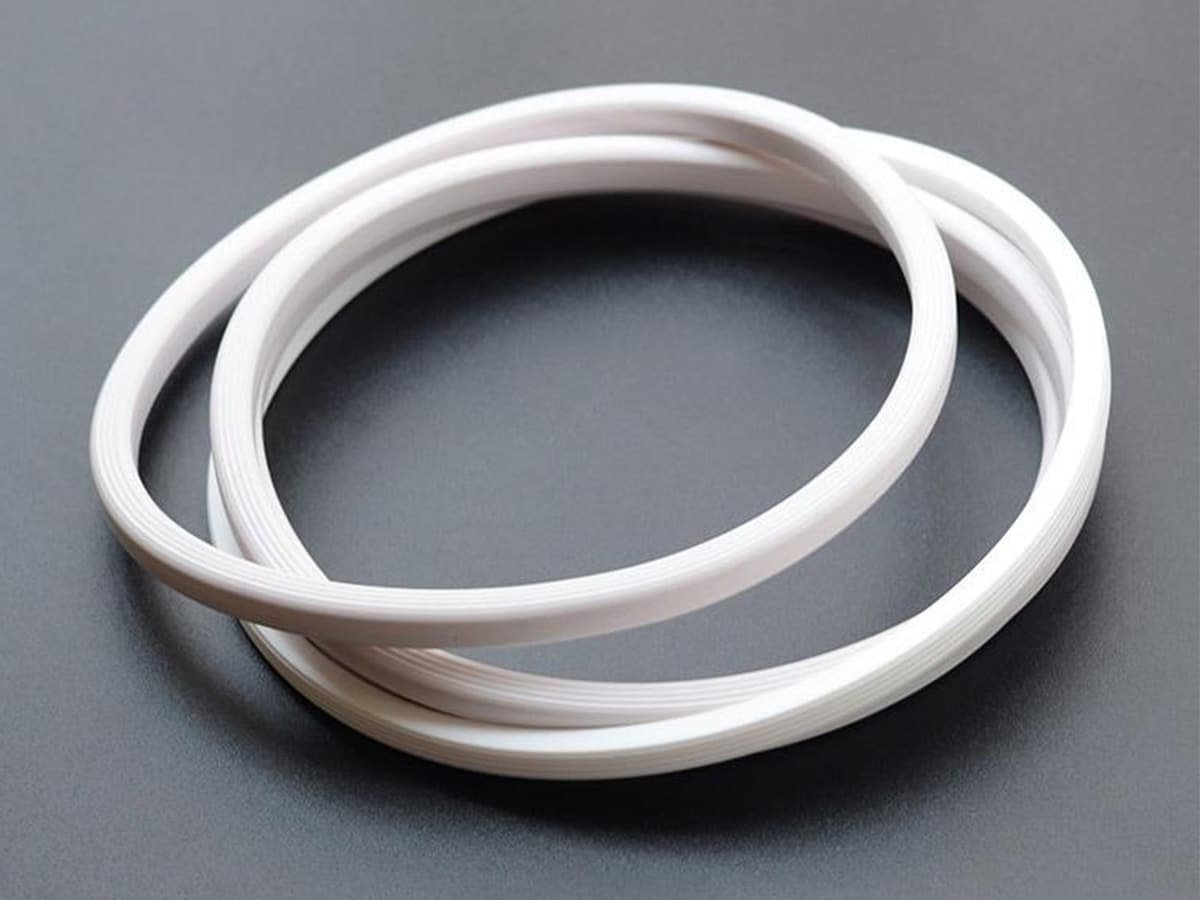
Food-grade silicone gaskets, seals, and molded components for processing equipment rely on many of the same properties required in medical applications, including temperature resistance, chemical stability, and tolerance to repeated cleaning and sanitization.
Electrical and Electronics
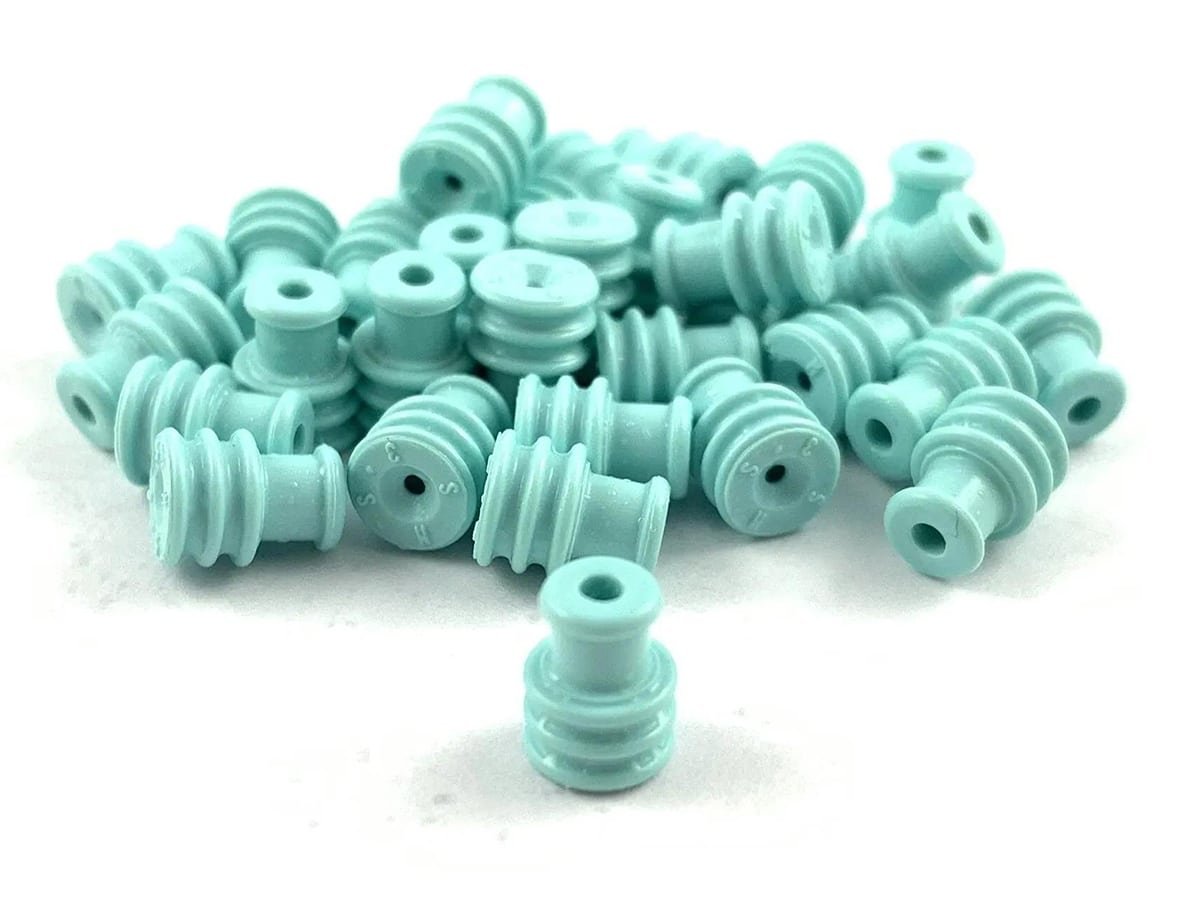
Insulators, grommets, and connector seals often use flame-retardant silicone formulations because of their dielectric properties and environmental resistance. Compression molding is particularly suitable for producing these durable components in low-to-mid volumes.
Aerospace
Aerospace seals and gaskets require silicone grades that can maintain performance across wide temperature ranges and demanding environments. Compression molding supports these applications by providing consistent curing for thick elastomer components.
Conclusion
Silicone compression molding remains a practical choice for thick-walled parts, moderate production runs, and applications requiring stable performance across temperature, chemical, and industry-specific requirements.
At Zhongde, we help customers select suitable silicone formulations and optimize compression molding solutions for applications ranging from automotive seals to medical-grade components. Explore our compression molding service to discuss your material and production needs.