As devices and products become smaller and more complex, engineers face the challenge of producing tiny components that are both precise and functional. Micro injection molding has emerged as a solution, allowing manufacturers to meet tight tolerances and intricate design requirements at scales that demand extreme accuracy.
If you are not yet familiar with injection molding itself, you can learn more in our article on injection molding basics.
What Is Micro Injection Molding
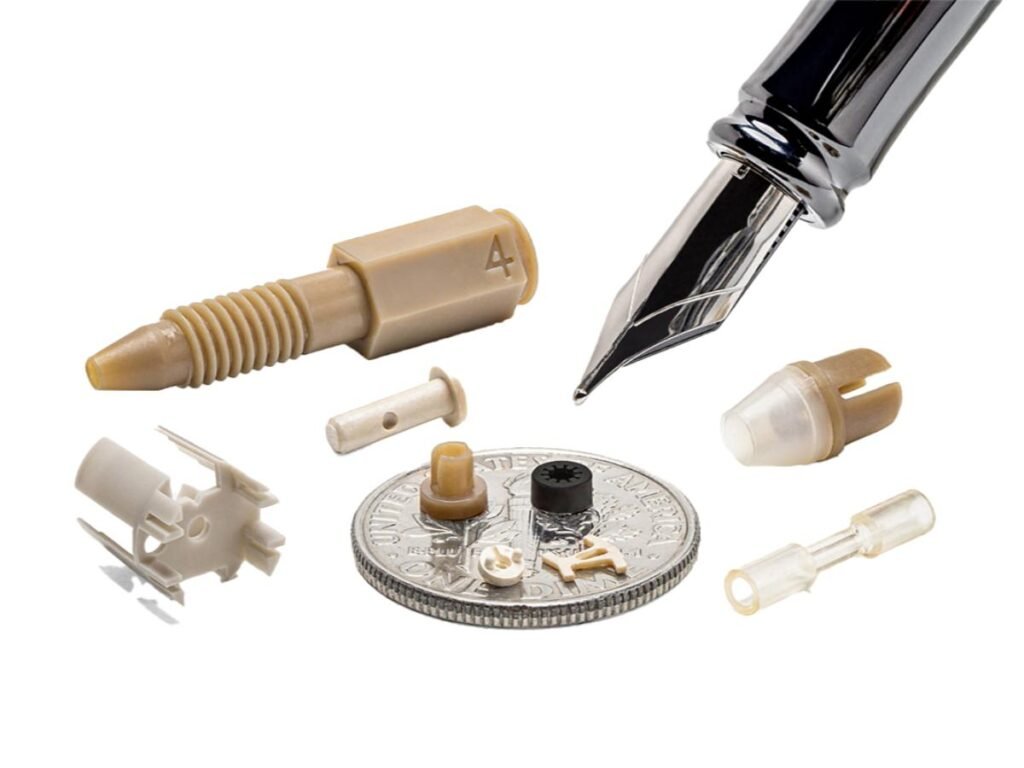
Micro injection molding is a highly specialized manufacturing technique for producing extremely small, precise, and complex parts—often just a few millimeters or even fractions of a millimeter in size. Imagine trying to mold a tiny gear smaller than a fingernail, with every tooth perfectly shaped and consistent. That is the kind of precision micro injection molding delivers.
This process is not simply a “miniature version” of standard injection molding. It requires ultra-precise molds, specialized machines, and carefully controlled injection conditions. Even tiny variations in pressure, temperature, or cooling can make a microscopic component unusable.
Think of it like painting a detailed portrait with a brush the size of a needle—one small slip, and the fine details are lost. Micro injection molding enables industries like medical devices, electronics, and micro-mechanical assemblies to create parts that are lighter, more compact, and often impossible to make with traditional methods.
Why Micro Injection Molding Matters
Small injection molding matters because it makes the invisible visible and the impossible possible. It allows designers to sculpt parts so small and detailed that they almost seem to defy what plastic can do. Imagine a component thinner than a human hair yet fully functional, or a network of micro-channels inside a device that guides fluids with pinpoint accuracy.
In essence, micro injection molding shrinks the impossible down to a part you can hold in your hand, opening doors to innovations that feel like magic but are entirely real and reproducible.
Principles Behind Micro Molding
“Micro” can refer to parts that are only a few millimeters long, or to tiny features within a larger part—like micro-channels, thin walls, or minuscule gears.
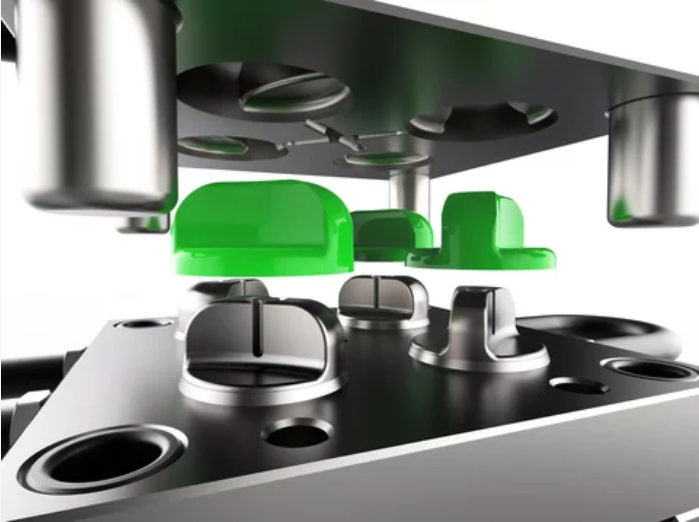
To achieve these fine structures, micro molding combines several advanced methods: high-precision injection systems ensure the molten plastic fills tiny cavities evenly; precision mold temperature control maintains consistent cooling to prevent warping in thin walls or micro-features; micro-screws and precise metering regulate melt volume and flow rate for repeatable results; and mold flow analysis predicts how the melt moves through micro-cavities, guiding gate placement, venting, and wall thickness design.
Micro molding often combines high-performance machines capable of rapid, precise injection with micro-scale tooling and sometimes multi-shot or insert molding techniques. These technologies ensure even the tiniest features—whether a 0.2 mm wall, a micro-thread, or a narrow channel—can be reliably formed.
The Difference Between Micro Molding and Traditional Injection Molding
While traditional injection molding often focuses on volume and cost efficiency, micro molding turns precision into its primary advantage. It allows engineers to design parts that are lighter, more compact, and capable of performing functions impossible in larger formats—for example, microfluidic devices, miniature sensors, or tiny connectors for electronics.
In short, the key difference isn’t just equipment or process control—it’s what you can make. Micro injection molding opens up possibilities in product design and functionality that standard molding simply cannot achieve, making it the preferred choice for industries where size, performance, and detail are critical.
Micro Molding Materials
When it comes to micro injection molding, material choice is key, because even tiny differences in flow, shrinkage, or stiffness can affect microscopic features. Micro molded parts can be made from a variety of materials, each bringing its own advantages:
Plastics
Plastics are the most common choice for micro molded parts. Materials like ABS, polycarbonate, and nylon allow for smooth surfaces, fine details, and consistent replication. They’re ideal for tiny housings, connectors, and mechanical components where lightweight, durability, and dimensional stability are essential.
Polymers and Specialty Resins
Advanced polymers, such as POM, PEEK, and liquid crystal polymers (LCPs), are used when heat resistance, chemical stability, or mechanical performance is critical. These materials can hold micron-level features without warping or deformation, making them perfect for medical devices, microfluidic channels, or electronics that require high precision.
Metals
Micro molding with metals—often referred to as metal injection molding (MIM)—allows production of tiny, load-bearing, or conductive components. Materials like stainless steel, titanium, or copper alloys can be molded at micro scale for functional mechanical parts, springs, or micro-connectors that must withstand wear, stress, or high temperatures.
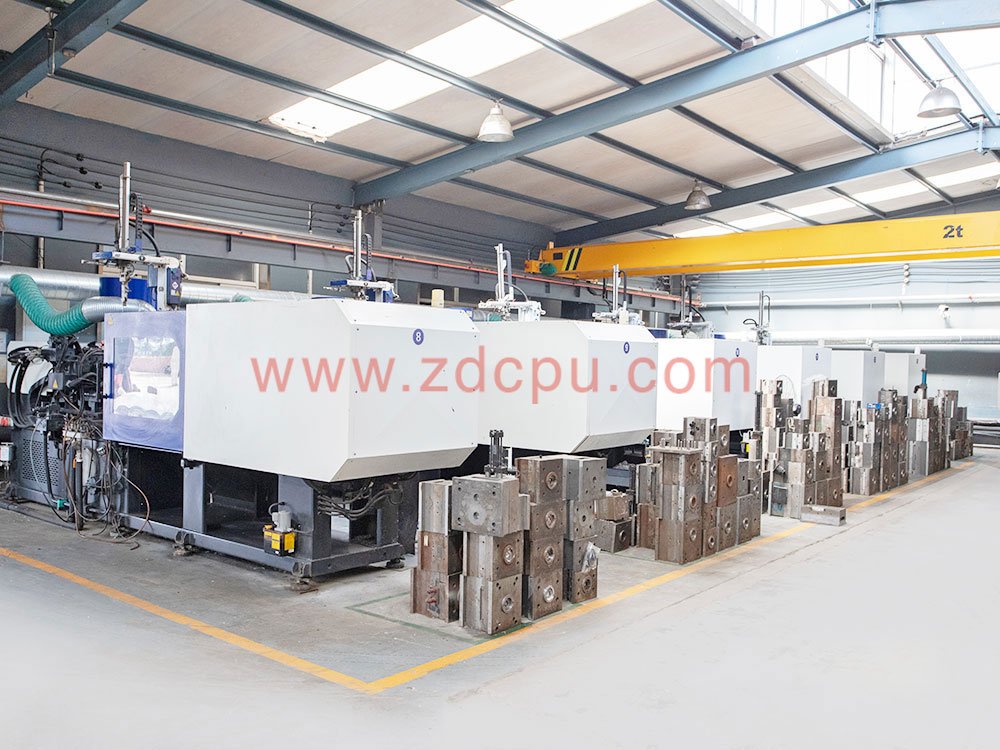
Injection Molding Service
Challenges of Micro Injection Molding
Small injection molding is fascinating, but it’s far from easy. Producing parts at such a small scale introduces challenges that wouldn’t exist in standard molding. Understanding them helps explain why precision, consistency, and design choices are so critical.
Tiny Features, Big Sensitivity
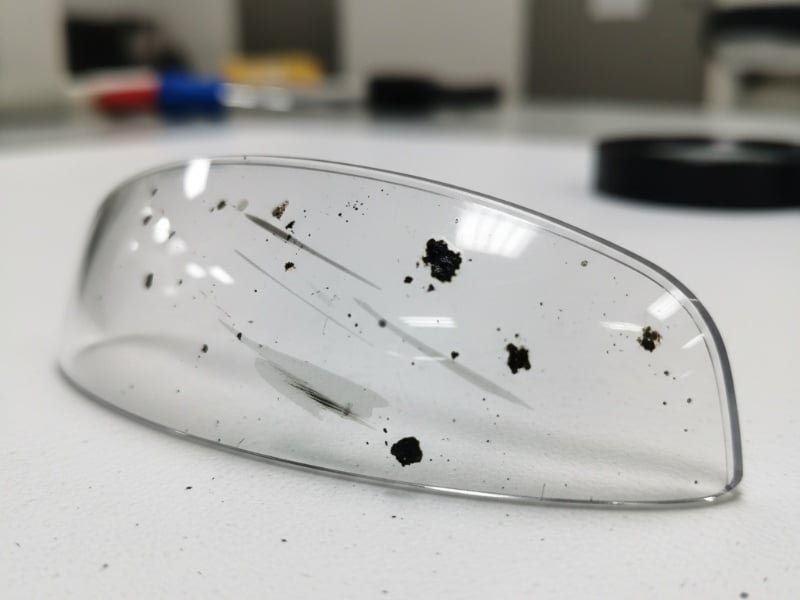
At micro scales, even minor variations in temperature, pressure, or flow can ruin a part. A micro-hole can clog, a thin wall can warp, or a tiny gear tooth can be incomplete. This sensitivity means that every part of the process—from mold design to injection speed—must be carefully controlled.
Tooling and Mold Precision
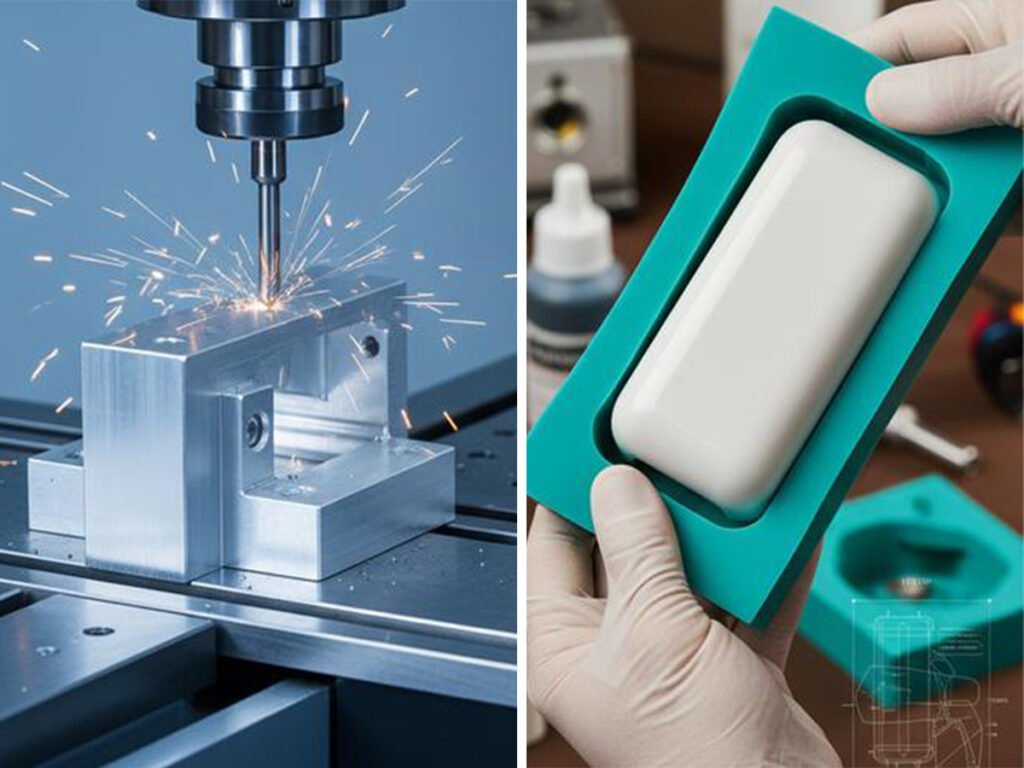
Creating micro molds is much harder than making standard molds. Cavities, gates, and vents must be crafted to micron-level tolerances, often requiring advanced polishing and specialized machining. Small imperfections that wouldn’t matter in a regular mold can completely compromise a micro part.
Material Behavior at Small Scales
Materials can act differently when forming micro features. For example, a polymer that flows easily in standard molds may struggle to fill ultra-thin walls or delicate channels. Selecting the right material, and understanding how it behaves at micro scale, is crucial for success.
Quality Control and Repeatability
Because micro parts are tiny, detecting defects can be tricky, and even small inconsistencies matter. Manufacturers often rely on advanced inspection tools, like microscopes or optical scanners, to ensure every feature is correct and every part is consistent.
Applications of Micro Injection Moulding
Mini molding isn’t just about making small parts—it’s about unlocking possibilities that feel almost impossible. Tiny components crafted with extreme precision are quietly powering innovations across industries, often in ways most people never notice.
Medical Devices
Micro-molded components can feature walls as thin as 0.1–0.2 mm and channels only a few hundred microns wide, enabling microfluidic devices, micro-needles, and implantable sensors. These parts maintain tight dimensional tolerances and consistent flow paths, essential for reliable drug delivery or minimally invasive procedures.
Electronics: High-Density Integration
Modern electronics require densely packed micro-components, such as connectors, sensor housings, or mechanical interlocks. Micro molding enables tight tolerances and precise feature alignment, allowing multiple functions to coexist in a confined space without interference.
Automotive and Aerospace
Even in cars and aircraft, micro-molded parts are quietly at work. Micro valves, ultra-compact sensors, and precision fuel injectors help vehicles operate more efficiently, safely, and reliably, all while taking up a fraction of the space traditional components would require.
Consumer Micro-Mechanical Products
From miniature optical components to precision micro-switches, micro injection molding enables complex 3D geometries with high feature density. For example, parts with integrated ribs, threads, or hinges as small as a few hundred microns can be manufactured consistently, supporting high-performance consumer devices.
Conclusion
Thanks for reading all the way through—now you have a clear sense of what mini molding can achieve. This technology makes it possible to produce tiny, precise parts with complex features that perform reliably in medical devices, electronics, automotive systems, and precision instruments.
If your projects require high-precision, micro-scale components, Zhongde can help bring your designs to life. With experience in micro molding and a full range of capabilities, we ensure your parts are produced accurately, consistently, and efficiently, turning challenging ideas into real, functional components.
Start A New Project Right Now!