The Effects of Metal Corrosion
Corrosion affects not only the appearance of metal parts but also their mechanical performance and long-term reliability.
- Reduced mechanical strength: Material loss and localized damage can weaken metal components and reduce their load-bearing capacity.
- Shortened service life: Continuous corrosion accelerates component deterioration and increases replacement frequency.
- Equipment failure: Corrosion can cause leaks, cracks, and structural failures in pipes, tanks, machinery, and other metal structures.
- Higher maintenance costs: Inspection, repairs, protective coatings, and component replacement increase operating expenses.
- Product contamination: Corrosion products can contaminate fluids, chemicals, or food in contact with metal equipment.
- Safety risks: Corrosion-related failures can lead to chemical leaks, equipment breakdowns, and industrial accidents.
Types of Corrosion Resistant Alloys
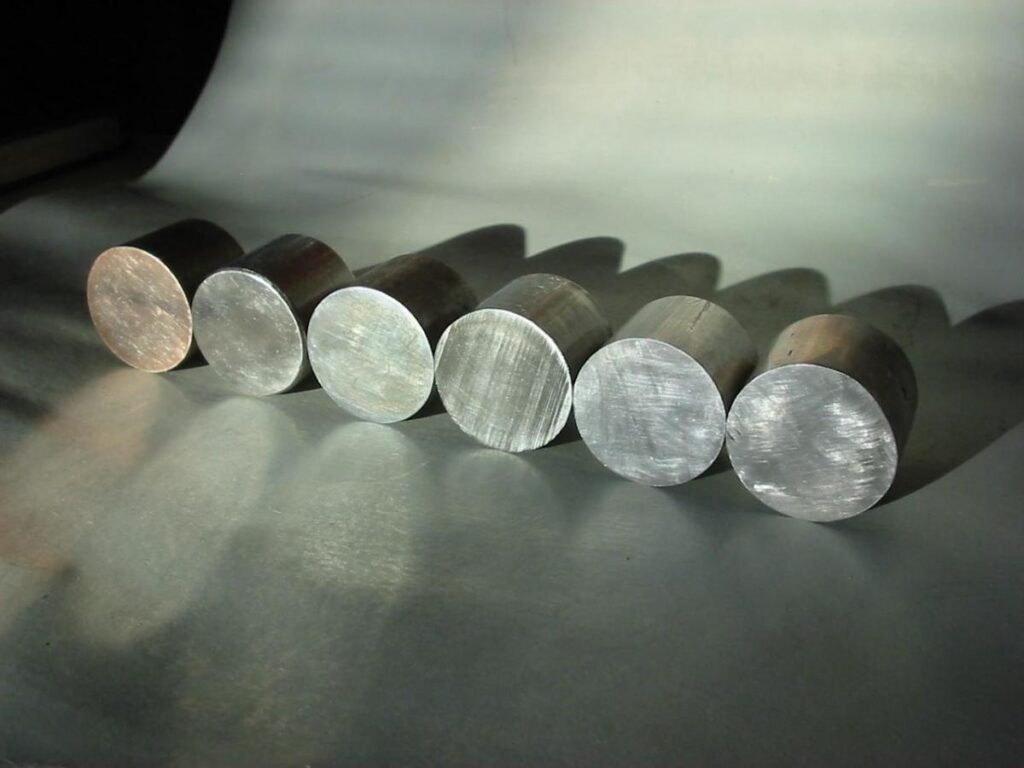
Corrosion resistant alloys include several metal families, each offering distinct properties for specific industrial environments and applications.
Understanding the properties of common metal materials helps explain why certain alloys are preferred for corrosive environments while others require additional protection.
Stainless Steel
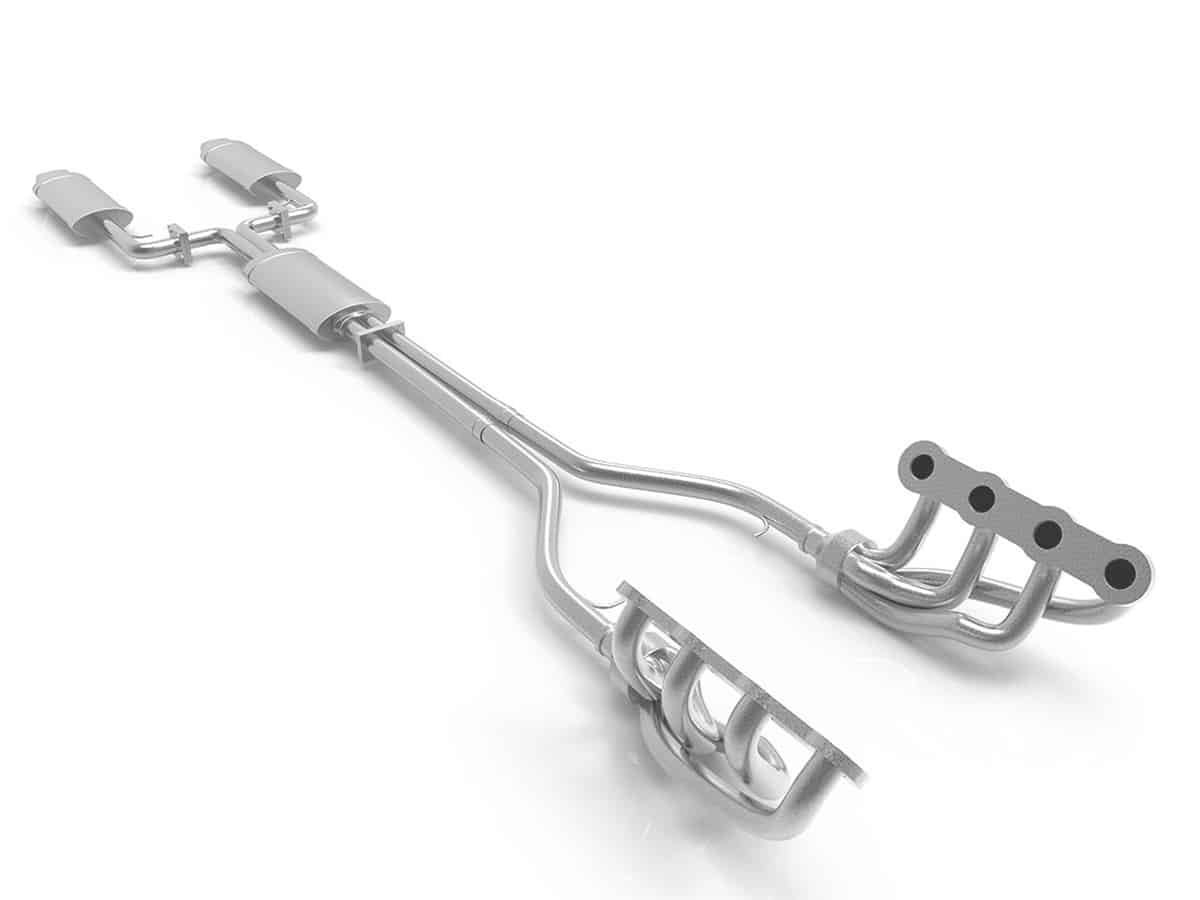
Stainless steel contains at least 10.5% chromium, which helps form a protective passive film. Grades such as 304 and 316 are widely used in food processing, chemical equipment, marine components, and industrial machinery. For a broader comparison of steel grades, compositions, and applications, see our guide to the types of steel.
Nickel Alloys
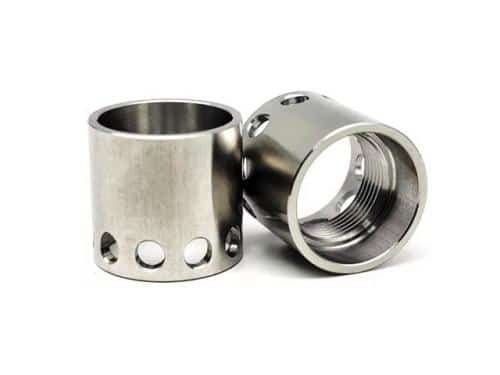
Nickel-based alloys provide corrosion resistance in many aggressive chemical environments, including certain acidic and high-temperature conditions. Common examples include Inconel 625, Hastelloy C-276, and Monel 400, each suited to different service conditions.
Titanium Alloys
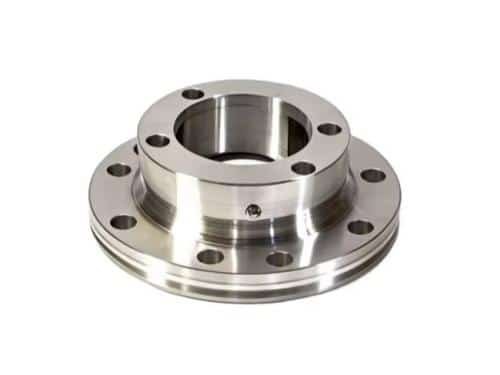
Titanium alloys offer a high strength-to-weight ratio and excellent resistance to seawater and many oxidizing environments. Commercially pure titanium and Ti-6Al-4V are used in marine equipment, chemical processing, aerospace components, and medical applications.
Copper-Nickel Alloys
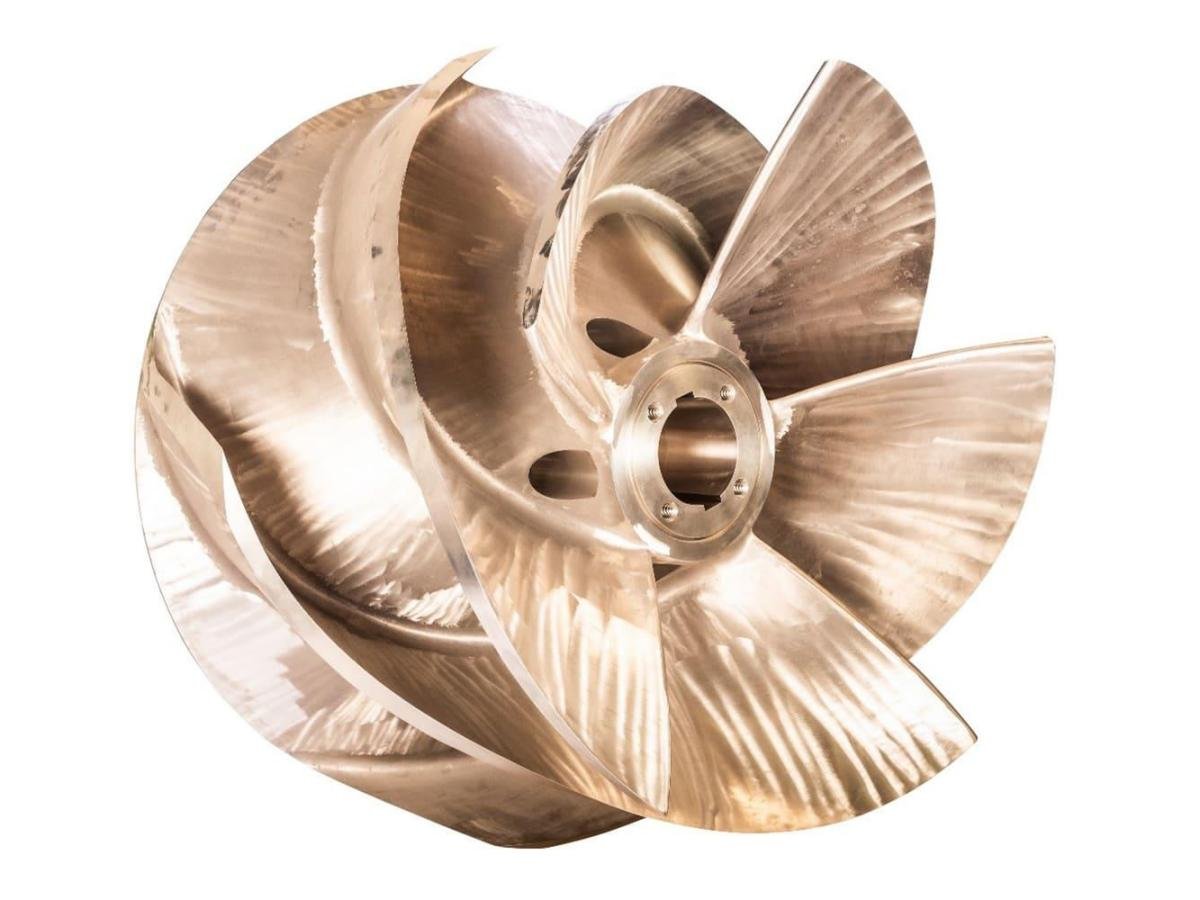
Copper-nickel alloys, such as 90/10 and 70/30 grades, resist seawater corrosion and biofouling under suitable conditions. They are commonly used in marine piping, heat exchangers, condensers, and desalination systems.
Cobalt-Based Alloys
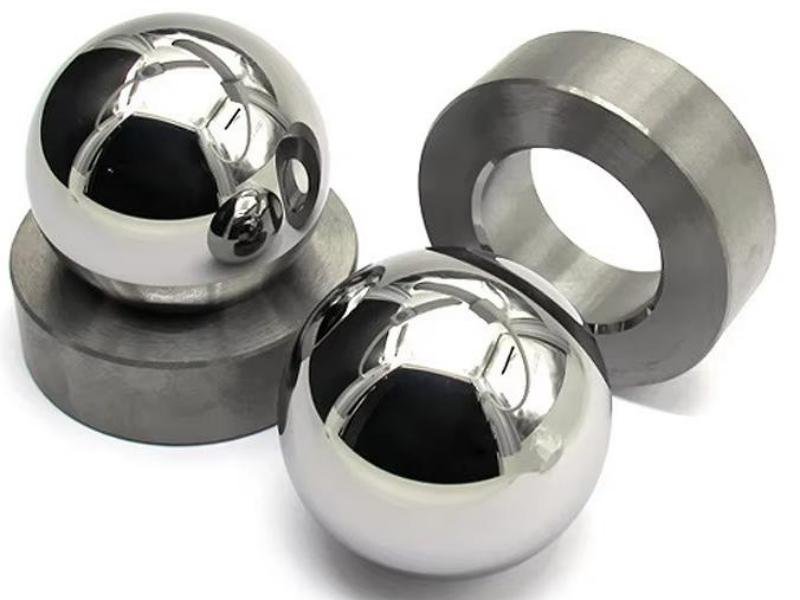
Cobalt-based alloys, including Stellite grades, offer strong wear resistance and can provide corrosion resistance in demanding operating environments. They are used in valve components, pump parts, and other equipment exposed to combined wear, heat, and corrosive media.
How to Choose the Right Corrosion Resistant Alloy
Choosing the right alloy means finding a suitable balance between corrosion protection, structural performance, processing requirements, and long-term cost.
Identify the Corrosive Environment
Determine which substances the component will encounter, including acids, alkalis, chlorides, seawater, or industrial chemicals. Their concentrations, exposure duration, and chemical conditions affect alloy compatibility and corrosion rates.
Consider Operating Temperature
Temperature affects corrosion rates and material stability. Some alloys perform well at elevated temperatures, while others may experience accelerated corrosion, oxidation, or reduced mechanical strength under high-temperature conditions.
Evaluate Mechanical Requirements
Consider tensile strength, hardness, fatigue resistance, impact resistance, and pressure loads. The selected alloy must withstand mechanical stresses while maintaining adequate corrosion resistance throughout its service life.
Assess the Type of Corrosion
Identify potential corrosion mechanisms, such as pitting, crevice corrosion, galvanic corrosion, stress corrosion cracking, and uniform corrosion. Different alloys offer varying levels of resistance to each mechanism, so general corrosion ratings alone may be insufficient.
Check Fabrication and Machining Requirements
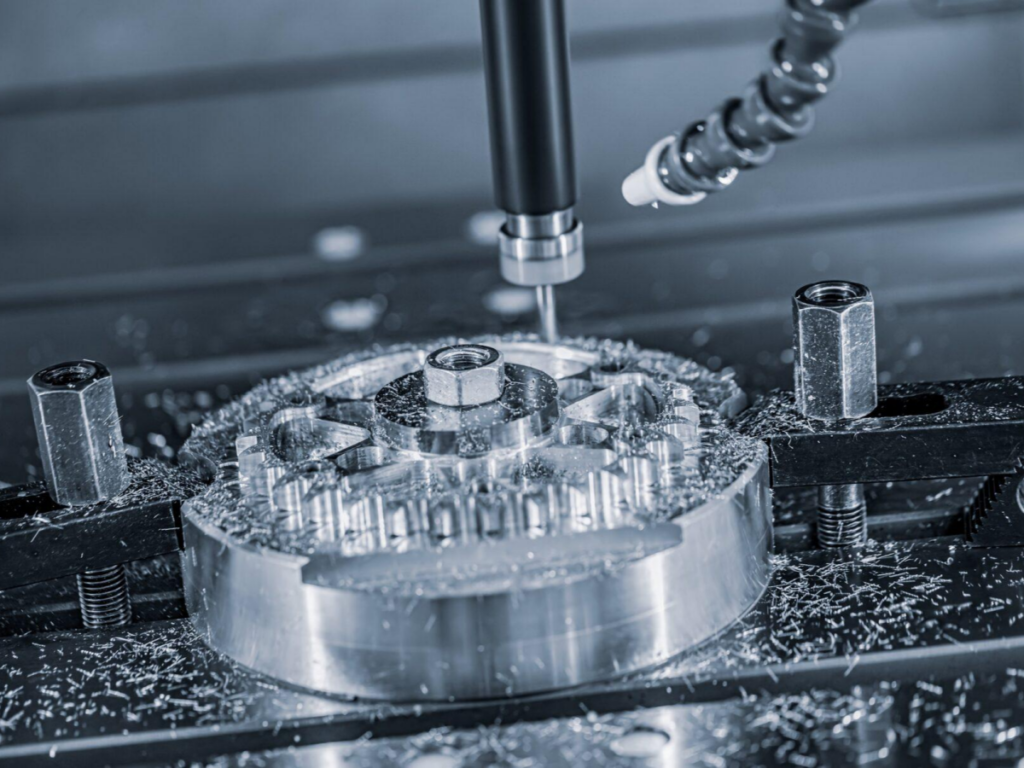
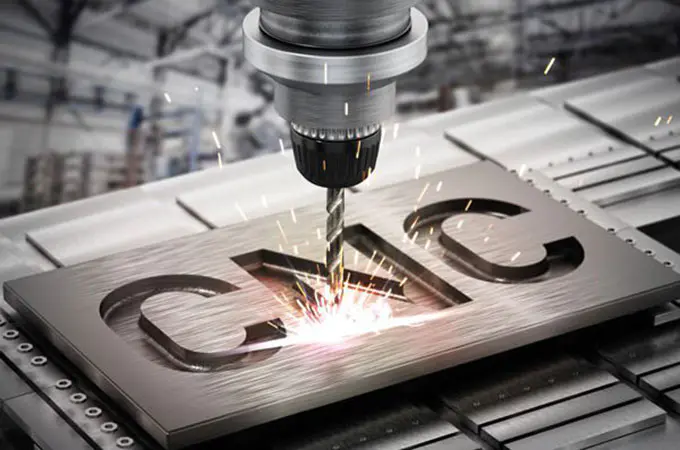
Consider how the alloy will be formed, welded, or CNC machined. Some corrosion resistant alloys require specialized tooling, slower machining speeds, or additional heat treatment, which can affect production time and part cost.
Applications of Corrosion Resistant Alloys
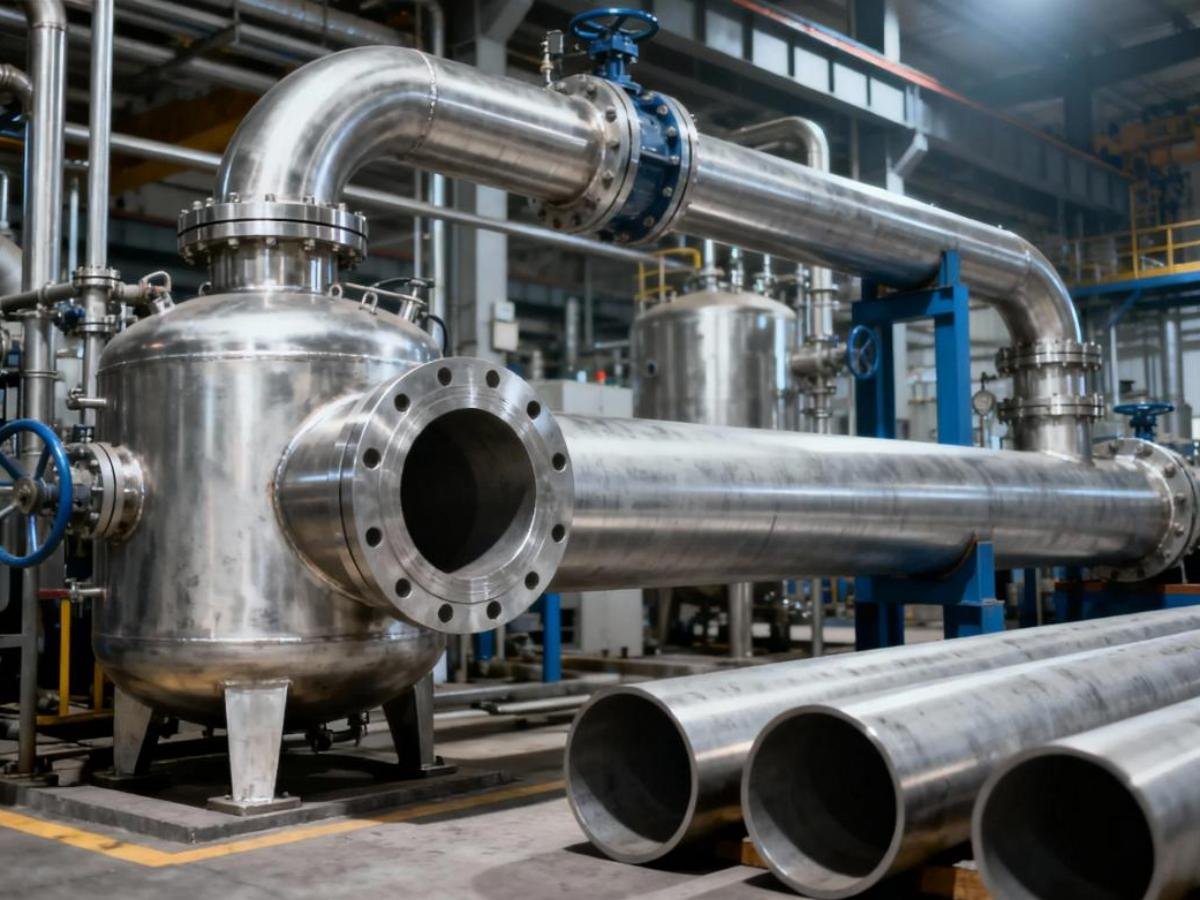
Corrosion resistant alloys are widely used in industries where metal components face moisture, chemicals, saltwater, or elevated temperatures.
- Marine Engineering: Ship hull components, seawater piping, offshore platforms, and desalination equipment.
- Chemical Processing: Storage tanks, pressure vessels, heat exchangers, and chemical transfer piping.
- Oil and Gas: Subsea equipment, valves, pumps, pipelines, and downhole components exposed to corrosive fluids.
- Food and Beverage Processing: Processing tanks, mixing equipment, conveyors, and sanitary piping that require corrosion resistance and cleanable surfaces.
- Power Generation: Turbine components, condensers, boiler systems, and equipment exposed to high temperatures or corrosive fluids.
- Automotive: Exhaust system components, fuel system parts, fasteners, and other metal components exposed to moisture, road salts, or chemicals.
Conclusion
When selecting a corrosion resistant alloy for custom metal parts, consider not only its resistance to the operating environment but also its machinability and fabrication requirements. Zhongde CNC machining services can produce precision components from suitable corrosion resistant metals based on part drawings and dimensional specifications.