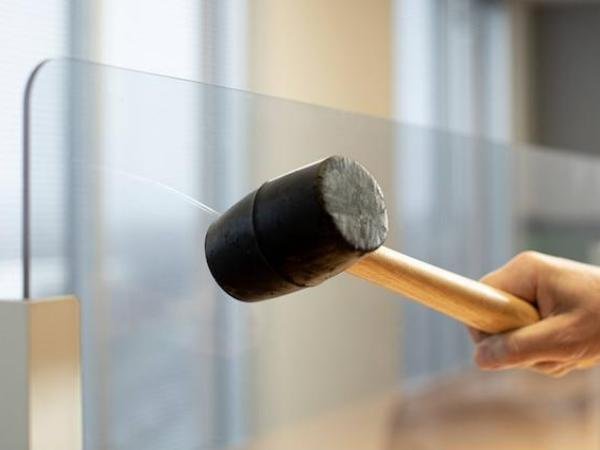
A plastic with high strength is not necessarily resistant to impact. Some materials can withstand substantial static loads but fracture when subjected to sudden force. This makes impact-specific performance an important part of material selection.
Why Can Some Plastics Withstand Impact?
The impact behavior of plastics is closely related to the movement of their polymer chains. When subjected to sudden loading, polymer chains can stretch, rotate, slide, and rearrange to absorb energy. Materials with sufficient molecular mobility can dissipate more impact energy through deformation rather than allowing cracks to propagate rapidly.
Polymer structure also influences how materials respond to mechanical loading. Read our guide to thermoset vs. thermoplastic plastics to understand the structural differences between these two polymer categories.
How Is Plastic Impact Resistance Tested?
Plastic impact resistance is commonly measured through standardized tests that evaluate how much energy a specimen absorbs before fracture or how it responds to sudden loading.
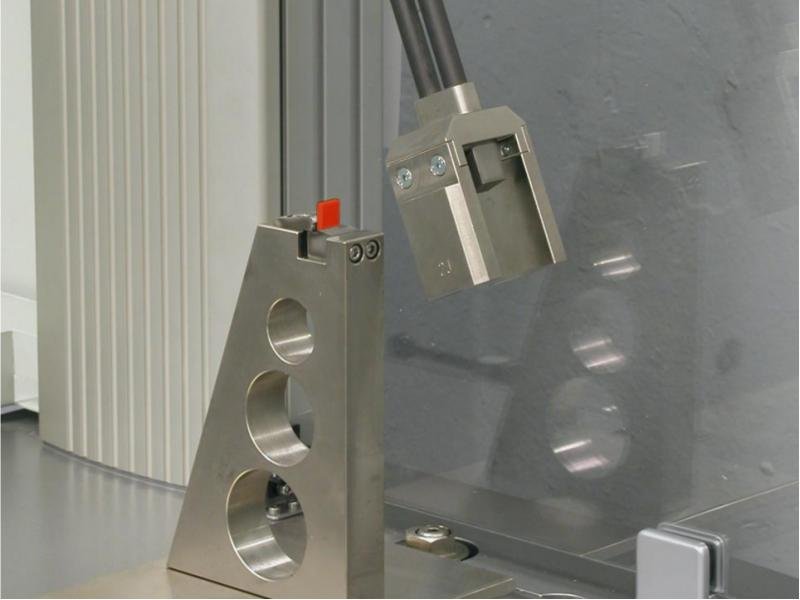
Izod Impact Test
A notched or unnotched specimen is clamped vertically and struck by a pendulum. The absorbed energy indicates the material’s resistance to impact fracture. Commonly used for thermoplastics.
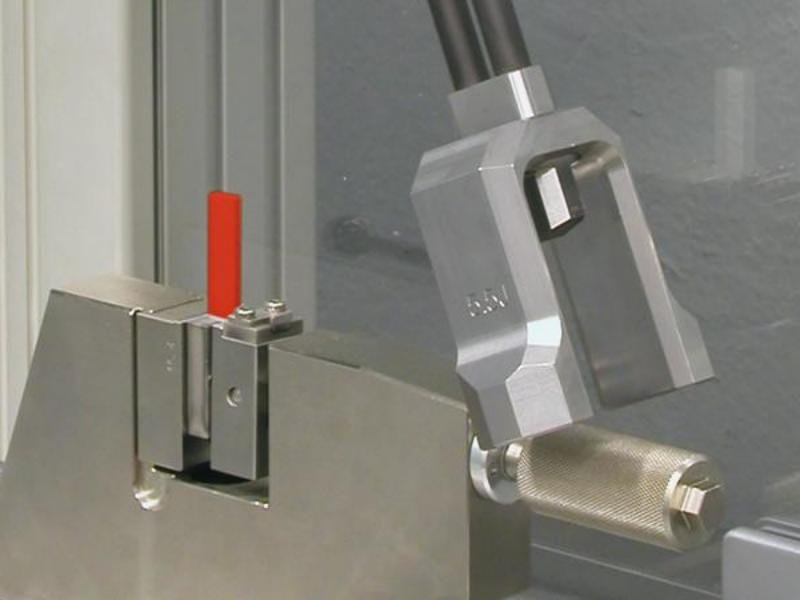
Charpy Impact Test
A specimen is supported horizontally at both ends and struck by a pendulum in the center. The test measures the energy absorbed during fracture and is widely used for comparing plastic impact performance.
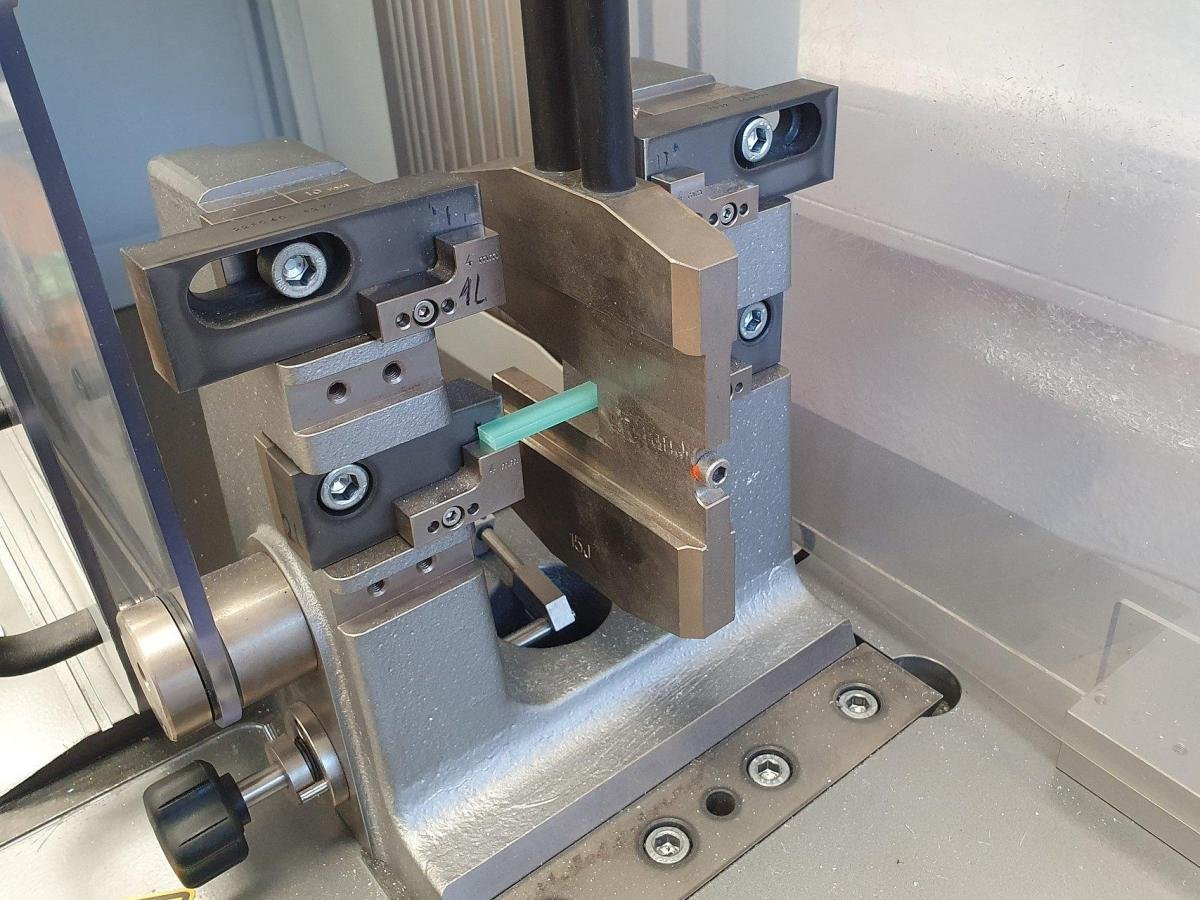
Drop Weight Impact Test
A weighted impactor is dropped onto a plastic specimen or finished component from a specified height. The test evaluates resistance to impact damage, cracking, or penetration under falling-object conditions.
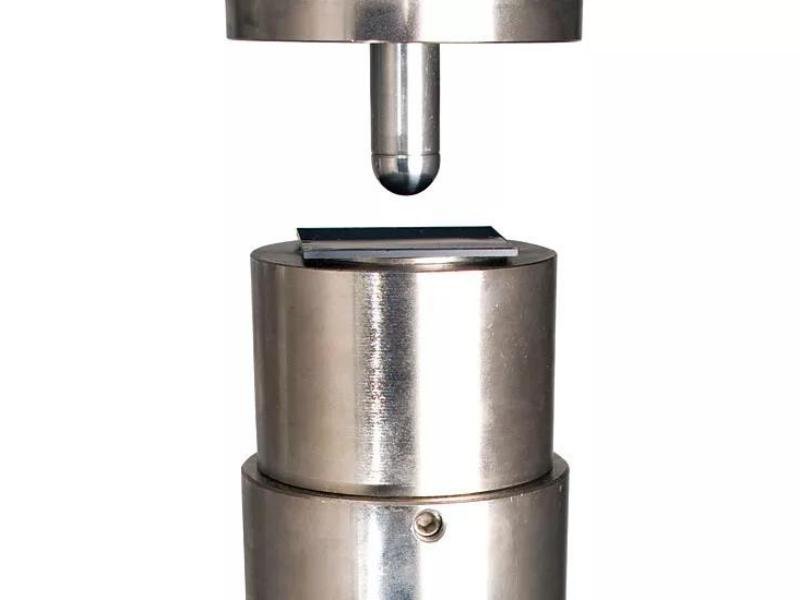
Falling Dart Impact Test
A dart with a specified mass and geometry is dropped onto a plastic film or sheet. The test determines the energy or drop height required to cause failure, making it useful for evaluating packaging materials.
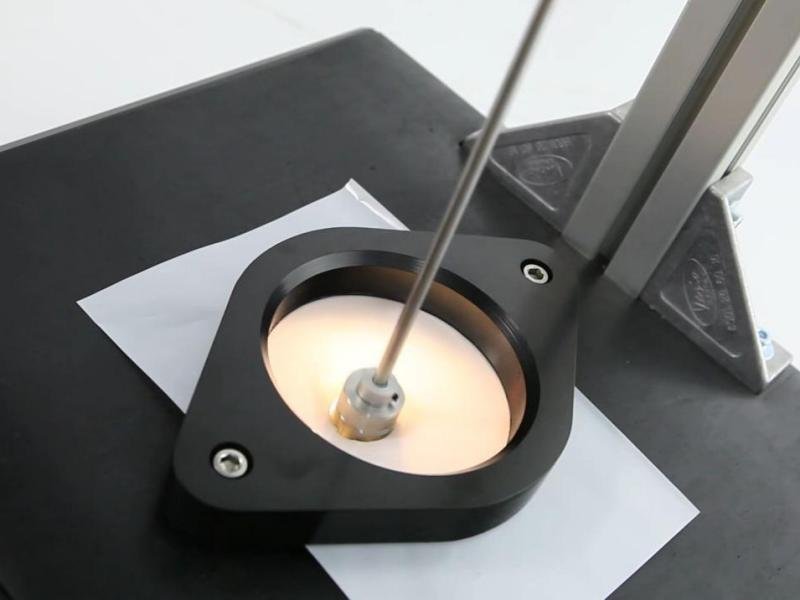
Tensile Impact Test
A specimen is subjected to a tensile force applied suddenly rather than gradually. The test measures the energy absorbed during rapid tensile fracture and helps assess material behavior under high-speed loading.
Impact Resistance vs. Other Material Properties
Several mechanical properties are related to plastic impact performance, but each describes a different aspect of material behavior:
- Tensile Strength: Measures the maximum tensile stress a plastic can withstand before failure. High tensile strength does not necessarily indicate good impact resistance.
- Toughness: Describes the energy a material can absorb before fracturing. It is closely related to impact resistance but is not limited to sudden loading.
- Hardness: Measures resistance to localized indentation, scratching, or penetration. Hard plastics are not necessarily resistant to impact fracture.
- Stiffness: Describes resistance to elastic deformation, commonly represented by Young’s modulus. Stiffer plastics may deform less but can be more susceptible to brittle fracture.
- Elongation at Break: Indicates how much a material can stretch before breaking. Higher elongation often suggests greater ductility, although it does not automatically mean higher impact strength.
Common Types of Impact-Resistant Plastics
There is no single plastic that provides the best impact resistance for every application. The following materials are frequently selected for their impact performance, but their suitability depends on operating conditions, mechanical requirements, and cost considerations.
Polycarbonate (PC)
Polycarbonate is one of the most widely recognized engineering plastics for high impact resistance. It offers excellent toughness, high tensile strength, and good dimensional stability, even in relatively thin sections. Its transparency also makes it suitable for protective covers, safety glazing, and machine guards.

However, PC is relatively expensive compared with commodity plastics, can be susceptible to scratching, and may undergo stress cracking when exposed to certain chemicals.
Acrylonitrile Butadiene Styrene (ABS)
ABS combines good impact resistance with rigidity, dimensional stability, and relatively easy processing. Its balanced mechanical properties and moderate material cost make it a common choice for electronic housings, automotive interior components, appliance enclosures, and protective casings.
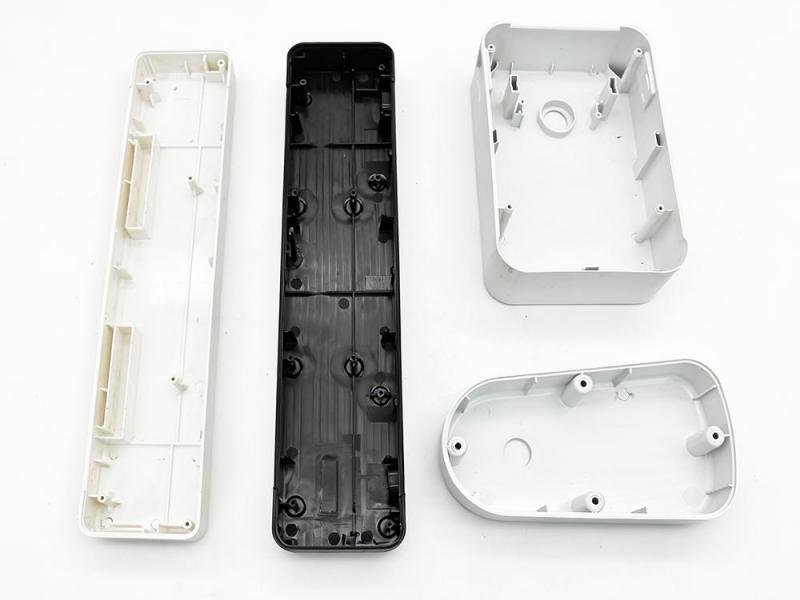
However, standard ABS can become brittle at low temperatures and has limited resistance to UV exposure and certain solvents. Learn more about UV-resistant plastics for components exposed to prolonged sunlight.
High-Density Polyethylene (HDPE)
HDPE offers good impact resistance, particularly in applications involving repeated contact, drops, or mechanical handling. Its flexibility and ductility help reduce the risk of sudden fracture, while its low moisture absorption and excellent chemical resistance make it suitable for outdoor equipment, containers, tanks, and industrial liners.
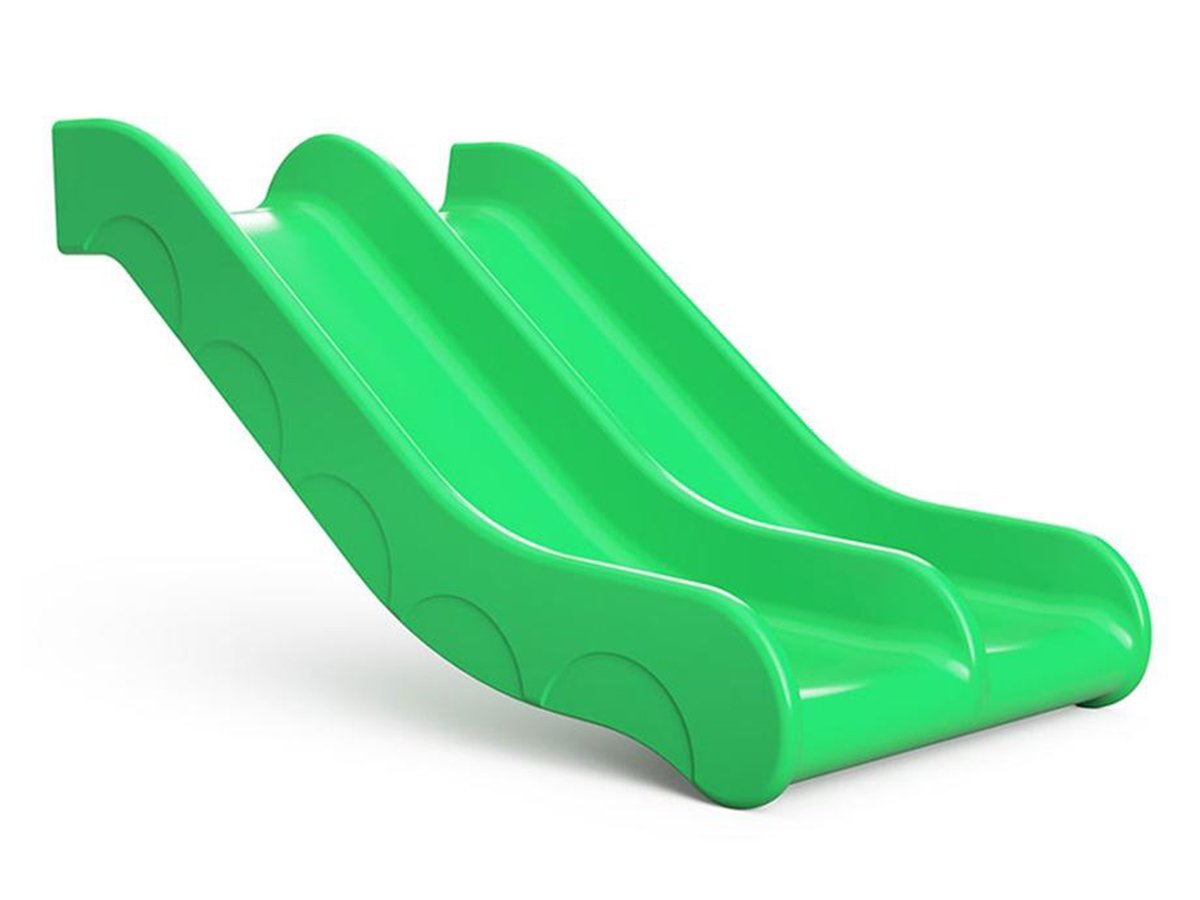
Its main disadvantages are relatively low stiffness, limited heat resistance, and a tendency to deform under sustained loads.
Polypropylene (PP)
Polypropylene offers a useful combination of impact resistance, low density, chemical resistance, and low material cost. Its toughness makes it suitable for automotive components, reusable containers, appliance housings, and packaging products. Impact-modified PP grades can provide substantially better impact performance, particularly at low temperatures.
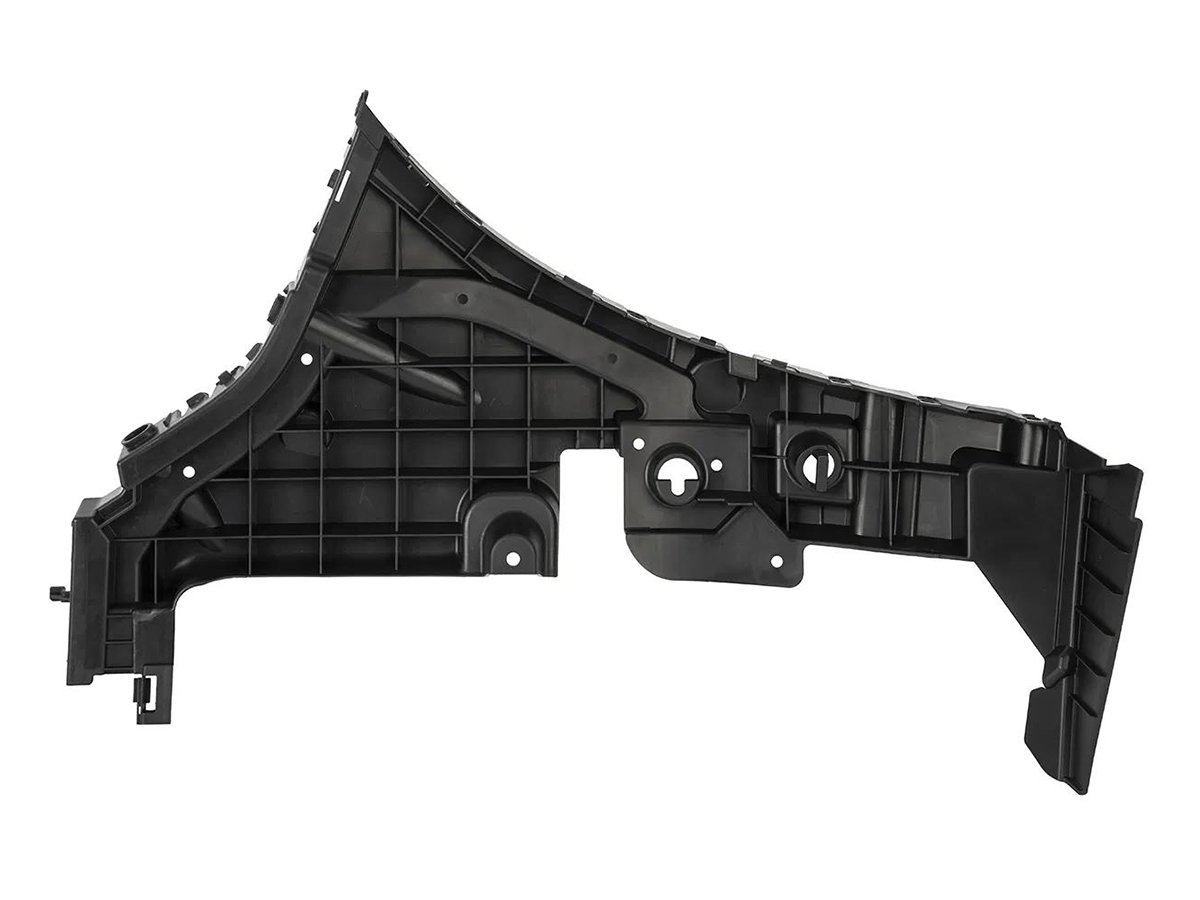
However, standard PP grades may become brittle in cold environments. They also have relatively low stiffness compared with many engineering plastics and can experience creep under sustained mechanical loads.
Polyamide (PA / Nylon)
Nylon, particularly PA6 and PA66, provides a useful combination of impact resistance, tensile strength, wear resistance, and mechanical durability. It is suitable for gears, clips, brackets, automotive components, and other parts exposed to repeated mechanical loading.

However, its impact performance is affected by moisture content: absorbed moisture generally increases ductility and toughness while reducing stiffness and strength. Nylon also has relatively high moisture absorption, which can affect dimensional stability, and is more expensive than common commodity plastics.
How to Choose the Right Impact-Resistant Plastic?
Several factors influence the impact performance of a finished plastic component. Before selecting a material, consider the following technical and manufacturing requirements.
- Impact Conditions: Identify the impact force, frequency, direction, and potential contact points.
- Operating Temperature: Check whether the material can maintain sufficient toughness under expected temperature conditions. Learn more about heat-resistant plastics to compare materials suitable for high-temperature applications.
- Mechanical Requirements: Balance impact resistance with tensile strength, stiffness, hardness, and flexibility.
- Chemical Exposure: Consider contact with oils, solvents, cleaning agents, and other chemicals.
- Material Cost: Compare resin prices, processing costs, and the cost of potential material modifications.
- Manufacturing Requirements: Evaluate moldability, shrinkage, dimensional stability, and compatibility with the intended molding process.
Conclusion
Whether you are developing protective housings, automotive components, industrial containers, or mechanical parts, the right plastic material can help reduce impact-related failures and improve product durability. Consider the actual operating conditions rather than relying on impact strength ratings alone. Visit our plastic materials selection for more information about available materials and their properties.