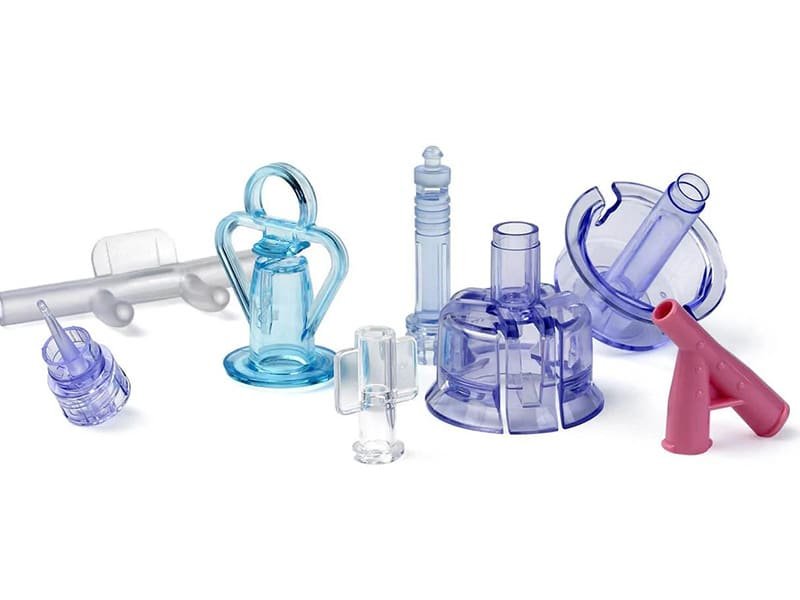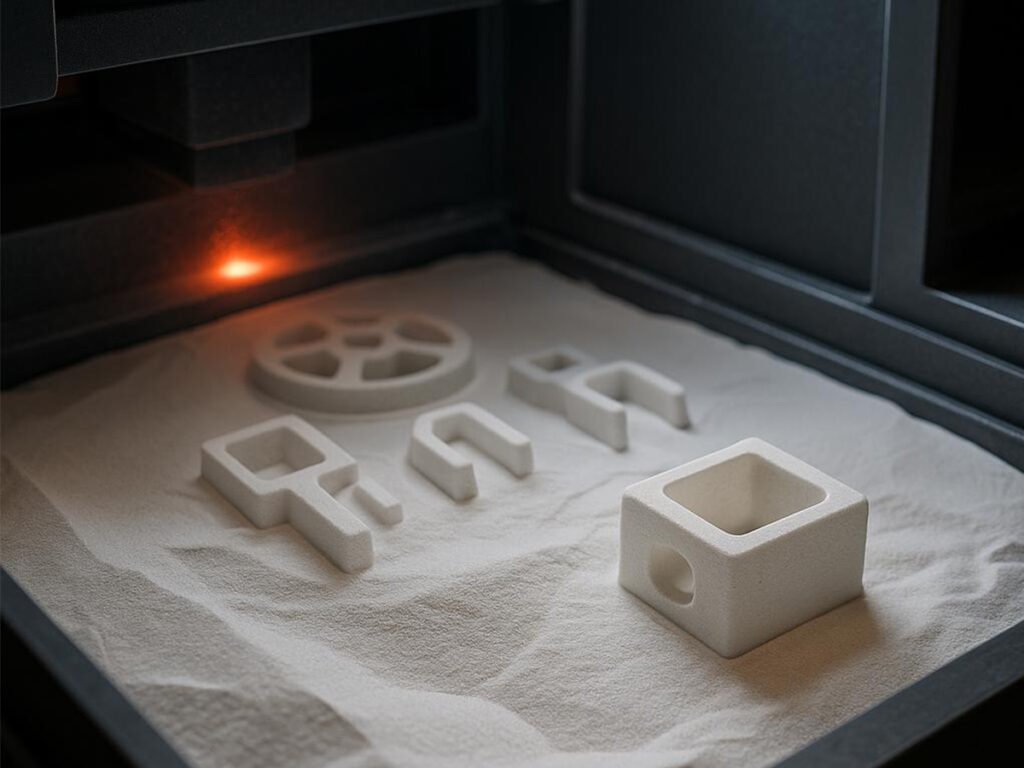
“Selective laser sintering” might sound unfamiliar at first, yet the concept becomes clear once you recognize it as a form of 3D printing. SLS builds parts by selectively fusing polymer powder layer by layer, typically without support structures. This makes it well suited for complex geometries, functional prototypes, and low-volume production parts.
What Is Selective Laser Sintering
At its core, selective laser sintering is an additive manufacturing process that uses a high-powered laser to selectively fuse polymer powder into a solid structure, building each part one thin layer at a time.
Unlike processes that extrude molten material through a nozzle, SLS works directly within a bed of powder. This allows finished parts to include overhangs, internal channels, and interlocking assemblies that would otherwise require multiple pieces.
How Does Selective Laser Sintering Work?
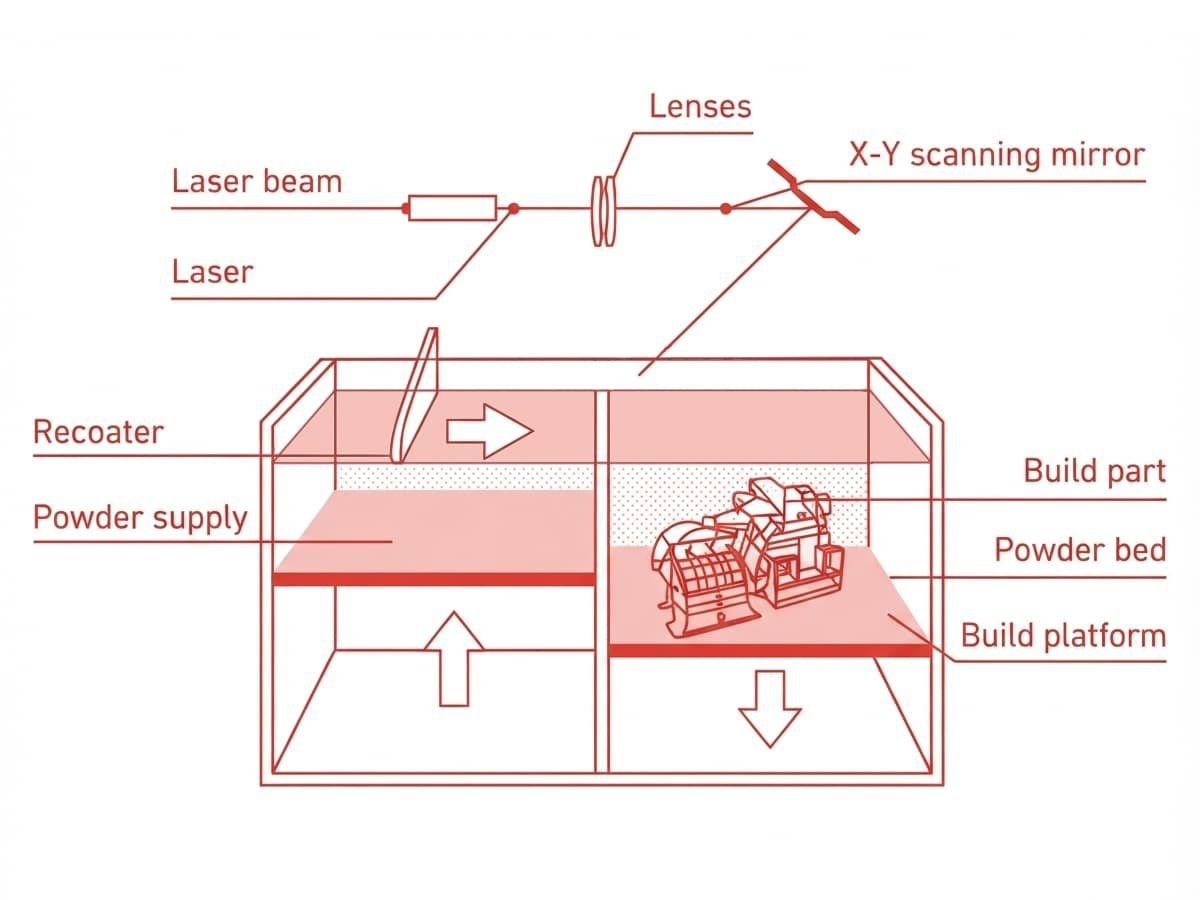
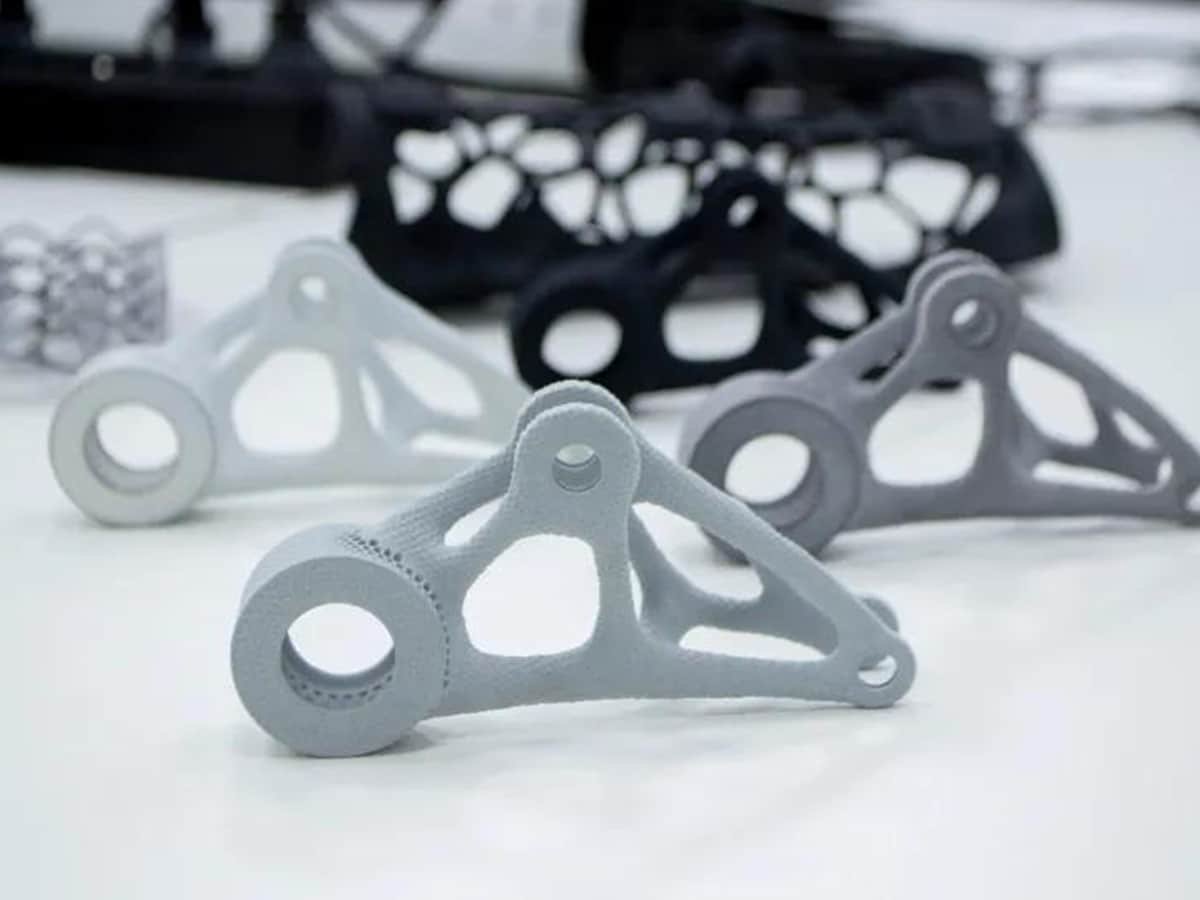
- Beam delivery: The laser beam passes through a series of lenses for focusing, then reflects off X-Y scanning mirrors that steer it precisely across the powder bed.
- Powder bed preparation: The powder supply platform rises slightly, and the recoater sweeps a thin, even layer of powder across to the build platform.
- Laser sintering: The laser selectively heats and fuses powder particles along the cross-sectional pattern of that layer, following data sliced from the 3D model.
- Platform lowering: The build platform drops by the thickness of one layer, typically 0.06–0.12 mm, while the supply platform rises to prepare the next batch of powder.
- Repeat layering: Fresh powder is spread over the previous layer, and the laser fuses the next cross-section. This cycle repeats until the entire part is complete.
- Cooling and depowdering: The finished build remains inside the machine to cool gradually, reducing the risk of warping. Once cooled, loose, unsintered powder is removed and may be recycled for future builds.
- Post-processing: Parts may undergo bead blasting, dyeing, or vapor smoothing to improve surface finish and appearance.
Advantages of Selective Laser Sintering 3d Printing
These characteristics translate into practical benefits that make SLS a useful choice for engineers and product teams.
Mechanical Strength
Parts produced through SLS have relatively consistent mechanical properties across different build orientations. This makes them suitable for functional and load-bearing applications rather than purely visual models.
Efficient Use of Build Space
Because the surrounding powder bed supports each component during the build, multiple parts can be nested and printed together in a single build, with parts arranged at different heights and orientations. This increases throughput per build cycle without requiring additional support structures.
Broad Material Options
Beyond standard PA12 nylon, SLS accommodates glass-filled, carbon-filled, and flexible TPU powders, allowing the process to serve applications ranging from rigid housings to parts designed with 3D-printed snap fits.
Material Efficiency
Unsintered powder surrounding each part can often be recovered, sieved, and blended with fresh powder for future builds. This reduces material waste compared to processes that discard excess feedstock.
Clean Surface Consistency
Because no dedicated support structures contact the part during the build, SLS parts do not have support marks or scarring associated with support removal, resulting in a more consistent surface straight out of the machine.
Core Machine Components
An SLS 3d printing system relies on several key components working together to carry out the layer-by-layer build process.
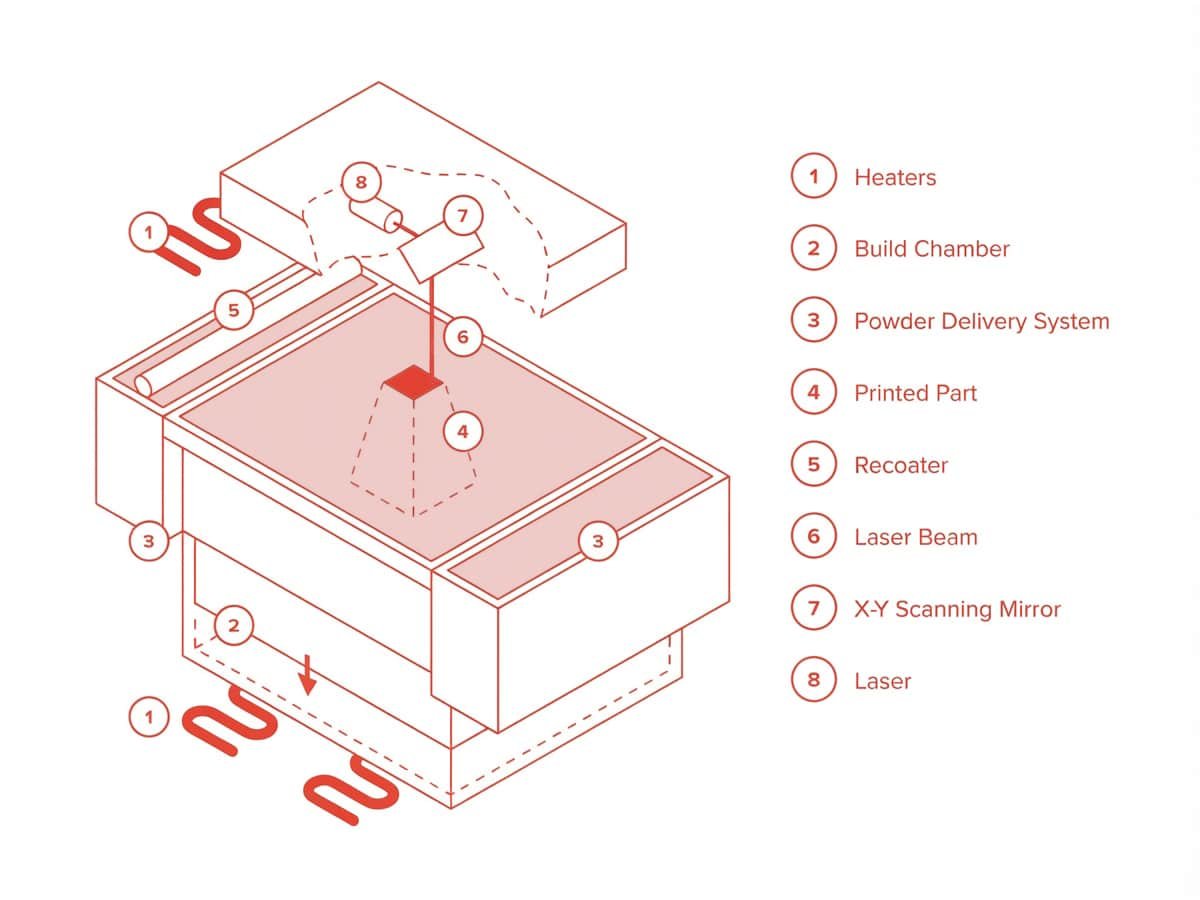
- Laser source: Typically a CO₂ laser, responsible for delivering the energy that fuses polymer powder particles.
- Scanning mirrors (galvanometers): Direct the laser beam across the powder bed with precision, tracing each layer’s cross-section.
- Build chamber: The enclosed, temperature-controlled space where the part is constructed. Its elevated temperature helps reduce thermal gradients and warping.
- Heaters: Preheat the powder bed and surrounding chamber close to the polymer’s melting point, minimizing thermal stress and reducing the energy the laser needs to fully fuse each layer.
- Powder delivery system: Supplies fresh powder from a feed reservoir to the build area for each new layer.
- Recoater (roller or blade): Spreads powder evenly across the build area before each sintering pass.
Common SLS Materials
Material choice in SLS laser sintering is closely tied to how the process works — each material must be available as a fine, consistent powder and respond predictably to repeated heating within the build chamber.
Nylon PA12
The most widely used SLS material, valued for its balance of strength, flexibility, and chemical resistance. Its predictable thermal behavior under laser exposure supports fine detail and dimensional consistency across repeated layers.
Nylon PA11
A ductile nylon offering higher impact resistance and elongation at break than PA12. Its toughness makes it a common choice for parts subject to repeated flexing, impact, or mechanical stress.
Glass-Filled Nylon
Adding glass fibers or beads to the base polymer increases stiffness and can improve heat resistance. The reinforcement also affects powder flow and laser energy absorption, requiring tuned parameters for consistent sintering.
TPU (Thermoplastic Polyurethane)
A flexible, rubber-like powder suited to parts requiring elasticity, such as gaskets or wearable components. Its processing characteristics require careful control of laser energy to achieve consistent sintering without damaging thin walls. Learn more about TPU 3D printing for its material characteristics and applications.
Surface Finishing for SLS Parts
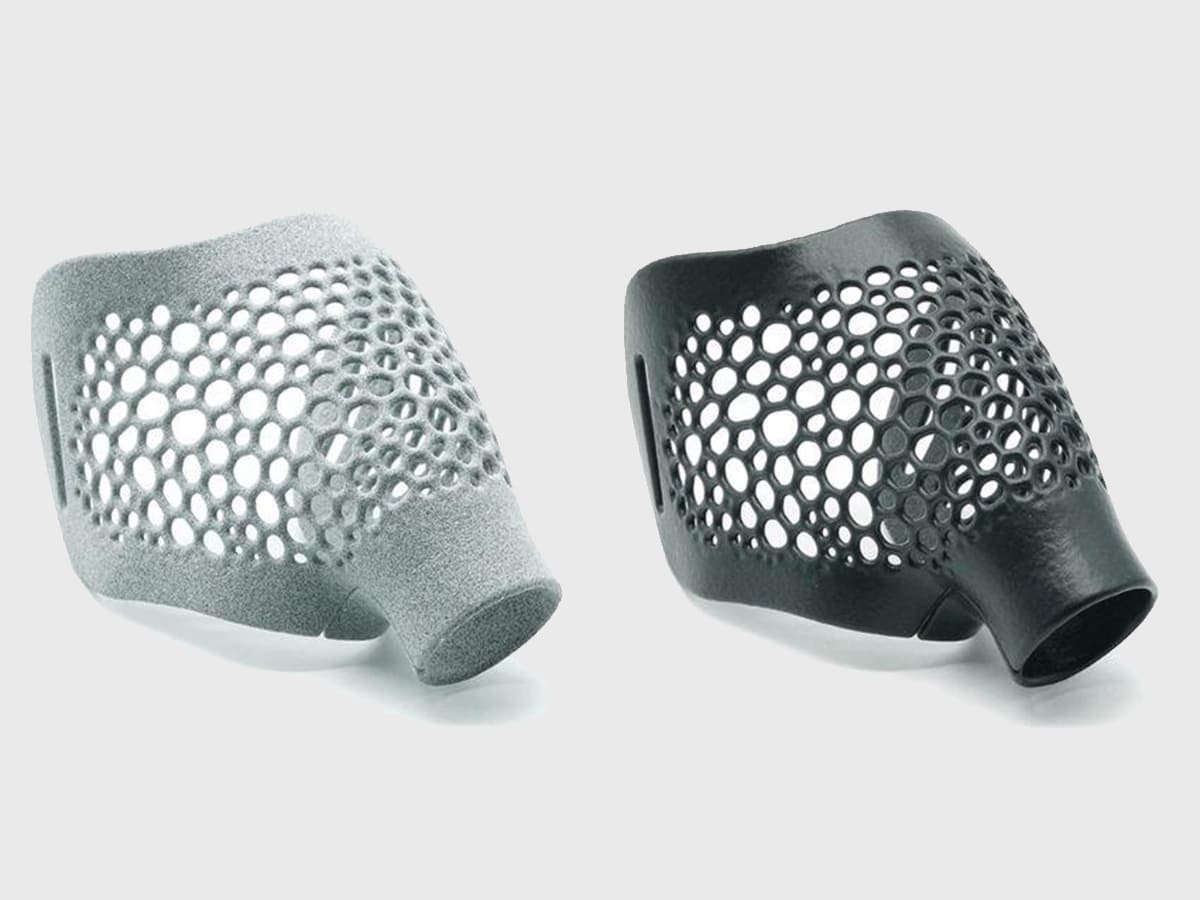
Straight out of the machine, SLS printing parts have a slightly grainy, matte texture left by the sintered powder — a starting point that many applications refine further before use.
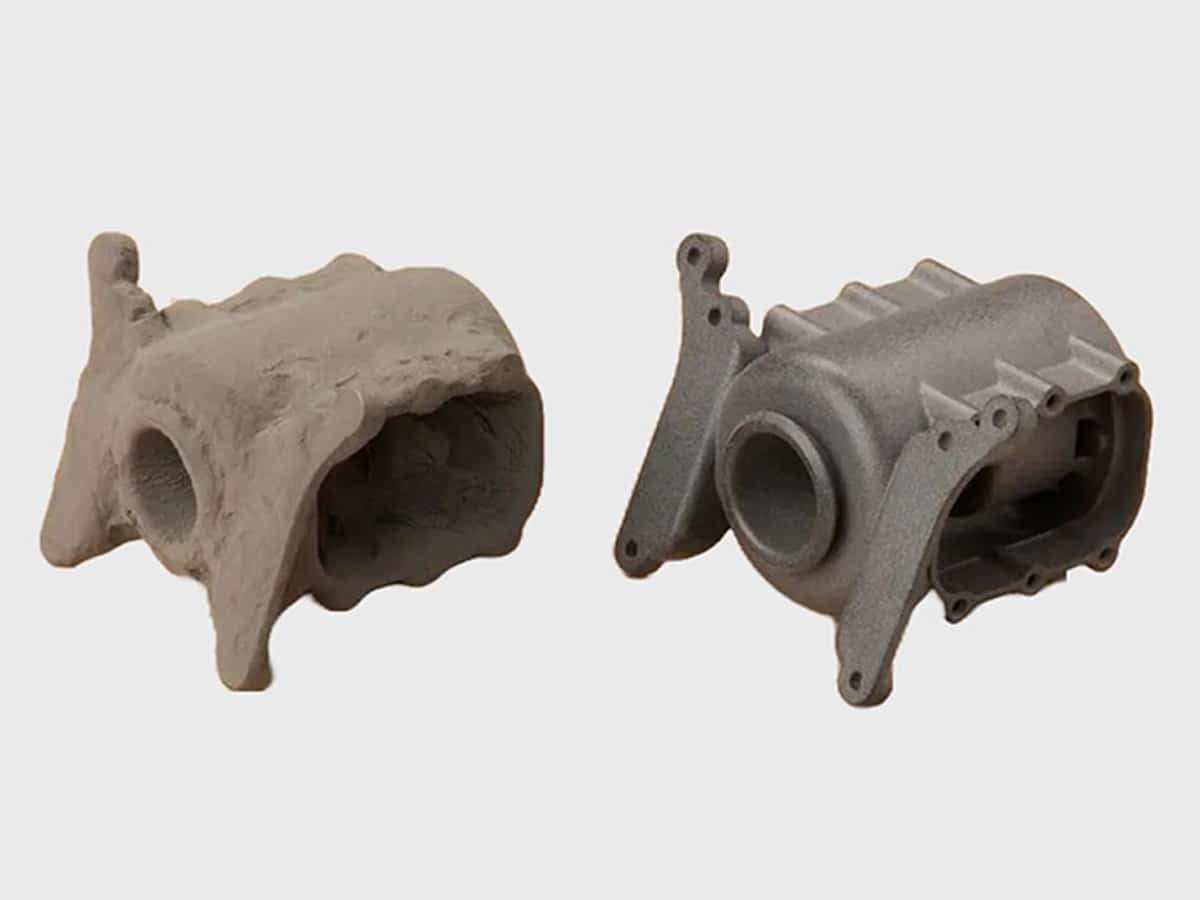
Bead Blasting
A common finishing step for SLS parts, bead blasting removes loose powder residue from surfaces and softens the granular texture, leaving a more uniform matte finish.
Dyeing
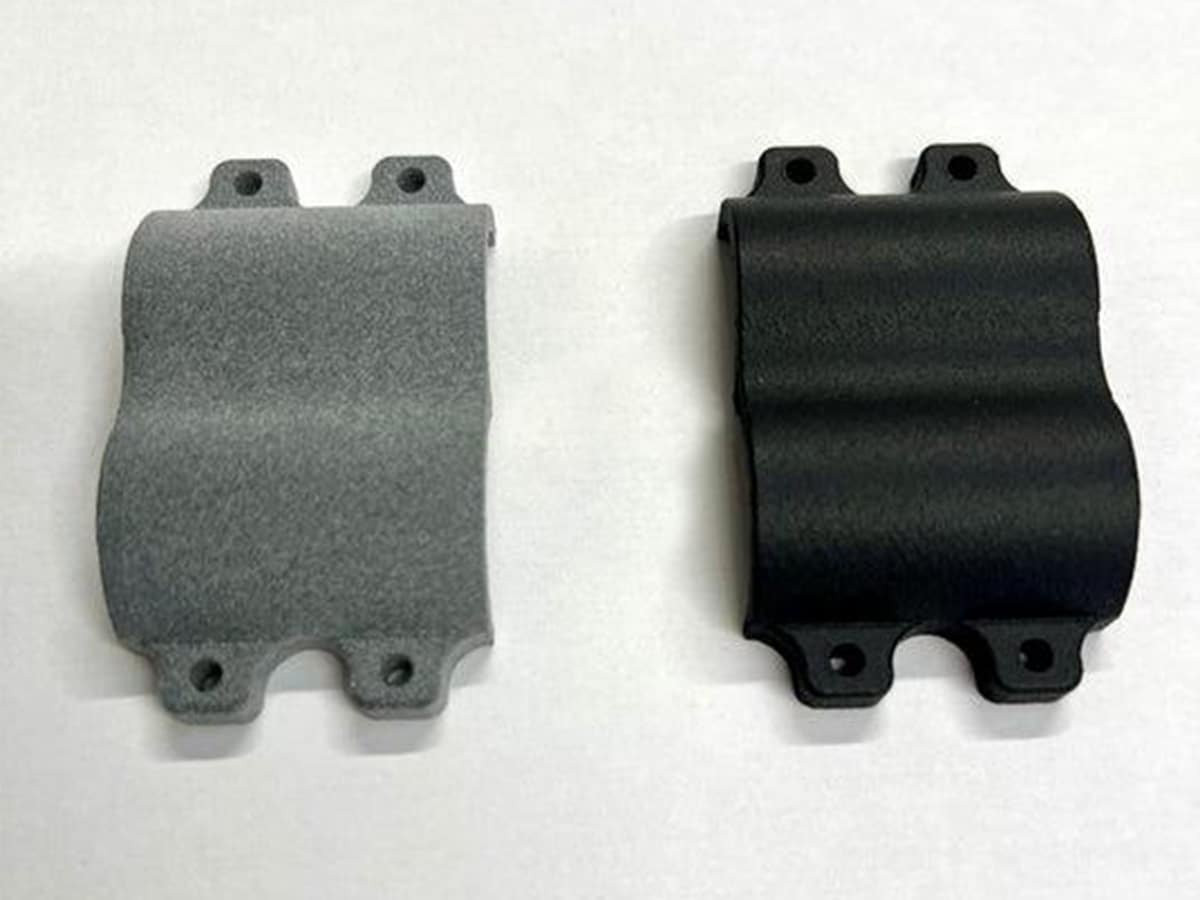
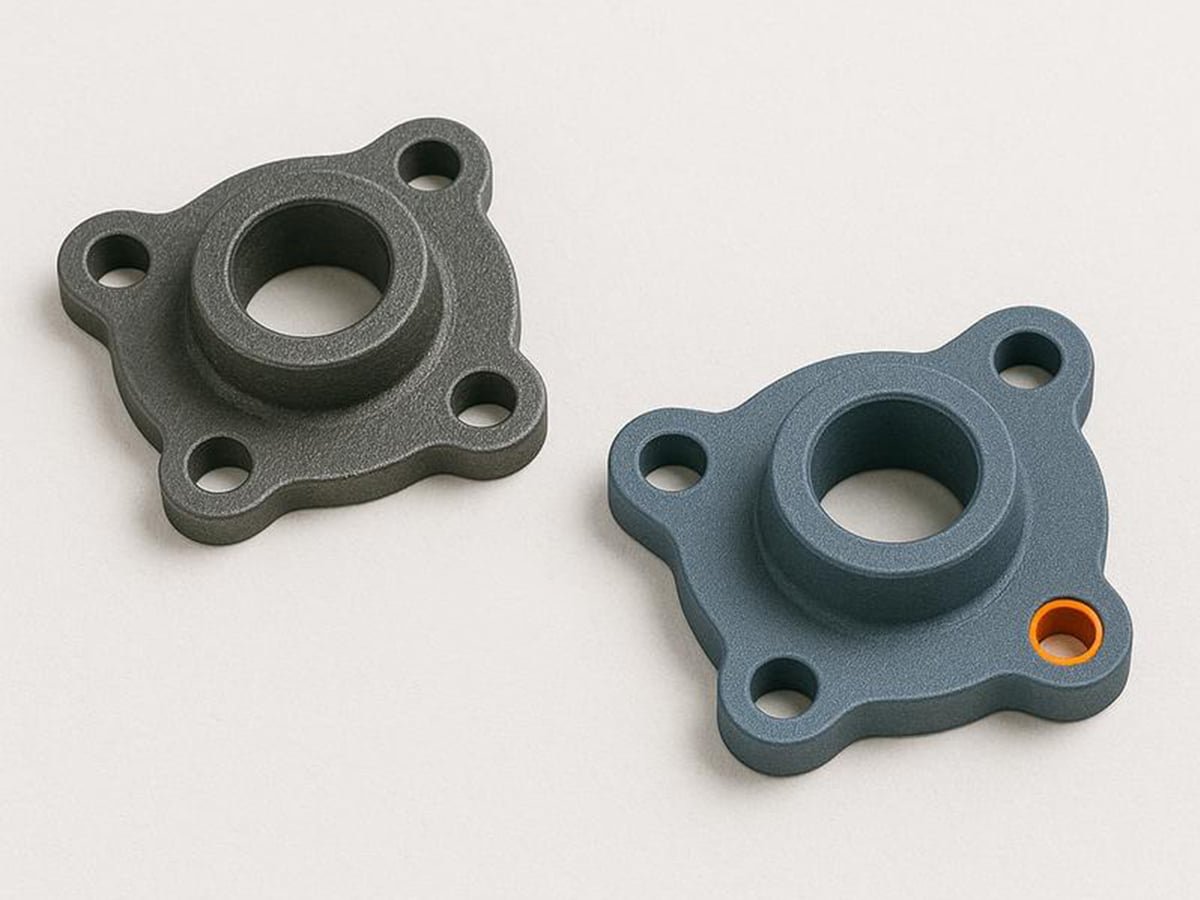
Since raw nylon powder typically produces off-white or gray parts, dyeing baths can color the porous surface more evenly than surface painting, making them practical for parts with complex geometries.
Vapor Smoothing
Chemical vapor exposure softens and reflows the outermost material layer, reducing surface roughness and partially sealing the microscopic pores typical of raw SLS surfaces.
Painting or Coating
For parts requiring specific colors, gloss levels, or added protection, painting can be applied after bead blasting. It generally produces more consistent results when surface porosity has first been reduced through smoothing or sealing.
Sealing or Impregnation
Because SLS parts retain some degree of surface porosity, sealants or impregnating agents can be applied to improve resistance to moisture or fluids — particularly for functional parts used in outdoor or industrial environments.
Conclusion
SLS is well suited for functional prototypes, complex parts, and low-volume production when injection molding is not yet practical. With Zhongde SLS Rapid Prototype Service, you can turn your 3D files into functional prototypes with suitable materials, surface finishing, and production-ready details.