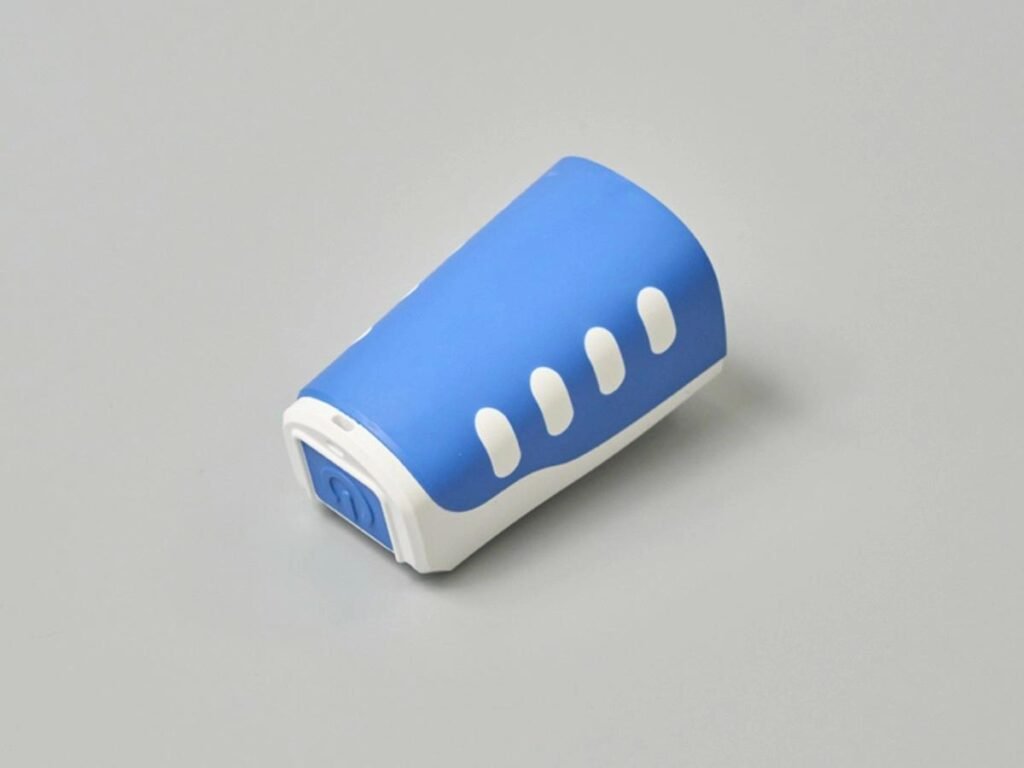
TPU overmolding is all around us, even if most people never notice it. The soft grip on a power tool, the shock-absorbing edge of a phone case, or the comfortable handle of a medical device often combines two materials into a single component. Beneath that smooth, rubber-like surface is usually a rigid substrate that provides strength and structure.
This combination is made possible through TPU overmolding, a manufacturing process that bonds thermoplastic polyurethane (TPU) onto a plastic or metal base. For designers, TPU overmolding opens up opportunities to enhance both functionality and user experience. It allows you to create comfortable grips, improve wear resistance, reduce vibration, and integrate complex shapes or textures—all in a single part without additional assembly.
If you are not familiar with overmolding itself, you can learn more in our article on All You Need to Know About Overmolding.
What Is TPU?
Thermoplastic polyurethane (TPU) is a flexible yet durable elastomer that sits between rubber and rigid plastics in terms of performance. It combines elasticity with high mechanical strength, allowing it to stretch, compress, and return to its original shape without permanent deformation.
From a product perspective, TPU is valued for its balance of softness and durability. It offers excellent abrasion resistance, tear strength, and resistance to oils, greases, and environmental exposure. This makes it suitable for components that are frequently touched, bent, or exposed to repeated mechanical stress.
In real applications, TPU is commonly used for soft-touch grips, protective edges, vibration-damping parts, and wear-resistant surfaces. When used in overmolding, it is typically bonded to a rigid substrate such as ABS, PC, nylon, or metal, combining structural strength with a more comfortable and functional outer layer.
TPU vs TPE in Overmolding
When selecting between TPU and TPE for overmolding, the decision is often driven by processing behavior and production risk rather than material properties alone. These differences can directly impact yield rate, tooling requirements, and overall manufacturing cost.
- Bonding with Substrates: TPU requires precise mold temperature and careful surface preparation to achieve strong adhesion, especially on metals or engineering plastics. If not done correctly, parts may delaminate, increasing scrap rates and rework costs. TPE is more forgiving and generally bonds well with less stringent preparation, reducing the risk of defects.
- Process Sensitivity: TPU is sensitive to moisture and injection temperature; improper handling can lead to bubbles, voids, or weak bonds. This can slow production and increase quality control efforts. TPE is easier to process, allowing faster cycles and more consistent output, lowering production risk.
- Complex Shapes: TPU can produce fine textures and intricate details, but requires careful mold design and injection control. Mistakes can cause defects, impacting both aesthetics and functionality, and potentially increasing tooling iteration costs. TPE handles complex geometries more flexibly, reducing the likelihood of scrap or redesign.
- Production Flexibility: TPU is often best for medium-to-high volume production where consistent quality is critical, but setup requires more careful control. TPE is well-suited for prototyping, small runs, or projects with frequent design changes, minimizing time-to-market risk.
Types of TPU Overmolding
In real applications, TPU overmolding performance is strongly influenced by the choice of substrate. Different materials show different levels of bonding compatibility with TPU, which affects process stability, design freedom, and production risk. Based on the substrate, TPU overmolding is generally divided into plastic and metal applications.
TPU Overmolding on Plastic Substrates
Plastic substrates are generally the most TPU-friendly option because they allow better thermal interaction and, in many cases, partial material compatibility. However, not all plastics behave the same during overmolding, and bonding reliability can vary depending on material structure and surface condition.
Typical base materials include:
- ABS: High compatibility, widely used for stable bonding
- PC: Good compatibility, but requires controlled processing window
- PC/ABS blends: Balanced performance and commonly used in consumer products
- Nylon / PA: Moderate compatibility, moisture control is critical for stable bonding
In general, amorphous plastics like ABS and PC/ABS offer more predictable bonding behavior with TPU, while semi-crystalline materials such as nylon require stricter process control and drying conditions. Poor material selection or insufficient surface preparation may lead to weak adhesion or reduced long-term durability.

TPU Overmolding on Metal
Metal substrates provide excellent structural strength but do not naturally bond with TPU, which makes mechanical design a critical factor in achieving reliable overmolding performance.
Typical base materials include:
- Aluminum: Most commonly used due to weight and machinability
- Stainless steel: High strength and corrosion resistance
- Carbon steel: Used in heavy-duty applications with protective coatings
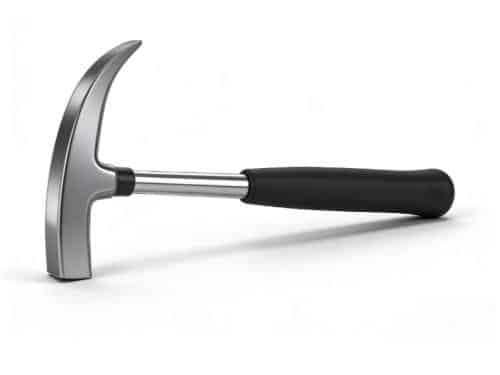
Unlike plastic substrates, TPU does not chemically bond to metal surfaces. Instead, reliable adhesion depends on engineered features such as undercuts, grooves, holes, or surface texturing to create mechanical interlocking. Surface treatment methods like sandblasting or coating may also be used to improve bonding stability.
Manufacturing Factors Affecting TPU Overmolding
Several key manufacturing factors determine whether TPU overmolding delivers consistent quality and reliable bonding. Managing these factors effectively can reduce scrap, minimize rework, and shorten development cycles.
Substrate Preparation
Surface condition plays a critical role in bonding. For plastics, roughening, cleaning, or preheating the surface can improve adhesion. For metals, mechanical texturing or coatings are often required. Poor preparation may lead to delamination or weak adhesion, increasing scrap and rework costs.
Mold Temperature and Processing Window
TPU requires a relatively stable processing window to achieve proper flow and bonding. Mold temperature that is too low may prevent sufficient fusion with the substrate, while excessively high temperatures can lead to material degradation or surface defects.
In production, unstable temperature control often results in inconsistent bonding strength between batches, which increases rejection rate and quality variation.
Moisture Control of TPU Material
TPU is a moisture-sensitive material, and improper drying is a frequent cause of production defects.
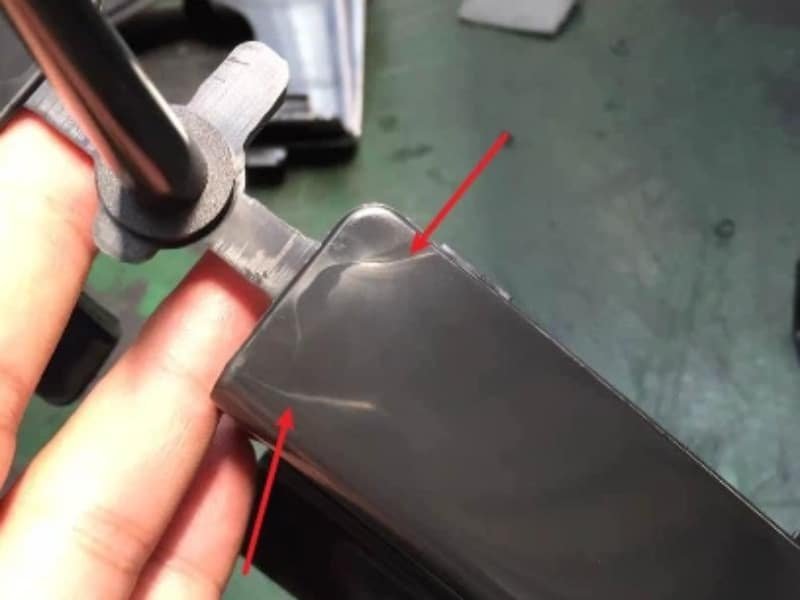
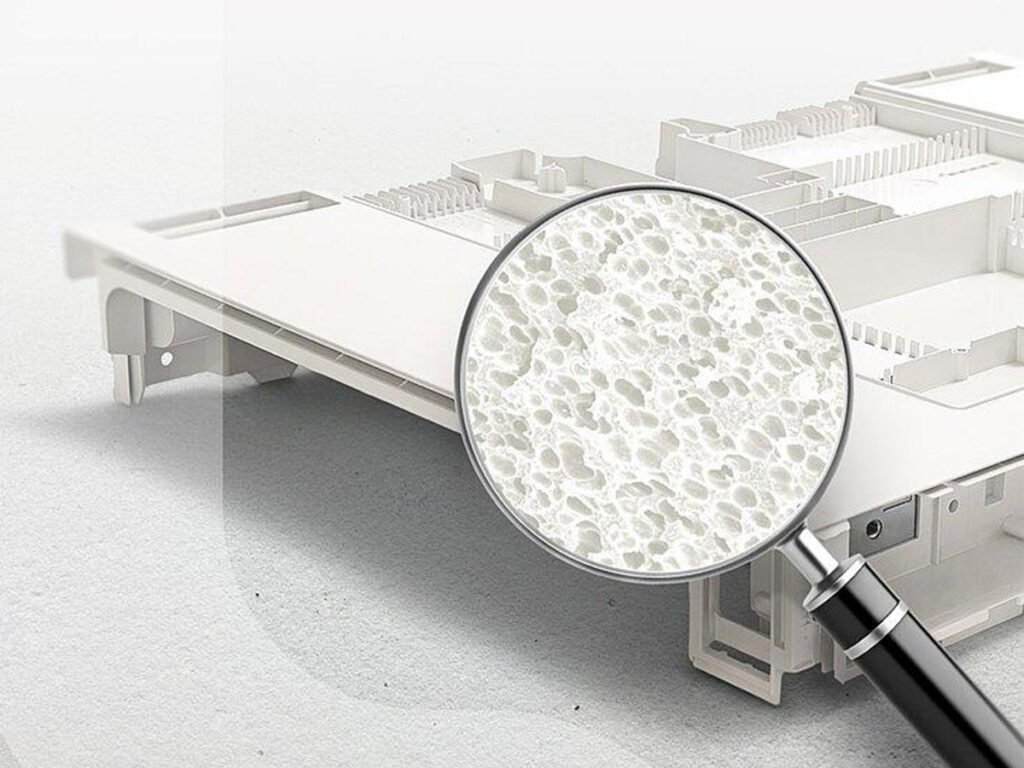
If moisture is not fully removed before molding, it may lead to surface bubbles, silver streaks, or weak bonding at the interface. These defects not only affect appearance but can also reduce mechanical reliability, especially in load-bearing applications.
Mold Design and Venting
Mold design plays a direct role in determining flow behavior and bonding quality. Poor venting can trap air at the interface, preventing proper adhesion between TPU and the substrate.
Design elements such as gate position, flow path balance, and venting strategy all influence whether TPU can form a stable and uniform overmolded layer.
Design Considerations for TPU Overmolded Parts
Design plays a critical role in the success of TPU overmolding. Even when the material and process are well controlled, poor design choices can still lead to bonding failure, deformation, or increased production cost. A well-optimized design helps ensure stable manufacturing and long-term product performance.
Design for Reliable Bonding Areas
The interface between TPU and the substrate is one of the most important design zones. For plastic substrates, sufficient contact area should be provided to support stable bonding. For metal parts, mechanical interlocking features such as grooves, holes, or undercuts are often necessary to secure adhesion. Without proper interface design, delamination risk increases significantly during use.
Control TPU Wall Thickness
Consistent TPU thickness helps maintain uniform cooling and reduces the risk of sink marks, warpage, or uneven bonding. Excessively thick sections may lead to longer cooling time and internal stress, while overly thin areas may compromise durability and grip performance.
Avoid Sharp Transitions and Stress Concentration
Sharp corners or sudden thickness changes can create stress concentration points, which may lead to cracking or peeling during repeated use. Smooth transitions between rigid and flexible sections help improve both mechanical stability and user comfort.
Plan Functional Grip and Contact Areas Early
In many products, TPU is used to improve grip, shock absorption, or tactile feel. These functional areas should be defined early in the design stage to ensure they align with real user interaction points. Poorly positioned TPU regions may reduce usability or lead to unnecessary material usage.
Consider Assembly and Integration Requirements
TPU overmolded parts are often part of a larger assembly. Designers should consider how the part connects with other components, including fasteners, inserts, or snap-fit structures. Misalignment at this stage can increase assembly difficulty and overall production cost.
Conclusion
If you’ve read this far, you now have a clear picture of how TPU overmolding works—from material selection and substrate compatibility to manufacturing factors and design considerations. Understanding these aspects can help you reduce production risk, optimize part performance, and make informed decisions for your products.
At Zhongde, we support clients through every stage of TPU overmolding projects. Whether it’s selecting the right materials, refining your part design, or ensuring stable manufacturing, our team provides hands-on guidance to deliver reliable, high-quality results. Explore our Custom Mold and Tooling Design services to see how we can help bring your overmolded parts from concept to production efficiently.