On-demand manufacturing is revolutionizing how businesses approach production. By enabling you to produce exactly what you need, when you need it, it eliminates the hassles of long lead times and unsold inventory. This solution is perfect for companies looking to improve efficiency, reduce costs, and offer more personalized products to customers.
What is On-Demand Manufacturing?
On-demand manufacturing process, also known as make-to-order or build-to-order, is an on-demand production strategy that focuses on creating products only when there is a specific demand for them. This approach allows manufacturers to respond quickly to customer needs, reducing the reliance on large inventories and minimizing waste. The essence of on-demand manufacturing is flexibility and responsiveness. This model not only enhances customization but also aligns with contemporary trends in agile manufacturing and mass customization, allowing businesses to adapt swiftly to market changes and consumer preferences.
How On-Demand Manufacturing Works?
The process begins with a customer order, and the required products or parts are manufactured to order. This approach eliminates the need for large inventories, reducing overhead costs associated with warehousing and inventory management.
Key steps in the on-demand manufacturing process include:
- Order Placement: A customer places an order based on specific product n eeds, often involving custom designs.
- Production Scheduling: Production is scheduled based on the order, ensuring that only what is necessary is made.
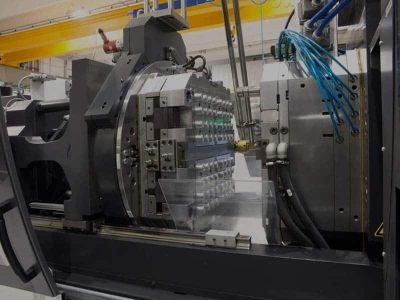
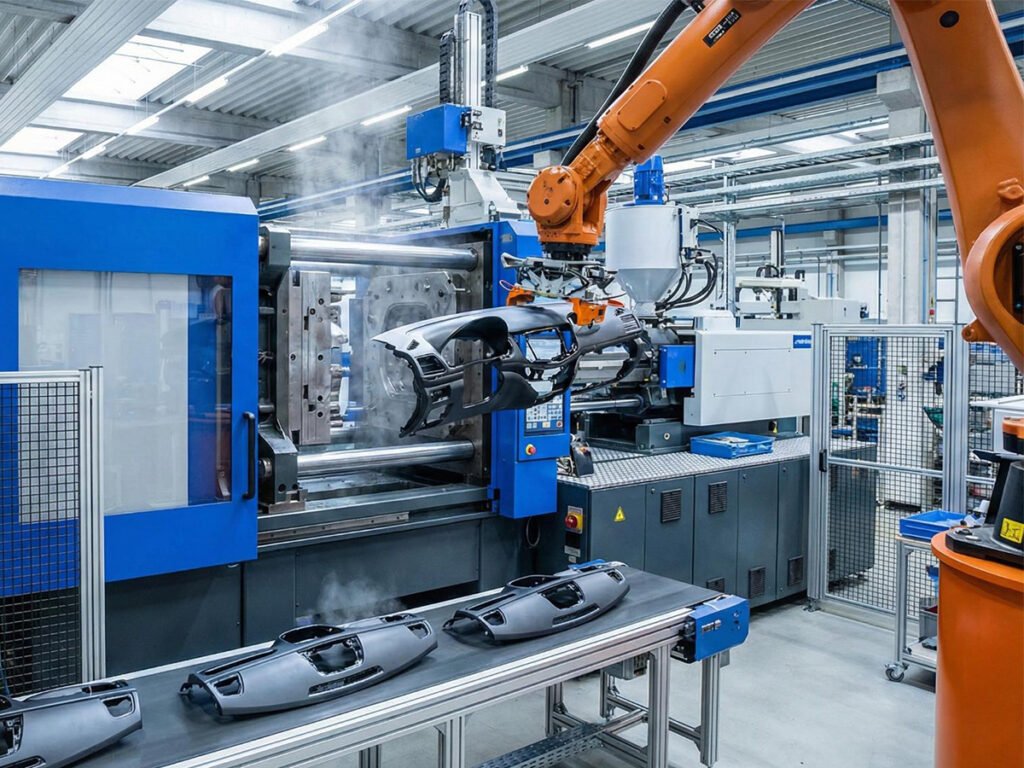
- Manufacturing Process: Using advanced technology, the product is created to specification, often through processes like injection molding or additional manufacturing.
- Quality Control and Shipping: After production, quality checks are performed to ensure the product meets the required standards before being shipped to the customer.

Factors Leading to the Emergence of On-Demand Manufacturing
What led to the emergence of on-demand manufacturing services? Several factors led to the evolution of traditional manufacturing into manufacturing on demand. These factors include:
Advanced in Available Technologies
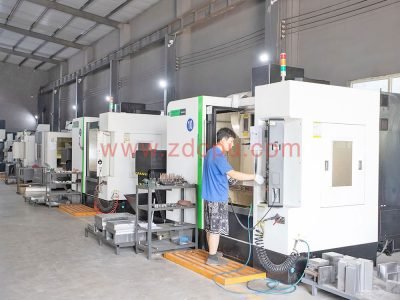
On-demand manufacturing relies heavily on advanced technologies such as 3D printing, CNC machining, and digital manufacturing. These technologies enable rapid prototyping and production of small quantities without the need for costly tooling setups.
Growing Customer Demands
Customer demands for personalized, tailored products are on the rise. On-demand manufacturing allows businesses to meet these demands by offering customization options, leading to higher customer satisfaction and loyalty.
E-commerce and Online Platforms
The rise of e-commerce and online platforms has facilitated the growth of on-demand manufacturing by providing easy access to customers and allowing for seamless order placement and tracking.
Supply Chain Integration
On-demand manufacturing often involves a close integration of the production process with the supply chain. This integration ensures that materials and components are readily available when needed, further reducing lead times.
Cost Control Requirement
The need for cost control is a significant driver of on-demand manufacturing. By producing items as needed, businesses can better manage their production costs, avoiding excess inventory expenses and optimizing resource allocation.
Benefits of On-Demand Manufacturing Process
On-demand manufacturing process offers numerous advantages that make it an appealing choice for businesses looking to adapt to changing market conditions and consumer demands. Here are some of the key benefits
Cost Reduction
On-demand manufacturing eliminates the need for large-scale production runs, significantly reducing upfront costs. Since businesses produce only what is required, waste and storage costs are minimized. This process lowers material costs and removes the financial strain of holding excess inventory, improving cash flow management.
Enhanced Customization and Flexibility
With on-demand manufacturing, businesses can fully customize each product to meet specific customer requirements. From design changes to material selection and finishes, this flexibility helps businesses cater to diverse customer needs, enhancing satisfaction and fostering customer loyalty.
Low-Volume Manufacturing
On-demand manufacturing is particularly advantageous for low-volume production. Unlike processes that require a minimum order quantity, this approach accommodates small production runs, making it perfect for specialized products, prototypes, or limited-edition items. It eliminates the need to produce large quantities when only a small volume is necessary, avoiding unnecessary costs and waste.
Rapid Prototyping
One of the standout benefits of on-demand manufacturing is its capability for rapid prototyping. Businesses can quickly create prototypes, test new designs, and refine products without the need for expensive tooling changes. This accelerates the product development cycle, reducing both time and costs associated with bringing a product to market.
Efficient Use of Resources
By producing only what is needed, on-demand manufacturing maximizes the use of resources such as materials and labor. This method reduces the risks of overproduction, which often leads to wasted materials and unsold stock. It’s a sustainable, efficient way to meet customer demands while reducing environmental impact.
Disadvantages of On-Demand Manufacturing
Higher Unit Costs
While on-demand manufacturing reduces overhead, the cost per unit can be higher compared to large-scale production. This is due to the smaller production runs, which can result in less cost-effective material usage and machine setup.
Limited Material Options
Some on-demand manufacturing processes, especially 3D printing and CNC machining, may have limitations in the range of materials available compared to traditional mass production methods. This can affect the choice of materials for certain applications.
Longer Lead Times for Complex Orders
While on-demand manufacturing can reduce lead times in general, complex or highly customized orders may still require significant time for design and production, especially when special molds or tooling are needed.
Scalability Issues
On-demand manufacturing is well-suited for small to medium orders, but scaling up production for larger quantities can be challenging. Traditional mass production methods tend to be more efficient for high-volume orders.
Technology Dependence
On-demand manufacturing heavily relies on advanced technologies like 3D printing, CNC machining, and injection molding. Any downtime or technical issues with these machines can delay production and impact delivery times.
Comparison of Traditional Manufacturing vs. On-Demand Manufacturing
Traditional manufacturing focuses on large-scale production, requiring significant upfront investment, inventory, and long production cycles. In contrast, on-demand manufacturing operates on a just-in-time model, producing items only when needed, minimizing waste and inventory costs, and offering greater flexibility with faster turnaround times.
For a deeper comparison of these two approaches, check out our article on “On-Demand vs. Traditional Manufacturing – Which One Better?“
Technologies Used in On-Demand Manufacturing Process
To support the flexibility and efficiency of on-demand manufacturing, several key processes are employed. Each of these technologies plays a crucial role in creating customized, high-quality parts based on specific customer requirements. Let’s take a closer look at some of the most commonly used manufacturing processes.
3D Printing
3D printing, or additive manufacturing, creates parts layer by layer from digital designs. It’s ideal for rapid prototyping and small production runs, offering flexibility and speed.
CNC Machining
CNC machining uses computer-controlled machines to precisely cut parts from various materials. It’s perfect for complex designs and tight tolerances, making it highly effective for custom parts in on-demand production.