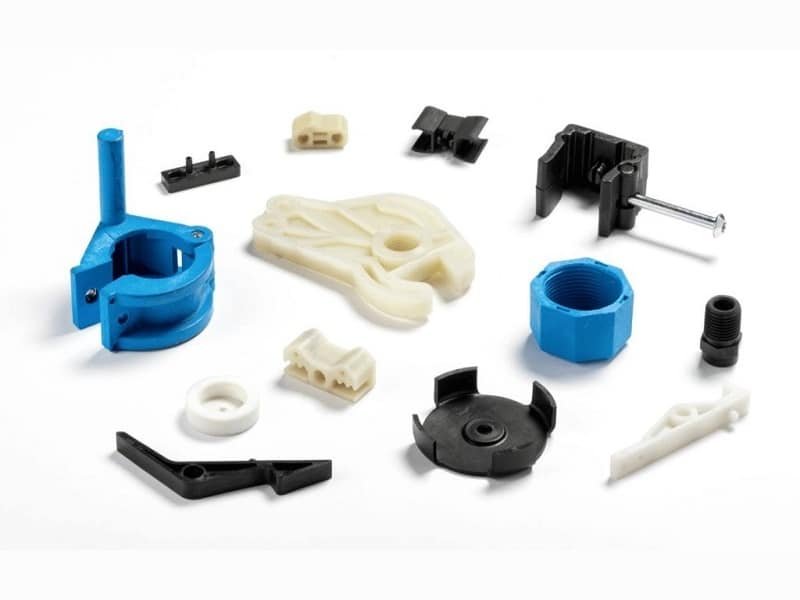
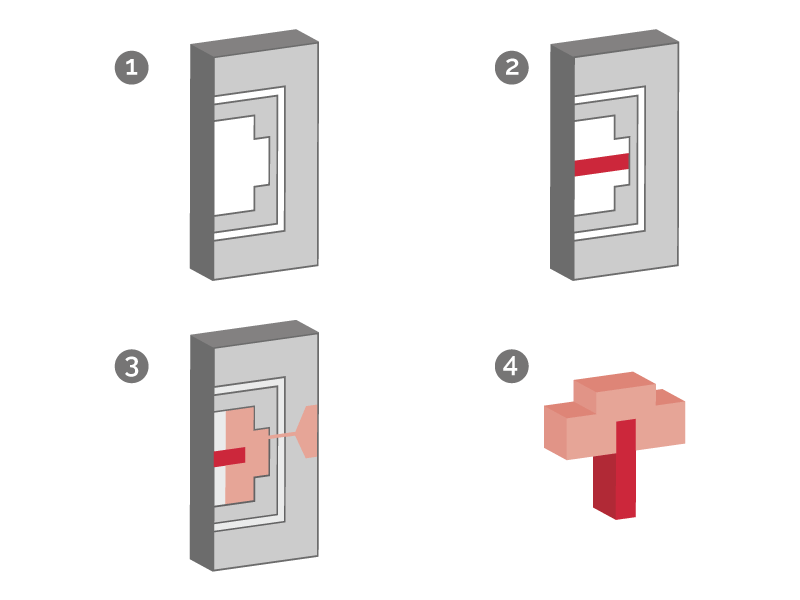
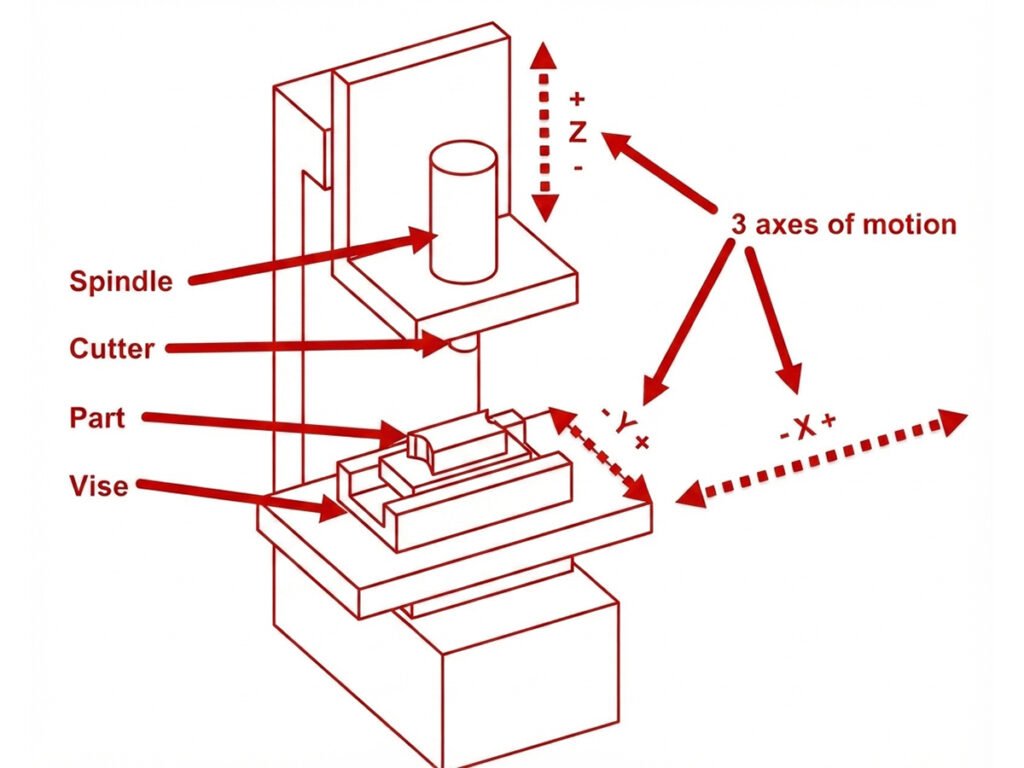
On-demand vs. traditional manufacturing are two different methods of transforming raw materials into finished products. Each method is suited to specific types of products and production scales and has its advantages and limitations. Understanding the difference between traditional and on-demand manufacturing is important for businesses to optimize production strategies, meet customer demands, and enhance overall efficiency in their operations. Which method is better?
Definition and Key Features of On-Demand vs. Traditional Manufacturing
On-Demand Manufacturing refers to a production model where items are made only when needed, typically in response to customer orders. It reduces waste and minimizes upfront costs. Key features include:
- Flexibility: Production can be easily adjusted based on demand.
- Lower Inventory Costs: No need to maintain large stockpiles.
- Quick Turnaround: Fast production times for small quantities.
Traditional Manufacturing is a method where products are mass-produced in large batches, often based on forecasts. Key features include:
- High Initial Investment: Requires significant setup and tooling costs.
- Economies of Scale: Lower per-unit costs for large volume production.
- Less Flexibility: Changes in production require new tooling or adjustments.
Key Differences Between On-Demand and Traditional Manufacturing
Understanding the key differences between on-demand and traditional manufacturing is essential for businesses to choose the right approach for their production needs. Here are the primary distinctions:
Production Volume
- On-Demand Manufacturing: In contrast, on-demand manufacturing is more appropriate for low to medium-volume production. It allows businesses to produce items as needed, catering to niche markets or specific customer requests without the need for large inventories.
- Traditional Manufacturing: This method is ideally suited for high-volume production runs, where the setup costs can be spread over a large number of units. It is popular for producing standardized products in bulk, making it cost-effective for mass-market items.
Customization and Flexibility
- On-Demand Manufacturing: This approach excels in producing complex and customized designs, as technologies like 3D printing allow for the creation of intricate geometries without the need for specialized tooling. This flexibility enables manufacturers to experiment with innovative designs and respond to specific customer needs more effectively.
- Traditional Manufacturing: While traditional methods can produce complex designs, they often require extensive tooling and setup changes, which can be time-consuming and costly. This can limit the ability to efficiently produce intricate or customized products.
Different Time-to-Market
- On-Demand Manufacturing: With its rapid production capabilities and flexibility, on-demand manufacturing significantly reduces time-to-market. Businesses can quickly turn around prototypes and fulfill orders, allowing them to capitalize on trends and customer demands more swiftly.
- Traditional Manufacturing: The production cycle can be lengthy due to the need for setup, tooling, and mass production. This can result in longer lead times, making it challenging to respond quickly to market changes.
Different Costs for Different Production Volumes
- On-Demand Manufacturing: While the per-unit cost may be higher for on-demand production, it offers cost efficiency for low-volume runs. Businesses can avoid the financial risks associated with overproduction and excess inventory, making it a more sustainable option for smaller batches.
- Traditional Manufacturing: This method benefits from economies of scale, where the cost per unit decreases as production volume increases. However, the initial investment in machinery and setup can be substantial, making it less viable for small production runs.
Inventory Management
- On-Demand Manufacturing: Produces goods only when there is demand, minimizing or eliminating the need for inventory.
- Traditional Manufacturing: This relies on maintaining large inventories to meet anticipated demand, which can lead to high storage costs and the risk of overproduction.
How to Choose: Traditional and On-Demand Manufacturing
When ordering custom products, the key factors to consider are order size, delivery speed, budget, and level of customization.
On-Demand Production
- Best for small to medium orders
- Fast turnaround — products are made as needed, no excess inventory
- Highly customizable — easily adjust designs for unique or innovative items
- Low upfront cost — pay per order, avoid large stock investments
- Eco-friendly — produce only what you need, minimizing waste
Traditional Manufacturing
- Best for large volume orders
- Efficient for mass production, but longer lead times
- Standardized products with consistent quality
- Upfront investment required and inventory management needed
- May result in excess stock if demand is overestimated
Quick Guide
- If you want speed, flexibility, low inventory risk, and unique designs → choose On-Demand Production
- If you want large volume, low cost per unit, and consistent products → choose Traditional Manufacturing
Future Trends in Manufacturing
Future Trends in On-Demand Manufacturing
- Expansion of Digital Manufacturing Technologies: The continued development of 3D printing, CNC machining, and other digital manufacturing technologies will enhance the capabilities of on-demand manufacturing.
- Greater Integration with E-commerce: On-demand manufacturing is likely to integrate more closely with e-commerce platforms. This integration will streamline the production process, reduce lead times, and enable personalized product offerings on a large scale.
- AI and Machine Learning: These technologies can predict demand, optimize design for manufacturability, and automate production scheduling, leading to faster and more cost-effective production cycles.
Future Trends in Traditional Manufacturing
- Automation and Industry 4.0: Traditional manufacturing is increasingly adopting automation, robotics, and smart manufacturing technologies. Industry 4.0, characterized by interconnected machines, IoT, and data analytics, is driving efficiency, reducing costs, and improving product quality in traditional manufacturing.
- Mass Customization: To remain competitive, traditional manufacturing is evolving towards mass customization, where large-scale production systems are modified to produce customized products.
- Advanced Materials: Traditional manufacturing is exploring new materials, such as composites, nanomaterials, and bioplastics, to enhance product performance and sustainability. These materials are increasingly integrated into traditional manufacturing processes to create more durable, lightweight, and environmentally friendly products.
Collaboration Between Traditional and On-Demand Manufacturing
As the manufacturing landscape evolves, there will be increasing collaboration between traditional and on-demand manufacturing methods. Hybrid approaches, where certain components are mass-produced while others are customized on-demand, will become more common, combining the strengths of both methods to meet diverse market needs. Zhongde is an on-demand manufacturing company in China that provides custom molding services for plastic and rubber parts. Welcome to contact if any requirements on molded parts.