Polystyrene injection molding uses a low-cost, easy-to-process thermoplastic to produce precise, high-volume parts for packaging, electronics, and consumer products. Understanding key considerations lays the groundwork for improving production quality and efficiency.
What Is Polystyrene?
Polystyrene (PS) is a thermoplastic polymer produced through the addition polymerization of styrene monomers, resulting in a rigid, amorphous material known for its clarity, hardness, and low cost.

In injection molding, these properties translate into a resin with good flow characteristics, relatively low processing temperature requirements, and the ability to form dimensionally precise parts, making PS an efficient and economical material for high-volume production.
Types of Polystyrene
Polystyrene is generally classified into two main grades based on formulation: General Purpose Polystyrene (GPPS) and High Impact Polystyrene (HIPS).
GPPS is a clear, rigid, and cost-effective material with excellent gloss but limited impact resistance. HIPS is modified with rubber additives to improve toughness and impact performance while maintaining the processing advantages of PS. Their key properties are compared below.
| Property | GPPS | HIPS |
|---|---|---|
| Appearance | Transparent, glossy | Opaque, off-white |
| Impact Resistance | Low, brittle | High, tough |
| Rigidity | High | Moderate |
| Density (g/cm³) | ~1.04–1.06 | ~1.03–1.06 |
| Processing Temperature | ~180–260°C | ~180–260°C |
| Shrinkage Rate | ~0.4–0.7% | ~0.4–0.6% |
| Surface Finish | Excellent gloss | Matte, textured possible |
| Typical Applications | Disposable cutlery, CD cases, laboratory containers, packaging | Appliance housings, electronic enclosures, toys, refrigerator liners |
Advantages of Polystyrene Injection Molding
Polystyrene injection molding offers several practical benefits that make it suitable for high-volume, cost-sensitive manufacturing across packaging, electronics, and consumer product applications.
- Low Material Cost — Polystyrene is one of the more economical thermoplastics, helping reduce material expenses in large-scale production.
- Good Flowability — Its low melt viscosity allows efficient filling of thin walls and complex mold features with relatively low processing resistance.
- Fast Cycle Times — Rapid cooling and solidification support shorter molding cycles and higher production efficiency.
- Dimensional Consistency — Low shrinkage and predictable molding behavior help maintain stable part dimensions.
- Design Versatility — PS can be customized with different colors, surface finishes, and additives to achieve specific aesthetic or functional requirements.
- Recyclability — PS can be collected and reprocessed in suitable recycling systems, helping reduce material waste.
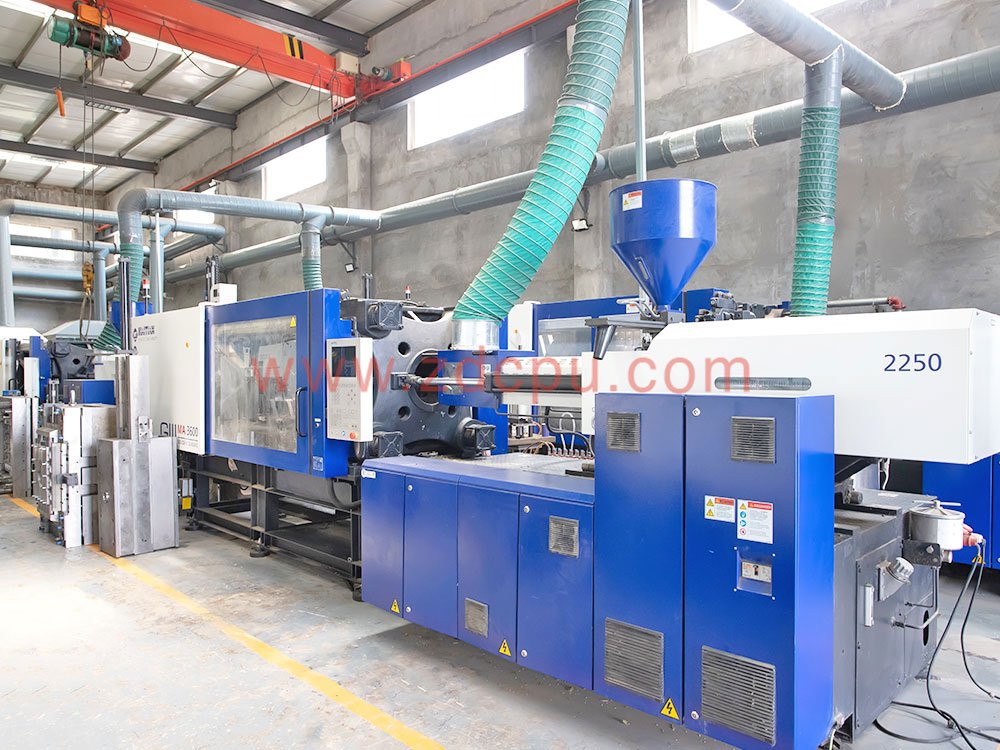
Injection Molding Service
Part Design Considerations for Polystyrene Injection Molding
Beyond general plastic part design principles, polystyrene requires attention to material-specific factors—since GPPS and HIPS behave differently from tougher engineering thermoplastics—such as brittleness, shrinkage behavior, optical clarity, and rubber-phase effects in HIPS.
Managing Stress Concentration
Keep internal corner radii at least 0.5× wall thickness, with larger radii preferred for highly stressed areas. GPPS’s brittleness makes sharp corners more prone to stress concentration and cracking. Avoid abrupt transitions at boss and rib bases, which are common failure points during ejection, and use fillets instead of sharp 90° junctions.
Controlling Shrinkage and Warpage
Maintain consistent wall thickness throughout the part and use gradual transitions between thick and thin sections to promote uniform cooling. Where ribs intersect walls, keep rib thickness around 50–60% of the adjoining wall thickness to reduce sink marks while minimizing cooling differences that can contribute to warpage.
Optical Consistency in Transparent Parts
For clarity-critical GPPS parts, place gates to keep weld lines away from visible areas and use balanced filling patterns to maintain optical consistency. Avoid excessively long flow paths that may cause flow marks, haze, or surface defects.
Surface and Impact Uniformity in HIPS
For appearance-critical HIPS parts, avoid placing gates directly on visible surfaces. High shear near the gate can create local variations in surface texture and gloss. Edge or fan gates are often preferred over pin gates when surface appearance is a priority.
Key Processing Parameters for PS Injection Molding
Polystyrene’s low viscosity and limited thermal processing window require careful control of molding parameters to balance flow performance, surface quality, and thermal stability.
Melt Temperature
Process PS typically within a barrel temperature range of around 180–260°C, adjusting settings based on resin grade, part thickness, and flow requirements. Lower temperatures can shorten cycle times for thin-walled parts, while higher temperatures may be needed for thick sections or long flow paths. Excessive heat exposure above roughly 280°C can cause thermal degradation, resulting in discoloration, splay marks, or other quality issues.
Injection Speed and Pressure
Use moderate-to-fast injection speeds to take advantage of PS’s good flow characteristics, while avoiding excessive shear that may cause jetting or visible flow marks in cosmetic areas. Injection pressure commonly falls within the range of approximately 40–130 MPa, depending on part geometry, gate design, and material grade. HIPS may require slightly higher pressure than GPPS due to its rubber modification.
Mold Temperature
Maintain mold temperatures around 20–60°C depending on surface requirements and cycle-time targets. Lower temperatures improve productivity, while higher mold temperatures can enhance surface gloss and reduce weld line visibility in appearance-critical GPPS parts.
Cooling Time and Cycle Efficiency
PS cools relatively quickly compared with many engineering thermoplastics, but uneven cooling across different wall sections is a common cause of warpage. Optimize cooling channel placement around thicker areas, ribs, and bosses instead of simply extending overall cooling time.
Back Pressure and Screw Speed
Use moderate-to-low back pressure to achieve consistent melting while minimizing unnecessary shear heat. Moderate screw speeds help control plasticizing conditions, reducing the risk of degradation, black specks, or unmelted material in finished parts.
Applications of PS Injection Molding
Polystyrene injection molding is widely used for products that require cost efficiency, easy processing, optical clarity, or impact resistance.
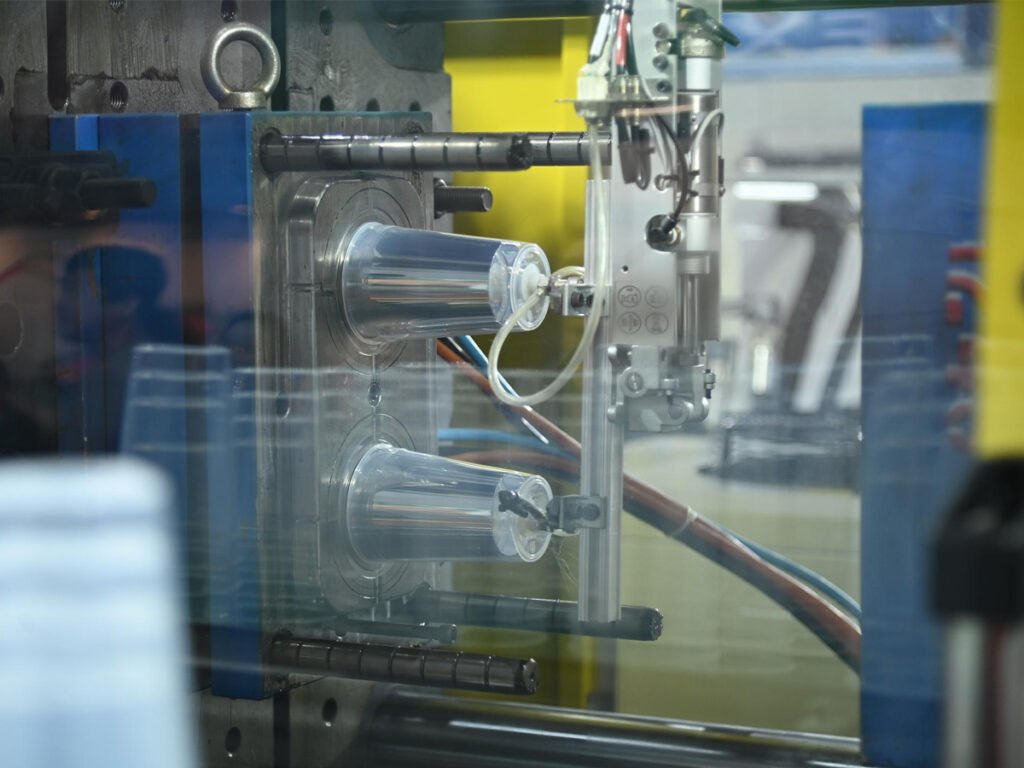
- Packaging — Transparent containers, disposable cups, and clamshell packaging can benefit from GPPS’s clarity, rigidity, and low material cost.
- Consumer Electronics — HIPS is widely used for appliance housings, remote controls, and interior components where toughness and dimensional stability are needed.
- Medical and Laboratory Products — GPPS is used for certain single-use laboratory and diagnostic components where transparency, rigidity, and dimensional accuracy are important.
- Toys and Household Goods — HIPS’s impact resistance and ease of coloring make it common in toy parts, storage containers, and small household items.
- Point-of-Sale Displays — GPPS’s optical clarity and rigidity make it suitable for signage, display cases, and retail fixtures.
Conclusion
From material selection to process optimization, polystyrene injection molding demands precision at every stage. Zhongde’s custom injection molding service combines technical expertise with tailored tooling solutions to help you achieve consistent quality, whether producing transparent GPPS components or impact-resistant HIPS parts for your specific application.
Need Custom Polystyrene Parts?