Designing plastic parts requires more than creating a shape that fits a product. Designers need to consider factors such as mechanical performance, material behavior, assembly requirements, and long-term usage conditions. This guide explores the essential design principles that help create functional, durable, and efficient plastic components.
Basic Principles of Plastic Part Design
A good plastic part design starts with a clear understanding of the part’s role within the final product. Instead of adding unnecessary features or material, designers should aim for a simple and efficient structure that provides the required performance.
Effective designs usually follow several core principles: keeping the structure as simple as possible, using material only where it contributes to function, considering how different features work together, and leaving enough flexibility for future improvements or production needs.
Structural Design Considerations for Plastic Parts
The structural performance of a plastic part depends largely on how its geometry manages forces during use. Since plastics are generally less rigid than metals, designers often rely on shape optimization rather than simply adding more material to achieve the required strength.
Load Distribution and Stress Control
The first step in structural design is understanding how forces move through the part. Areas around mounting points, joints, corners, and load-bearing sections usually experience higher stress and require careful reinforcement.
Instead of increasing the thickness of the entire component, designers should focus on improving the load path by adding support features or adjusting geometry in critical areas. Smooth transitions between different sections also help reduce sudden changes in stress concentration.
For example, a plastic bracket supporting an external load should be reinforced around the connection area where forces enter the part, rather than making the whole bracket thicker.
Stiffness Optimization
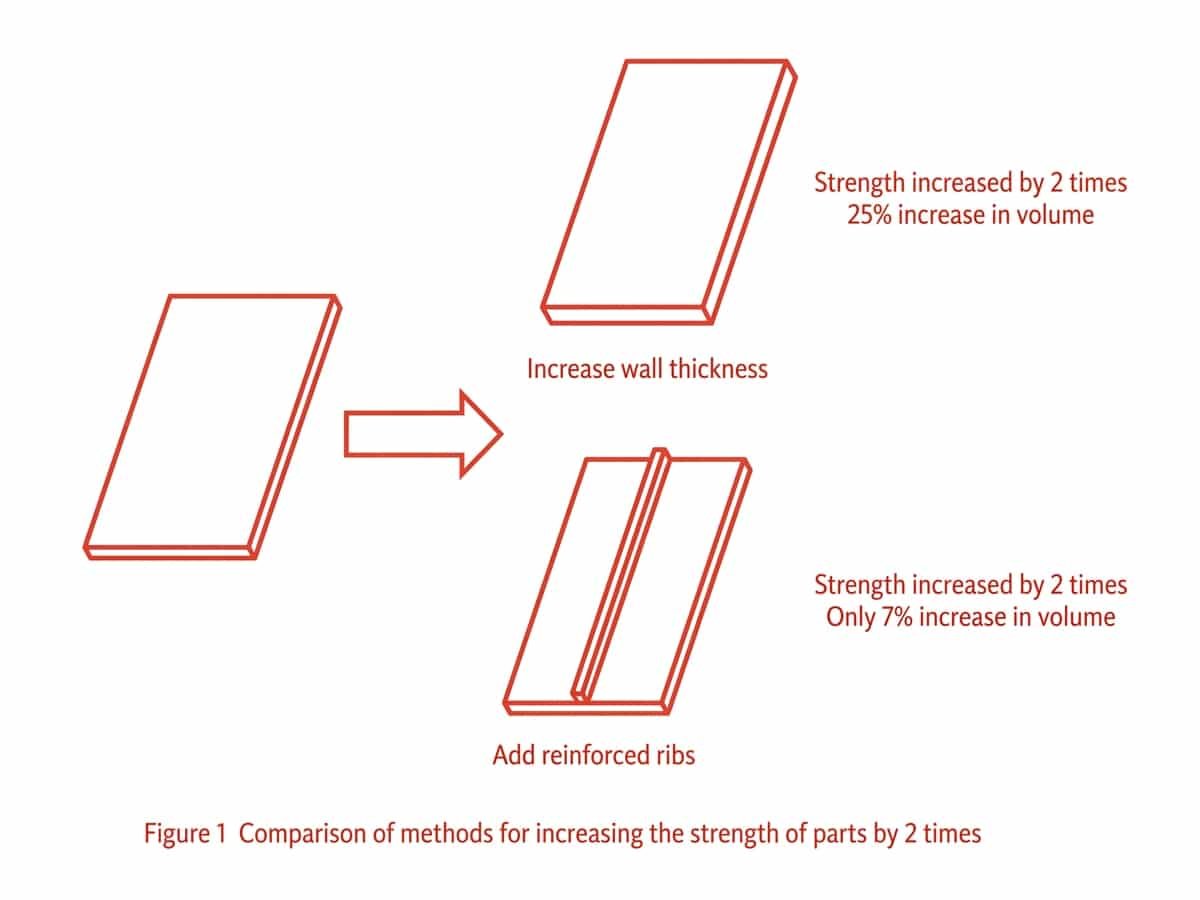
Stiffness determines how well a plastic part maintains its shape under applied forces. Excessive deformation can affect assembly accuracy, sealing performance, or the user experience.
Designers can improve stiffness by modifying the part’s geometry, such as increasing structural depth, adding reinforcement features, or adjusting the arrangement of supporting sections. The goal is to achieve the required rigidity while keeping the part lightweight and efficient.
For example, a flat plastic panel may bend easily under load, while adding structural features to the rear surface can significantly improve rigidity without greatly increasing material usage.
Assembly Design Considerations for Plastic Parts
Plastic components are rarely used as isolated parts. In most products, they need to connect with other components through fasteners, snap features, or precise fitting relationships. A good assembly design ensures that parts can be installed correctly, remain secure during use, and maintain their function over time.
Fastening and Mounting Features
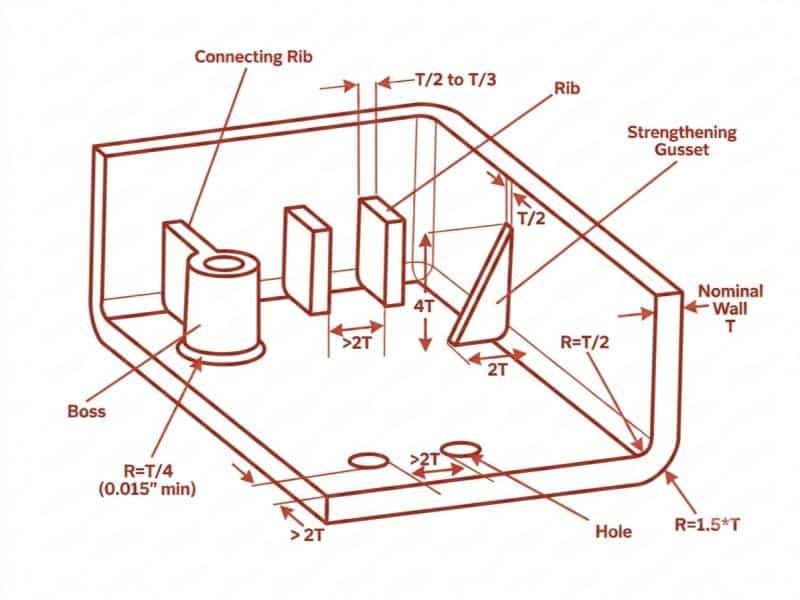
Fastening features provide stable connections between plastic parts and other components. Common solutions include screw bosses, threaded inserts, mounting posts, and locating features.
The design of these features should match the expected loading conditions. Areas exposed to repeated tightening, pulling forces, or vibration may require additional structural support. The position of mounting points should also consider how forces are transferred through the assembly.
For example, an electronic enclosure may use screw bosses to secure a circuit board or cover. These mounting points need enough support to withstand repeated assembly while maintaining accurate component positioning.
Snap-Fit Connections
Snap-fits are widely used in plastic assemblies because they allow quick installation without additional hardware. Their performance depends on the balance between flexibility, retention force, and long-term durability.
Key design factors include the flexibility of the locking section, the required engagement force, and the number of assembly cycles. A snap-fit designed for a disposable product may prioritize simple assembly, while one used in a serviceable product may need to withstand repeated opening and closing. For detailed guidance on snap-fit geometry, material selection, and design parameters, see our guide to snap fit design.
Fit and Tolerance Control
The relationship between mating parts determines whether an assembly functions properly. Designers need to define appropriate fits based on the purpose of each connection.
Clearance fits allow movement or easier installation, while interference fits provide stronger retention between components. Choosing the right fit depends on factors such as assembly requirements, part function, and expected operating conditions. For a deeper understanding of different fit categories and their applications, you can learn more about types of fits.
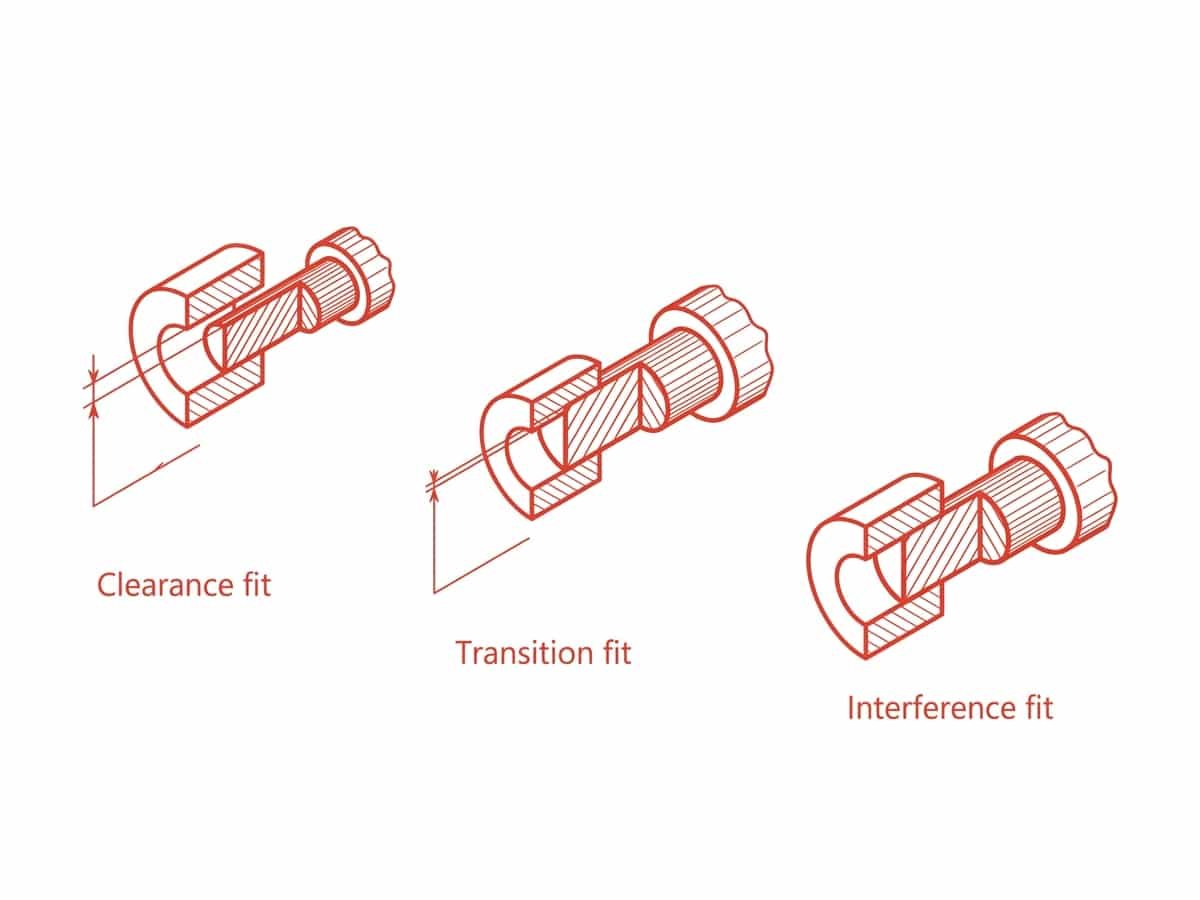
For example, a removable plastic cover requires enough clearance for smooth assembly, while a positioning feature may need a more controlled fit to maintain accurate alignment between components.
Functional Design Considerations for Plastic Parts
Beyond structural strength and assembly requirements, plastic parts must also be designed around their intended functions and operating conditions. Features that interact with users, moving components, or external environments require careful consideration to ensure reliable performance throughout the product’s service life.
Flexible Features and Moving Mechanisms
Some plastic parts use controlled flexibility to create movement without additional mechanical components. Common examples include living hinges, flexible arms, and compliant mechanisms.
When designing flexible features, consider the material’s fatigue resistance, the required range of movement, and the expected number of operating cycles. The flexible section should provide enough deformation for the intended function while avoiding excessive stress during repeated use.
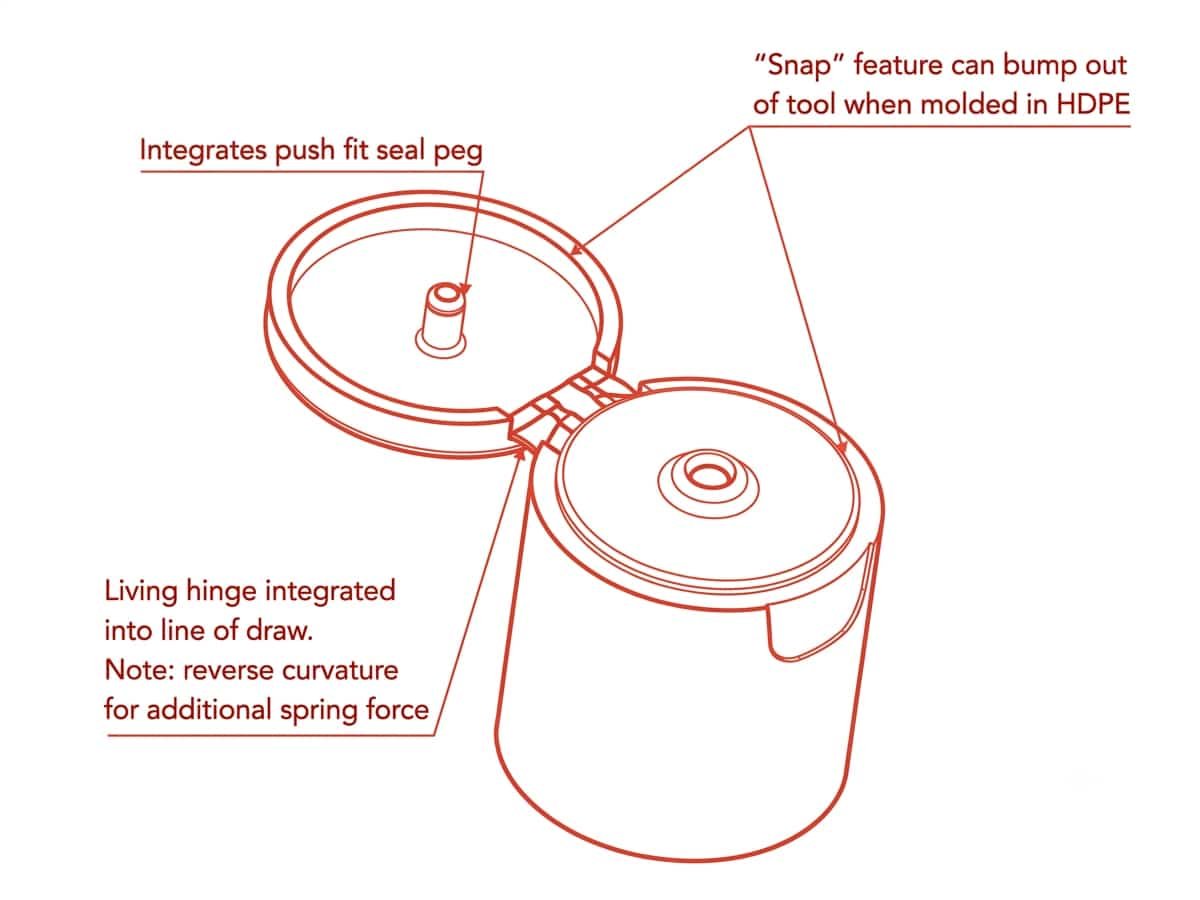
For example, a plastic container lid with a living hinge needs to maintain flexibility through repeated opening and closing, while a one-time snap connection has much lower cycle requirements.
Sealing and Protection Features
Plastic components used in housings, covers, and protective assemblies often need to prevent the entry of moisture, dust, or other contaminants. The sealing function depends on the interaction between the plastic structure, sealing elements, and mating components.
When designing protective features, consider the sealing interface, gasket positioning, contact surfaces, and environmental conditions. Proper alignment and stable contact between components are essential for maintaining reliable protection during use.
For example, an electronic enclosure may require carefully designed interfaces to support a gasket and maintain protection against water or dust exposure.
User Interaction and Ergonomic Design
For plastic parts handled directly by users, geometry and surface characteristics influence comfort, usability, and product experience.
Important factors include grip shape, contact area, operating force, surface texture, and edge conditions. A handle, control button, or handheld housing should be designed according to how users hold, press, or interact with the part.
For example, a frequently used plastic handle should provide sufficient grip and comfort, while a decorative cover may focus more on appearance and surface quality.
Conclusion
Good plastic part design requires balancing structural performance, assembly requirements, and functional needs. By considering how a part will be used, connected, and exposed to real-world conditions, designers can create components that are reliable, efficient, and suitable for production.
If you are developing a new component and need support with material selection, design optimization, or production solutions, Zhongde provides custom plastic parts tailored to different application requirements. Our team can help review your design and provide practical recommendations from prototyping to mass production.