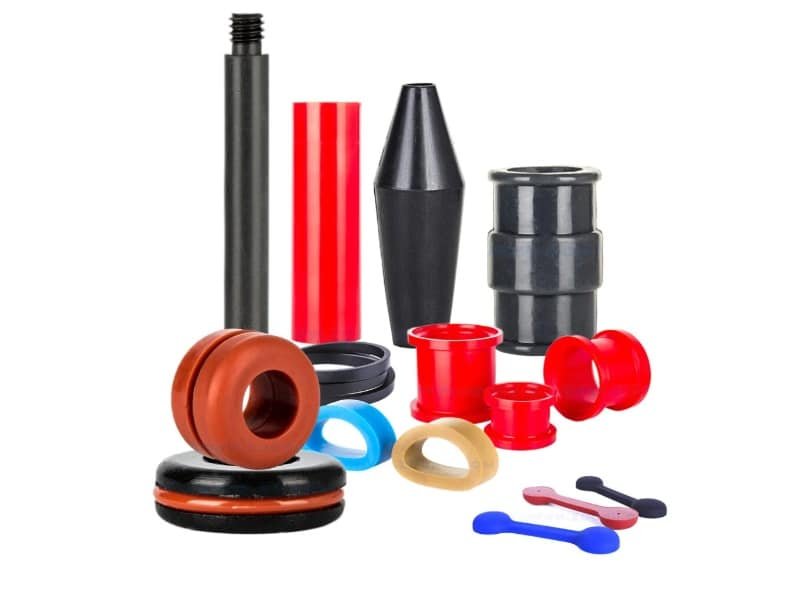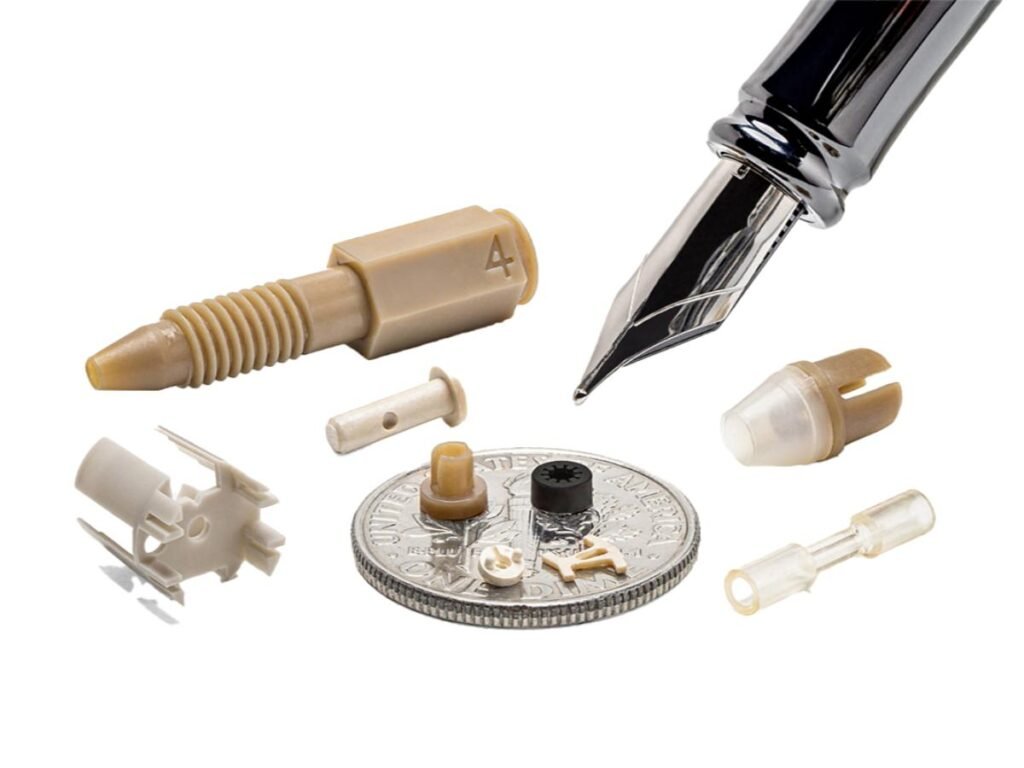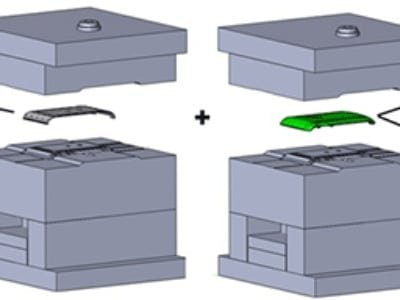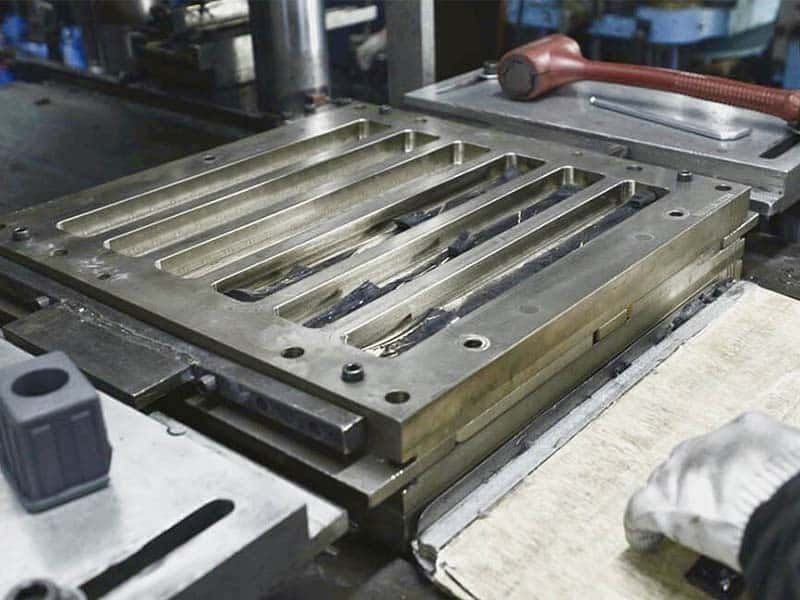
Vacuum compression molding is an advanced variation of the traditional compression molding process, which improves part quality by eliminating trapped air and volatile gases during molding. For rubber, thermoset plastics, and composite materials, this process offers a reliable solution for producing dense, defect-free components with consistent mechanical performance.
What Is Vacuum Compression Molding?
Vacuum compression molding is a molding technique in which a vacuum is applied to the mold cavity before or during the compression phase. This step removes entrapped air, moisture, and volatile substances from the material and mold environment before curing begins.
In a standard compression molding process, material is placed into a heated mold and compressed to shape. However, without vacuum assistance, air pockets and gas entrapment can lead to defects such as voids, burn marks, or incomplete filling.
When Should You Choose Vacuum Compression Molding?
Vacuum compression molding is a suitable choice under the following conditions:
- The product requires minimal internal defects, such as voids or air pockets
- The material is high viscosity, such as rubber or thermosets
- The part has a relatively thick cross-section
- Production volume is medium to low, with a focus on quality rather than speed
- The application demands high reliability, such as automotive or electrical components
Vacuum Compression Molding Process
The vacuum compression molding process is similar to conventional compression molding, with the addition of a vacuum stage to improve part quality.
- Material preparation. The material charge is weighed and sometimes preheated to improve flow. Multi-cavity molds are common to increase output per cycle.
- The material is placed into the mold, which is then partially closed. A vacuum is applied to remove air and gases, reducing the risk of air entrapment.
- Once the desired vacuum level is reached, the mold is fully closed. Heat and pressure are applied, allowing the material to flow, fill the cavity, and cure.
- After curing, the part is cooled and removed from the mold. In some cases, secondary operations such as deflashing may be required.
Key Advantages of Vacuum Compression Molding
Compared to traditional compression molding, Vacuum compression molding offers several practical benefits that make it suitable for precision applications.
Lower Internal Defect Risk
Compared to traditional compression molding, vacuum compression molding significantly reduces air entrapment by removing gases before curing. This results in fewer voids and internal defects, which is especially important for sealing components and structurally sensitive parts.
Better Surface Quality
Vacuum conditions allow the material to contact the mold surface more evenly, leading to smoother finishes and fewer surface imperfections than traditional compression molding, where trapped air can cause marks or inconsistencies.
More Consistent Mechanical Performance
By minimizing internal porosity, vacuum compression molding produces parts with more stable mechanical properties. In contrast, traditional compression molding may result in variability due to uneven material distribution or air pockets.
Lower Scrap Rate in Critical Applications
Although both processes are material-efficient, vacuum compression molding typically results in fewer rejected parts when quality requirements are strict. Traditional compression molding is more prone to defects, which can increase rework or scrap rates.
Improved Filling for Thick or High-Viscosity Materials
Vacuum compression molding performs better when molding thick sections or high-viscosity materials, as the vacuum helps eliminate flow resistance caused by trapped air. Traditional compression molding may struggle with incomplete filling under these conditions.
Limitations and Challenges of Vacuum Compression Molding
Despite its advantages, vacuum compression molding is not suitable for every application.
Higher Tooling and Equipment Cost
Compared to traditional compression molding, vacuum compression molding requires additional vacuum systems and tighter mold sealing, which increases tooling complexity and upfront investment.
Longer Cycle Time
The added vacuum stage extends the molding cycle, making vacuum compression molding slower than traditional compression molding, which follows a simpler and faster process.
More Demanding Process Control
Vacuum compression molding requires precise control of vacuum level, timing, and sealing conditions. Traditional compression molding is generally more tolerant of process variations and easier to operate.
Materials Used in Vacuum Compression Molding
Material selection plays a critical role in the success of vacuum compression molding. The process is most commonly used with the following material categories:
Rubber Materials
Rubber is one of the primary materials used in vacuum compression molding due to its high viscosity and tendency to trap air. Common options include:
- Silicone rubber: Suitable for high-temperature and medical applications
- EPDM: Excellent weather and ozone resistance
- NBR (Nitrile rubber): Ideal for oil-resistant components
Thermoset Plastics
Thermosetting materials are widely used because they undergo irreversible curing, making them suitable for high-performance applications:
- Phenolic resins
- Epoxy resins
- Polyester-based compounds
Composite Materials
Vacuum compression molding is also used for fiber-reinforced composites such as:
- SMC (Sheet Molding Compound)
- BMC (Bulk Molding Compound)
Vacuum Compression Molding vs Traditional Compression Molding
| Factor | Vacuum Compression Molding | Traditional Compression Molding |
|---|---|---|
| Part Quality Consistency | Very high; minimal voids and air pockets | Moderate; risk of trapped air and inconsistencies |
| Surface Finish | Cleaner surfaces with fewer defects | May require additional finishing |
| Internal Defect Risk | Extremely low due to vacuum degassing | Higher risk of bubbles, burn marks, or voids |
| Mechanical Performance | More stable and reliable | Can vary depending on air entrapment |
| Suitability for Critical Applications | Ideal for automotive, electronics, sealing systems | Suitable for general-purpose components |
| Cost per Part | Slightly higher due to added process control | Lower initial production cost |
| Tooling & Setup Complexity | More complex (vacuum system required) | Simpler tooling |
| Production Efficiency | Slightly longer cycle time | Faster for basic parts |
| Scrap Rate / Defect Rate | Lower (fewer rejected parts) | Higher risk of rework or scrap |
Applications of Vacuum Compression Molding
Vacuum compression molding is widely used across multiple industries. Automotive- Gaskets
- Vibration dampers
- Composite panels.
- Insulation components
- Connectors
- Housings
- Valve seals
- Diaphragms