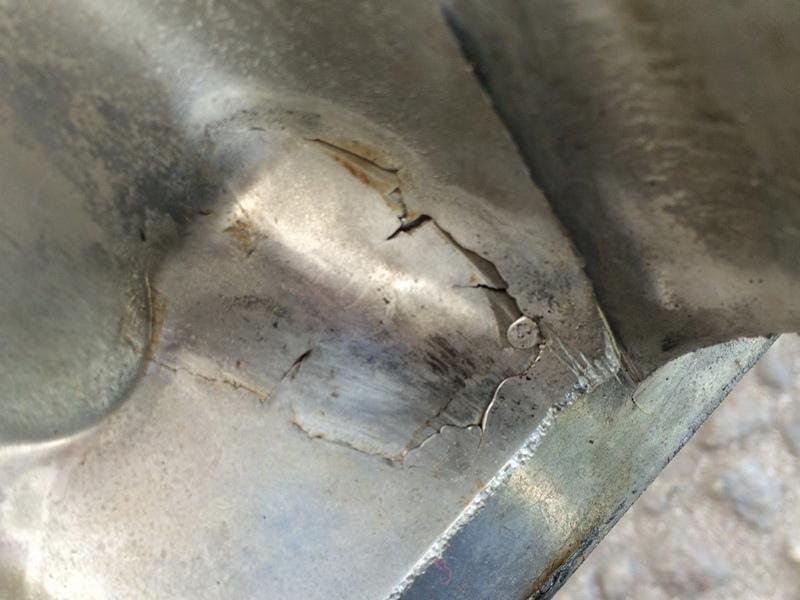
Casting defects can affect the dimensional accuracy, mechanical properties, and surface quality of finished metal parts. They may result from problems with mold design, molten metal flow, solidification, or process control. Understanding the relationship between defect patterns and their causes provides a practical basis for troubleshooting and process improvement.
What Are Casting Defects?
Casting defects are unwanted discontinuities or deviations that develop when molten metal is poured, fills the mold cavity, and solidifies. They can result from trapped gases, insufficient molten metal feeding, uneven heat transfer, or improper mold conditions.
Depending on their location and severity, these defects may affect surface finish, dimensional accuracy, mechanical strength, and the structural integrity of the finished component.
Types of Casting Defects
Casting defects vary depending on the mold system and production method. For example, the investment casting process uses a ceramic shell rather than a conventional sand mold, introducing different process-related defect risks.
Gas-Related Defects
Gas-related defects occur when air, water vapor, or gases released during mold filling and metal solidification become trapped in the molten metal or fail to escape through the mold venting system. They commonly appear as rounded cavities, small surface openings, or distributed pores within the casting.
Gas Porosity
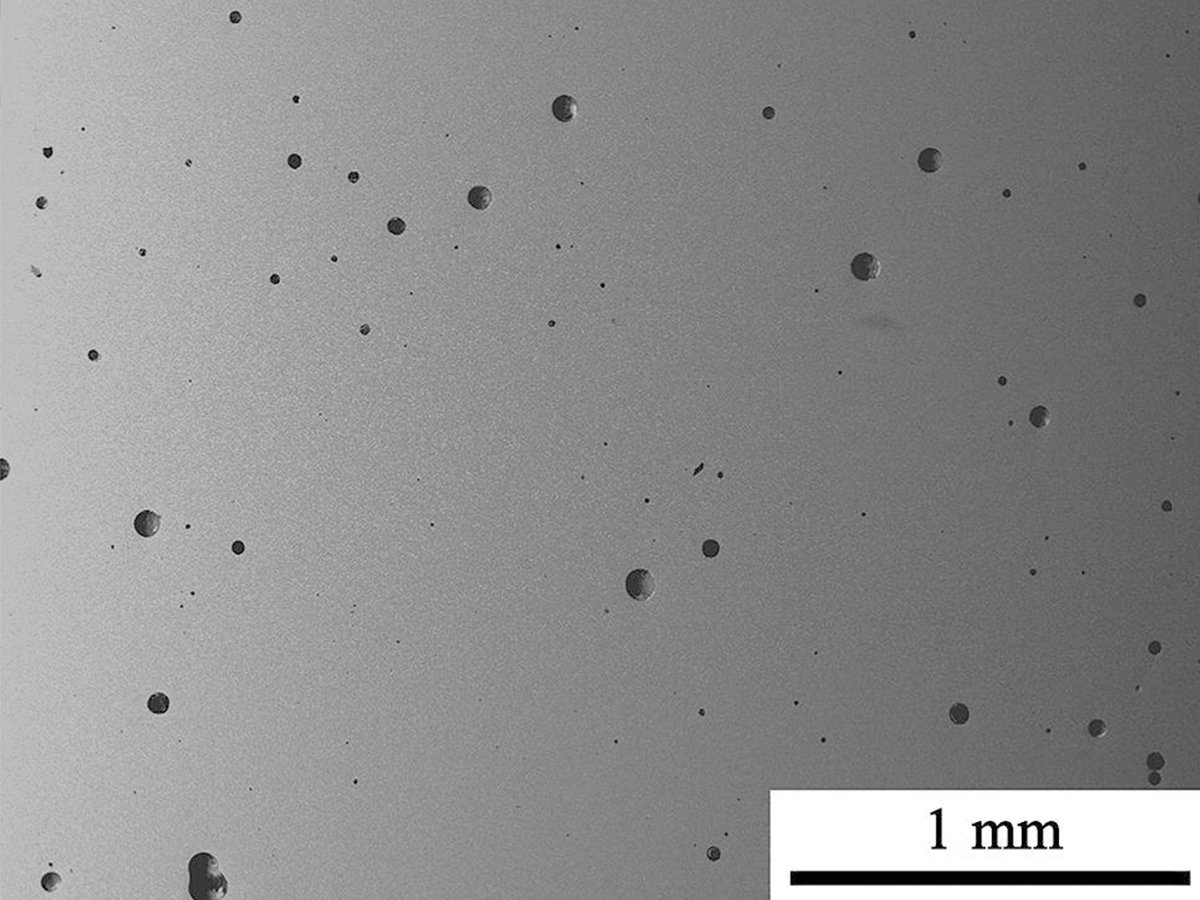
- Appearance: Small, rounded or nearly spherical cavities distributed throughout the casting or concentrated in certain areas.
- Formation Mechanism: Gas dissolved in molten metal becomes less soluble as the metal cools and solidifies. The released gas forms bubbles that become trapped in the solidifying metal.
- Solutions: Degas the molten metal, control melt temperature, reduce turbulence during pouring, and optimize venting to limit gas entrapment.
Blowholes
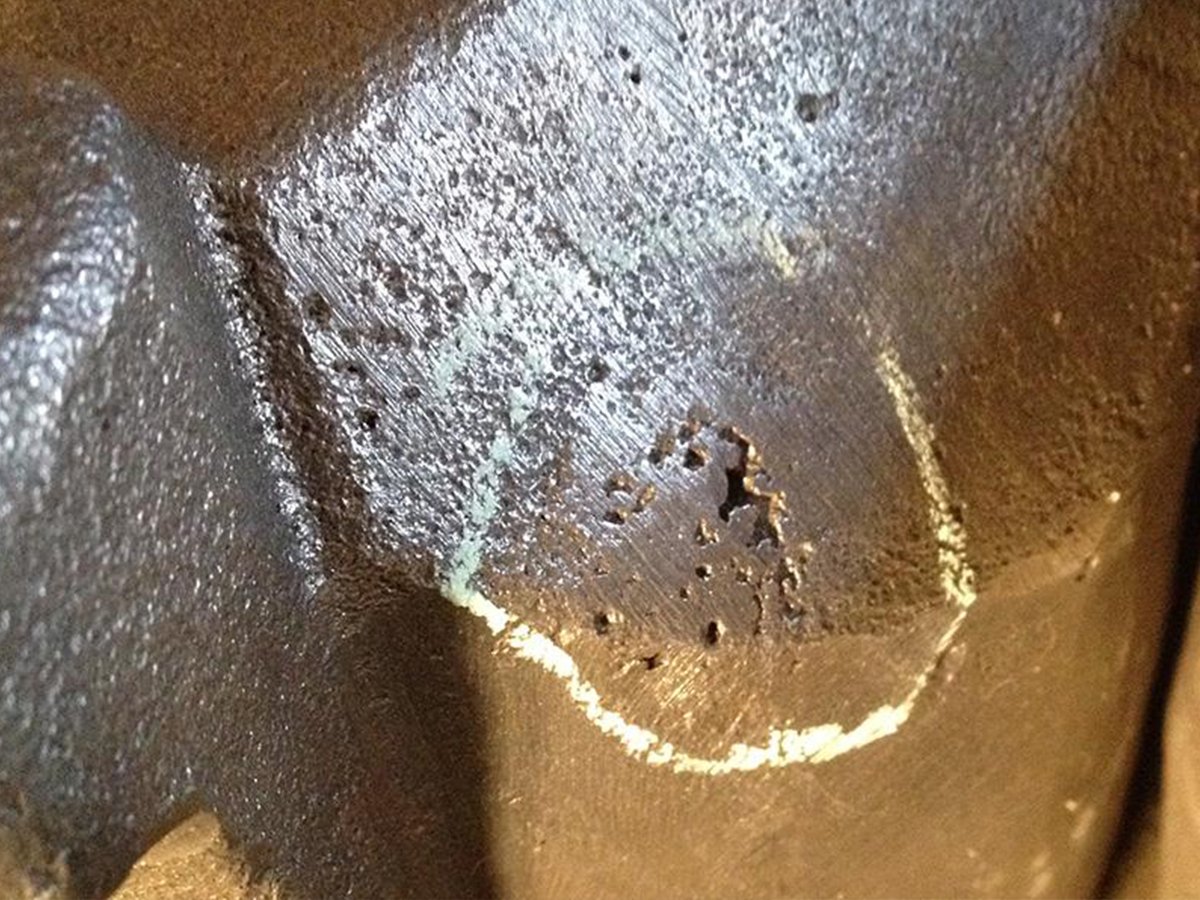
- Appearance: Relatively large, smooth-walled cavities found inside or near the surface of castings. They are often rounded or elongated.
- Formation Mechanism: Gas generated by moisture, binders, or other mold materials accumulates during pouring. If it cannot escape through the mold’s venting system, it enters the molten metal and forms cavities.
- Solutions: Control mold moisture, improve sand permeability and venting, check binder content, and maintain appropriate pouring conditions.
Pinholes
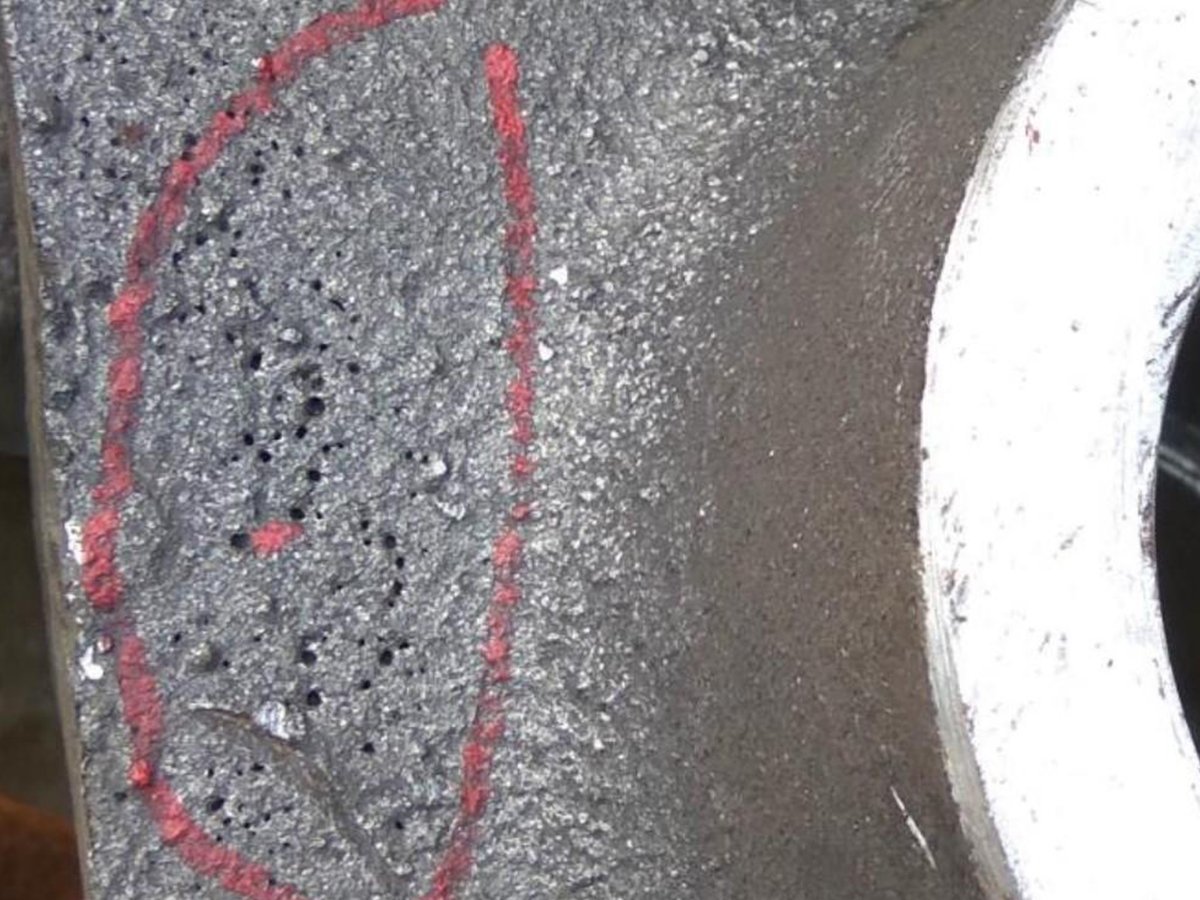
- Appearance: Tiny, nearly spherical holes on the casting surface or just beneath it. They may appear in clusters and become more noticeable after machining or surface finishing.
- Formation: Hydrogen or other gases remain dissolved in molten metal and form numerous microscopic bubbles during solidification.
- Solutions: Apply appropriate melt degassing, maintain clean and dry charge materials, and control pouring temperature to limit gas absorption.
Shrinkage Defects
As molten metal cools and solidifies, its volume decreases. If the casting process does not provide sufficient molten metal to compensate for this contraction, shrinkage defects may develop in the form of internal cavities or surface depressions.
Shrinkage Cavities
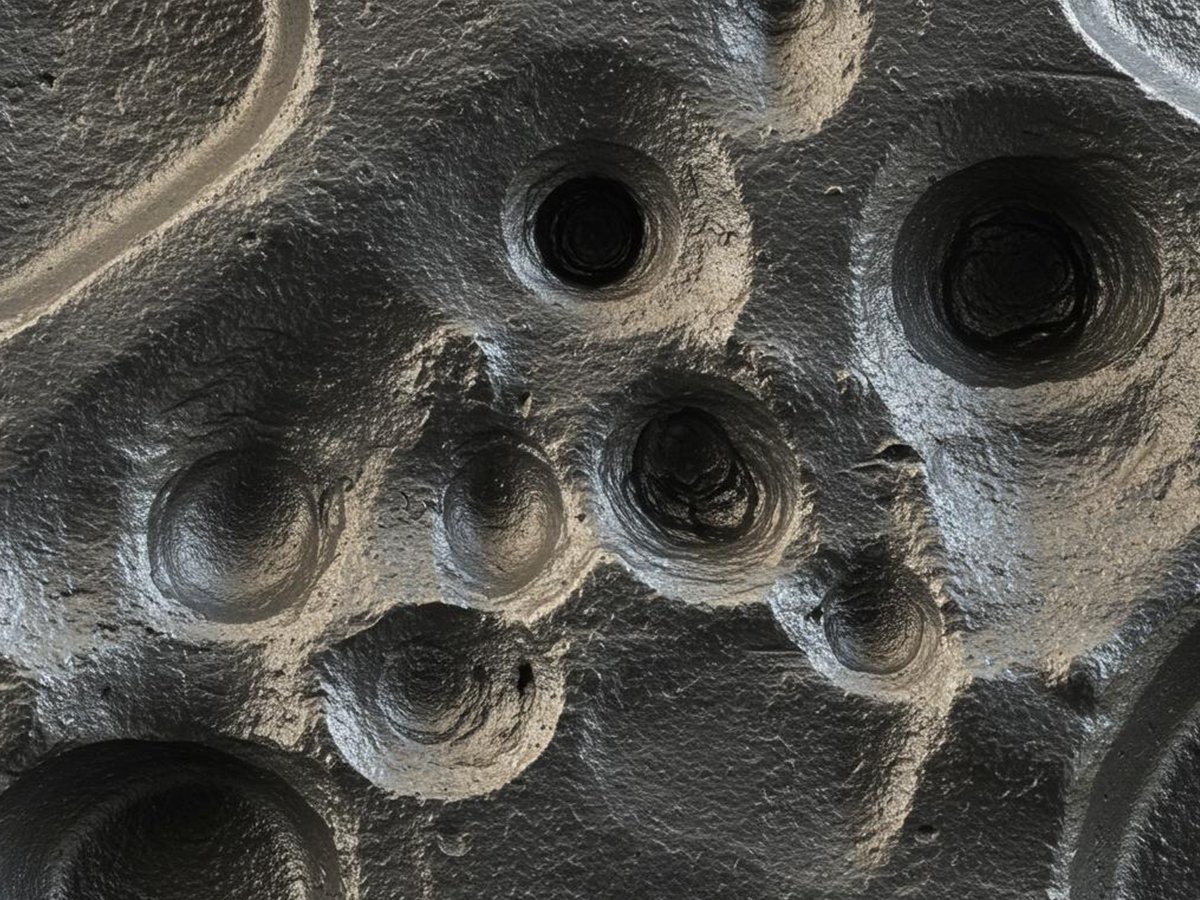
- Appearance: Large, irregular cavities, often found in thicker sections or near the center of a casting. Their inner surfaces may appear rough or dendritic.
- Formation: As molten metal solidifies and contracts, insufficient feeding leaves unfilled spaces in regions that solidify last.
- Solutions: Optimize riser size and placement, use directional solidification, and adjust casting geometry to reduce isolated hot spots.
Shrinkage Porosity
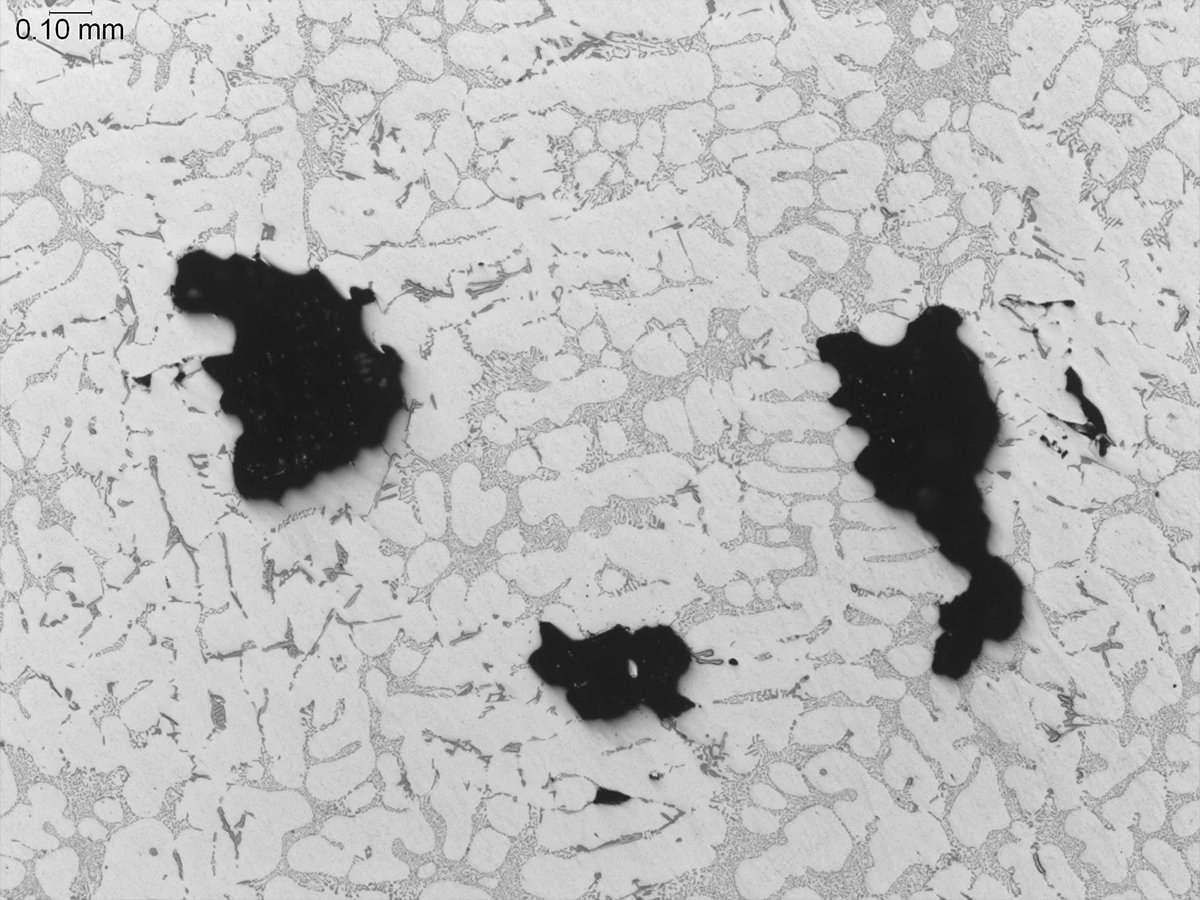
- Appearance: Groups of small, irregularly shaped voids, often concentrated in the center of thick sections or near hot spots. Unlike typical gas pores, they tend to have rough, interconnected surfaces.
- Formation: As the metal solidifies, the remaining liquid cannot adequately feed the contracting solidifying regions, creating microscopic voids between growing dendrites.
- Solutions: Optimize riser design, improve feeding channels, control cooling rates, and use chills where appropriate to promote directional solidification.
Sink Marks
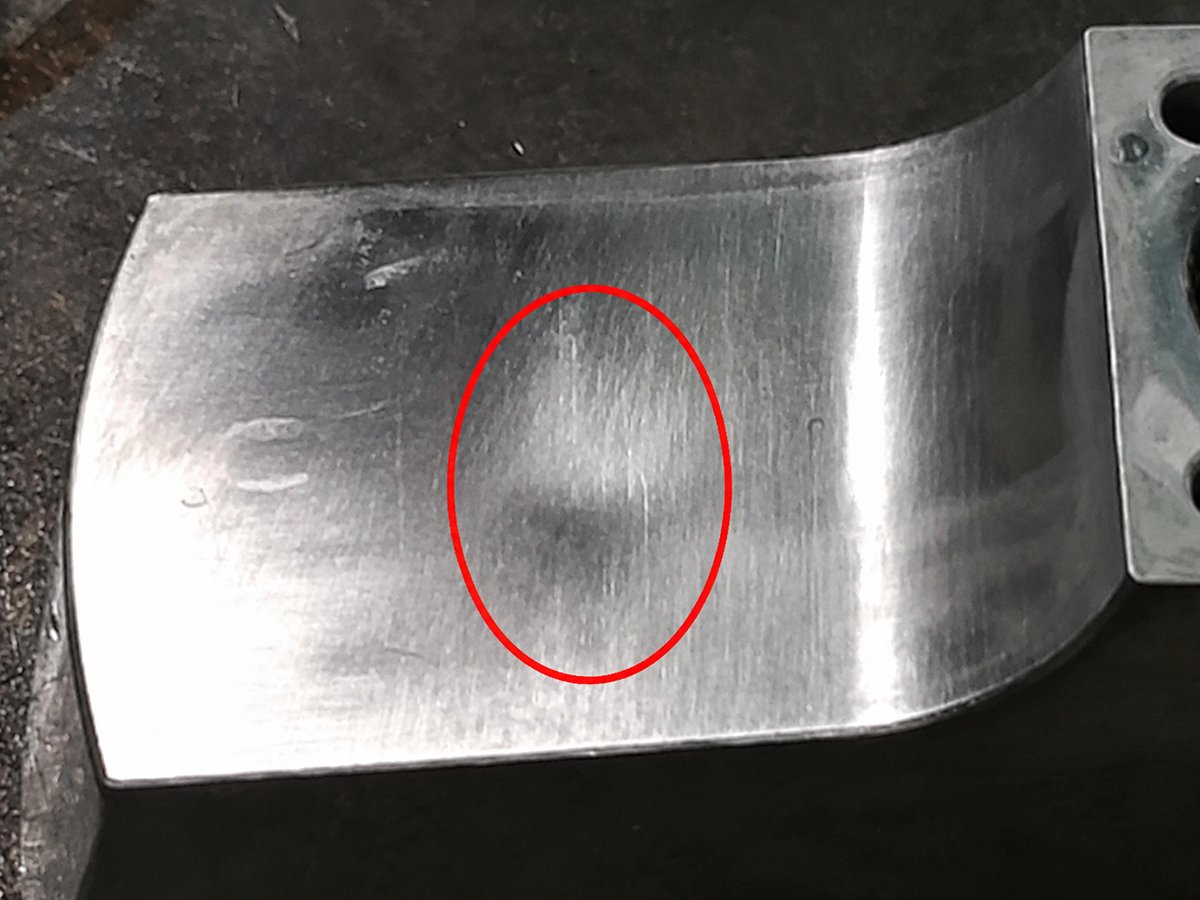
- Appearance: Shallow depressions or localized surface indentations, typically found above thick sections, ribs, or other areas with concentrated metal mass.
- Formation: The underlying metal contracts during cooling, pulling the surface inward when the surrounding solidified metal cannot accommodate the volume reduction.
- Solutions: Reduce excessive section thickness, improve riser feeding, and adjust mold cooling conditions to minimize localized contraction.
Filling-Related Defects
Mold filling requires molten metal to flow through the gating system and reach every section of the cavity before solidification begins. Poor flow conditions or premature cooling can interrupt this process and produce various filling-related defects.
Misruns
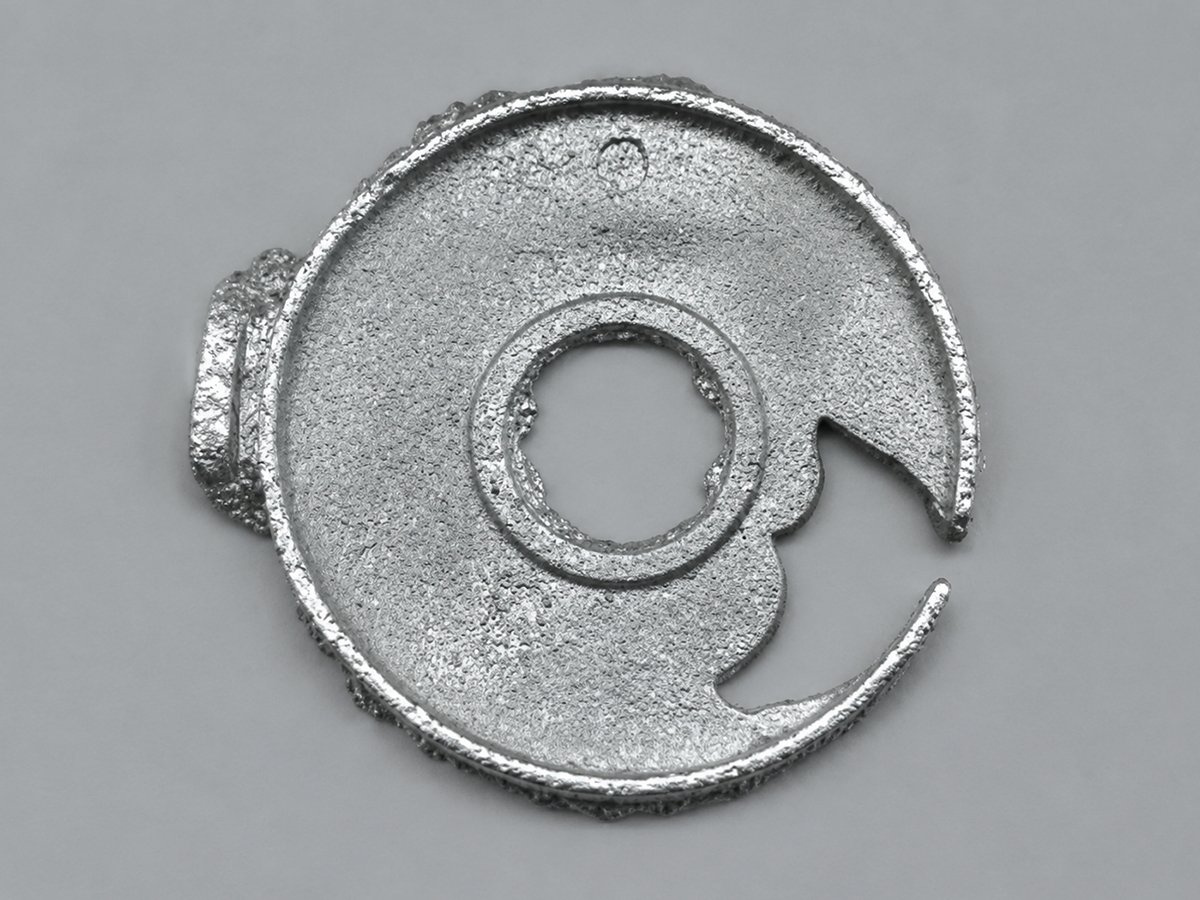
- Appearance: Incomplete castings with missing sections, rounded edges, or unfilled thin-walled areas. The metal may stop flowing before reaching the entire mold cavity.
- Formation: Molten metal loses fluidity before filling the cavity, often due to low pouring temperature, slow filling, or excessive heat loss.
- Solutions: Increase pouring temperature within the alloy’s recommended range, improve gating design, shorten filling time, and ensure adequate metal flow into thin sections.
Cold Shuts
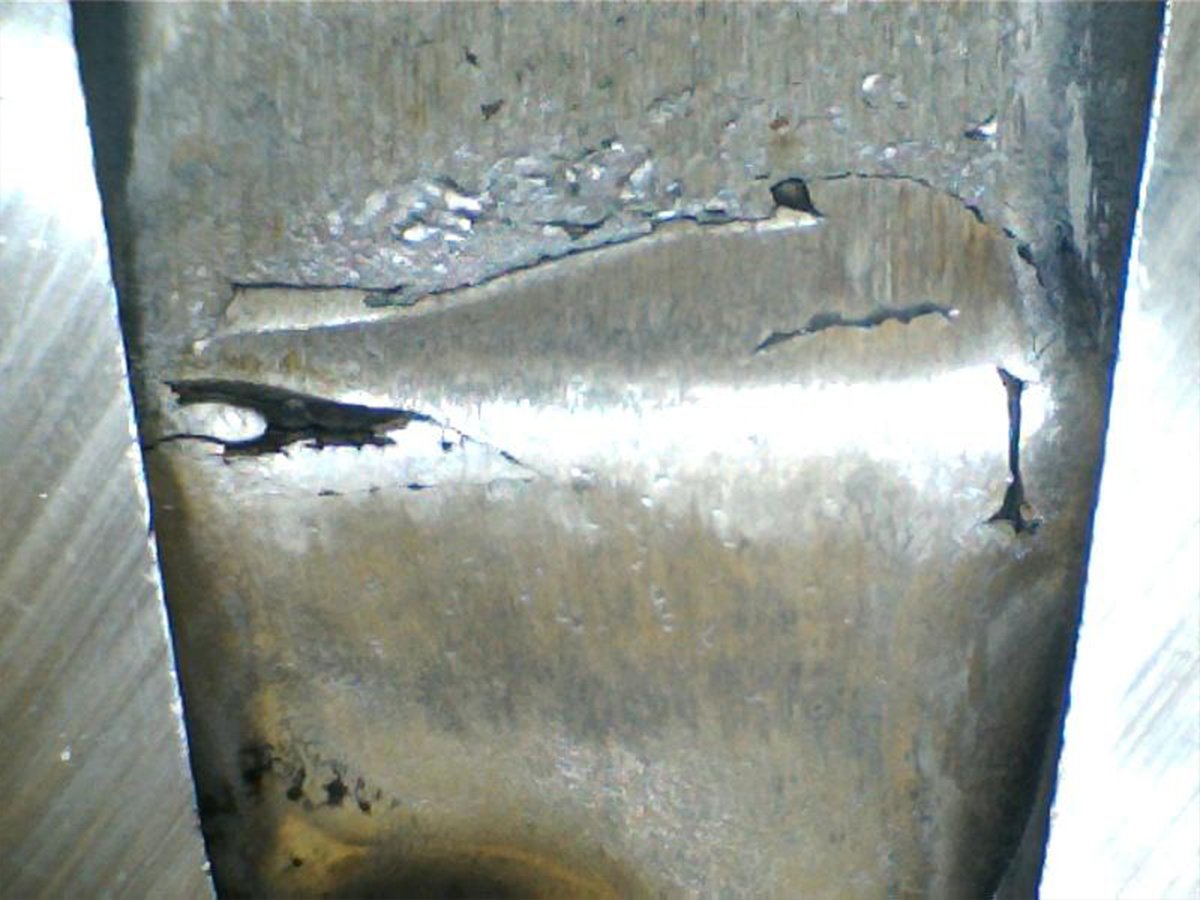
- Appearance: Thin, visible lines or seams on the casting surface where two metal streams meet but fail to form a continuous structure.
- Formation: Separate streams of molten metal cool excessively before joining, preventing proper fusion at their meeting point.
- Solutions: Maintain suitable pouring temperatures, optimize filling speed and gating layout, and reduce turbulence or premature cooling during mold filling.
Cold Shots
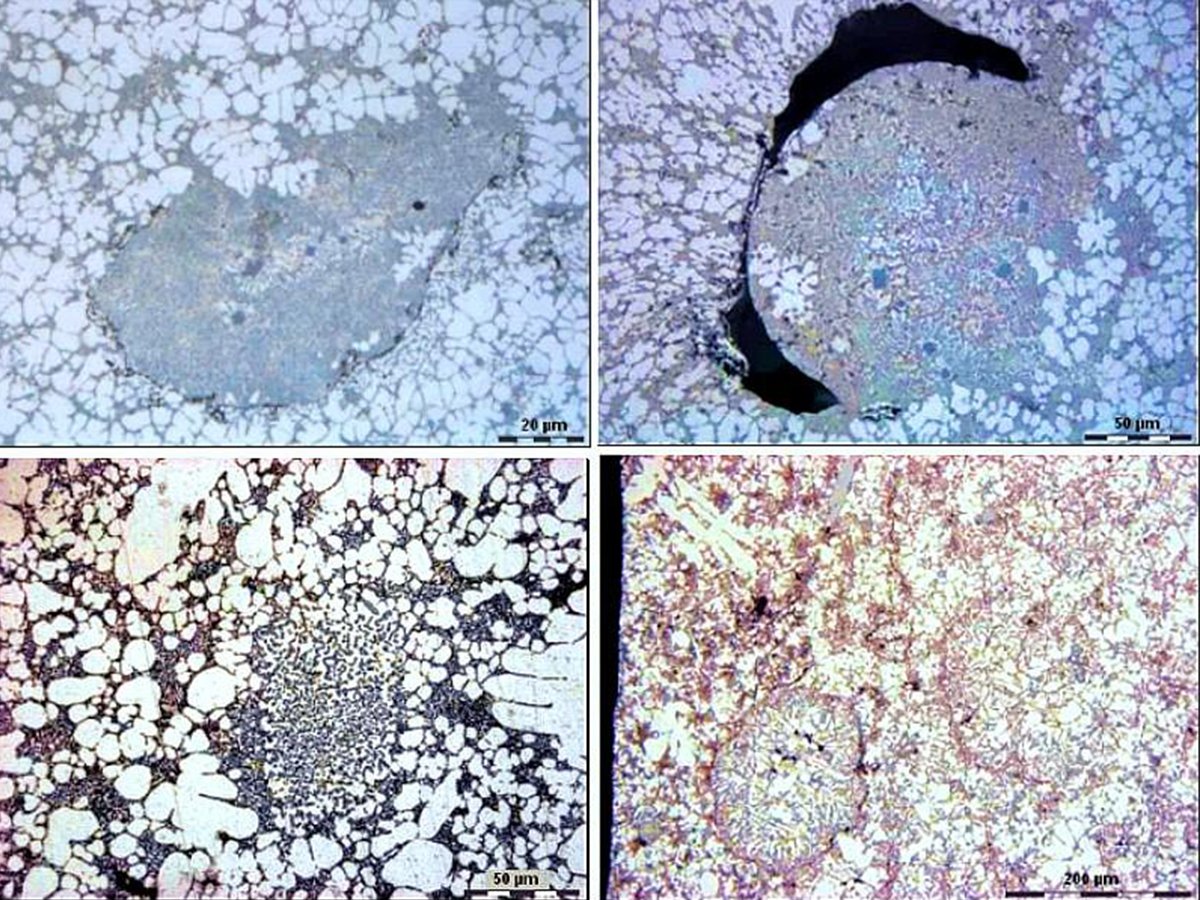
- Appearance: Small, rounded or irregular metal droplets embedded in or attached to the casting surface. They may appear as isolated lumps or partially fused particles.
- Formation: Molten metal breaks into droplets during turbulent pouring or splashing. These droplets cool rapidly and become trapped before fully merging with the main metal flow.
- Solutions: Reduce excessive turbulence, optimize pouring height and gating design, and maintain appropriate metal temperature and filling conditions.
Cracking Defects
Cracking defects are fractures caused by excessive stress during or after solidification. Their characteristics vary according to the temperature, stress state, and mechanical behavior of the metal when the cracks develop.
Hot Tears
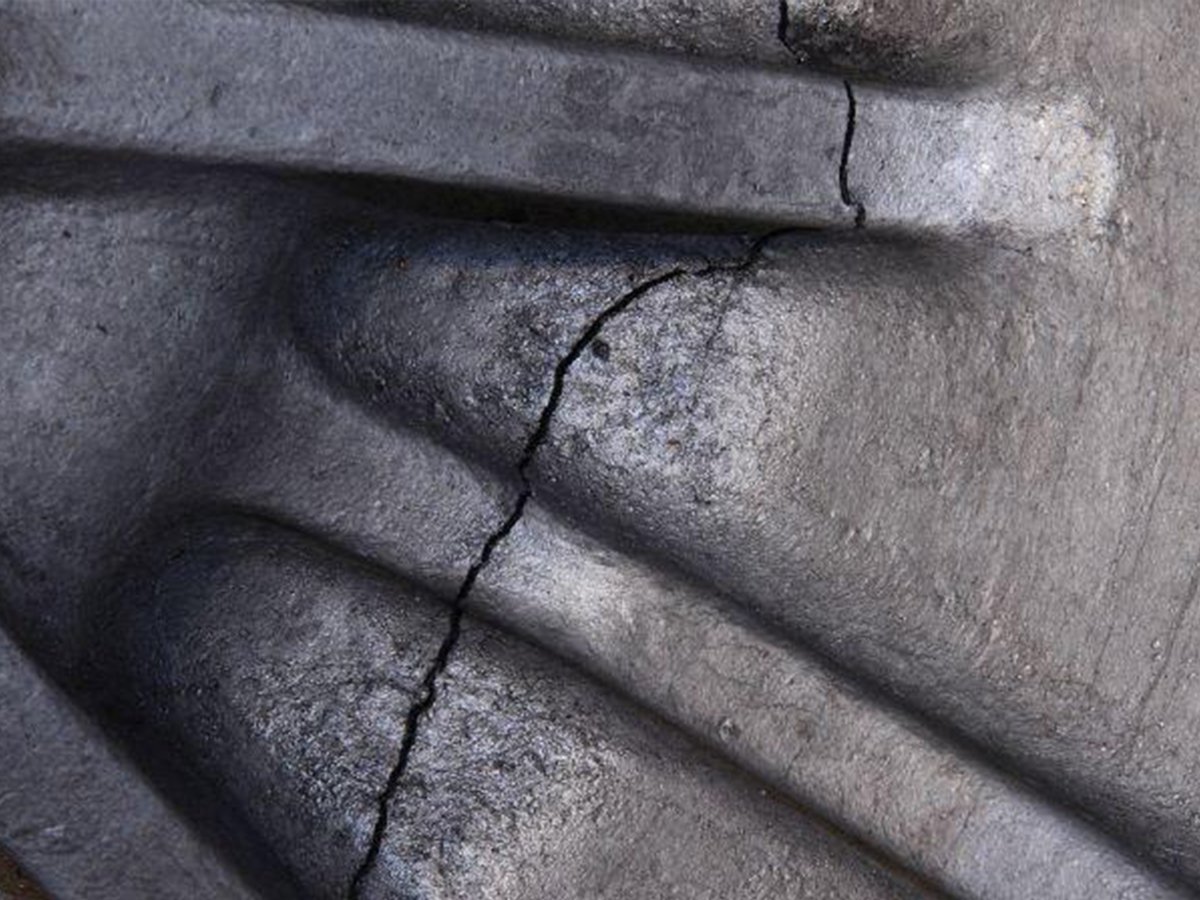
- Appearance: Irregular, often branched cracks, typically found near thick-to-thin transitions, sharp corners, or other constrained sections. Their surfaces may appear oxidized or dark.
- Formation: Hot tears develop during the final stages of solidification, when the metal has limited strength and cannot withstand tensile stresses caused by restricted shrinkage.
- Solutions: Improve casting geometry, allow sufficient contraction, optimize mold design, and control cooling rates to reduce stress concentration during solidification.
Hot Cracks
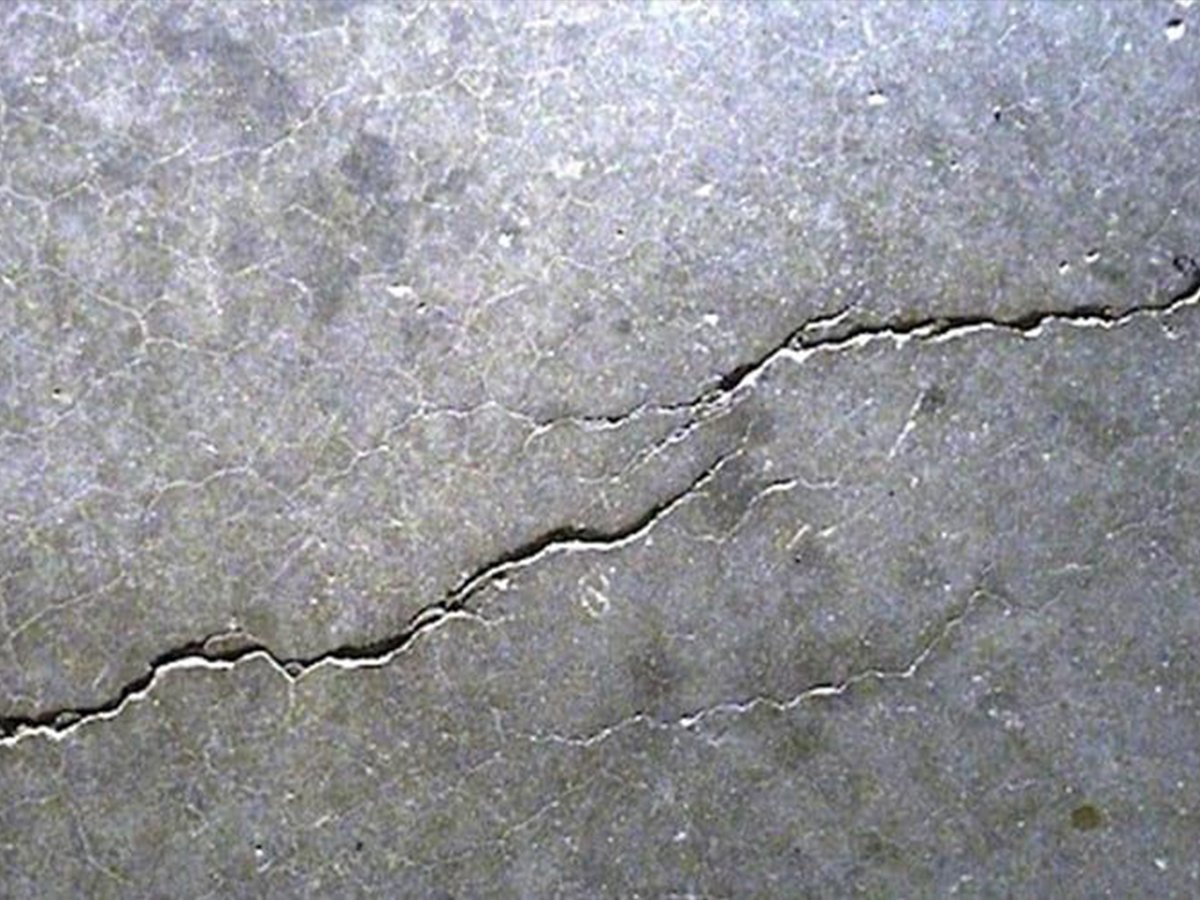
- Appearance: Narrow cracks that form at elevated temperatures, often along grain boundaries. They may appear as short, irregular fractures in vulnerable casting sections.
- Formation: Hot cracks develop while the metal is still at high temperatures and has limited ductility. Thermal contraction and uneven cooling generate stresses that exceed the material’s resistance.
- Solutions: Adjust alloy composition when appropriate, improve mold collapsibility, reduce abrupt section changes, and control cooling conditions to limit thermal stress.
Cold Cracks
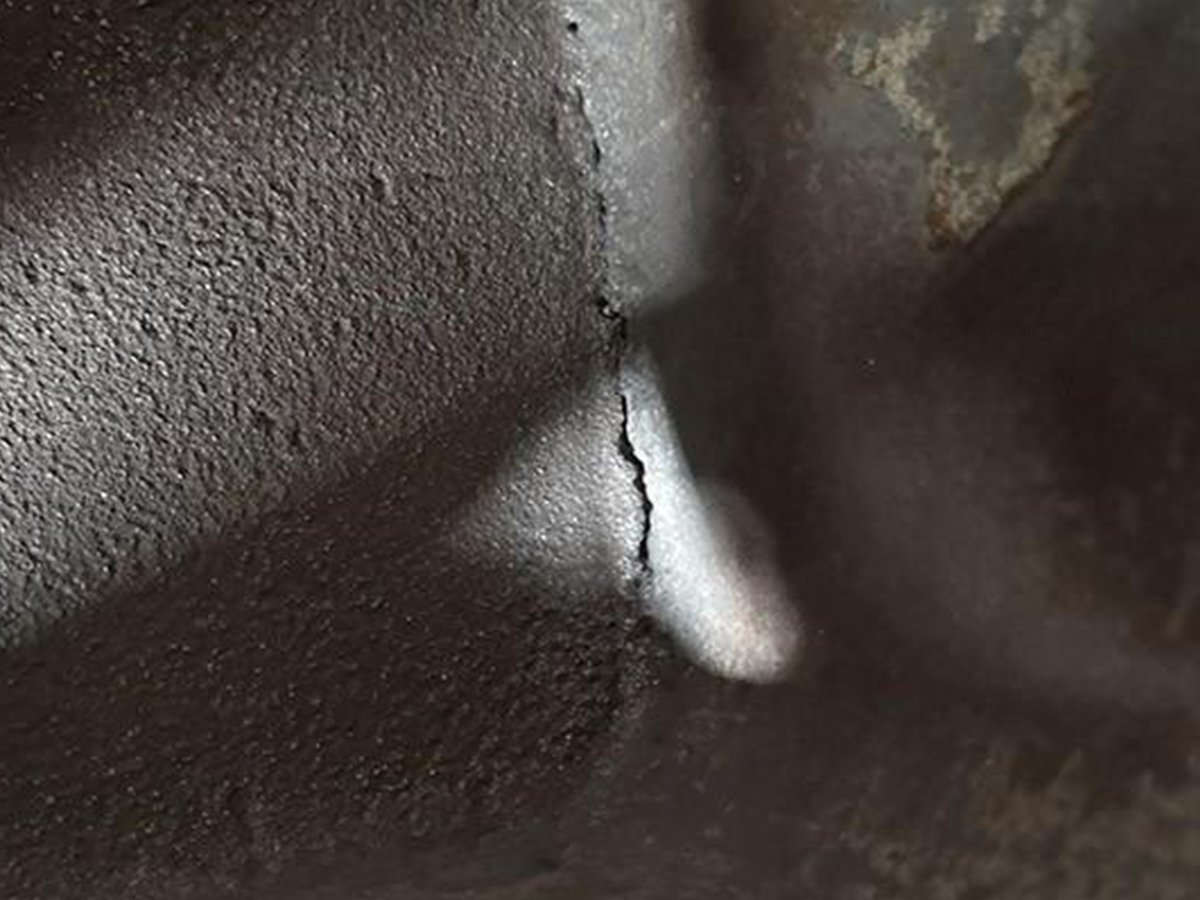
- Appearance: Relatively sharp, narrow cracks that may extend across the casting surface or through its interior. They can occur near corners, section transitions, or areas with residual stress.
- Formation: Cold cracks form after the metal has solidified, usually due to residual stress, uneven cooling, or mechanical restraint during cooling and handling.
- Solutions: Promote uniform cooling, reduce stress concentrations through casting design, and apply stress-relief heat treatment when suitable for the alloy.
Inclusion Defects
Inclusion defects occur when foreign materials become trapped in molten metal or remain inside the casting after solidification. These materials may include oxides, slag, sand, and other non-metallic particles.
Slag Inclusions
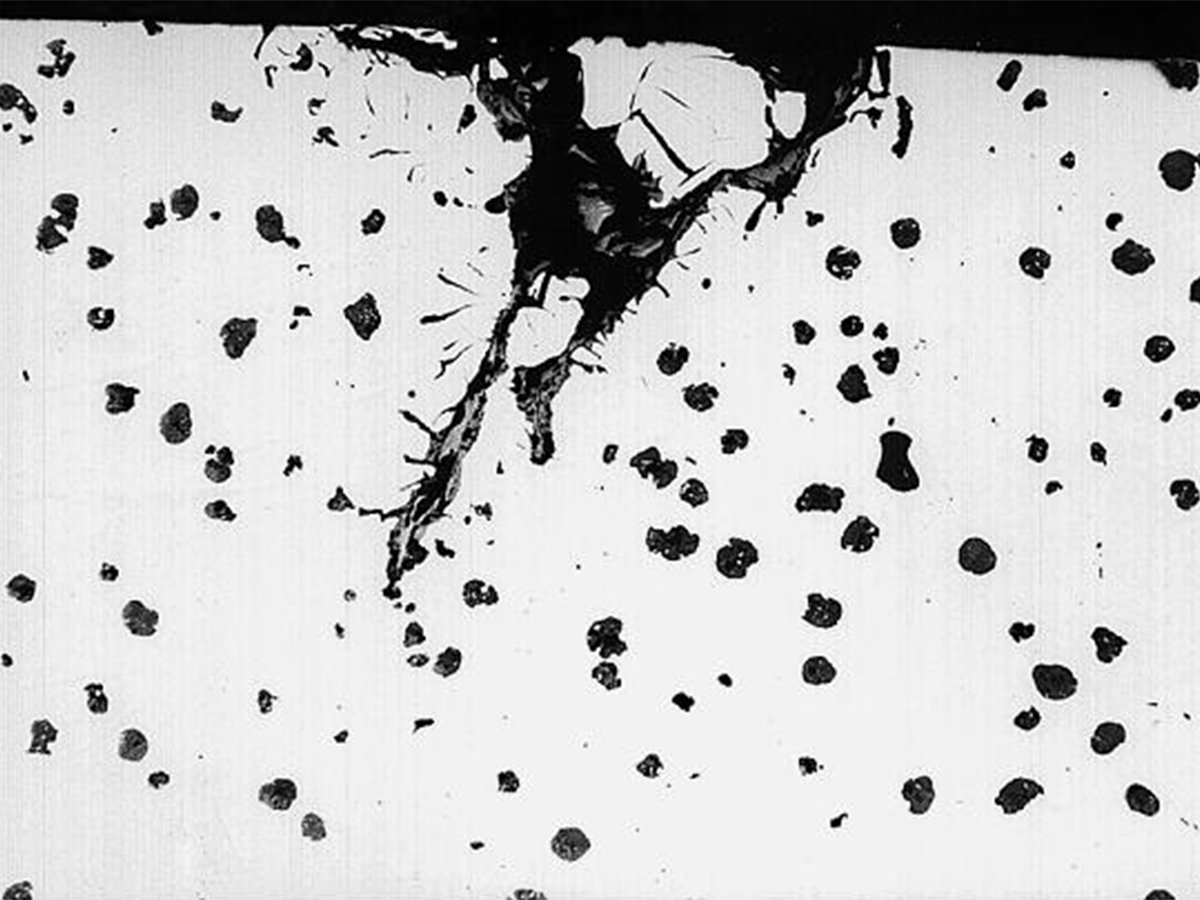
- Appearance: Irregular, non-metallic particles or deposits embedded in the casting. They may appear as dark, rough areas or cavities exposed during machining.
- Formation: Slag formed during melting or metal treatment becomes trapped in molten metal and enters the mold during pouring.
- Solutions: Remove slag before pouring, use suitable skimming and filtration methods, and design gating systems to prevent slag from entering the mold cavity.
Oxide Inclusions
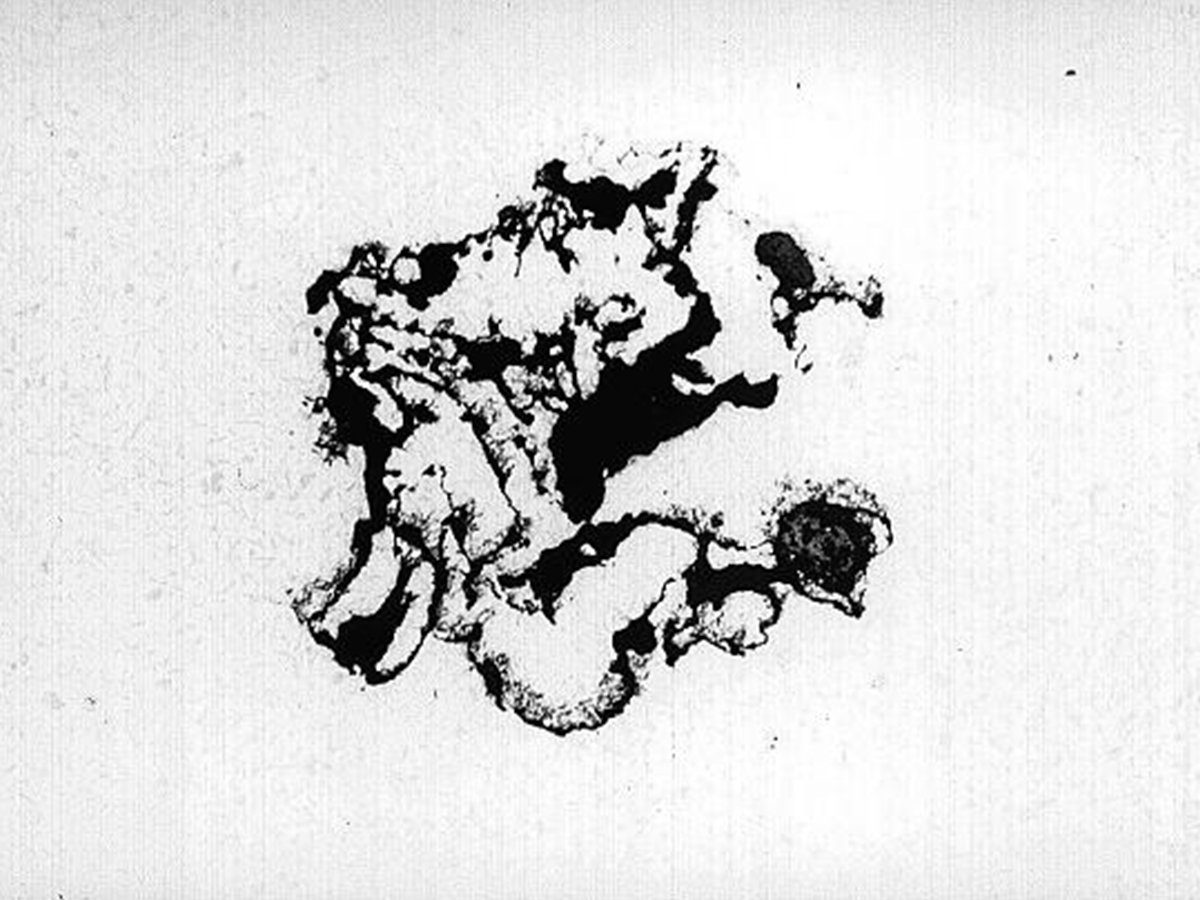
- Appearance: Thin films, folded layers, or irregular oxide particles within the casting. They may appear as dark lines or discontinuities on machined or fractured surfaces.
- Formation: Molten metal reacts with oxygen during melting, transfer, or turbulent pouring. The resulting oxide films become folded into the metal flow and trapped during solidification.
- Solutions: Minimize turbulence during pouring, limit unnecessary exposure of molten metal to air, maintain clean melting equipment, and use appropriate filtration.
Sand Inclusions
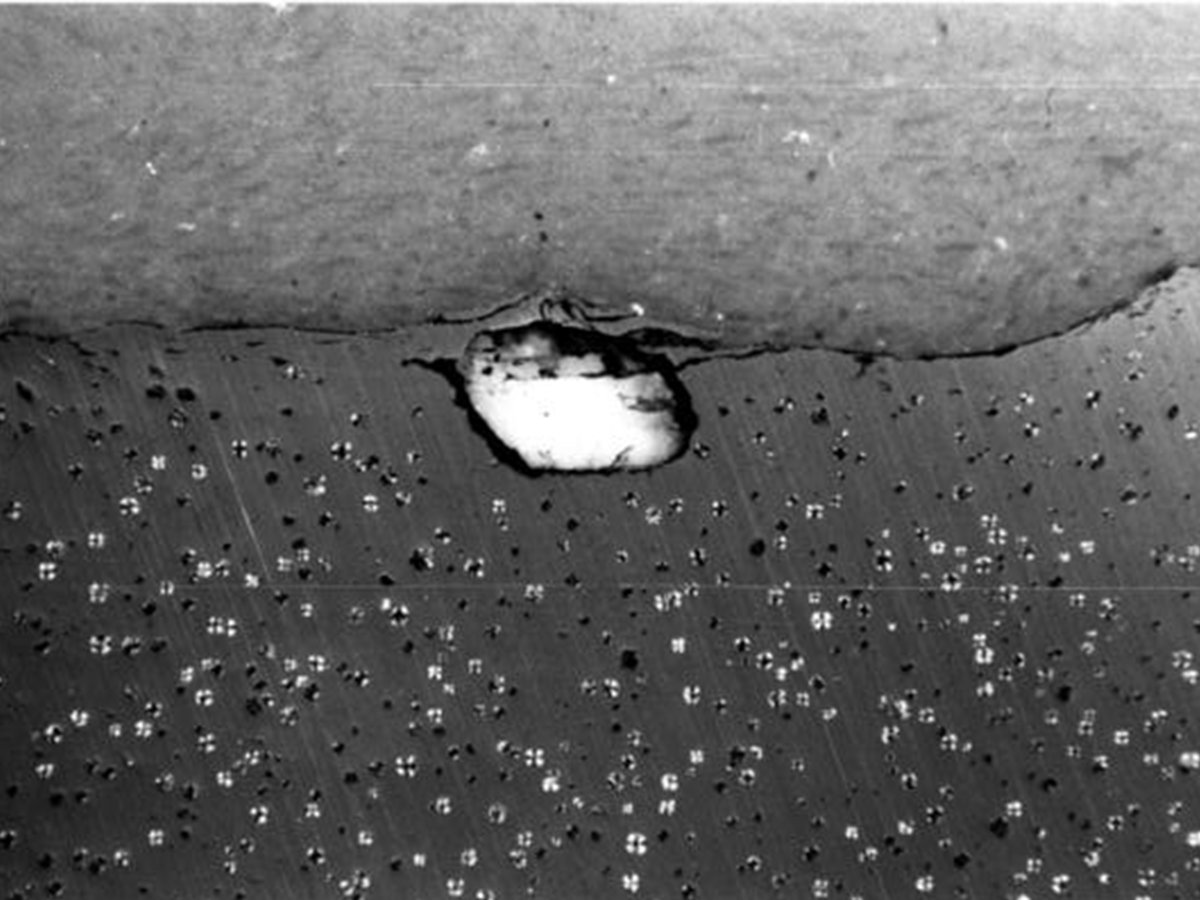
- Appearance: Irregular sand particles or clusters embedded in the casting, often with rough, granular surfaces. They may become visible after machining exposes the affected area.
- Formation: Sand grains or mold material break away due to erosion, weak mold surfaces, or excessive metal flow velocity. The detached particles are carried into the cavity and trapped by solidifying metal.
- Solutions: Improve mold and core strength, apply suitable mold coatings, control pouring velocity, and inspect mold surfaces before pouring.
Dross Inclusions
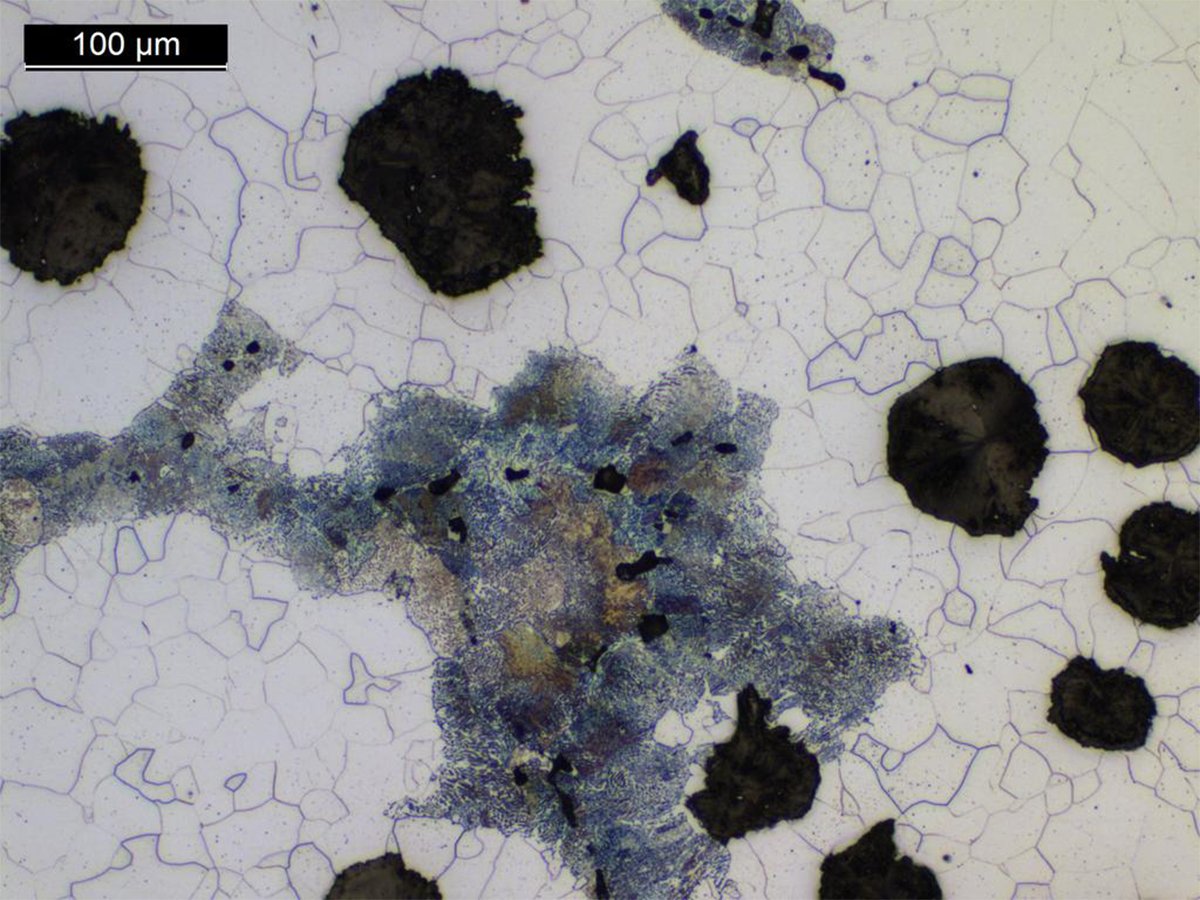
- Appearance: Dark, irregular, sometimes flaky or porous deposits trapped within the casting. They may contain oxide films mixed with other non-metallic materials.
- Formation: Dross accumulates through oxidation and reactions between molten metal and impurities, particularly in aluminum alloys. Turbulent handling or poor melt cleaning can carry these deposits into the mold.
- Solutions: Improve melt cleaning and skimming, minimize turbulence during transfer, use suitable filters, and maintain controlled melting and holding conditions.
Mold-Related Defects
The mold plays an important role in controlling the casting’s geometry and surface finish. If its structure, alignment, or surface condition is inadequate, molten metal may enter unwanted gaps, displace mold materials, or reproduce surface imperfections.
Mold Shift
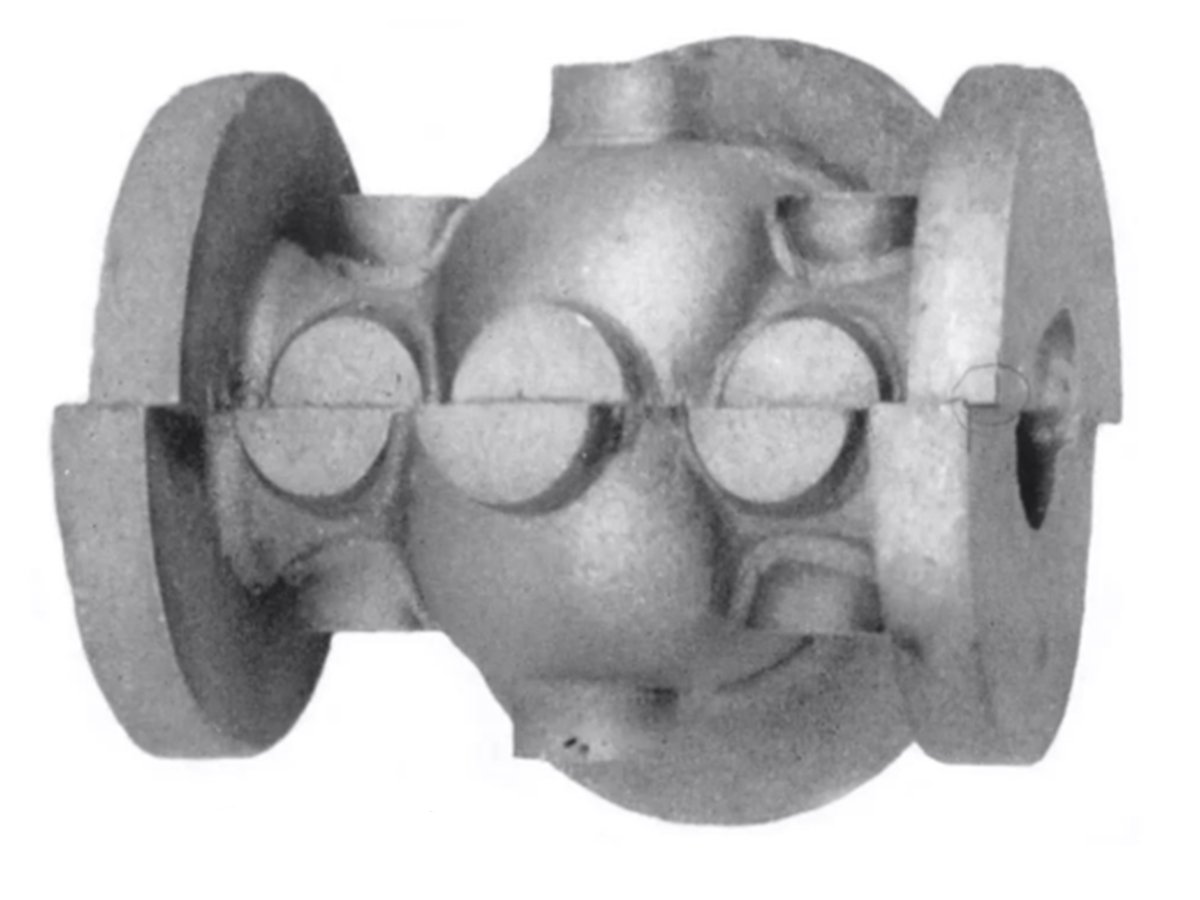
- Appearance: A noticeable mismatch or step along the casting’s parting line, where the upper and lower sections do not align correctly.
- Formation: The cope and drag become misaligned during mold assembly or pouring, often due to incorrect positioning, worn locating pins, or insufficient clamping.
- Solutions: Check flask alignment, maintain locating pins and bushes, secure mold halves properly, and inspect mold assembly before pouring.
Core Shift
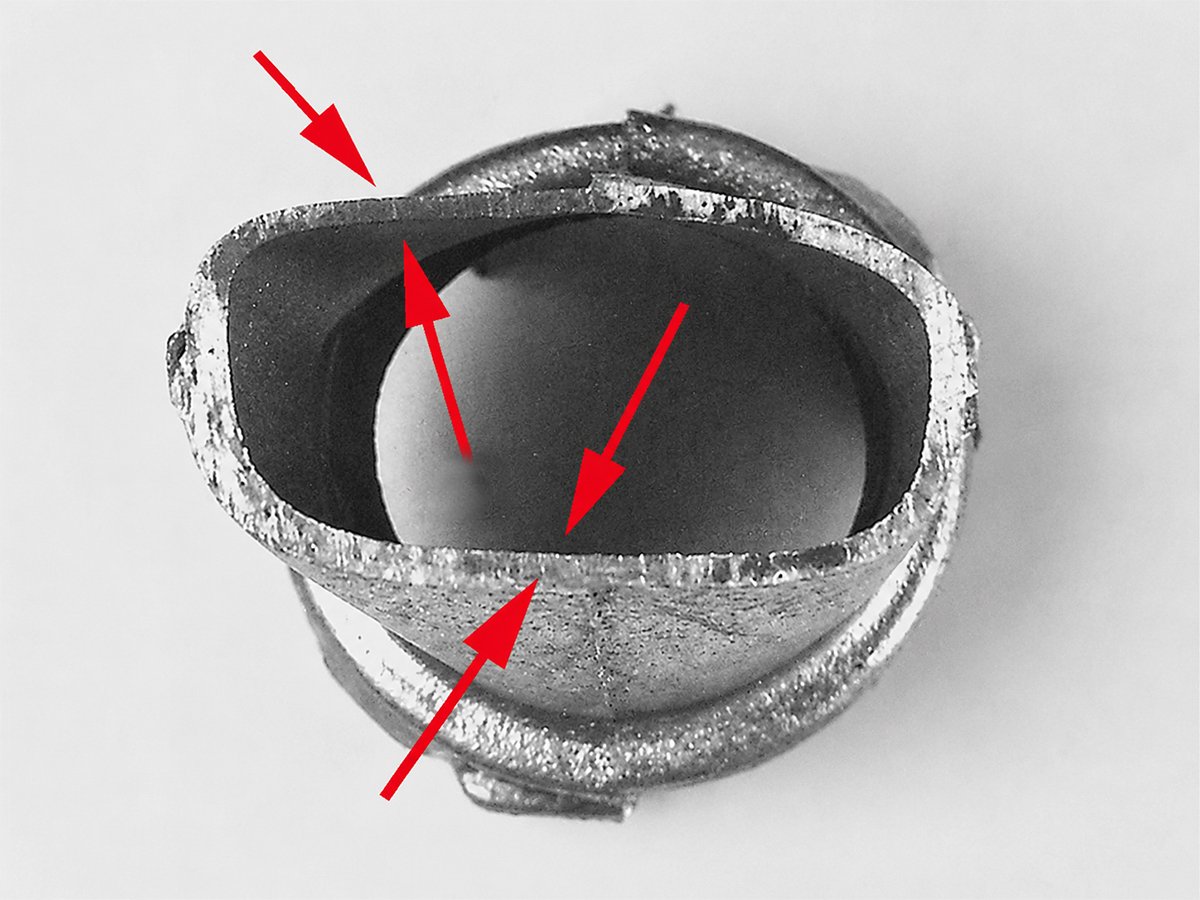
- Appearance: Internal cavities, holes, or wall sections appear displaced, resulting in uneven wall thickness or incorrect internal dimensions.
- Formation: The core moves from its intended position due to insufficient core support, poor core seating, or pressure from the incoming molten metal.
- Solutions: Improve core print design, use properly positioned chaplets where necessary, secure cores during assembly, and verify core alignment before pouring.
Scabs
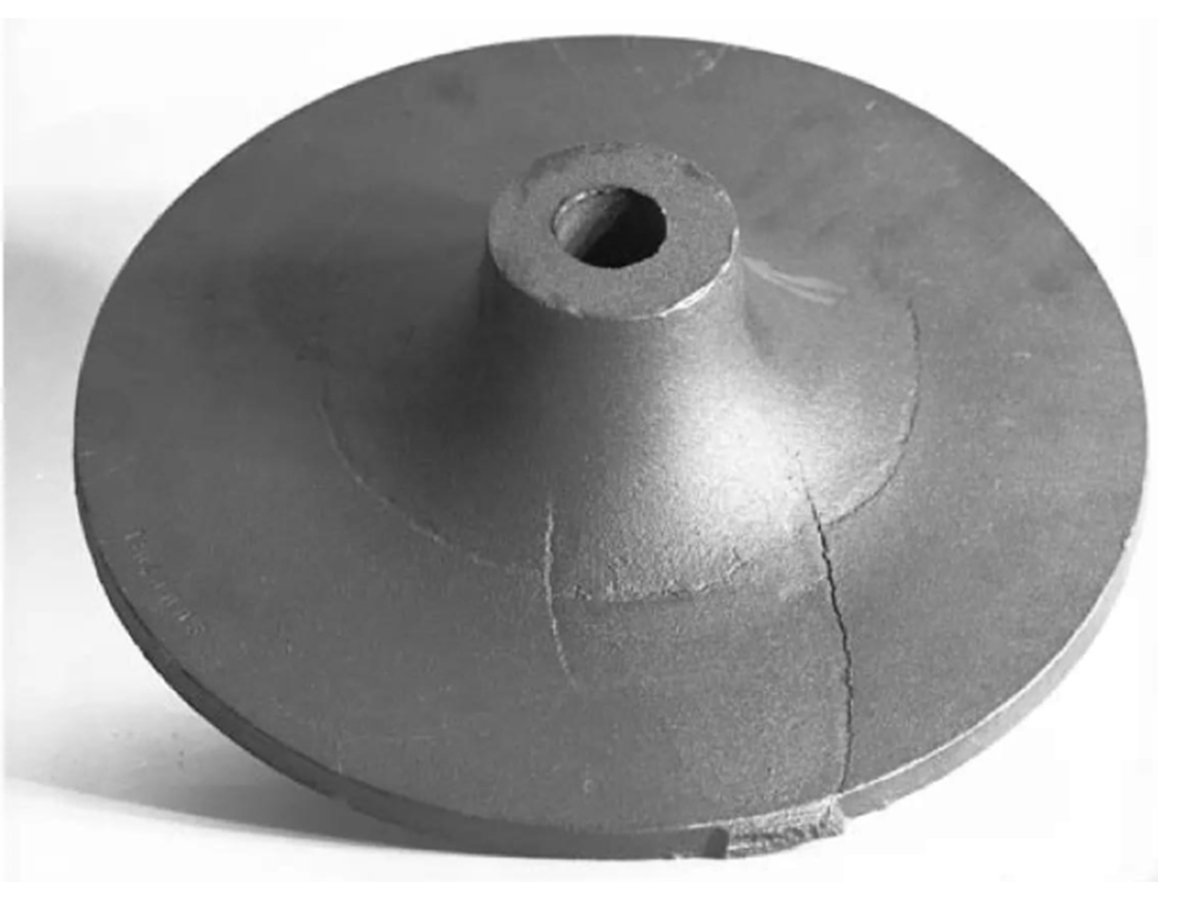
- Appearance: Raised, irregular metallic crusts on the casting surface, often with sharp boundaries. A porous layer or trapped sand may be present beneath the raised area.
- Formation: A section of the mold face lifts or separates during pouring. Molten metal flows beneath the detached sand layer and solidifies into a raised projection.
- Solutions: Improve sand strength and uniform compaction, control moisture content, and adjust mold additives to reduce thermal expansion and surface lifting.
Drops
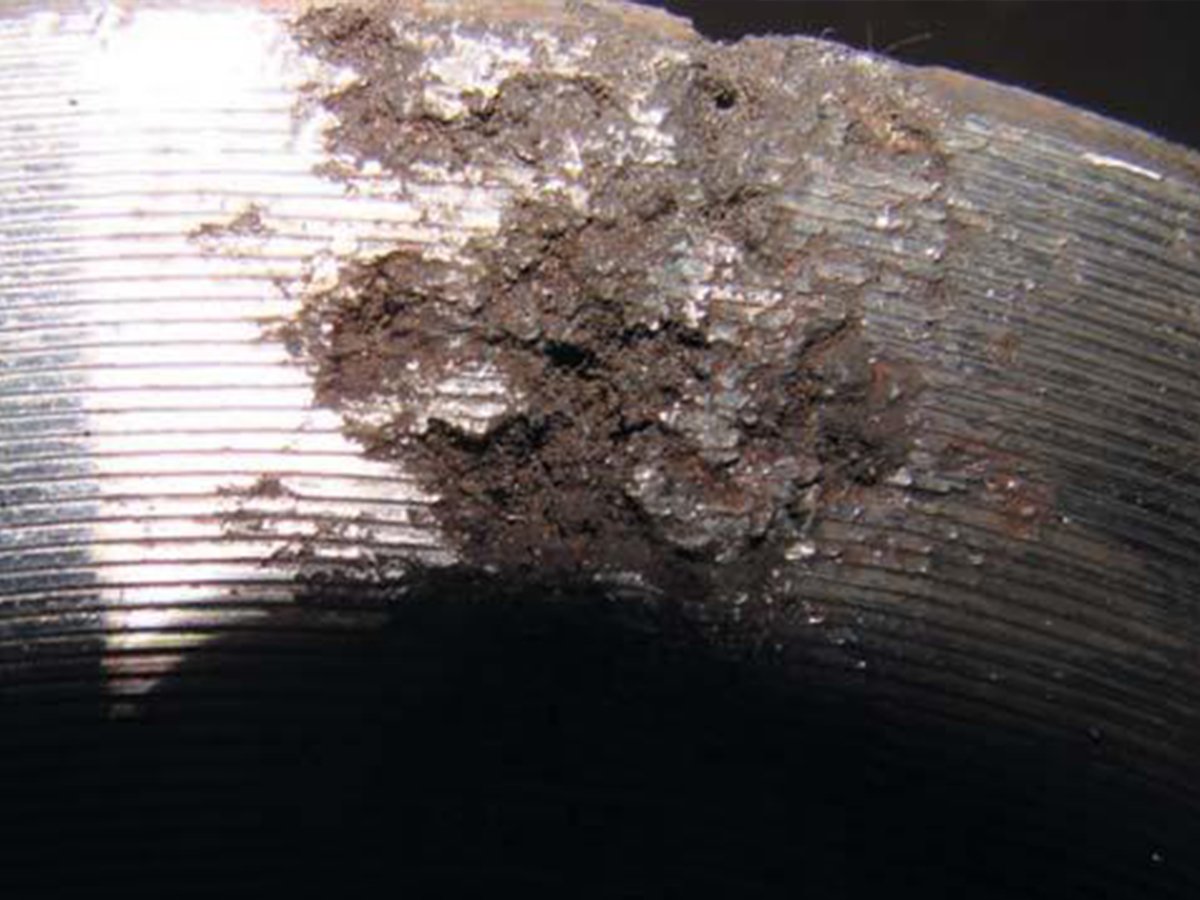
- Appearance: Irregular metallic projections or raised areas, often found on the upper surface of a casting. Sand particles may be embedded beneath or around the projection.
- Formation: Loose sand or fragments from the upper mold (cope) fall into the mold cavity during pouring. Molten metal surrounds these particles and forms an irregular projection.
- Solutions: Improve mold and core strength, reinforce overhanging sand sections with gaggers, and remove loose sand before closing the mold.
Swell
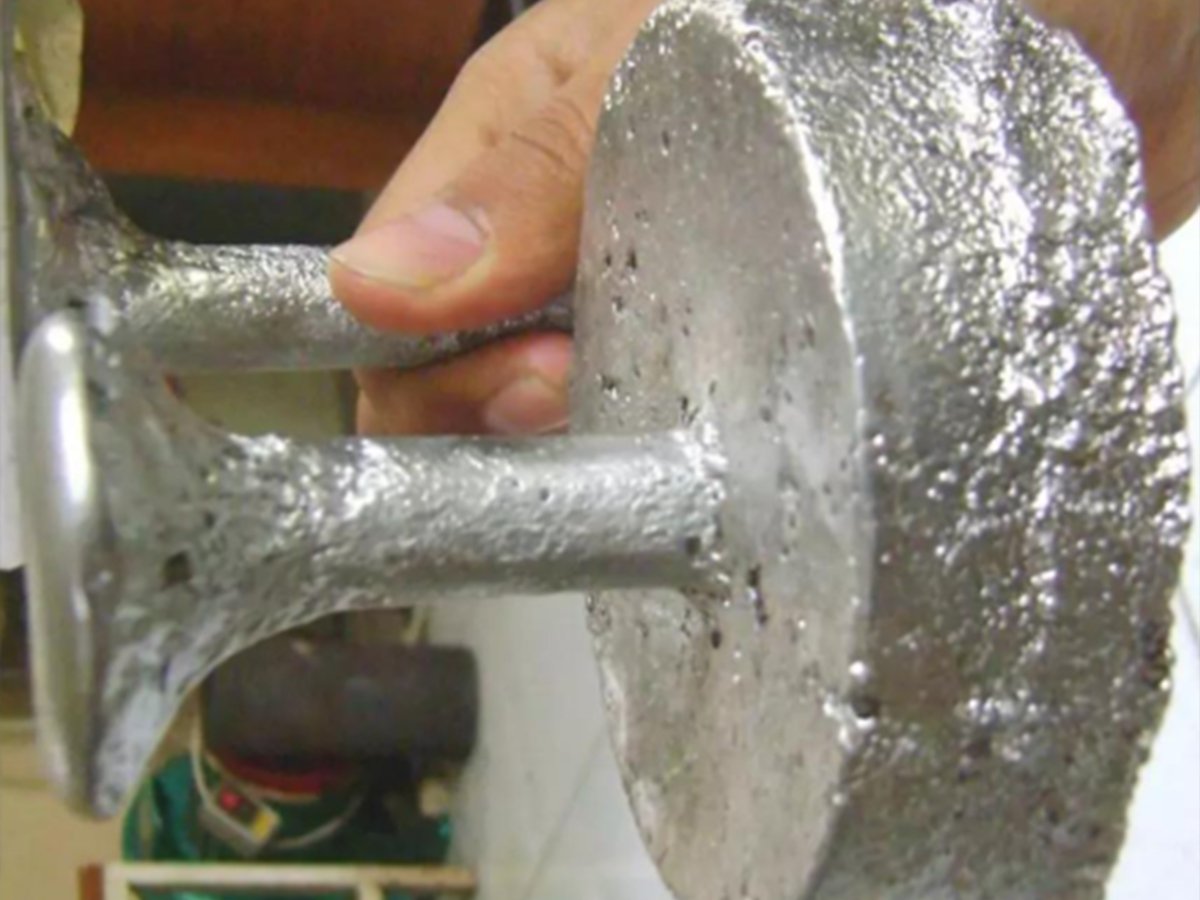
- Appearance: Localized bulges or enlarged sections that cause the casting to exceed its intended dimensions. The affected surface may appear rounded and slightly distorted.
- Formation: Metallostatic pressure pushes against weak or inadequately compacted mold walls, enlarging the mold cavity during pouring.
- Solutions: Improve mold hardness and compaction, reinforce weak mold sections, and control the metallostatic pressure through suitable mold and gating design.
Dimensional and Shape Defects
Dimensional and shape defects occur when a casting deviates from its specified dimensions, geometry, or intended shape. These defects may result in dimensional inaccuracies, surface distortion, or changes in the overall form of the casting.
Sand Surface Defects
Sand surface defects occur when molten metal interacts with the molding sand during casting. These defects may result from sand erosion, thermal expansion, metal penetration, or reactions between the sand and molten metal.
Burn-on / Fusion

- Appearance: A rough, hard layer of sand firmly bonded to the casting surface. The affected area may appear crusty, uneven, and difficult to remove.
- Formation: High temperatures cause molding sand to fuse or chemically react with the molten metal, forming a strongly bonded surface deposit.
- Solutions: Apply suitable refractory coatings, improve sand composition and refractoriness, and control pouring temperature to reduce sand-metal reactions.
Rat Tails
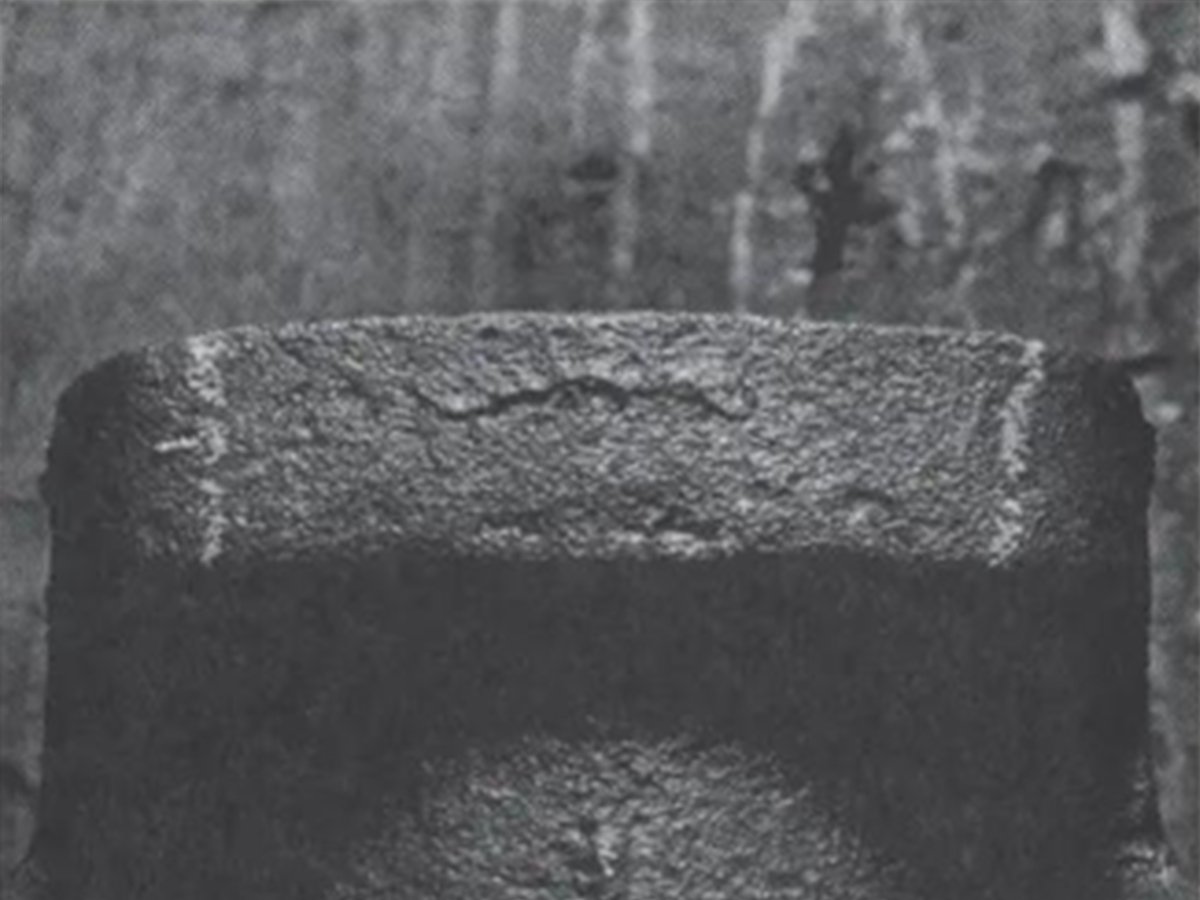
- Appearance: Thin, shallow, irregular lines or grooves on the casting surface. They may extend across relatively flat areas and sometimes form branching patterns.
- Formation: The mold surface expands under intense heat and develops compression-related cracks or buckling. Molten metal enters these surface depressions and reproduces their shape.
- Solutions: Improve the thermal stability of molding sand, use suitable facing sand additives, and control pouring temperature to reduce excessive mold expansion.
Veining
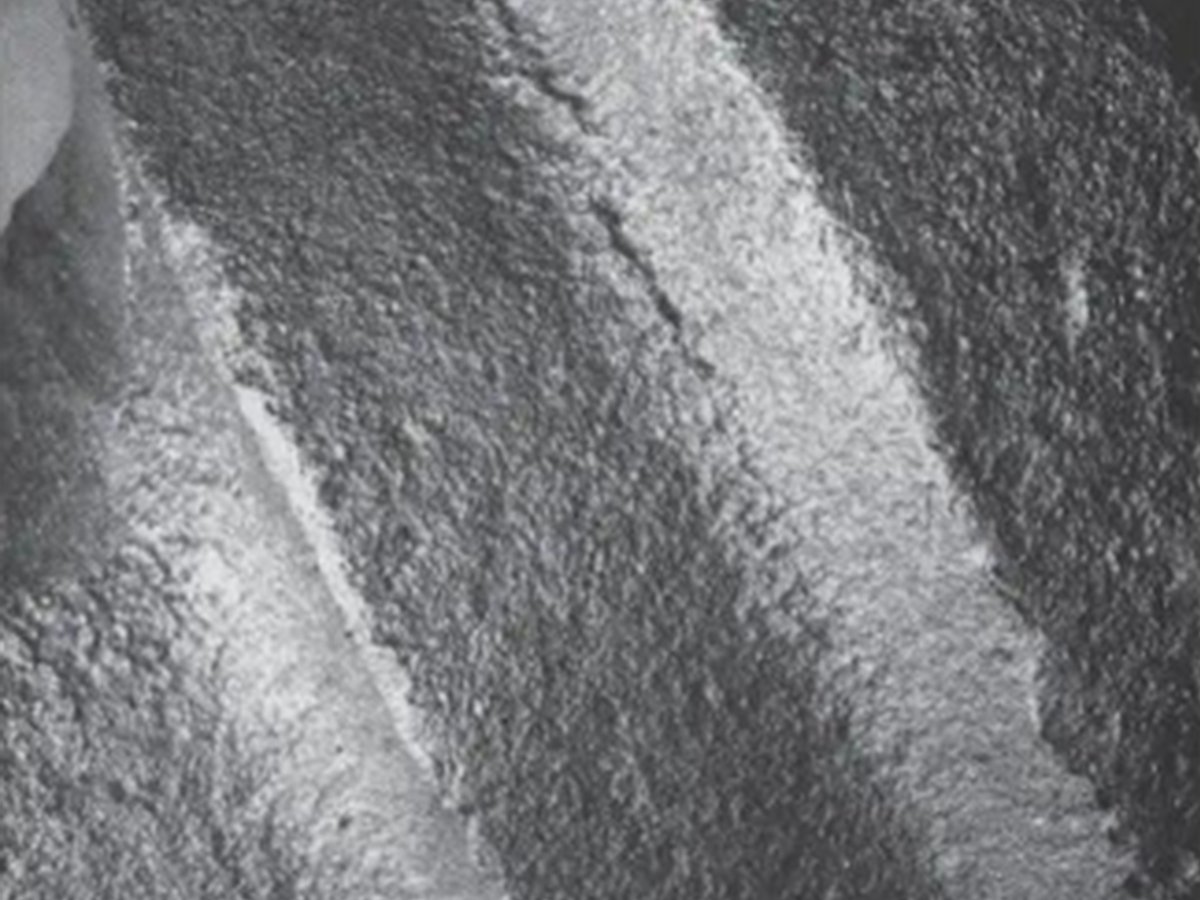
- Appearance: Thin, irregular metallic ridges or fin-like projections on the casting surface. They often form branching, vein-like patterns and may follow the geometry of the core.
- Formation: Thermal expansion causes cracks in the rigid sand mold or core. Molten metal enters these cracks and solidifies into narrow metallic projections.
- Solutions: Use molding sand with suitable thermal expansion properties, improve core flexibility, and select appropriate coatings to reduce metal penetration into mold cracks.
Cuts and Washes
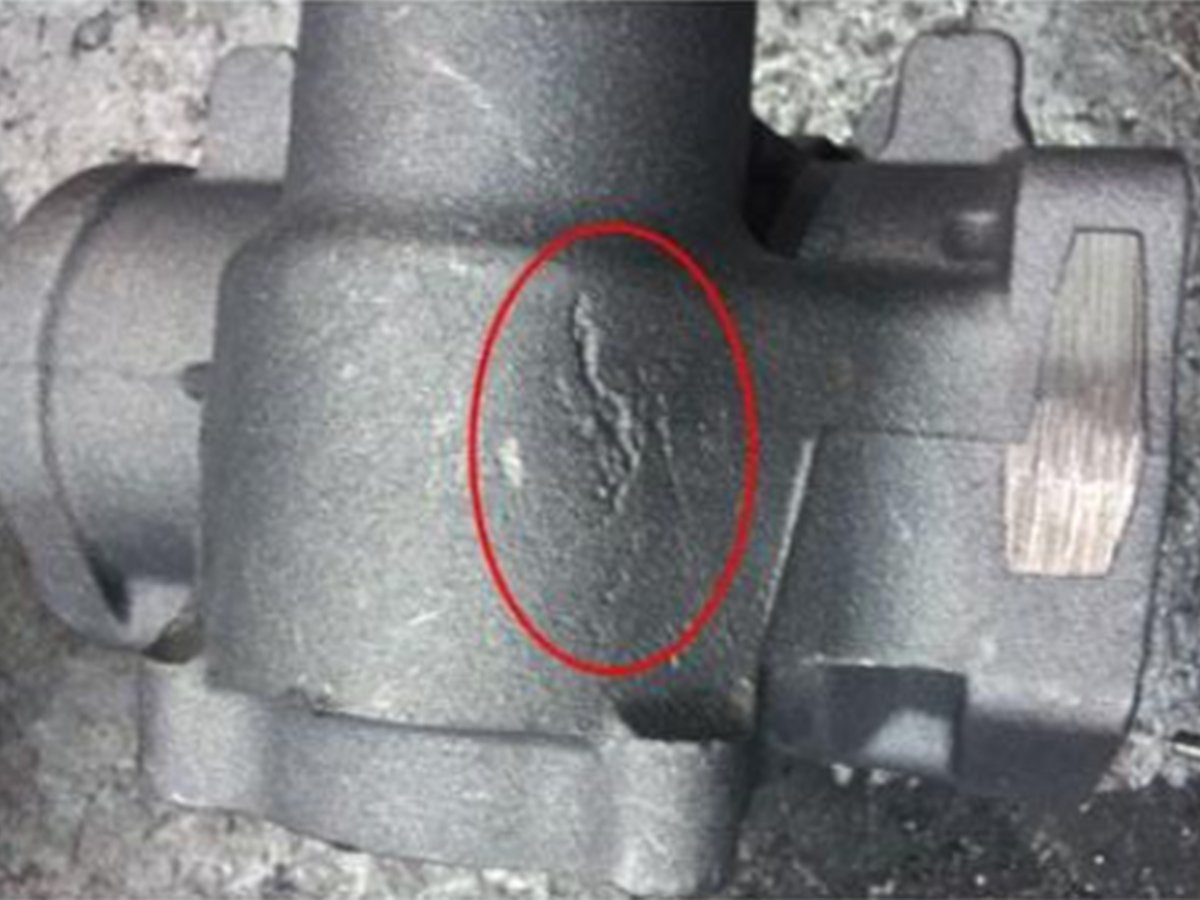
- Appearance: Rough, uneven areas with excess metal or shallow grooves, usually along the direction of molten metal flow. Loose sand may remain embedded in the affected surface.
- Formation: Fast-moving molten metal erodes the mold surface and carries detached sand particles into the cavity, where they become trapped or covered by metal.
- Solutions: Increase mold surface strength, reinforce vulnerable areas, and optimize gating design to reduce excessive flow velocity and turbulence.
Metal Penetration
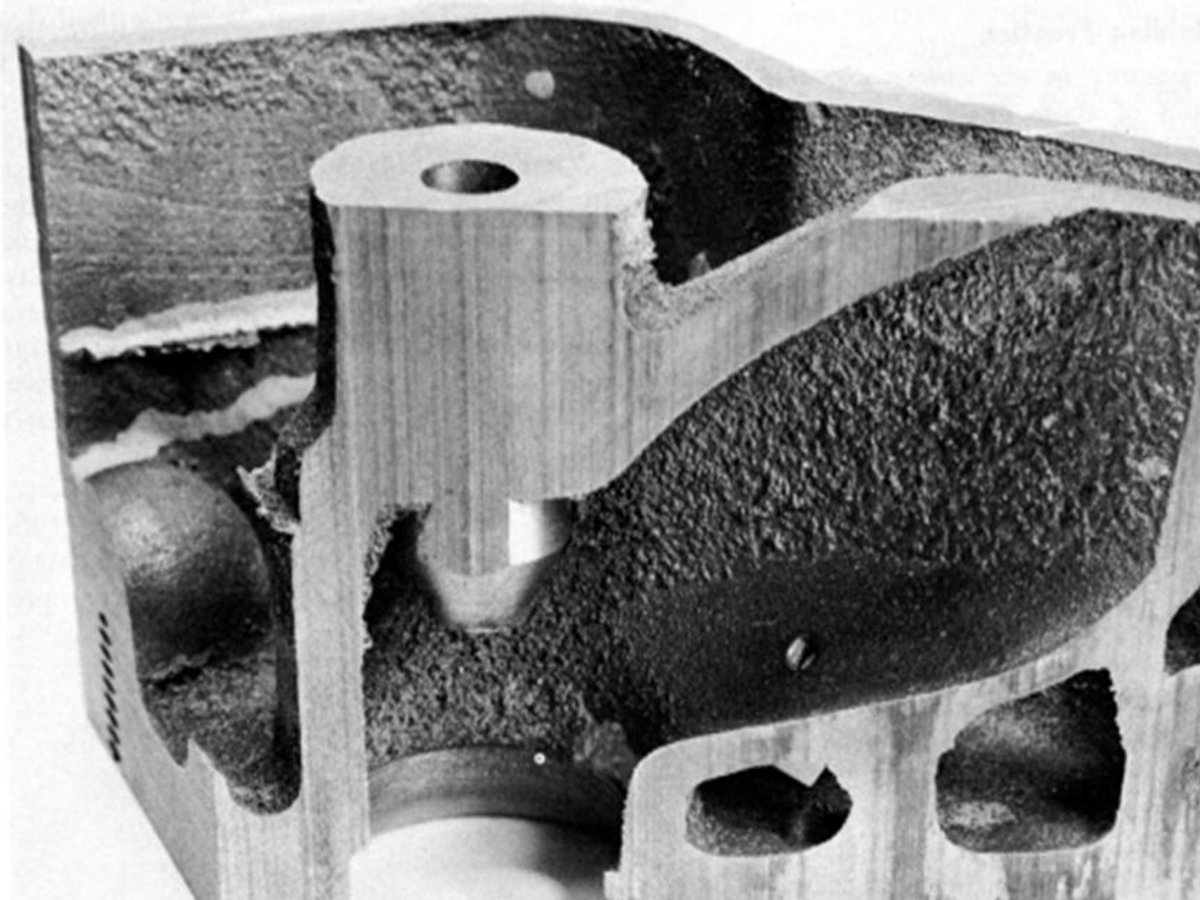
- Appearance: A rough, irregular casting surface with firmly attached sand grains or a granular metal-and-sand texture. Severe penetration can create a thick, uneven surface layer.
- Formation: Molten metal enters the spaces between sand grains under metallostatic pressure. Coarse sand, low mold hardness, and excessive pouring temperatures can increase penetration.
- Solutions: Use suitable sand grain sizes, improve mold compaction, apply appropriate refractory coatings, and control pouring temperature.
Conclusion
Understanding casting defects helps identify problems in mold preparation, metal flow, and solidification. These issues are closely related to the conditions of different casting and molding processes. For custom components made through other methods, Zhongde offers polyurethane casting, metal stamping, CNC machining, and plastic and rubber molding. Contact us to discuss your project requirements.