Investment casting produces metal parts by creating a ceramic mold around a wax pattern. It gives engineers greater freedom to incorporate complex contours, intricate details, and varying wall sections into metal components. Understanding its design capabilities and limitations helps determine whether a part is suitable for this process.
What Is Investment Casting?
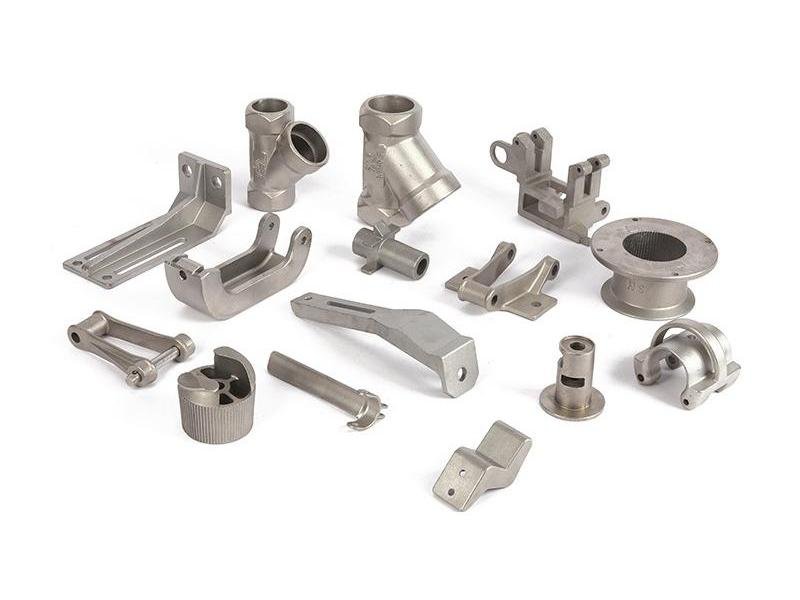
The term “investment casting” comes from the older meaning of “invest,” which means to cover or surround something. In this process, a wax pattern is surrounded by refractory material to form a ceramic mold for metal casting. This process reproduces the pattern’s geometry in metal and can reduce the need for extensive machining on complex parts.
Investment Casting Process
A disposable wax pattern forms the basis of investment casting. The subsequent steps transform this pattern into a ceramic mold and then a solid metal component.
Wax Pattern Production
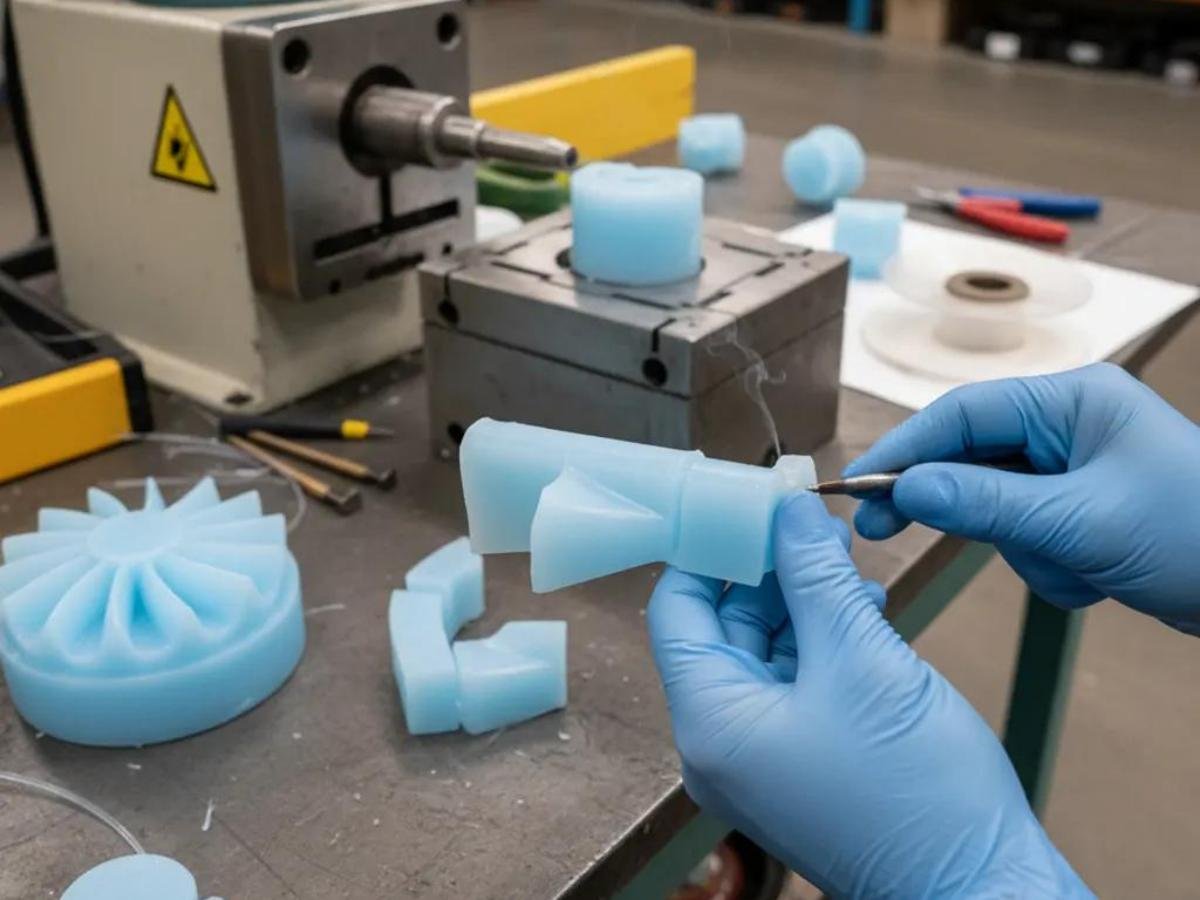
Wax is injected into a reusable pattern die to create the shape of the intended metal component. For multiple castings, individual wax patterns are often assembled onto a central wax runner to form a pattern tree.
Ceramic Shell Building
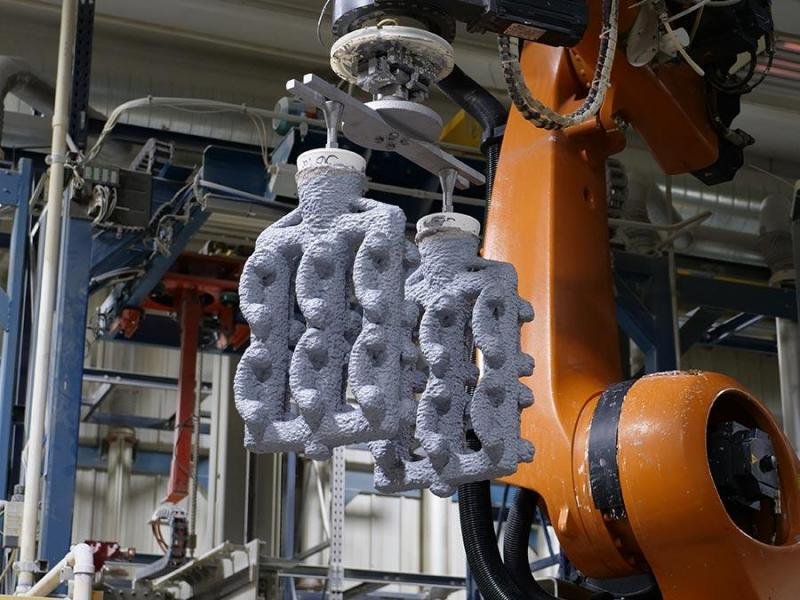
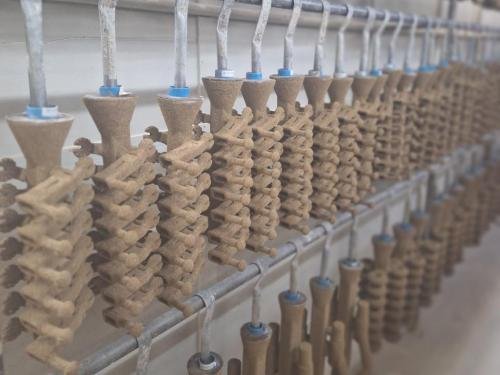
The wax pattern or pattern tree is repeatedly dipped into ceramic slurry and coated with refractory sand. Each layer dries before the next is applied, gradually building a rigid ceramic shell thick enough to withstand molten metal.
Dewaxing
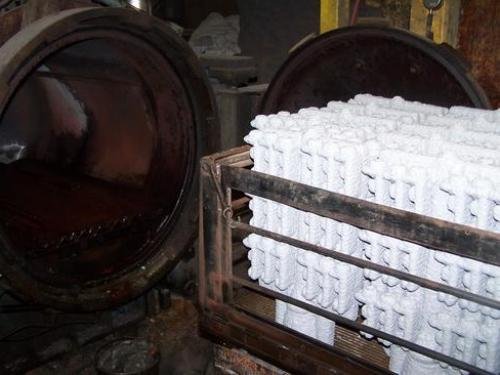
The ceramic shell is heated to melt and remove the wax pattern, leaving a cavity that reproduces the component’s geometry. Autoclaves or flash-fire furnaces are commonly used, depending on the shell system and production requirements.
Shell Firing and Preheating
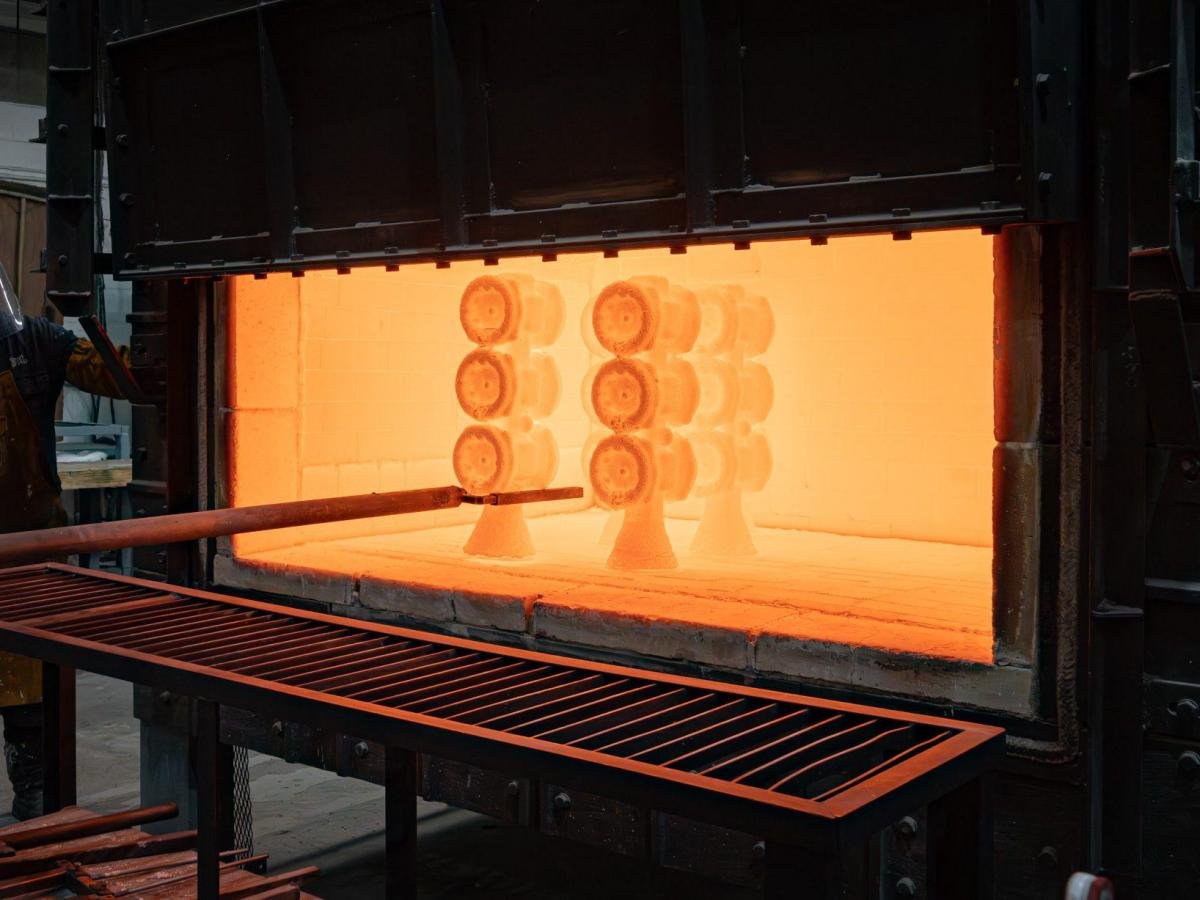
The ceramic shell is fired to remove residual wax, develop sufficient strength, and prepare it for metal pouring. Preheating also helps maintain metal fluidity as the molten alloy enters the mold cavity.
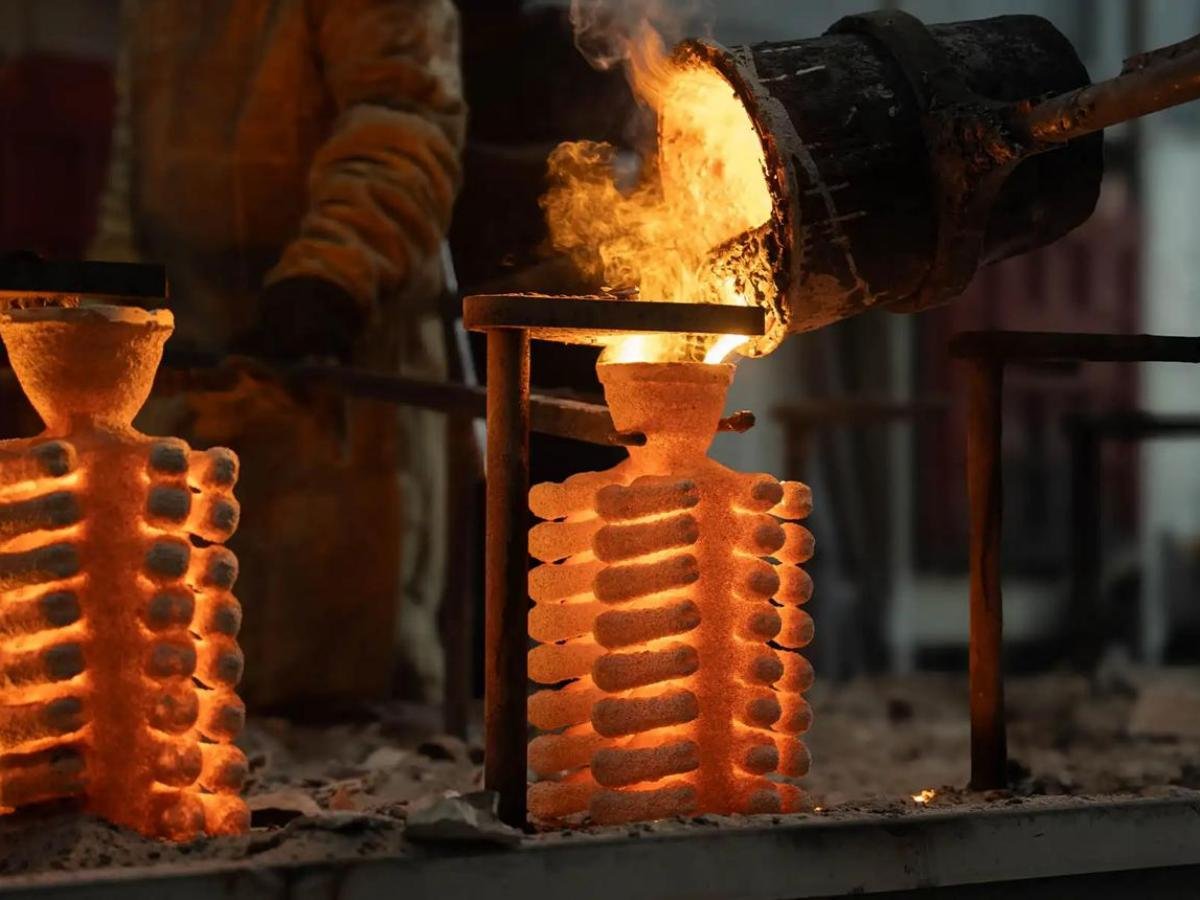
Metal Pouring and Solidification
The selected alloy is melted and poured into the prepared ceramic shell. The metal fills the cavity and cools into the required shape. Pouring temperature, mold temperature, and cooling conditions influence filling quality and casting defects.
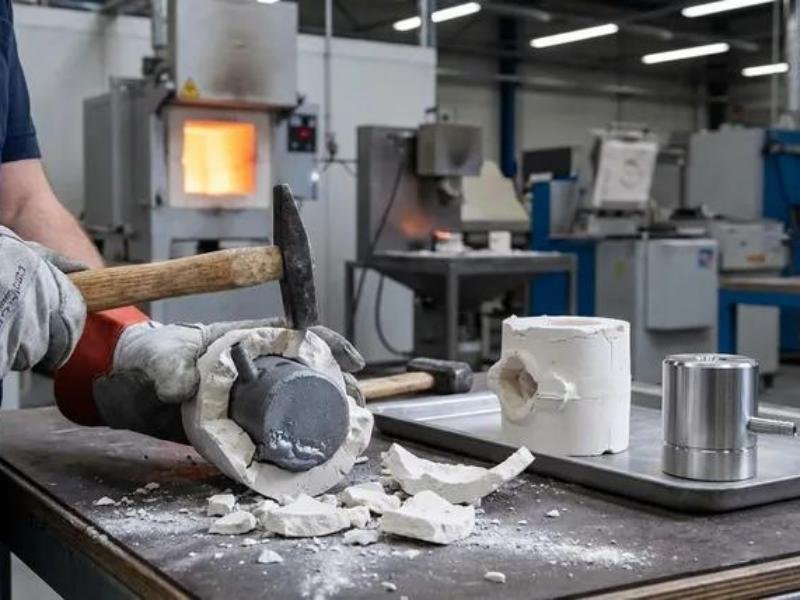
Shell Removal and Finishing
After the metal solidifies, the ceramic shell is broken away, and individual castings are cut from the runner system. The parts are then cleaned and inspected, with heat treatment, machining, or surface finishing performed when required by the specifications.
Advantages of Investment Casting
By producing near-net-shape components, investment casting can reduce machining requirements and simplify the production of parts with intricate geometries.
- Complex Geometry: The ceramic shell reproduces the wax pattern’s intricate contours, fine details, and internal features accessible through the mold cavity.
- Good Surface Finish: Fine refractory materials create a smooth mold surface, reducing surface irregularities and machining requirements compared with conventional sand casting.
- Wide Material Selection: Supports stainless steel, carbon steel, aluminum alloys, nickel-based alloys, and other castable metals.
- Reduced Machining Requirements: Near-net-shape production can minimize material removal, machining time, and associated material waste.
- Part Consolidation: Can integrate multiple features into a single casting, potentially reducing the number of separate components, joints, and assembly operations.
Limitations of Investment Casting
Although investment casting suits many complex metal components, it is not always the most economical or efficient option compared with sand casting, die casting, or CNC machining.
- Longer Lead Times: Ceramic shell building, drying, dewaxing, and firing involve multiple stages, extending production time compared with some alternative processes.
- Size and Weight Constraints: Very large or heavy components may exceed available tooling, shell-handling, furnace, or pouring capacity.
- Process Complexity: Multiple production stages require careful control. Wax pattern defects, shell cracks, and improper metal filling can lead to rejected castings.
- Post-Casting Operations: Critical dimensions, tight tolerances, specific surface finishes, and functional interfaces may still require CNC machining or other finishing processes.
Secondary Operations for Investment Castings
After the ceramic shell is removed, investment castings may undergo several additional operations before they are ready for assembly or final use.
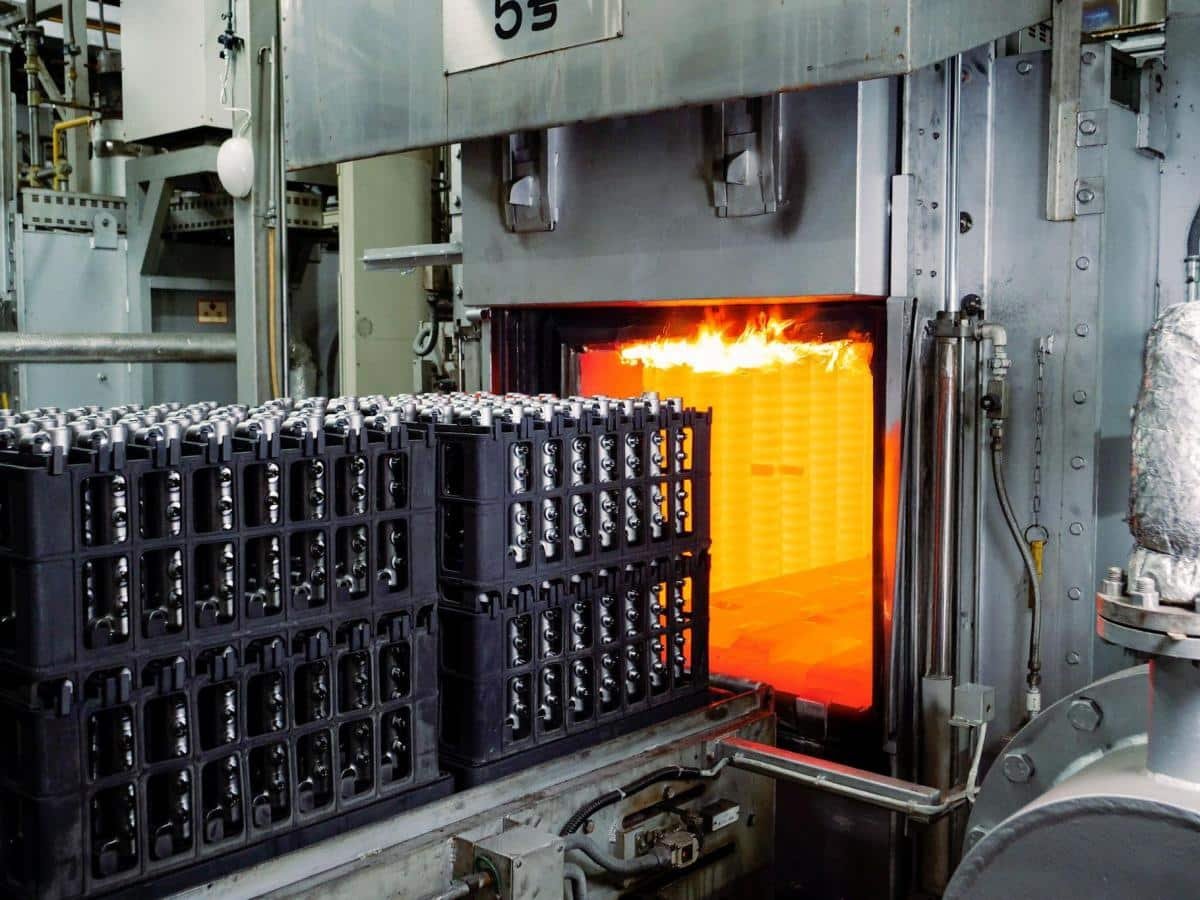
Heat Treatment
Heat treatment modifies the mechanical properties of investment castings through controlled heating and cooling. Depending on the alloy, processes such as annealing, quenching, and tempering can improve hardness, strength, ductility, or microstructural stability.
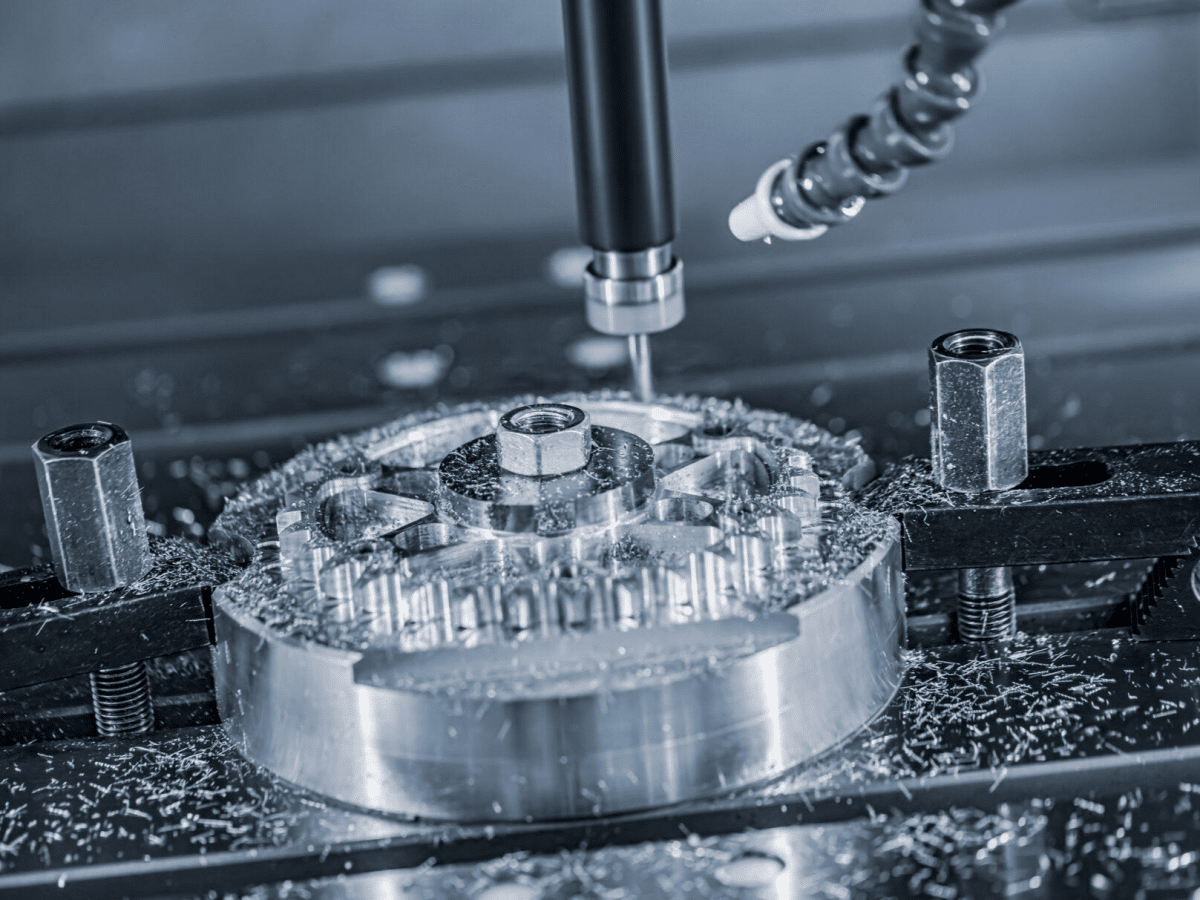
CNC Machining
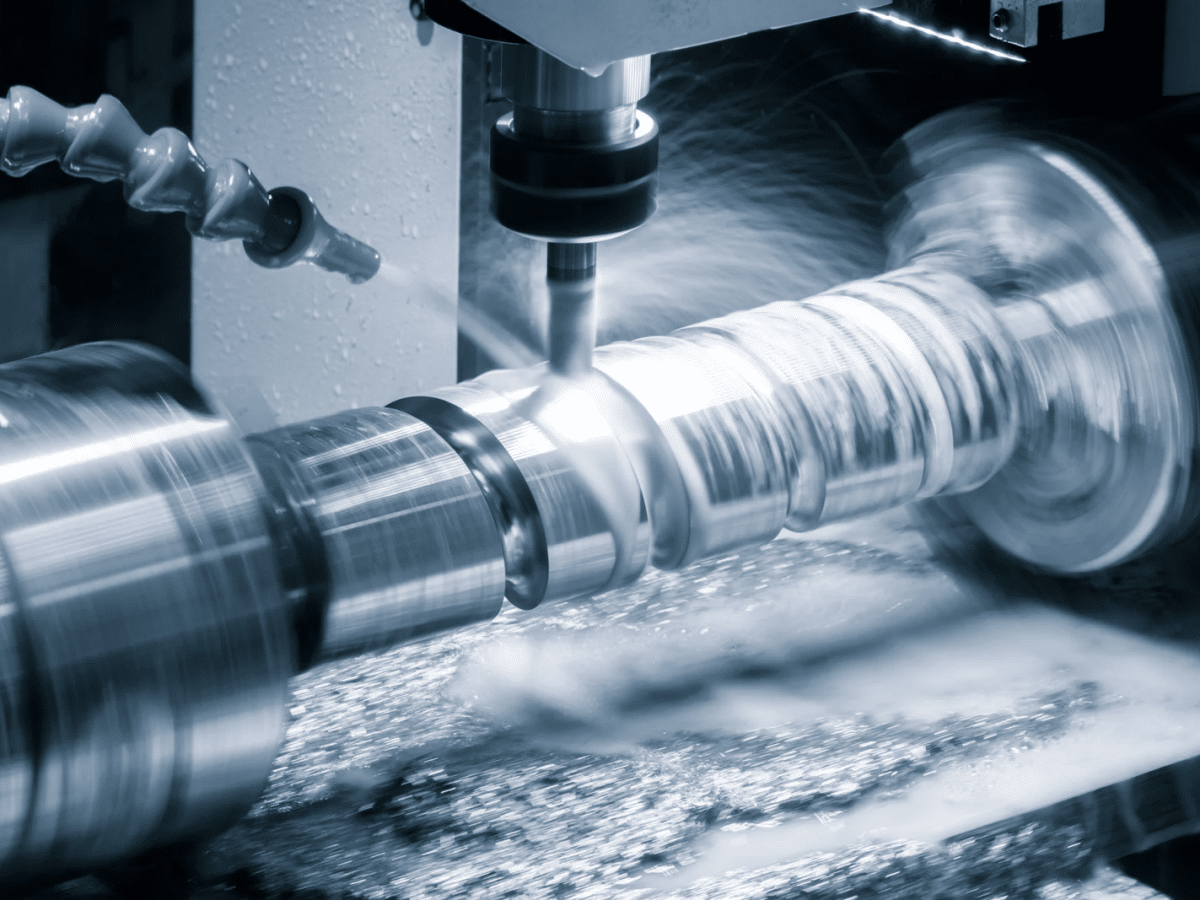
CNC milling, turning, drilling, and tapping refine critical features that require tighter tolerances than casting alone can reliably achieve. Common machining targets include mounting surfaces, threaded holes, bearing seats, and precision interfaces.
Surface Finishing
Surface finishing improves the appearance, texture, or functional characteristics of cast components. Options include grinding, polishing, blasting, and other treatments selected according to the alloy, required surface roughness, and application.
Surface Treatment and Coating
Passivation, electroplating, painting, and other protective treatments may be applied to improve corrosion resistance, wear performance, or appearance. The treatment must be compatible with the base alloy and the component’s operating environment.
Key Considerations During Investment Casting Production
Each stage of investment casting introduces specific risks that can affect the next operation. The following checks focus on common production issues and ways to prevent them.
Wax Pattern Inspection
Check wax patterns for flash, sink marks, and distortion before shell building, as these defects can transfer directly to the casting.
Ceramic Shell Drying
Verify drying time and humidity between slurry coats; trapped moisture can cause shell cracking or metal-related defects during pouring.
Shell Preheating
Confirm shell temperature before pouring. A cold shell can reduce metal fluidity and increase the risk of misruns in thin sections.
Pouring Temperature Control
Monitor alloy temperature at pouring rather than relying solely on furnace settings, since transfer and holding can cause temperature loss.
Casting Cut-Off and Inspection
Cut castings from the runner only after sufficient cooling. Inspect gate areas for cracks and use penetrant testing where surface-breaking defects are critical.
Conclusion
Investment castings may require CNC machining to achieve tighter tolerances on holes, threads, and mating surfaces. For components that need precise machined features, explore our CNC machining services to learn more about our custom metal part processing capabilities.