When a medical device is in use, precision is not just a technical requirement—it can directly affect patient safety. From surgical instruments to diagnostic equipment, even a small dimensional deviation may influence how reliably a device performs in critical situations.
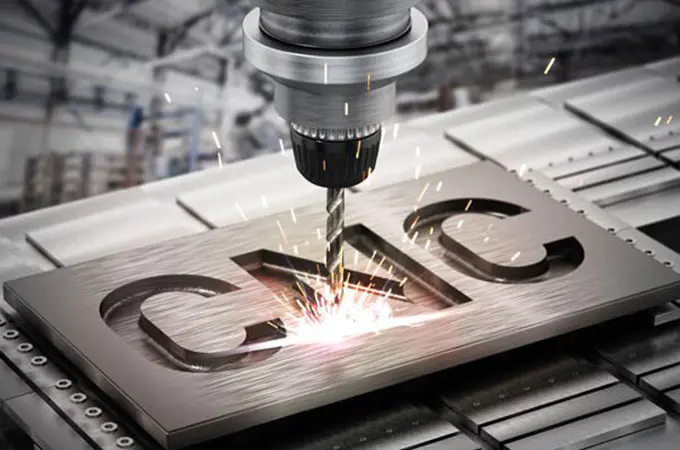
This is why many medical components rely on CNC machining. By using computer-controlled cutting tools, CNC machining can produce highly accurate and consistent parts that meet strict dimensional and surface requirements, even for complex geometries.
What Is Medical CNC Machining?
CNC machining in medical applications refers to the use of computer-controlled cutting tools to manufacture precise components used in medical devices and equipment. The process removes material from a solid block—such as metal or plastic—based on a digital design, gradually shaping it into a finished part with high dimensional accuracy.
Compared with general industrial machining, medical CNC machining places greater emphasis on precision, material cleanliness, and process stability, since the final components are often used in diagnostic systems, surgical tools, and other critical medical equipment.
If you are not familiar with CNC Machining itself, you can learn more in our article on What Is CNC Machining.
Why CNC Machining Matters in Medical Applications
The inherent strengths of CNC machining—high precision, repeatability, and process stability—become especially valuable when they are combined with the strict requirements of the medical field. Together, they enable medical components to achieve the level of reliability needed in critical healthcare environments.
Ensure Patient Safety
Many medical components are directly or indirectly involved in patient treatment or diagnosis. Even minor dimensional errors can affect how devices assemble or function, potentially impacting outcomes.
CNC machining helps ensure each part is produced within strict tolerances, reducing the risk of mechanical mismatch or functional failure in critical situations.
Material and Regulatory Compatibility
Medical applications often require biocompatible and certified materials such as medical-grade stainless steel, titanium, or specific engineering plastics. CNC machining is compatible with these materials and can maintain their mechanical properties during processing.
Support for Complex Medical Designs
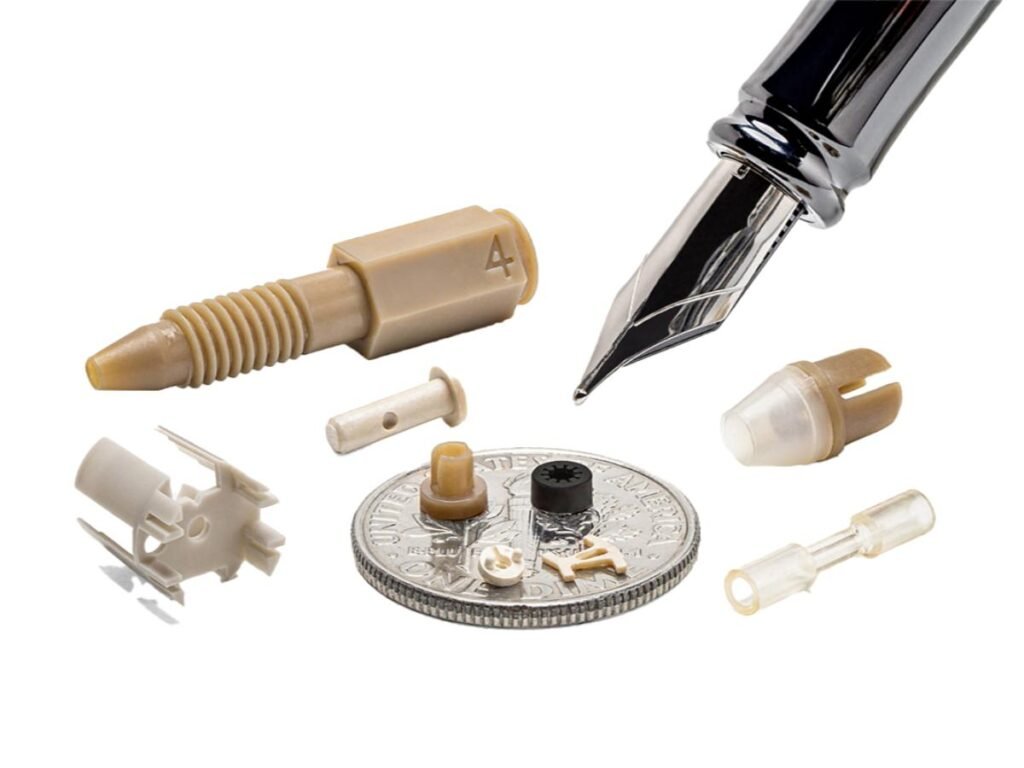
Modern medical devices are becoming more compact and functionally integrated. CNC machining allows the production of intricate structures, internal channels, and precise interfaces that are difficult to achieve with other manufacturing methods.
Surface quality
Smooth and controlled surface finishes are important in medical environments to reduce contamination risk and improve cleaning efficiency. CNC machining can produce surfaces that meet these requirements without additional complex processing in many cases.
Regulatory and production traceability
Medical manufacturing often requires strict documentation and traceability. CNC machining processes are highly controllable and repeatable, making it easier to maintain production records and meet regulatory expectations in healthcare-related industries.
Key Techniques in Medical CNC Machining
Medical CNC machining often goes beyond standard 3-axis milling. Because many components are small, complex, and tolerance-sensitive, specific high-precision machining techniques are used to achieve the required accuracy and surface quality.
Swiss-Type Machining
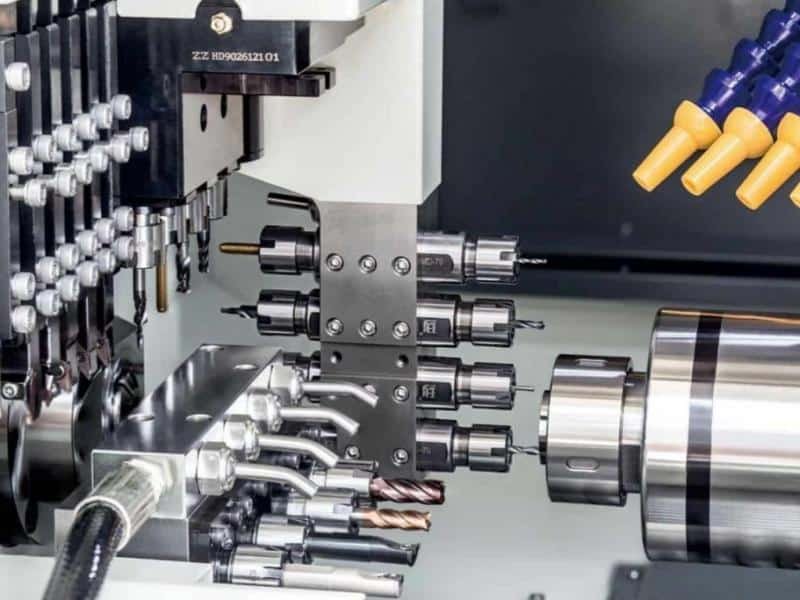
Swiss-type CNC machining is widely used for small, long, or slender medical components such as surgical pins, bone screws, and catheter-related parts.
Unlike conventional lathes, Swiss machines support the workpiece very close to the cutting tool using a sliding headstock and guide bushing. This reduces deflection during machining, which is critical when working with thin geometries that would otherwise vibrate or bend under cutting forces.
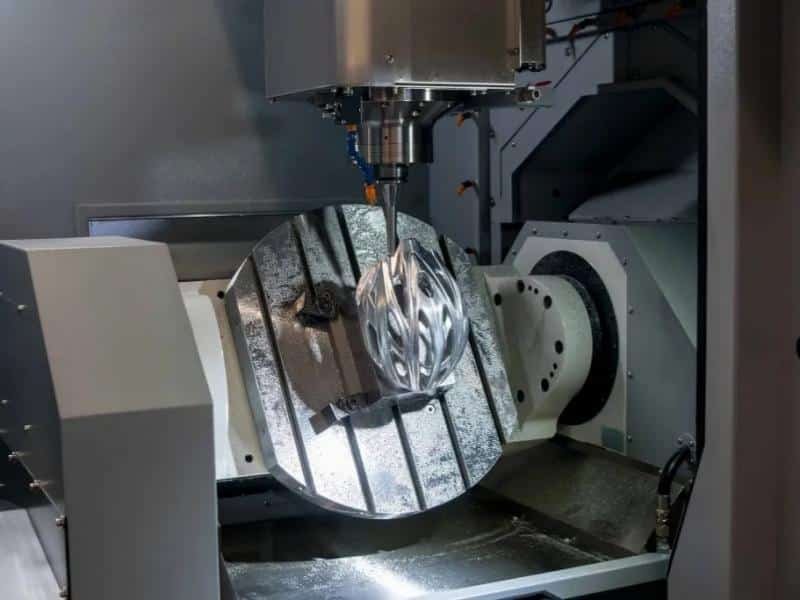
5-Axis Machining
Many medical parts have complex curved surfaces or require machining from multiple angles, such as orthopedic tools, implant components, or fluid-handling parts.
5-axis CNC machining allows simultaneous movement along multiple axes, enabling the tool to reach difficult geometries in a single setup. This improves accuracy by reducing repositioning errors and ensures smoother surface transitions.
EDM
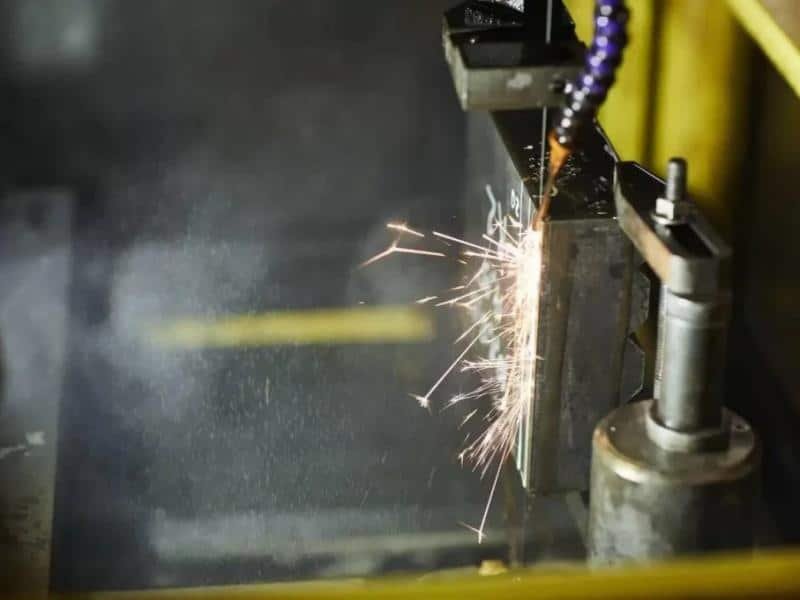
Electrical Discharge Machining (EDM) is often used in medical tooling and precision components where traditional cutting tools cannot reach or where materials are too hard to machine conventionally.
It is especially useful for creating fine cavities, sharp internal corners, and intricate geometries in hardened steels or conductive materials used in medical molds and surgical instruments.
High-Precision Turning and Milling
For larger or load-bearing medical parts, standard CNC turning and milling are still widely used, but with tighter process control. These operations are optimized for stability, repeatability, and surface quality.
They are often used for housings, connectors, and structural frames that must maintain dimensional integrity under mechanical stress or sterilization cycles.
Materials Used in Medical CNC Machining
In medical CNC machining, material selection is closely tied to how the part will be used in real clinical environments. Beyond basic strength or durability, materials must also support biocompatibility, sterilization resistance, and long-term stability.
CNC machining is widely used in medical production because it does not involve melting or injection, the original properties of the material remain largely unchanged.
Stainless Steel
Stainless steel is one of the most commonly used materials in medical CNC machining. Grades such as 303, 304, and 316L are frequently selected for surgical instruments, implant components, and diagnostic device parts.
Its main advantages are high strength, corrosion resistance, and compatibility with repeated sterilization processes. In practical use, it provides a balance between mechanical durability and hygiene requirements, making it suitable for both reusable and critical medical components.
Titanium
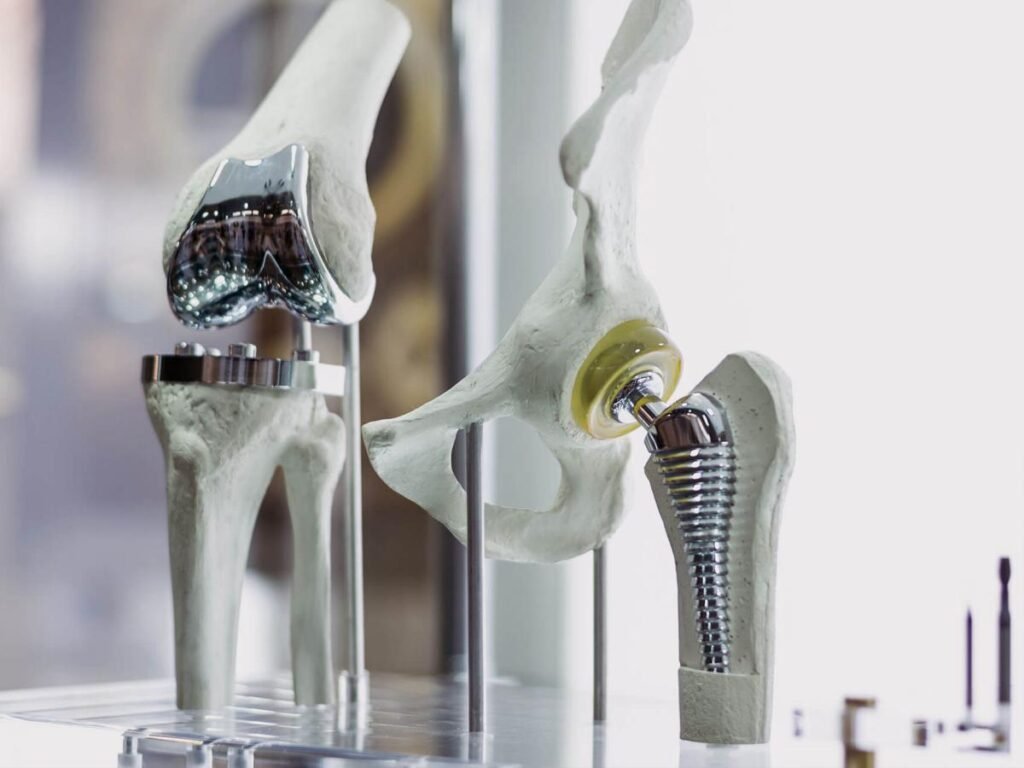
Titanium and its alloys are widely used in medical implants and load-bearing components due to their excellent biocompatibility and high strength-to-weight ratio.
In CNC machining, titanium is more challenging to process because of its hardness and low thermal conductivity. However, it is preferred in applications where long-term interaction with the human body is required, such as orthopedic implants and dental components.
PEEK
PEEK is a high-performance engineering plastic commonly used in medical devices that require a combination of strength, chemical resistance, and thermal stability.
It is often used in spinal implants, surgical instrument handles, and internal device components. CNC machining allows PEEK parts to be produced with tight tolerances while maintaining its structural integrity and biocompatibility.
PTFE and UHMWPE
PTFE and UHMWPE are selected for applications where low friction, wear resistance, or flexibility is required.
These materials are commonly used in sliding components, seals, and joint-related medical parts. However, due to their softness and deformation characteristics, CNC machining must be carefully controlled to avoid dimensional instability.
Aluminum
Aluminum alloys are often used in non-implantable medical device components such as equipment housings, structural frames, and support parts.
They are easy to machine, lightweight, and offer good strength for their weight. In CNC machining, aluminum also allows high surface quality and fast production cycles, making it suitable for medical equipment enclosures and instrument structures.