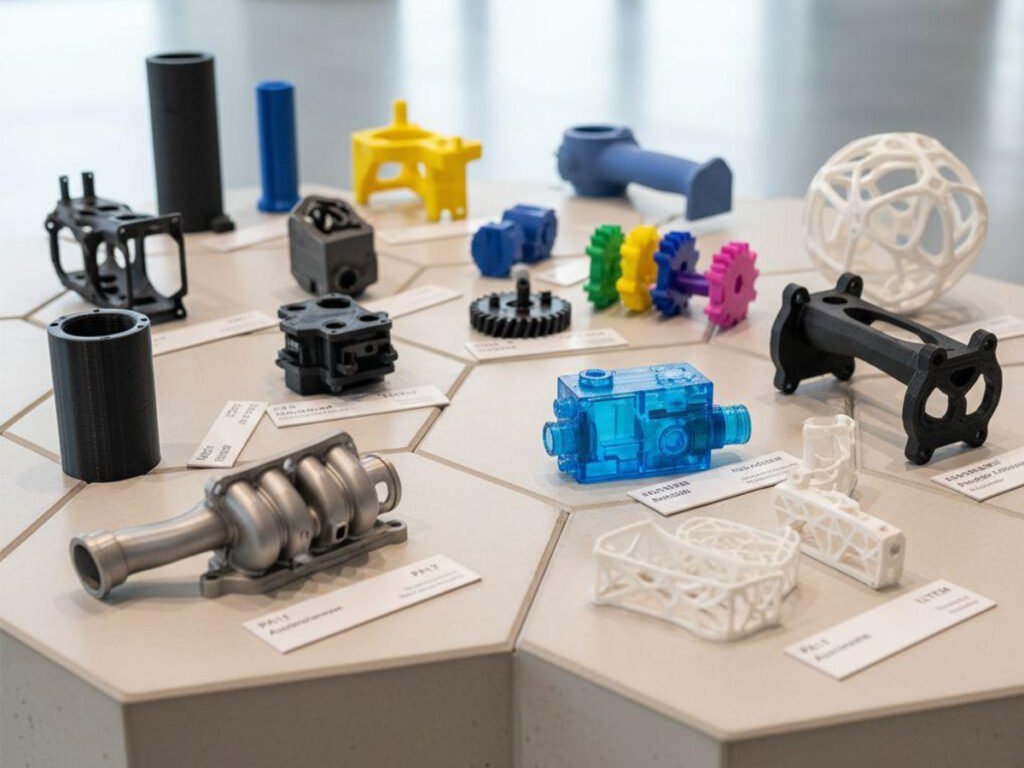
A prototype only teaches you something when it behaves like the final part. That makes material choice one of the first design decisions to make. This guide compares eight common 3D print materials and explains how to choose the right materials for 3D printing based on the prototype’s purpose and expected conditions.
PLA
PLA prints at low temperatures, barely warps on the bed, and holds sharp detail, making it a practical default for concept models and fit checks. It softens at around 60°C, so it is better suited to display pieces and early shape validation than functional parts exposed to heat. Designers often print PLA first to check proportions and basic fit before moving to a material that more closely matches the production part.
ABS
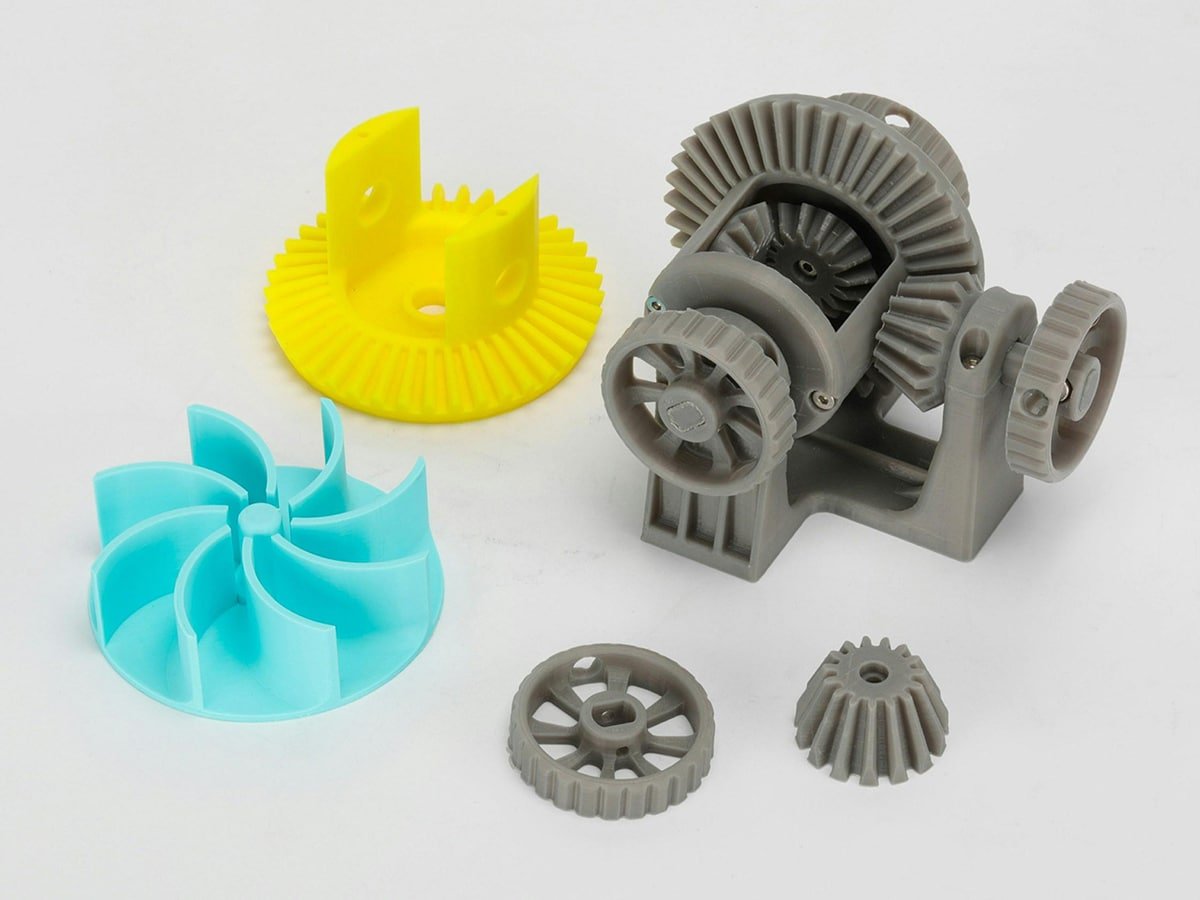
ABS handles impact and moderate heat well, and it can be sanded or vapor-smoothed for a cleaner finish. It needs a heated bed and an enclosed chamber to control warping and layer splitting. Because ABS is also widely used for injection molded parts, a printed ABS prototype can give you a useful early check of fit and assembly before committing to molded production.
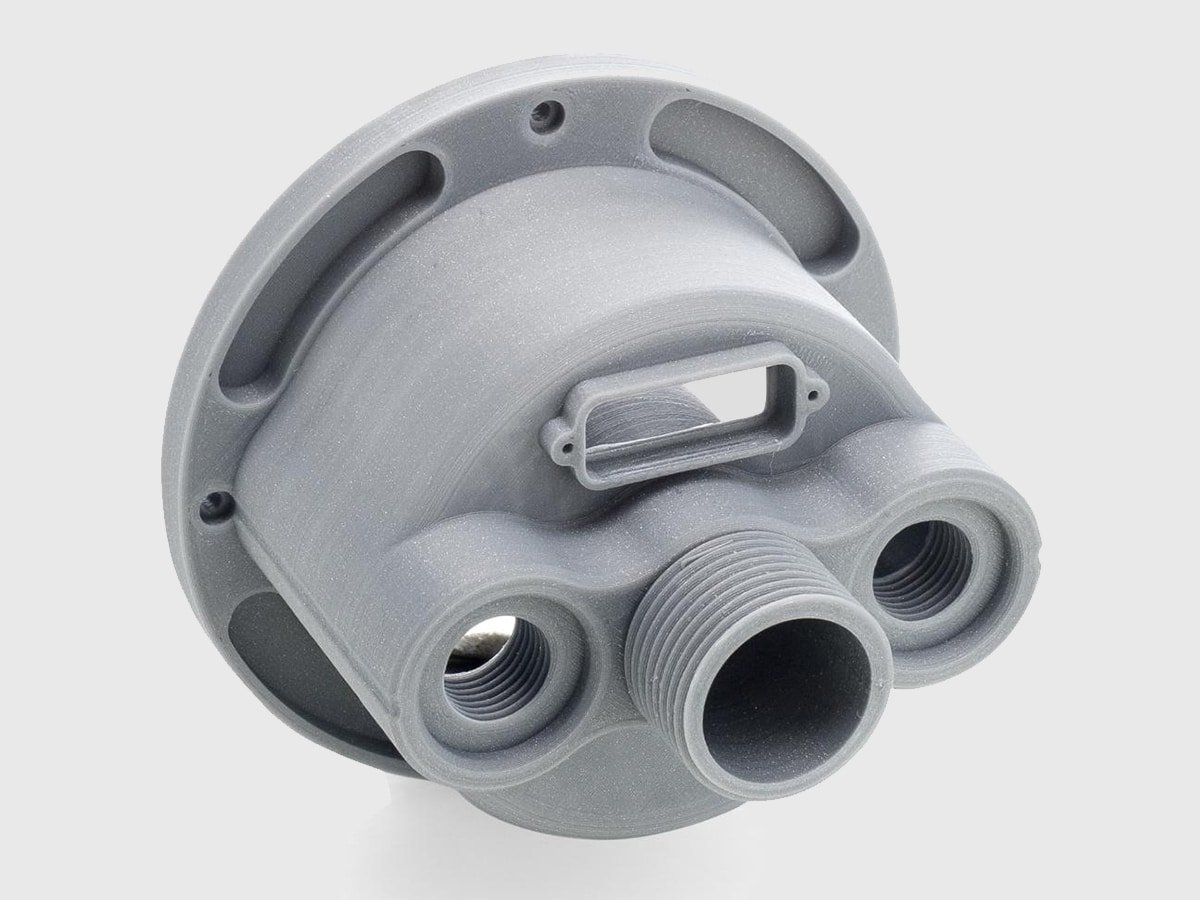
PETG
PETG sits between PLA and ABS in ease of printing and toughness. It resists moisture and many common chemicals, and its good layer bonding makes it useful for fluid-contact fixtures, protective covers, and shop-floor jigs. It tends to string more than PLA, so retraction and nozzle temperature often need some tuning.
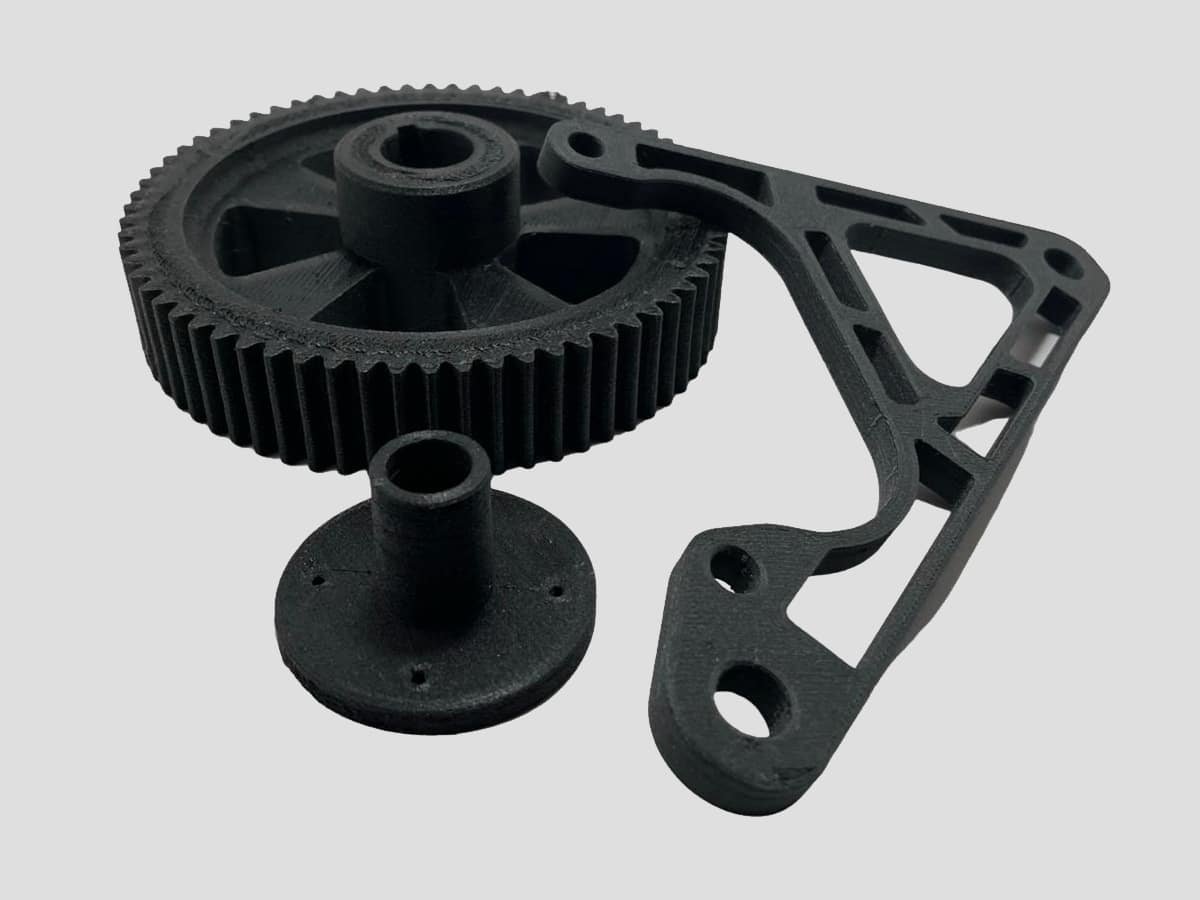
Nylon (PA12 and PA6)
Nylon offers a strong combination of strength, toughness, low friction, and fatigue resistance, making it a practical choice for gears, hinges, clips, and bushings. PA12 is widely used in powder-bed processes such as SLS, while PA6 is more commonly processed as a filament and offers higher strength but is more sensitive to moisture. Nylon absorbs moisture from the air, so dry storage and thorough pre-drying can have a direct effect on print quality and part performance.
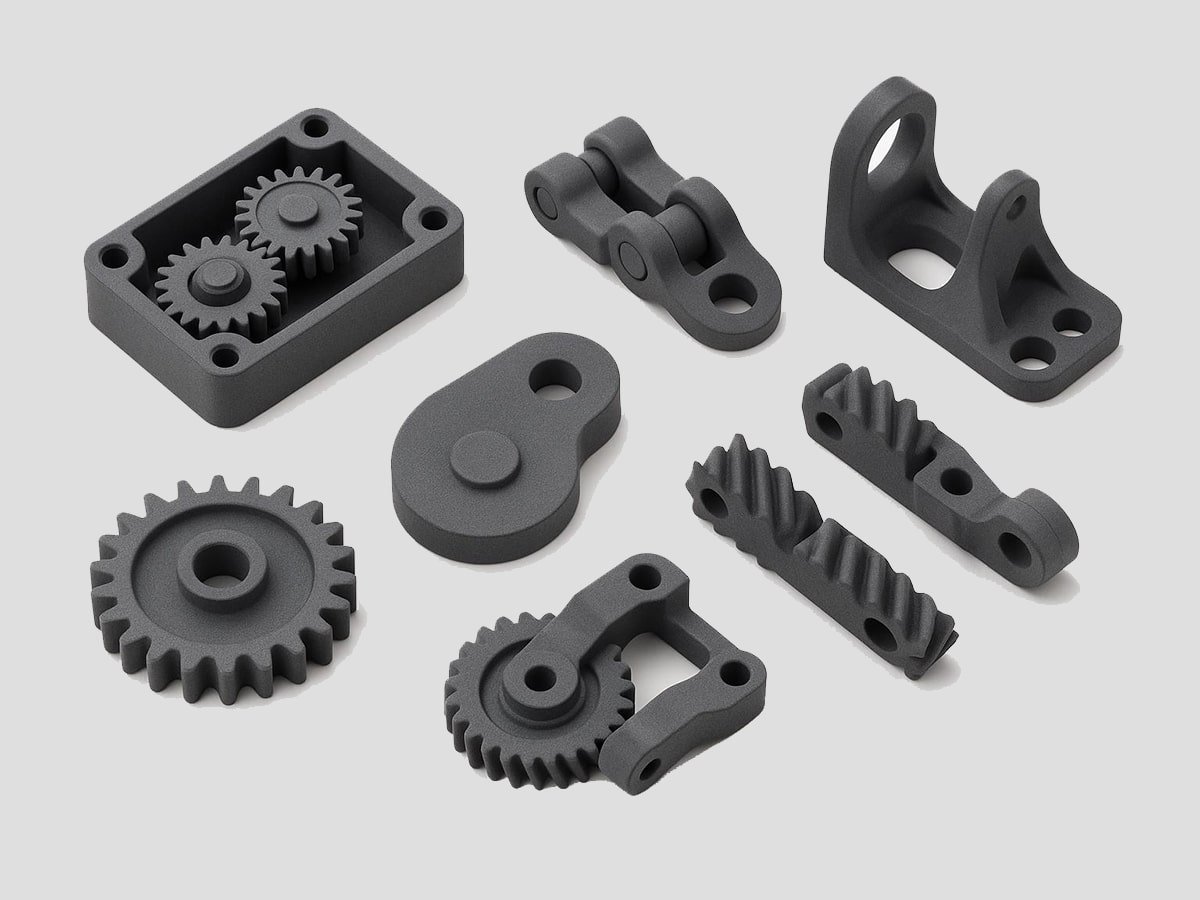
TPU
TPU is one of the main flexible materials used in 3D printing. Common filament grades range from about 85A to 95A Shore hardness, allowing parts to bend, compress, and recover without permanently deforming under normal loads. Gaskets, grips, bumpers, seals, and vibration dampers are common applications. TPU Printing speed usually needs to be reduced, with a short, well-guided filament path to feed the soft material smoothly.
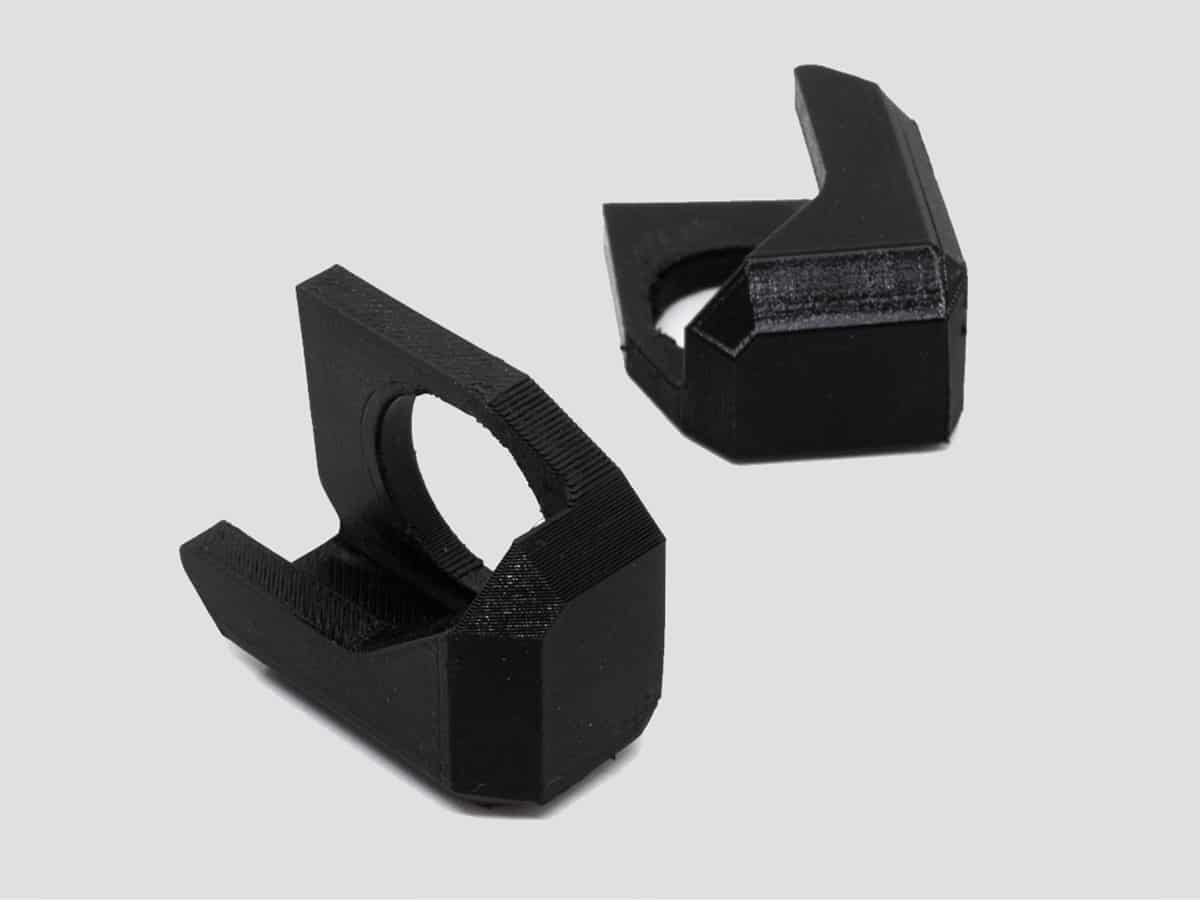
Polycarbonate (PC)
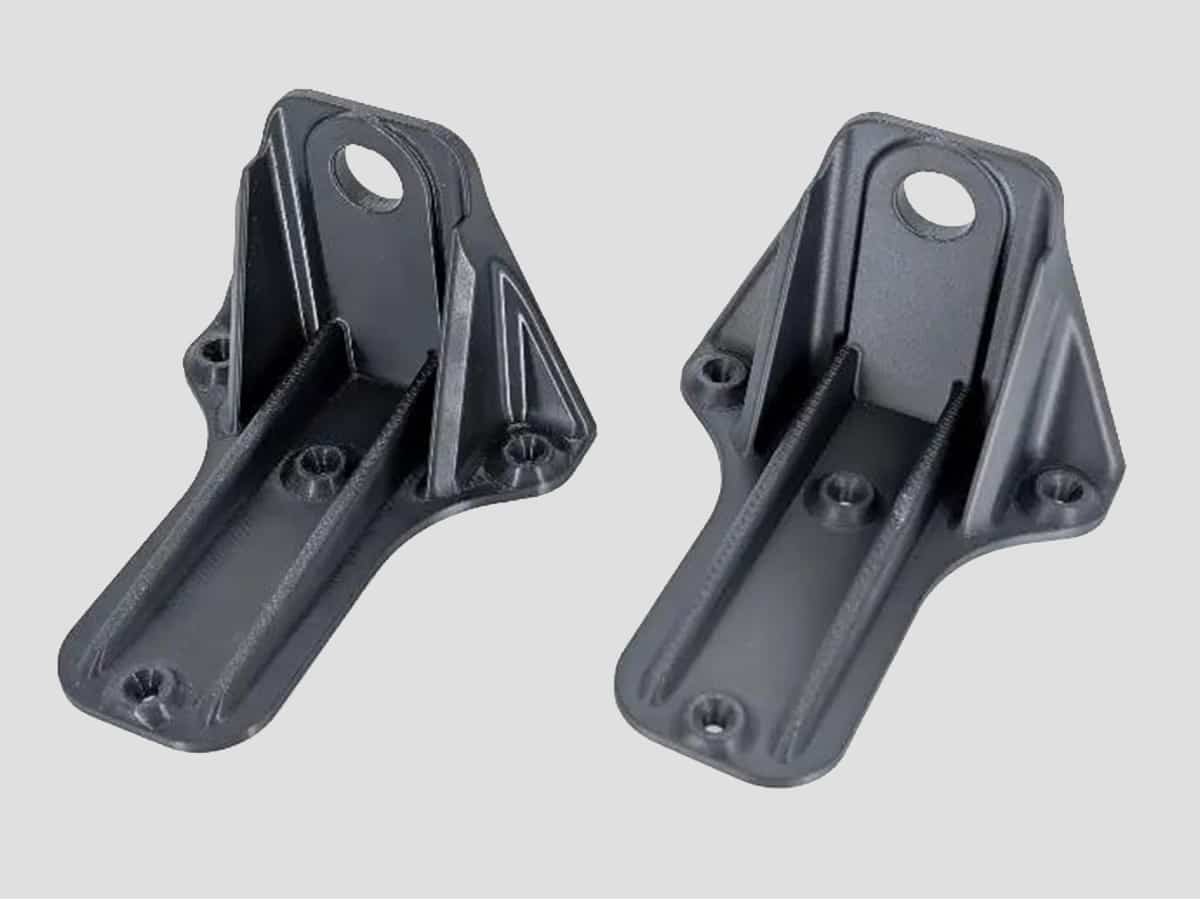
PC 3D printing combines high impact strength with strong heat resistance and good dimensional stability under load. Blends such as PC-ABS can offer a useful balance of toughness, heat resistance, and printability. Jigs, tooling aids, and demanding functional prototypes are where PC earns its place, though it requires a high-temperature printer and an enclosed build area to control warping and layer adhesion.
Photopolymer Resins
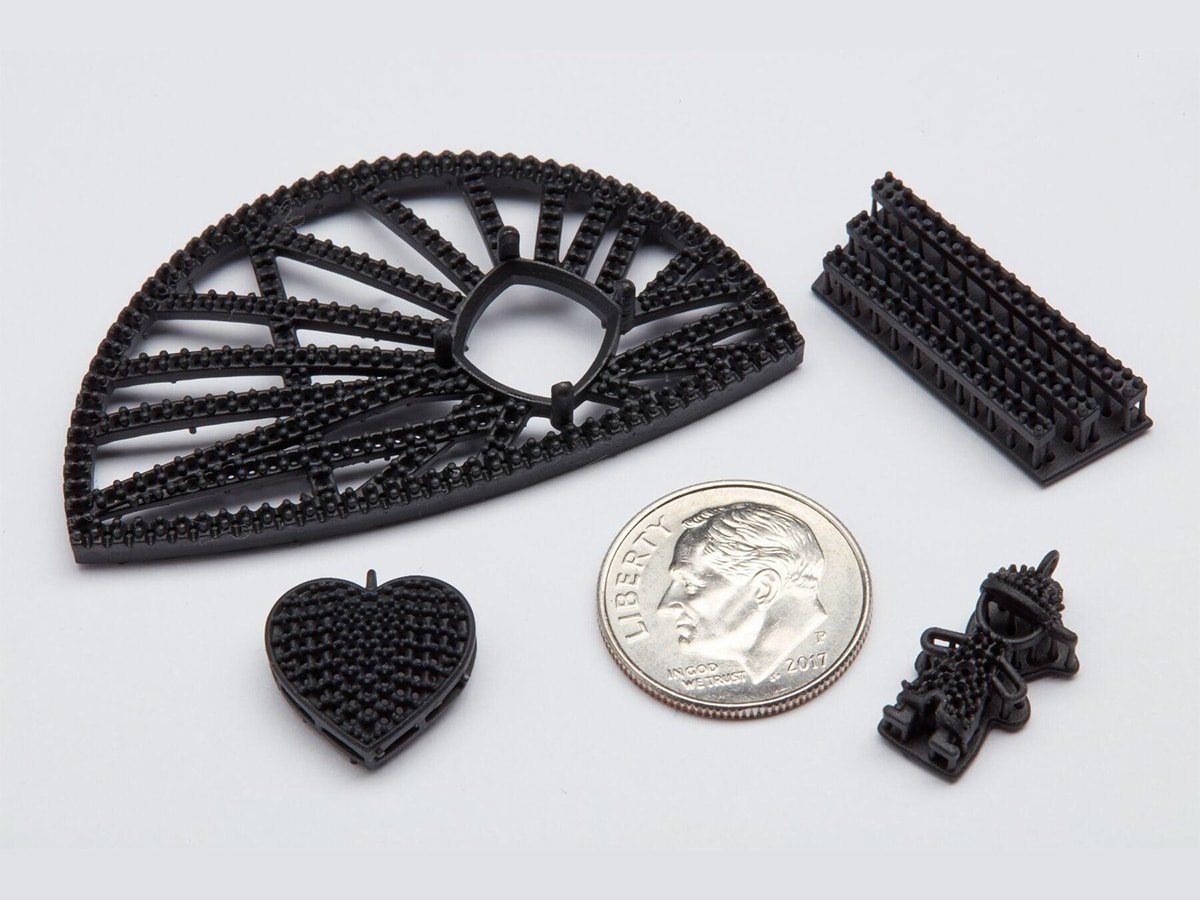
SLA and DLP printers cure liquid resin layer by layer, producing smooth surfaces and fine features that can be much smaller than 1 mm. Standard, tough, flexible, and high-temperature formulations are available for different prototype needs. Resin parts are popular for master patterns, small connectors, and appearance models, but they need washing and UV post-curing to develop their intended properties.
High-Performance Polymers (PEEK, PEI, PPS)
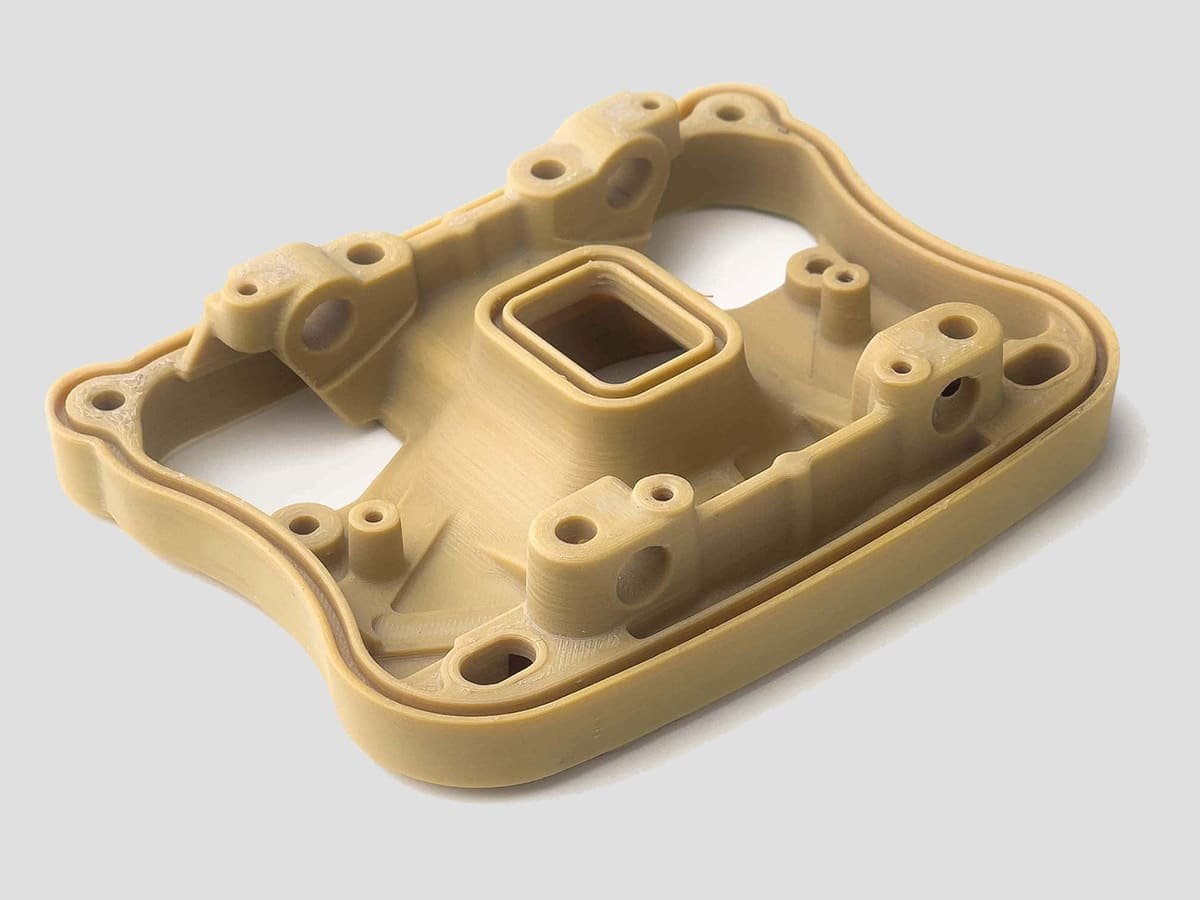
PEEK, PEI (ULTEM), and PPS are used when temperature, chemical exposure, or mechanical demands exceed the practical limits of standard 3D printing plastics. They require specialized industrial machines with heated chambers and high-temperature hot ends, with some grades requiring extrusion temperatures above 350°C. Aerospace brackets, medical device components, and under-hood automotive parts are typical applications.
How to Choose the Right 3D Printing Materials
With so many filaments, powders, and resins available, a step-by-step approach saves time and keeps the choice tied to what the part actually needs to do.
Start With the Purpose of the Print
A visual model, a fit check, and a functional test each place different demands on the material. Concept models can use PLA or standard resin. Parts that will be loaded, flexed, or assembled need a material with mechanical properties suited to the test.
Check the Mechanical Load
Parts that clip, rotate, or carry weight need adequate strength and fatigue resistance. Nylon suits snap fits and gears, while ABS and PETG work well for moderate loads. FDM parts are generally weaker across the layer interfaces, so orient the part with the main stress running along the layers rather than pulling them apart.
Consider Temperature and Environment
Note the hottest condition the part will face, such as a sunlit dashboard or a warm motor housing. PLA softens at relatively low temperatures, while PETG, ABS, and PC handle higher temperatures. Nylon and high-temperature materials such as PEEK and PEI are options when the thermal demands are higher.
Set the Surface Finish Target
Surface quality varies widely between processes. Resin gives smooth, detailed surfaces straight off the printer, while FDM parts show visible layer lines that may need sanding or coating. Decide early how the part will be judged, since finishing adds time and cost.
Look Ahead to Production
When a part is headed for injection molding, printing it in the same or a closely matched material can make the prototype more useful for fit, assembly, and functional checks. ABS can preview an ABS molded part, while TPU can provide a useful approximation of a flexible molded component. The closer the material and intended use match, the more relevant the prototype results become.
Balance Cost and Lead Time
PLA and PETG are inexpensive and quick to reprint, which suits early revisions. Nylon and specialty resins cost more per part. Save them for later rounds, when the design is closer to final and the test results need to be more representative.
Conclusion
The best printable material is not always the cheapest or easiest to print; it is the one that gives the prototype the properties needed for the test. Zhongde’s 3D printing service supports functional prototypes in a range of materials, helping you validate fit, performance, and appearance before moving to production.