Knowledge Hub

Molding Defects: Gate Blush

How to Prevent Gate Blush in Injection Molding?

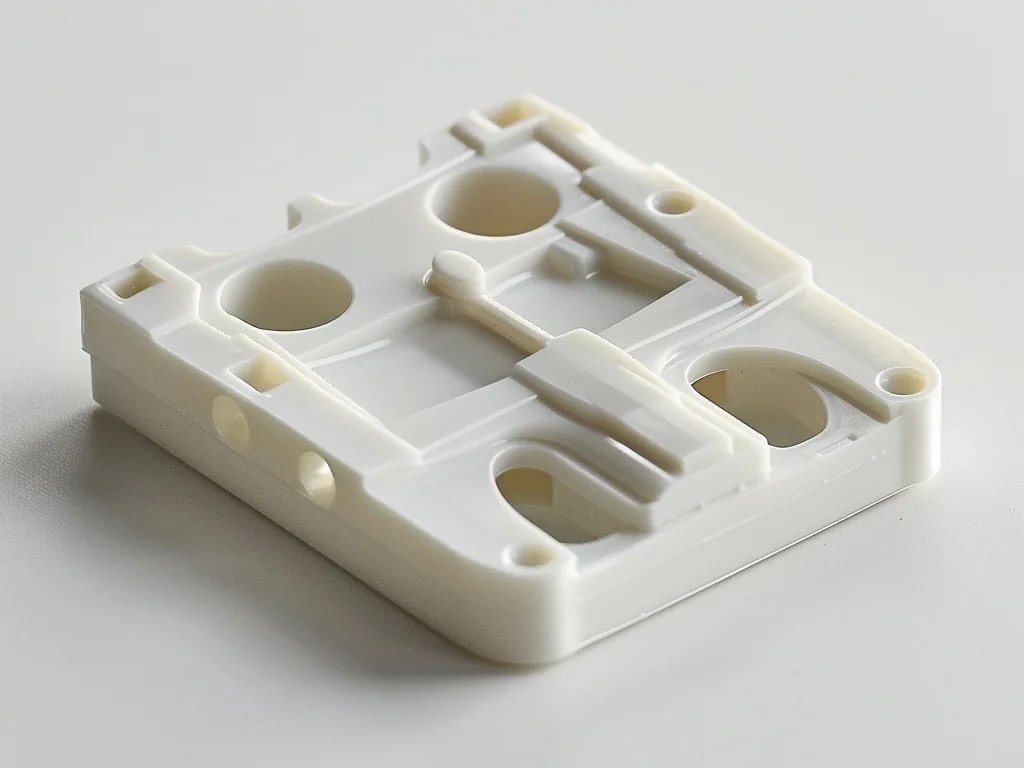
Gate blush in injection molding is a prevalent issue in injection molding manufacturing. This article explores what gate blush injection molding is and how to prevent gate blush. What is Gate Blush in Injection Molding? Gate blush is one of the defects in injection molding that typically appears near the gate area of injection-molded plastic […]

How to Prevent Gate Blush in Injection Molding? Read More »
Molding Defects: Silver Streak

Understanding Silver Streak & Splay Mark in Injection Molding

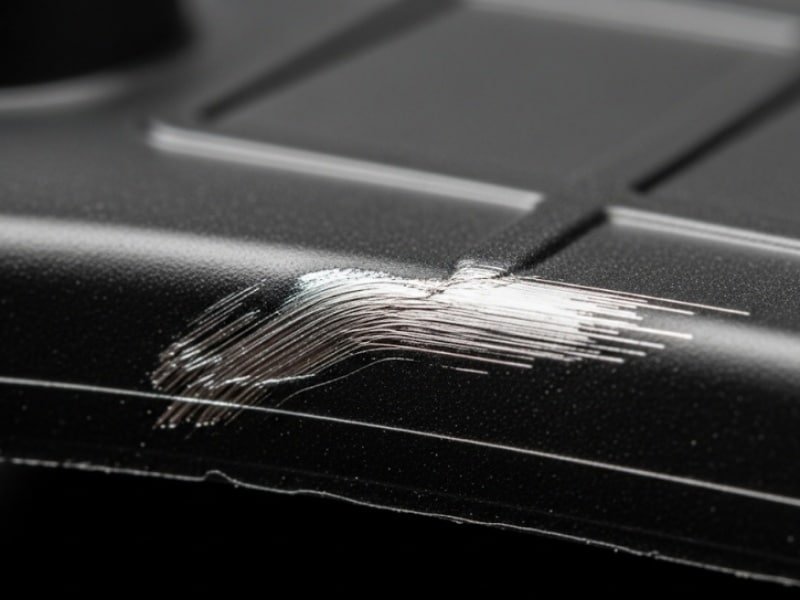
What Are Silver Streaks in Injection Molding? Silver streak, also called splay, is a surface defect that appears as silvery or whitish streaks on an injection molded plastic part. It forms when gas, moisture, or volatile material separates from the molten plastic during molding and becomes visible on the part surface. How to Identify Silver

Understanding Silver Streak & Splay Mark in Injection Molding Read More »

High Volume Production

High Volume Production Explained: Benefits, Challenges & Best Practices

High volume production plays a key role in meeting market demand, reducing costs, and increasing profitability. This article explores what high volume production is. What is High-Volume Production? High-volume production, also known as high volume manufacturing (HVM), is the process of producing large quantities of standardized products using automated systems. This approach leverages advanced machinery

High Volume Production Explained: Benefits, Challenges & Best Practices Read More »

Low Volume Manufacturing

What Is Low Volume Manufacturing?

What is Low Volume Manufacturing? Low volume manufacturing is producing limited quantities of goods, typically between 50 and 5,000 units. It is between one-off prototyping and large-scale mass production. Low volume production focus on flexibility over production scale. This manufacturing method allows businesses to test markets, validate designs, or cater to niche customer needs without

What Is Low Volume Manufacturing? Read More »

Injection Molded PVC

A Simple Guide to PVC Injection Molding

Polyvinyl chloride is one of the most versatile and widely used thermoplastics in modern manufacturing. PVC injection molding has become an efficient and precision manufacturing method for various industries. In this article, we will explore the polyvinyl chloride material properties and injeciton molding process. If you are not familiar with injection molding, you can learn

A Simple Guide to PVC Injection Molding Read More »

ldpe parts

LDPE Injection Molding Guide

Low-Density Polyethylene (LDPE) injection molding is a pivotal manufacturing method widely used to produce flexible, durable LDPE plastic components across diverse industries. What Is LDPE and Its Material Characteristics? LDPE, or low-density polyethylene, is a lightweight, flexible thermoplastic polymer known for its softness and toughness. Its unique molecular structure is highly branched, which reduces density

LDPE Injection Molding Guide Read More »

Polystyrene Injection Molding

Learn About Injection Molding Polystyrene

Polystyrene injection molding uses a low-cost, easy-to-process thermoplastic to produce precise, high-volume parts for packaging, electronics, and consumer products. Understanding key considerations lays the groundwork for improving production quality and efficiency. What Is Polystyrene? Polystyrene (PS) is a thermoplastic polymer produced through the addition polymerization of styrene monomers, resulting in a rigid, amorphous material known

Learn About Injection Molding Polystyrene Read More »

PP Material Plastic Parts

Guide to Machining Polypropylene

Machining polypropylene (PP) is a cost-effective and versatile solution for producing high-quality components across industries. In this article, we will explore the PP mateiral properties and CNC machining process of polypropylene plastic fabrication. What is Polypropylene (PP)? Polypropylene, often referred to as PP, is a thermoplastic polymer of the polyolefin. This PP material is known

Guide to Machining Polypropylene Read More »

ABS Material

Precision Plastic ABS CNC Machining Guide

ABS CNC machining has become one of the most favored methods for fabricating high-quality plastic parts in modern manufacturing. This article will explore the ABS CNC machining process advantages, material properties and the challenges of machining ABS. What Is ABS Plastic? ABS plastic, or Acrylonitrile Butadiene Styrene, is a terpolymer made by combining three distinct

Precision Plastic ABS CNC Machining Guide Read More »

Casting Nylon

What is Cast Nylon?

Casting nylon is a high performance polyamide and it is known for its strength, versatility, and adaptability across applications. This article will explore the essence of casting nylong, the production process, types, and advantages. What is Casting Nylon? Casting nylon, a form of polyamide (typically Nylon 6), is an engineering plastic created through a monomer

What is Cast Nylon? Read More »