CNC machining might sound like a technical term reserved for factories, but in reality, it’s the backbone of modern manufacturing. From precision parts in electronics to industrial components in machinery, CNC machining shapes the products we rely on every day.
At its core, CNC (Computer Numerical Control) machining is all about turning digital designs into precise, tangible parts. The process uses automated machines to cut, drill, or mill materials with a level of accuracy and consistency that’s impossible to achieve by hand. Even if you’ve never stepped inside a workshop, understanding CNC machining can help you make better decisions when ordering custom parts, communicating with suppliers, or planning production.
What Is CNC Machining?
CNC stands for Computer Numerical Control, which means a computer reads a digital design and controls the machine’s movements with incredible accuracy. Instead of relying on a human operator to measure and cut manually, CNC machines follow programmed instructions to carve, drill, mill, or turn material into the desired shape.
Unlike 3D printing, which builds parts layer by layer, CNC machining starts with a solid block of material. The machine carefully removes material until the final part emerges—like sculpting a statue from a block of marble. This allows for very tight tolerances and smooth surfaces, which are essential for parts that need to fit perfectly, move reliably, or perform under pressure.
How Does CNC Machining Works?
CNC machining begins long before a single tool touches a block of material. The process is like planning a road trip: you need a map, directions, and the right vehicle before you even start moving. For CNC, the “map” is a digital 3D model of the part you want to make.
Designing the Part (Digital Modeling)
Every CNC project starts with a CAD (Computer-Aided Design) model. Think of it as a virtual blueprint. Designers use CAD software to create a detailed 3D version of the part, specifying shapes, holes, angles, and dimensions. This model ensures that the machine will know exactly what to cut and where.
Converting the Design to Machine Instructions (CAM Programming)
Once the design is ready, it’s converted into instructions the CNC machine can understand through CAM (Computer-Aided Manufacturing) software. This step is like programming a GPS: the software decides the route the cutting tools will take, the speed of movement, the depth of each cut, and the order of operations to produce the part efficiently and accurately.
Preparing the Machine and Material
Next, the material block—metal, plastic, or other materials—is fixed securely in the machine. The CNC machine is calibrated, tools are loaded, and safety checks are performed. This stage ensures that the machine and material are ready for precise work, just like preheating the oven before baking.
Machining the Part
Now the machine follows the G-code instructions, removing material carefully until the part takes shape. At this stage, the CNC’s precision comes into play. Every cut, rotation, and feed is controlled to match the digital model. Unlike hand tools, the machine repeats these movements consistently, ensuring uniformity across multiple parts.
Finishing and Inspection
After the part is machined, it’s inspected for dimensions and surface quality. Any minor adjustments or finishing touches—like polishing, deburring, or coating—are applied. This step ensures that the final part not only matches the design but also meets functional requirements.
What CNC Machining Processes Are Commonly Used?
CNC machining isn’t just one single operation—it’s a toolbox of techniques, each suited for different shapes, materials, and precision requirements. Here are the main processes explained in simple terms:
CNC Milling
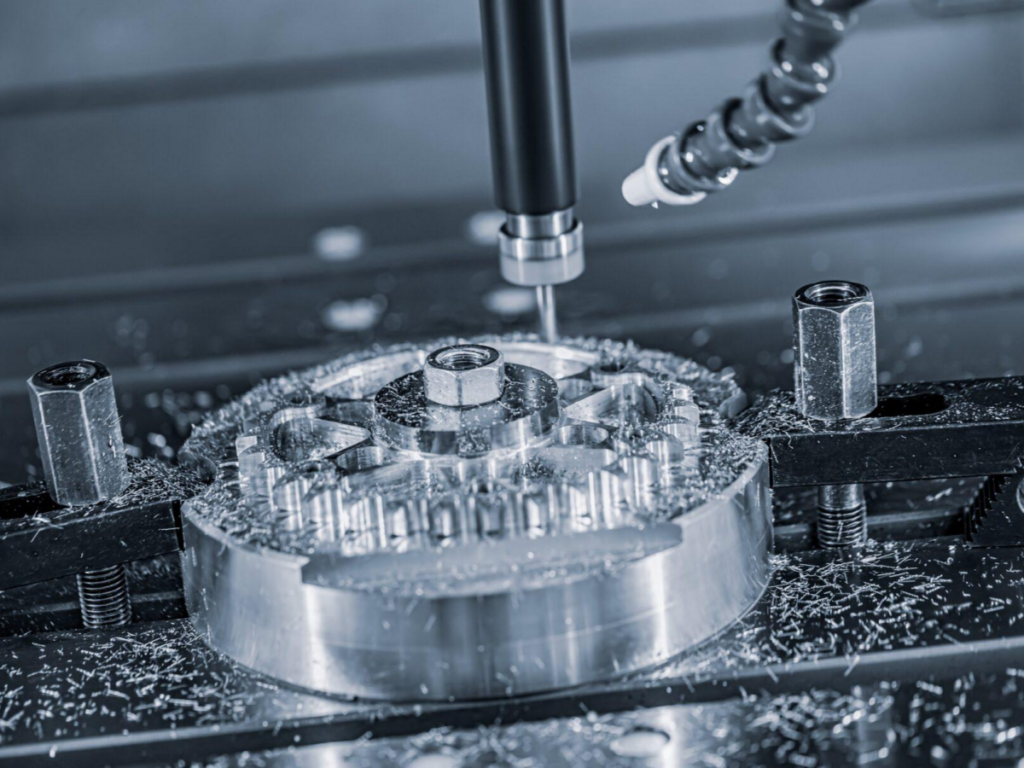
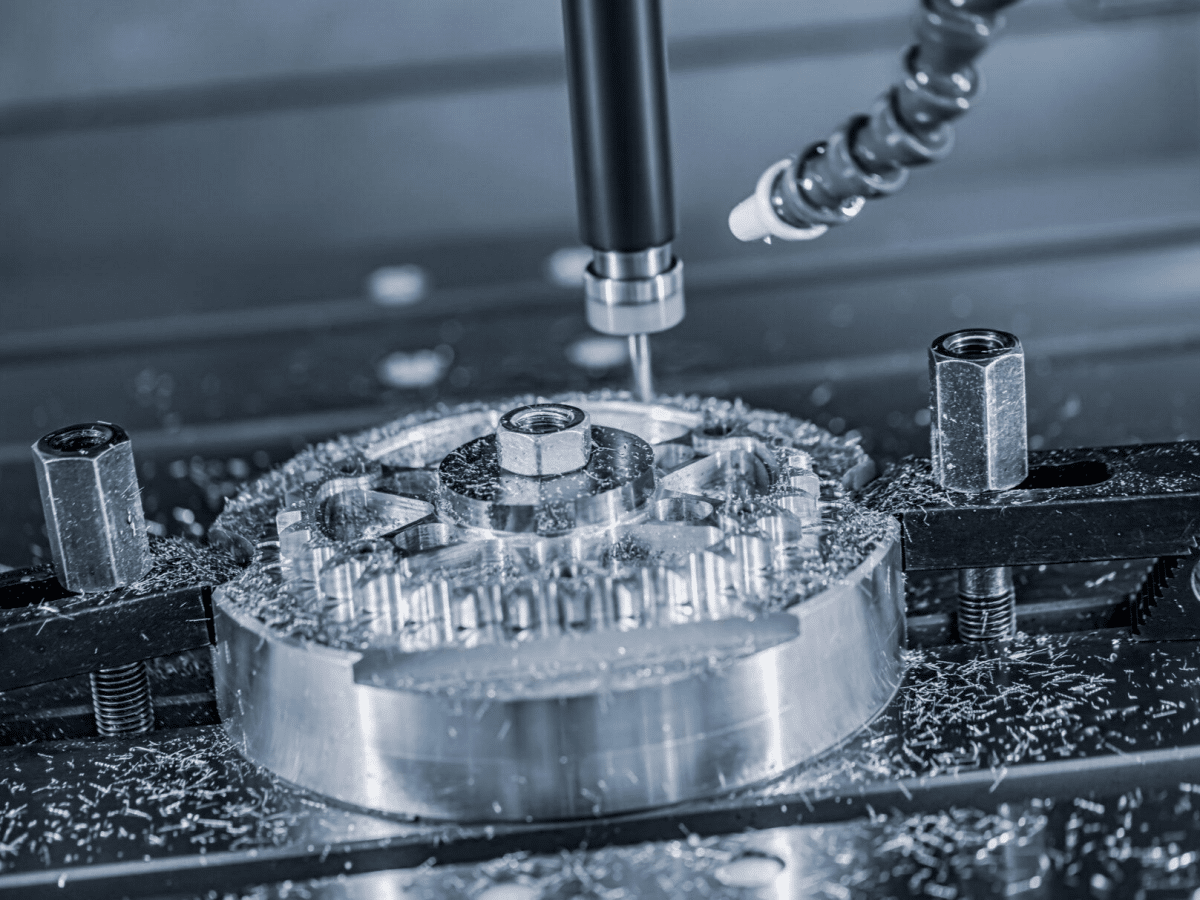
Imagine a tiny robotic knife carving out a block of chocolate. CNC milling works in a similar way: rotating cutting tools remove material to create flat surfaces, pockets, slots, or complex 3D shapes. Milling can be simple, like 3-axis milling that moves in three directions, or highly precise, like 5-axis milling that approaches the part from multiple angles for intricate designs.
CNC Turning
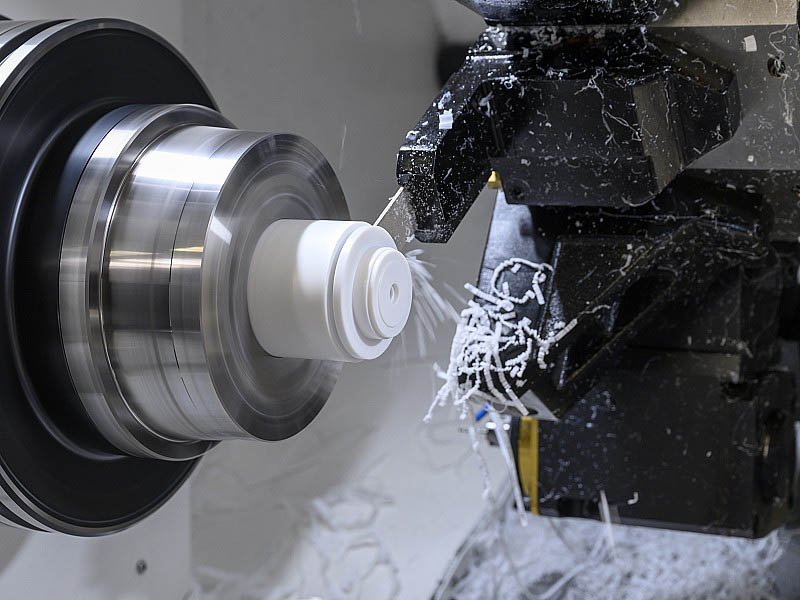
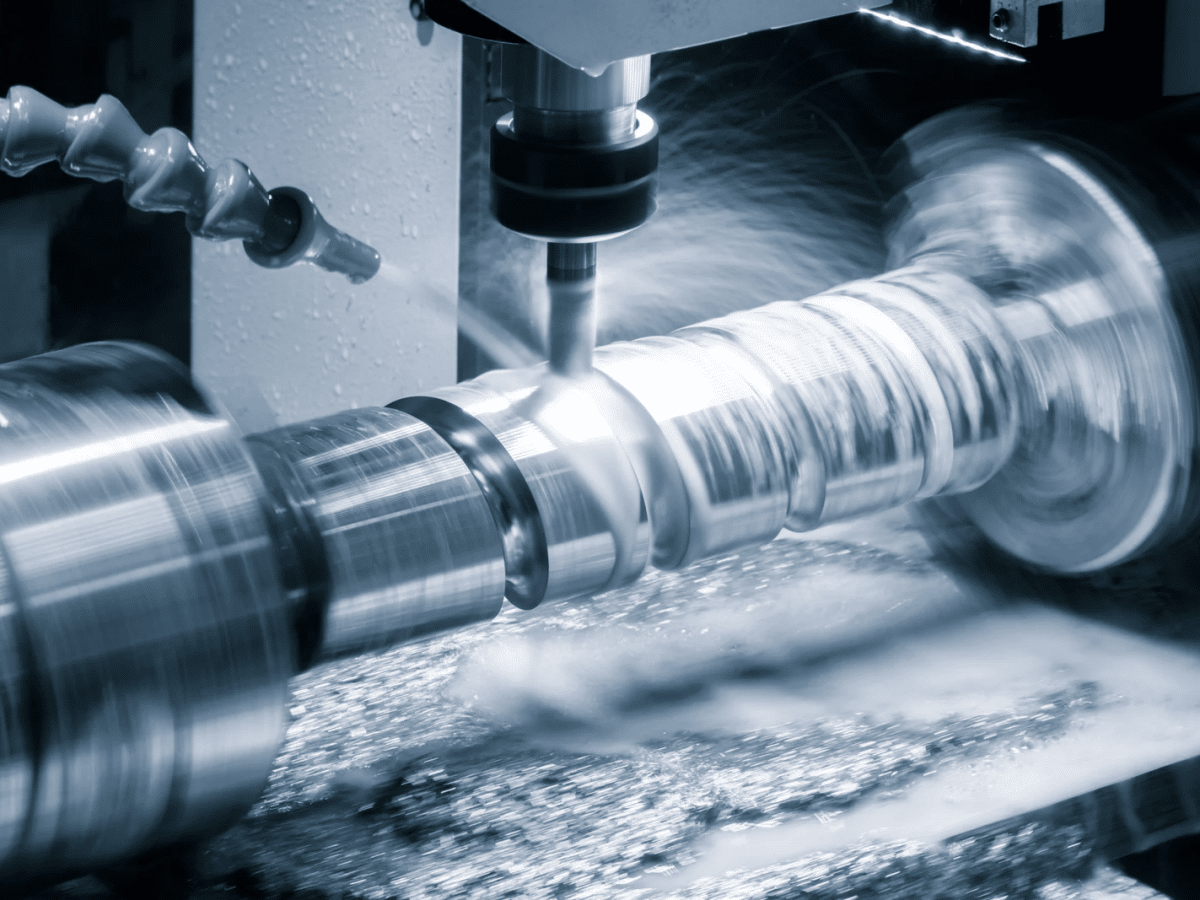
Turning is like spinning a piece of clay on a potter’s wheel. The workpiece rotates while a cutting tool shapes its exterior or bores its interior. This process is perfect for cylindrical parts like shafts, rods, or pins. The machine can produce smooth, round surfaces with high precision, and even create threads if needed.
CNC Drilling and Boring
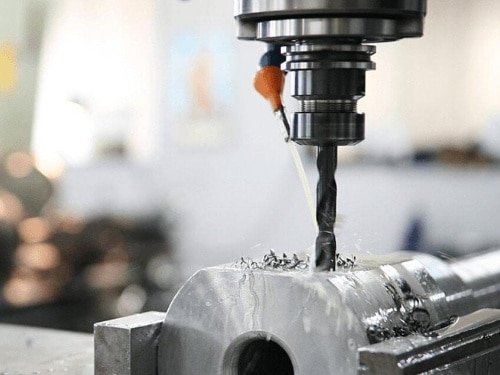
Drilling is like poking holes in a block of wood with a handheld drill—but controlled by a computer for perfect placement. Boring or counterboring goes a step further, enlarging or shaping holes to exact dimensions, ensuring screws or fittings sit flush and secure.
CNC Grinding
Grinding uses an abrasive wheel to refine the surface of a part, improving its finish and precision. It’s like sanding a wooden sculpture until it’s smooth and even. Grinding is often the final touch to achieve very tight tolerances or ultra-smooth surfaces.
Specialized Cutting Processes
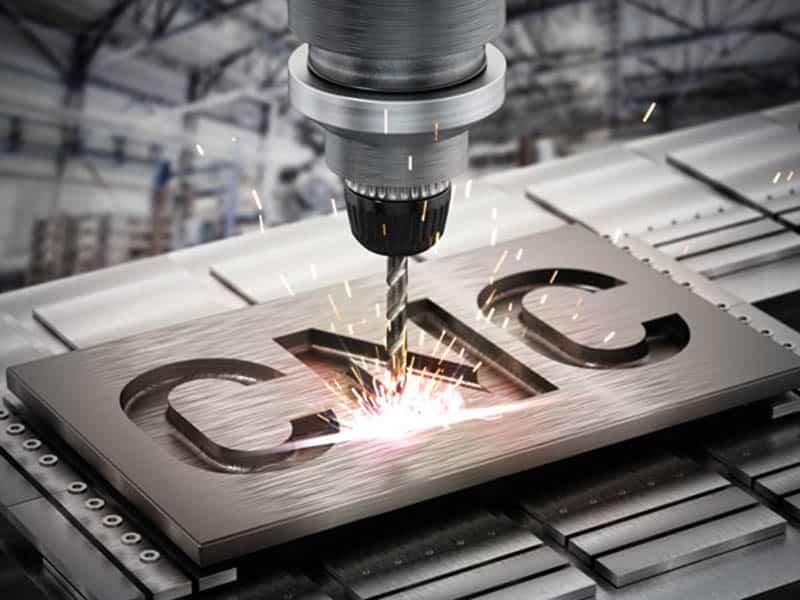
CNC can include laser cutting, waterjet cutting, and grinding, depending on material and tolerance needs. Think of these as specialized “tools” in the machine’s toolkit: each one leaves a different finish and achieves precision in ways traditional machining can’t.
What Are the Main Types of CNC Machines?
Even if you’ll never touch a CNC machine in real life, understanding its basic structure can help you picture how parts are made and why different machines are suited for different jobs.
CNC Milling Machine
A milling machine has a sturdy frame, a movable table, and a spindle that holds the cutting tool. The frame needs to be rigid to prevent vibrations, ensuring precision. The spindle design allows high-speed rotation, while the table moves in X, Y, and sometimes Z directions. Some advanced milling machines add rotational axes, giving them more flexibility.
CNC Lathe
A lathe consists of a bed, a rotating spindle, and a tool post. The workpiece spins while the tool stays fixed or moves along linear axes. The bed must resist twisting and deflection because even tiny movement errors affect roundness. Precision engineers often add heavy-duty bearings and guideways to maintain alignment over long production runs.
CNC Routers
Routers usually have a larger, open frame to accommodate sheets of material. The spindle moves over the surface while the table stays mostly fixed. Designers prioritize speed and reach over extreme rigidity because the materials are lighter and easier to cut.
EDM Machines
EDM machines have a tank filled with dielectric fluid, an electrode holder, and a power supply capable of generating sparks. The workpiece doesn’t move much; instead, the electrical discharge removes material. The internal design focuses on controlling spark energy, fluid flow, and debris removal, which is very different from mechanical cutting machines.
What Are the Advantages of CNC Machining?
By now, you’ve probably got a basic idea of what CNC machining is and how it works, but you might still be wondering what makes it truly useful and advanced in real-world manufacturing. Let’s take a closer look at the main advantages that make CNC machines a go-to choice for precision parts.
Consistent Precision
CNC machines follow digital instructions exactly, producing parts that are virtually identical every time. Imagine a robot artist who can replicate the same sculpture hundreds of times without a single variation. This consistency ensures high-quality parts without relying solely on human skill.
To understand exactly what precision levels are achievable, see our guide on standard tolerances for CNC machining.
Ability to Handle Complex Designs
With multiple axes and precise motion control, CNC machines can create intricate shapes that would be extremely difficult or impossible by hand. Curved surfaces, complex geometries, or detailed engravings become routine tasks rather than challenges.
Reduced Human Error
Automating cutting, drilling, or shaping eliminates most mistakes caused by fatigue, misjudgment, or inconsistent technique. This not only improves quality but also reduces material waste.
Faster Prototyping and Production
CNC machines can switch between designs quickly, meaning prototypes can be made in days rather than weeks. Once a design is finalized, mass production can proceed without lengthy setup times.
Versatility Across Materials
From plastics to metals, soft to very hard materials, CNC machines can handle a wide range. This flexibility makes them suitable for industries from consumer products to aerospace.
Cost-Effective for Custom and Small Runs
Although CNC machines require investment, they save money on custom parts or small batches because there’s no need for specialized tooling or manual labor. Adjusting designs digitally is faster and cheaper than changing physical tools.
What Materials Can CNC Machines Work With?
At this stage, let’s assume we’ve decided to use CNC machining—now the choice of material becomes the first priority. Different materials behave differently under cutting, drilling, or milling, and knowing the basics can help you plan your project and communicate effectively with your manufacturer.
Metals
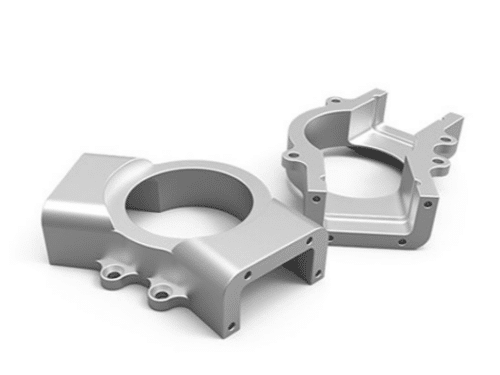
CNC machines excel at metals, from soft aluminum to hard stainless steel or titanium. Softer metals like aluminum are easier and faster to machine, making them ideal for prototypes or parts where weight is important. Harder metals like stainless steel or titanium offer strength and durability, suitable for structural components or high-wear applications.
Metal components behave differently in CNC machining; learn more in our metal CNC machining Guide.
Plastics
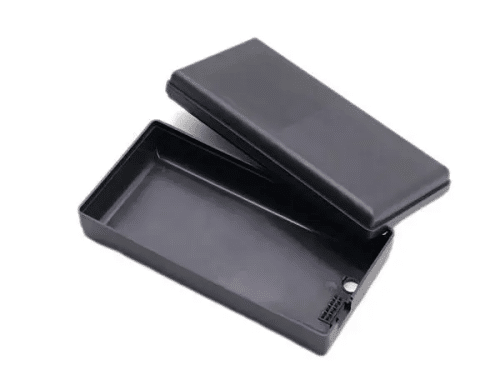
Plastics such as ABS, POM, and polycarbonate are easy to shape and can achieve smooth, consistent surfaces with CNC machining. They’re particularly suitable for tight-tolerance components where surface appearance matters, like enclosures, consumer product parts, or functional prototypes.
For insights into machining plastics with CNC, see our plastic CNC machining article.
Composites
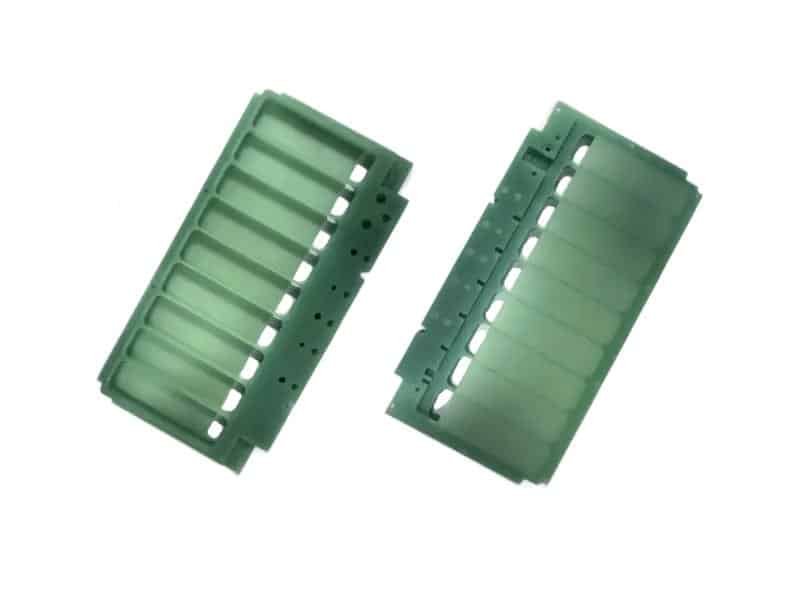
Composites like carbon fiber reinforced plastics can be more challenging on CNC machines because of layered structures. With proper setup, CNC machining can produce precise shapes without fraying or delamination, making lightweight yet strong components possible.
Wood and Soft Materials
CNC routers can efficiently handle wood, foam, and other soft materials. These are generally chosen for prototypes, decorative pieces, or lightweight functional parts. They don’t need extreme precision or strength, but benefit from CNC’s ability to cut complex shapes cleanly.
Where Is CNC Machining Used?
Finally, if you still find the theory a bit abstract, let’s look at how CNC technology is applied across industries. You’ll see that in today’s world, many industrial products rely on CNC machining in one way or another.
Automotive
In automotive production, CNC machining is crucial for components like engine brackets, transmission gears, and fuel pump housings. Imagine a solid aluminum block transformed into a precision gear where each tooth is accurate to 0.01 mm—something hand tools simply can’t achieve. High tolerances ensure smooth engine operation, reduced friction, and longer lifespan, which directly affects vehicle performance.
Aerospace
Every airplane part must withstand stress, vibration, and temperature changes. CNC machining can produce lightweight, strong components from metals and composites, with surface finishes smooth enough to reduce drag and improve fuel efficiency. A single slip in precision could compromise safety, making CNC’s accuracy indispensable.
Consumer Electronics
CNC is behind the smooth, seamless casings of smartphones, laptops, and appliances. A raw plastic or aluminum blank is carved into a perfectly fitting enclosure, with corners and holes aligned to 0.05 mm. This precision ensures that buttons, screens, and ports fit exactly as designed, giving consumers a polished and reliable product.
Medical Devices
Surgical tools, implants, and prosthetics must fit the human body precisely. CNC machining ensures these parts meet strict tolerance and surface requirements, which can be critical for patient safety and comfort.
Industrial Equipment
Valves, molds, and machinery parts often have intricate internal channels or threaded components. CNC allows manufacturers to achieve these complex geometries with repeatable precision, ensuring machinery works efficiently and reliably under high stress.
Prototyping and Custom Parts
For startups and R&D teams, CNC machining transforms ideas into physical parts quickly. You can test fit, form, and function in real-world conditions, iterate designs, and scale production without waiting weeks for traditional tooling.
Conclusion
By reading this guide, you should now have a clear picture of CNC’s versatility, precision, and transformative power. Put simply, it’s like a universal cutting robot that carves parts exactly according to instructions—never making a mistake. Yet, from this simple principle, we can see just how endlessly varied and complex the results can be.
If you’re looking to turn your ideas into real parts, working with an experienced CNC partner like Zhongde makes the process smooth and reliable. Contact our team to explore how CNC machining can bring your designs to life.