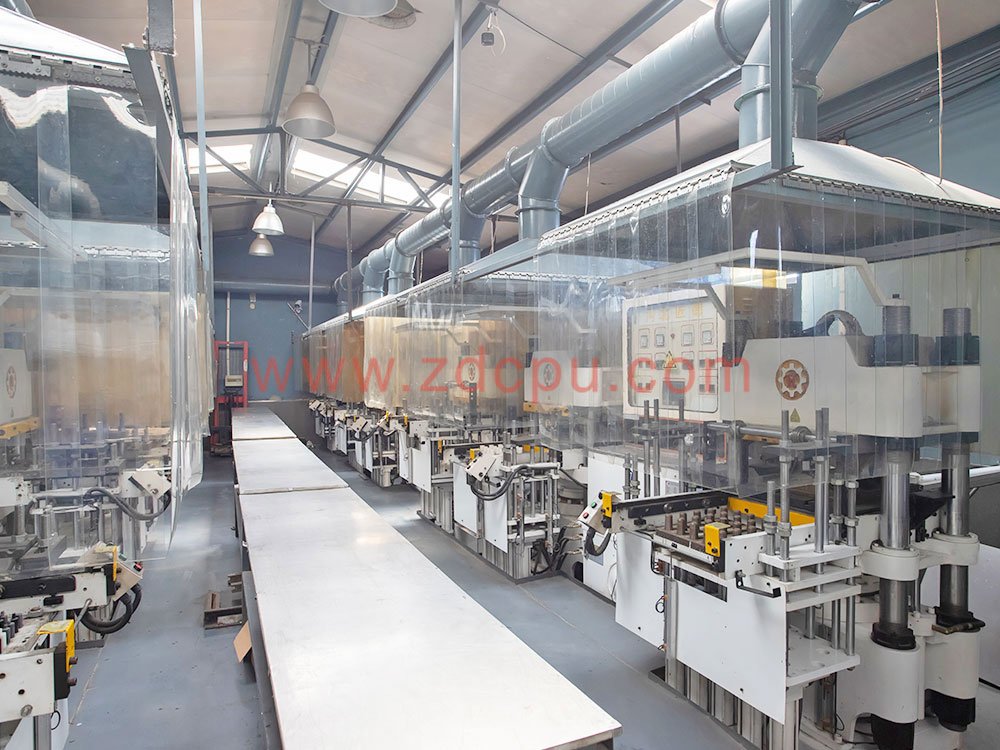
Injection molding was originally developed for processing plastics, but advances in rubber processing technology have made it a reliable method for producing rubber components as well. Today, rubber injection molding is widely used for applications that require consistent quality, complex geometries, and efficient production at medium to high volumes.
But what makes rubber injection molding different from other molding methods—and when is it the right choice for a rubber part?
What Is Rubber Injection Molding?
Rubber injection molding is a manufacturing process that converts uncured rubber compounds into finished components by injecting the material into a heated mold cavity under controlled pressure. Inside the mold, the rubber is cured through heat and pressure to achieve its final shape, elasticity, and mechanical properties.
Types of Rubber Injection Molding
While the basic principle of injecting rubber into a mold remains similar, different injection systems are used depending on the rubber compound, part requirements, and production needs.
- Screw Injection Molding: Uses a rotating screw to warm, mix, and feed rubber compounds into the mold cavity, providing accurate control over material volume and flow consistency. It is widely used for medium- and high-volume production of molded rubber parts.
- Plunger (Ram) Injection Molding: Uses a hydraulic plunger to push rubber compound from a heated pot into the mold cavity. This method is suitable for high-viscosity compounds and applications requiring controlled material handling.
- Liquid Injection Molding (LIM): A specialized process for liquid silicone rubber (LSR). Two liquid components are mixed and injected into a heated mold, making it suitable for precision parts in medical, automotive, and consumer applications.
Process of Rubber Injection Molding
Although rubber injection molding equipment shares similarities with plastic injection molding systems, the process mechanism is different. Plastics typically solidify through cooling, while rubber parts achieve their final properties through heat-activated curing (vulcanization).
Compound Preparation
Raw rubber is compounded with curing agents, fillers, pigments, and other additives to achieve the required performance characteristics. The uncured compound is then prepared into strips, pellets, or preforms suitable for the injection system.
Material Warming and Feeding
A screw or plunger transfers the rubber compound into the injection unit while applying controlled heat and shear to improve flow. Unlike thermoplastics, rubber must remain below its curing temperature during this stage to prevent premature vulcanization, also known as scorch.
Injection
The prepared rubber compound is injected into a closed, heated mold cavity. Because uncured rubber typically has high viscosity and complex flow behavior, injection speed and pressure must be carefully controlled to ensure complete filling and minimize defects such as trapped air or incomplete curing.
Curing (Vulcanization)
Once inside the heated mold, the rubber is held under controlled temperature and pressure for a specific curing time. During this stage, chemical cross-linking occurs, giving the part its final elasticity, strength, and dimensional stability.
Demolding and Post-Processing
After curing, the molded part is removed from the mold and undergoes post-processing steps such as flash trimming, surface cleaning, inspection, or secondary assembly when required.
Advantages of Rubber Injection Molding
Beyond improved process control, rubber injection molding provides several advantages for producing consistent, complex rubber components at scale.
Material Efficiency
Injection molding can reduce material waste compared with compression molding by controlling material delivery and cavity filling more precisely. Optimized runner designs can further minimize excess material and flash.
Consistent Surface Quality
The controlled injection process and enclosed mold cavity help produce rubber parts with consistent surface quality. This is especially beneficial for components requiring detailed textures, tight cosmetic requirements, or repeatable appearance.
Reduced Manual Handling
Compared with traditional rubber molding methods, injection molding requires less manual material placement and handling. This improves process consistency and reduces variations caused by manual operations.
Complex Part Design Capability
Rubber injection molding can produce parts with complex geometries, detailed features, and integrated components. It also supports insert molding, allowing metal or plastic inserts to be bonded directly into rubber parts during the molding process.
Rubber Injection Molding vs. Compression Molding vs. Transfer Molding
Compared with traditional rubber molding methods, rubber injection molding provides greater control over material flow, filling consistency, and production repeatability. Compression molding and transfer molding remain widely used, but each process has different strengths depending on part complexity, volume, and cost requirements.
| Aspect | Compression Molding | Transfer Molding | Injection Molding |
|---|---|---|---|
| Material Feeding | Pre-formed rubber charge | Rubber transferred from a pot | Rubber injected by screw or plunger |
| Precision | Medium | Medium–High | High |
| Cycle Time | Long | Moderate | Short |
| Automation | Low | Medium | High |
| Best For | Simple, low-volume parts | Complex parts with inserts | Complex, high-volume parts |
| Material Waste | Higher | Moderate | Lower |
Compression molding remains a practical choice for simple geometries and low-volume production because of its lower tooling requirements. Transfer molding offers better control for parts with inserts or more complex features, while rubber injection molding provides the highest level of automation, repeatability, and efficiency for larger production runs.
Rubber Injection Molding Service
Common Rubber Materials Used in Rubber Injection Molding
Rubber selection affects not only the final part performance but also the molding process itself. Factors such as material flow, curing behavior, and environmental resistance determine whether a compound is suitable for a specific injection molding application.
Natural Rubber (NR)
Natural rubber provides excellent elasticity, tensile strength, and tear resistance, making it suitable for flexible parts such as vibration isolators and seals. However, its limited resistance to oils, ozone, and high temperatures restricts its use in harsh environments.
Silicone Rubber (VMQ)
Known for its excellent temperature resistance, flexibility, and long-term stability, silicone rubber is widely used for precision molded parts. Liquid silicone rubber (LSR) has low viscosity and excellent flowability, allowing it to fill complex cavities and reproduce fine details in applications such as medical components, seals, and consumer products. Learn more about silicone injection molding and its process, materials, and applications.
EPDM (Ethylene Propylene Diene Monomer)
EPDM offers outstanding resistance to weathering, ozone, UV exposure, and moisture, making it a common choice for automotive seals, outdoor components, and industrial rubber parts. Its balanced processing characteristics also make it suitable for repeatable injection molding production. Read more about EPDM injection molding, including its process, advantages, and typical applications.
Nitrile Rubber (NBR)
NBR is selected for applications requiring resistance to oils, fuels, and hydraulic fluids. It is commonly used for gaskets and sealing components, although injection parameters must be adjusted according to the compound formulation and hardness requirements.
Fluoroelastomers (FKM/Viton)
FKM provides superior resistance to high temperatures, chemicals, and aggressive operating conditions. Due to its higher material cost and narrower processing window, it is typically reserved for demanding applications such as automotive, aerospace, and chemical equipment seals.
Design Considerations for Injection Molded Rubber Parts
Just as material selection affects injection behavior, part design must account for rubber’s unique characteristics during molding. Material flow, curing behavior, shrinkage, and elasticity all influence mold design and final part performance.
Shrinkage Allowance
Rubber typically experiences higher shrinkage than many thermoplastics because of curing reactions and elastic recovery after demolding. Mold dimensions must account for compound-specific shrinkage rates to ensure the finished part meets dimensional requirements.
Gate Location and Flow Path
Because rubber compounds often have higher viscosity and different flow behavior compared with thermoplastics, gate placement has a major influence on cavity filling. Proper gate design helps reduce air traps, incomplete filling, and flow-related defects.
Wall Thickness and Cure Uniformity
Uneven wall sections can affect heat transfer during curing, leading to inconsistent vulcanization, longer cycle times, and dimensional variation. Designers must balance structural requirements with the need for uniform cure conditions.
Undercuts and Inserts
Rubber’s inherent flexibility allows parts to be ejected from molds with mild undercuts that would be difficult for rigid plastics to release. This flexibility also makes it easier to mold rubber directly around metal or plastic inserts in a single cycle.
Parting Line and Flash Control
During injection, uncured rubber can be forced into small gaps along the mold parting line, creating flash that requires trimming. Proper parting line design and mold alignment help minimize flash and reduce post-processing requirements.
Applications of Rubber Injection Molding
The process advantages of rubber injection molding make it suitable for applications requiring consistent performance, complex geometries, and reliable production quality across different industries.
Medical and Healthcare
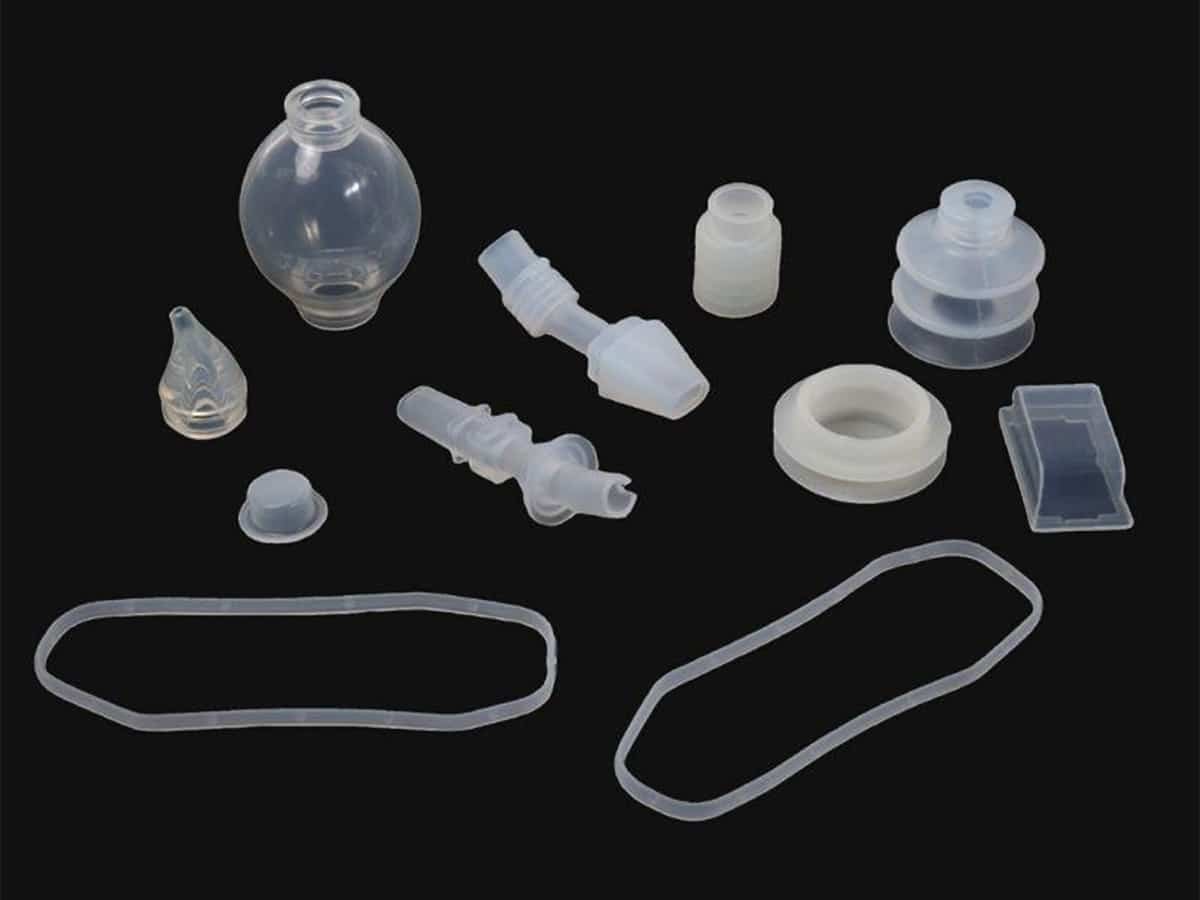
Medical components such as insulin pen seals, IV connectors, and other silicone rubber parts are often produced through injection molding under controlled manufacturing conditions. Automated molding systems also help improve cleanliness and repeatability in high-standard production environments.
Consumer Products
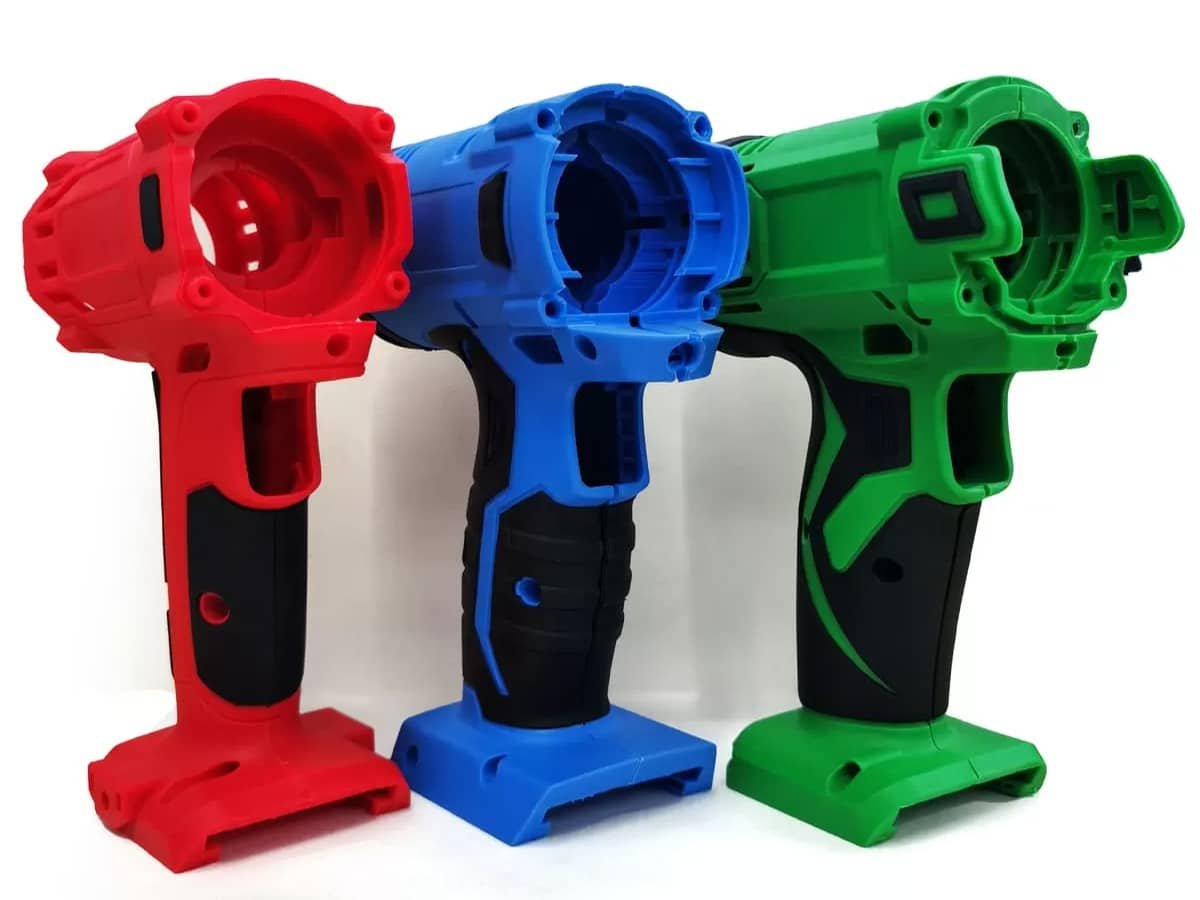
Handle grips, soft-touch overmolds, and flexible protective components often rely on rubber injection molding to combine comfort with structural performance. Multi-shot injection molding allows rubber materials to be molded directly onto rigid plastic substrates in a single process, eliminating separate assembly steps and improving part consistency.
Industrial Equipment
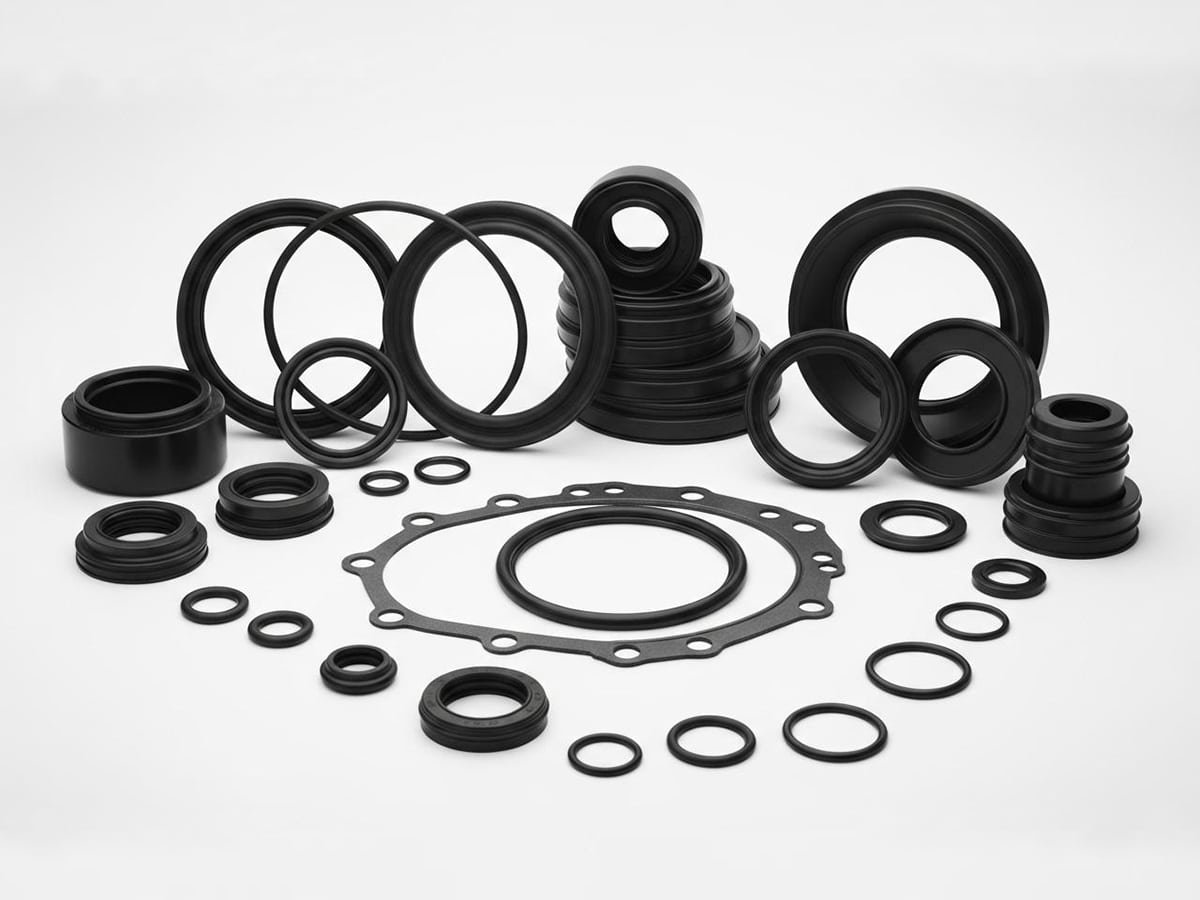
O-rings and custom gaskets for pumps, valves, and industrial equipment are often produced in multiple hardness grades to meet different sealing requirements. Rubber injection molding supports this type of production through repeatable processing, consistent part quality, and efficient changeovers between different material formulations.
Electronics
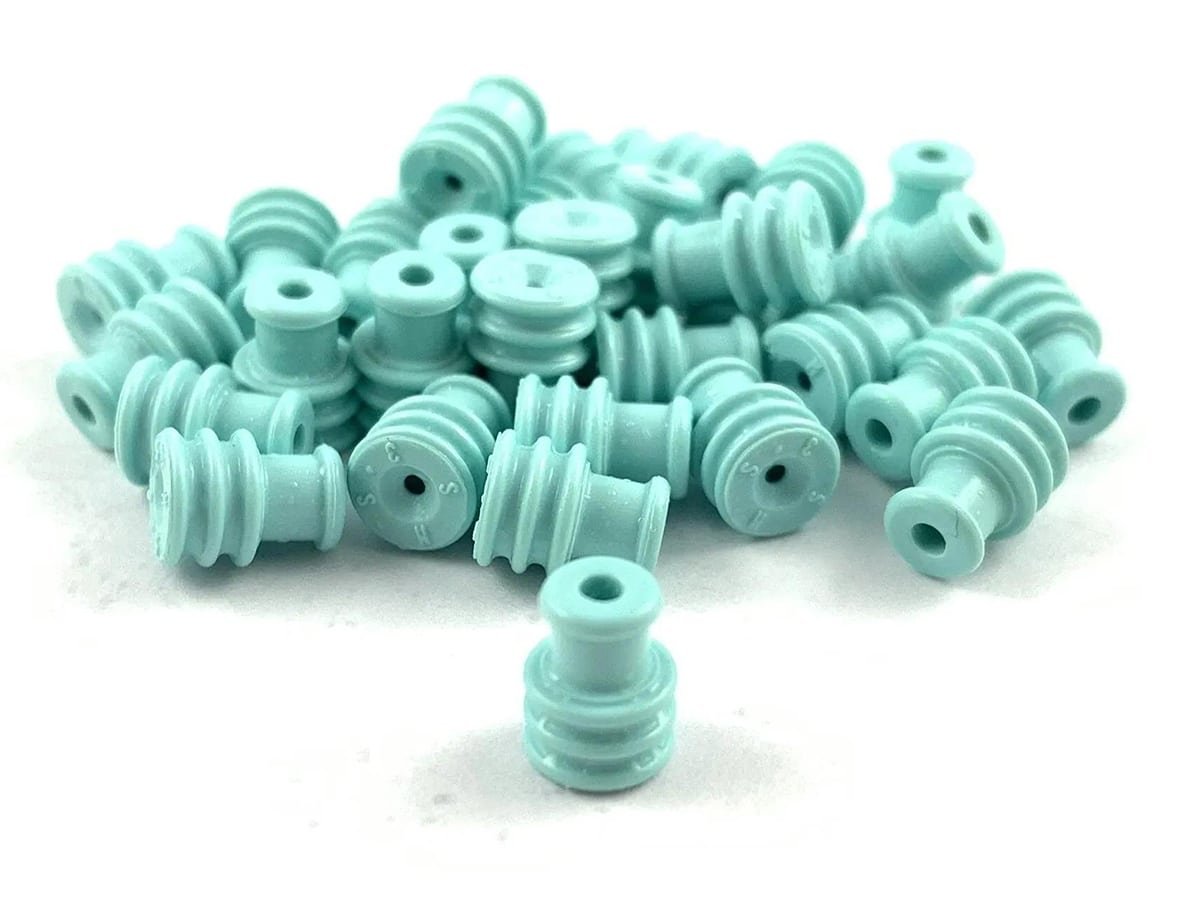
As electronic devices become smaller, rubber components such as micro-gaskets, connector seals, and protective boots require increasingly precise molding. Compared with traditional molding methods, rubber injection molding provides better control over material flow and is often preferred for miniature parts with complex geometries and tight production requirements.
Conclusion
Rubber injection molding helps produce durable rubber parts with complex designs and stable performance. With experience in custom rubber components, Zhongde supports material selection, mold development, and production to meet different application requirements. Contact us to discuss your rubber injection molding project.
Have a rubber molding project in mind?
The right material and molding method can make a major difference in part performance and production efficiency.
Zhongde can support your project with:
- Rubber material recommendations
- Mold and part design optimization
- Custom injection molding production