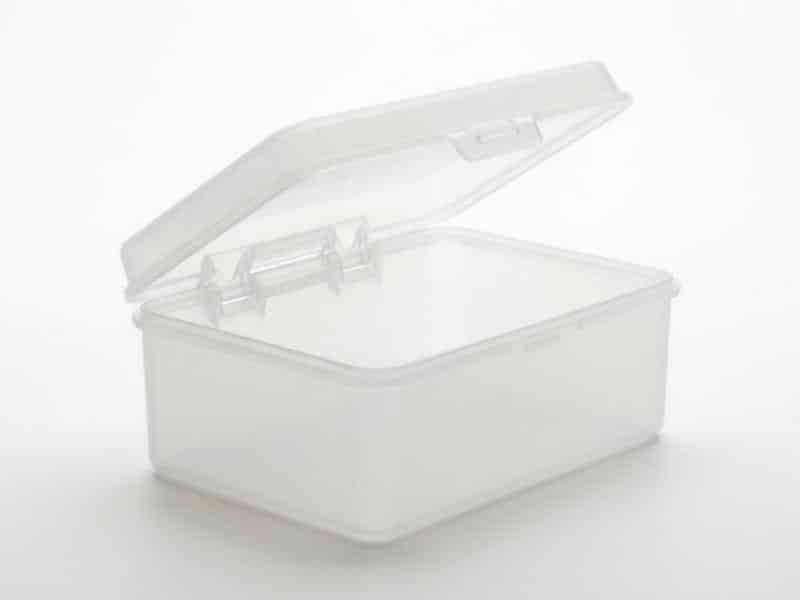
Although the term “living hinge” might not be familiar to most people, you’ve probably encountered one more than once. For example, think of a spice container with a flip-top lid—the lid can be opened and closed freely, yet it never separates from the main body. That simple, flexible connection is often made possible by a living hinge.
In plastic product design, this kind of built-in movement feature is widely used because it removes the need for additional metal parts or assembly steps. It keeps the structure simple, reduces cost, and allows the product to be manufactured as a single molded piece.
What Is a Living Hinge?
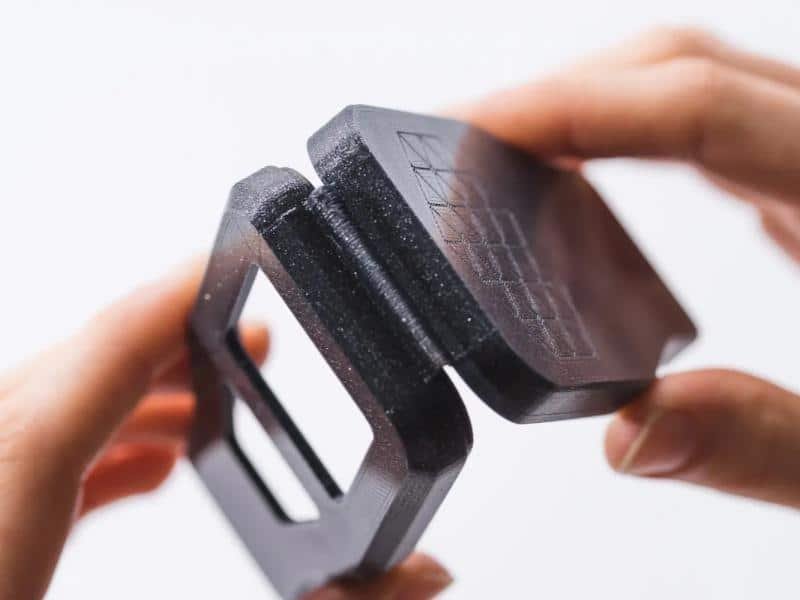
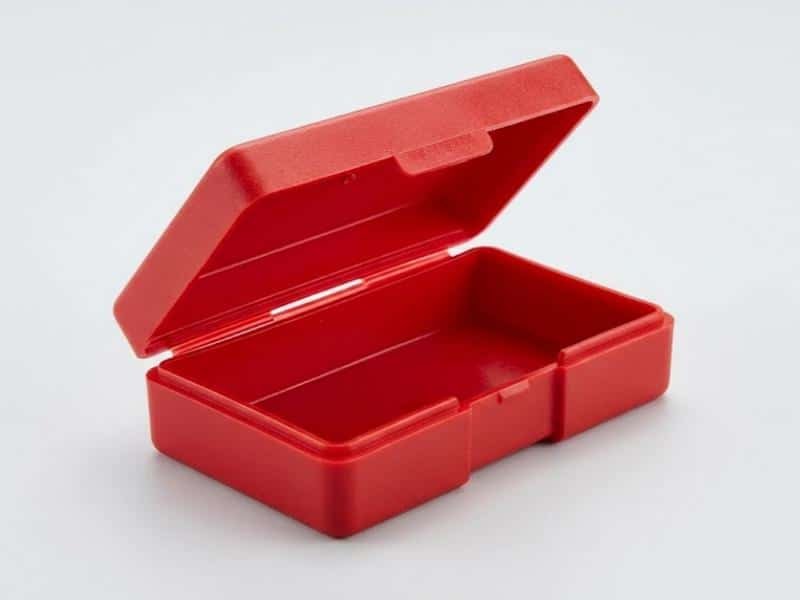
A living hinge is a thin, flexible section of plastic that connects two rigid parts within a single molded component, allowing them to bend or rotate repeatedly without breaking. Unlike traditional hinges made from metal pins or assembled parts, a living hinge is formed directly during the injection molding process, meaning the entire structure is one continuous piece of material.
The key idea behind a living hinge is controlled flexibility. In most designs, the hinge area is intentionally made much thinner than the surrounding rigid sections. This thin region allows localized bending while the rest of the part remains stiff and structurally stable. When designed correctly, a living hinge can withstand tens of thousands of open-close cycles while maintaining consistent performance.
Types of Living Hinge
Living hinges are not a one-size-fits-all solution. Different hinge geometries are developed to achieve specific movement behavior, durability levels, and space constraints. Below are the most commonly used types in plastic product design.
Flat Hinge
A flat hinge is the simplest and most widely used structure. It consists of a thin, uniform section of material connecting two rigid parts. The movement is achieved through simple bending along a straight axis. This type is commonly used in packaging, flip-top caps, and lightweight enclosures where cost efficiency and simplicity are priorities.
Double Hinge
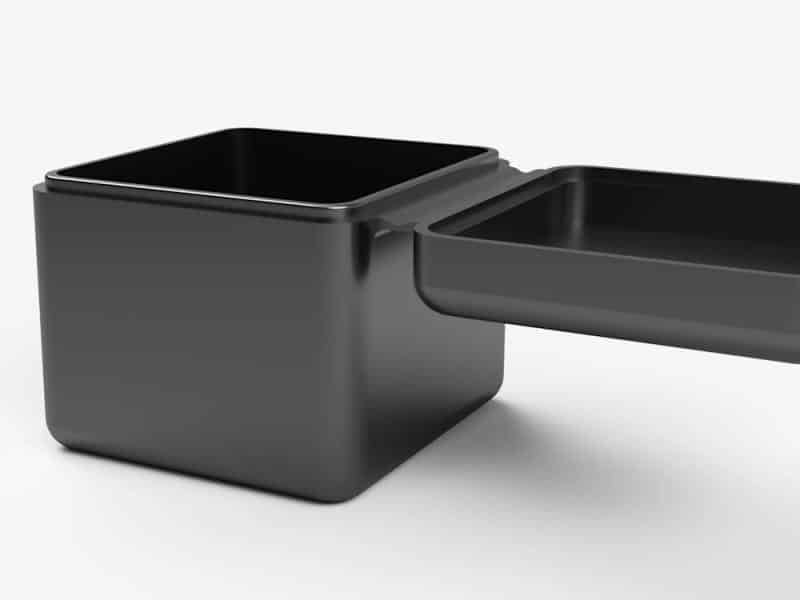
A double hinge structure includes two parallel flexible sections instead of one. This design allows more controlled bending behavior and reduces stress concentration in a single line. It is suitable for larger lids or components where additional stability is needed during repeated opening and closing.
Butterfly Hinge
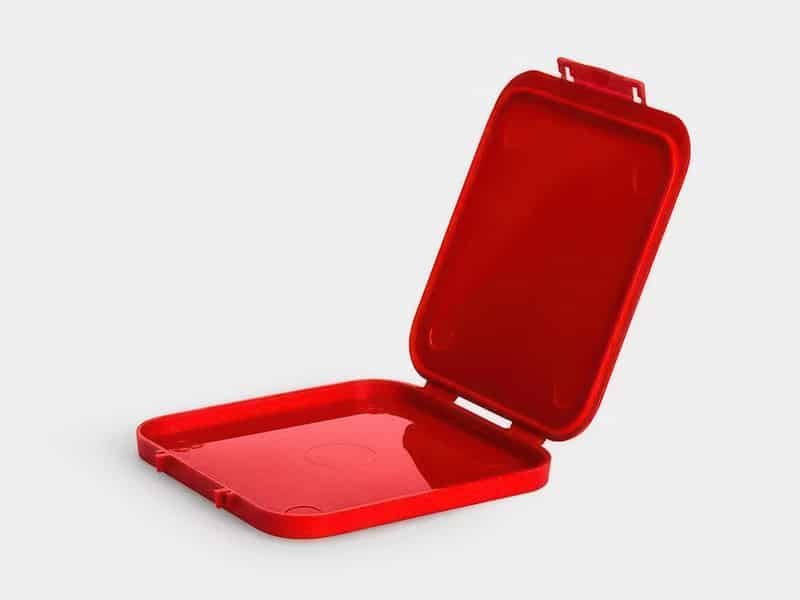
Butterfly hinges feature a widened, wing-like structure around the pivot area. This design distributes stress more evenly, improving longevity under repeated flexing. It’s often used in larger containers or assemblies where the hinge must withstand more frequent or forceful opening and closing.
B-Stable Hinge
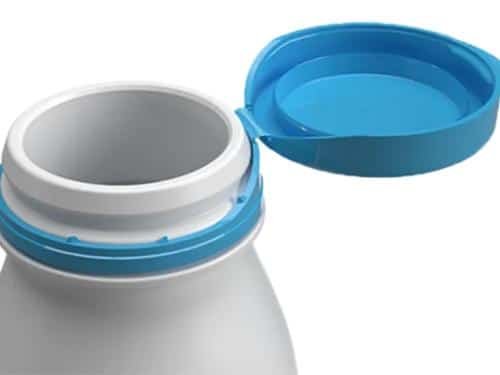
B-stable hinges are designed to hold two distinct positions, such as fully open and fully closed, without external locking mechanisms. This type is commonly used in snap-on lids, foldable brackets, or containers where a stable open position is needed for user convenience.
Living Hinge Design Considerations
Designing a reliable living hinge goes beyond simply making a thin section between two rigid parts. Several geometric and structural factors directly affect how the hinge performs under repeated flexing:
Hinge Thickness and Geometry
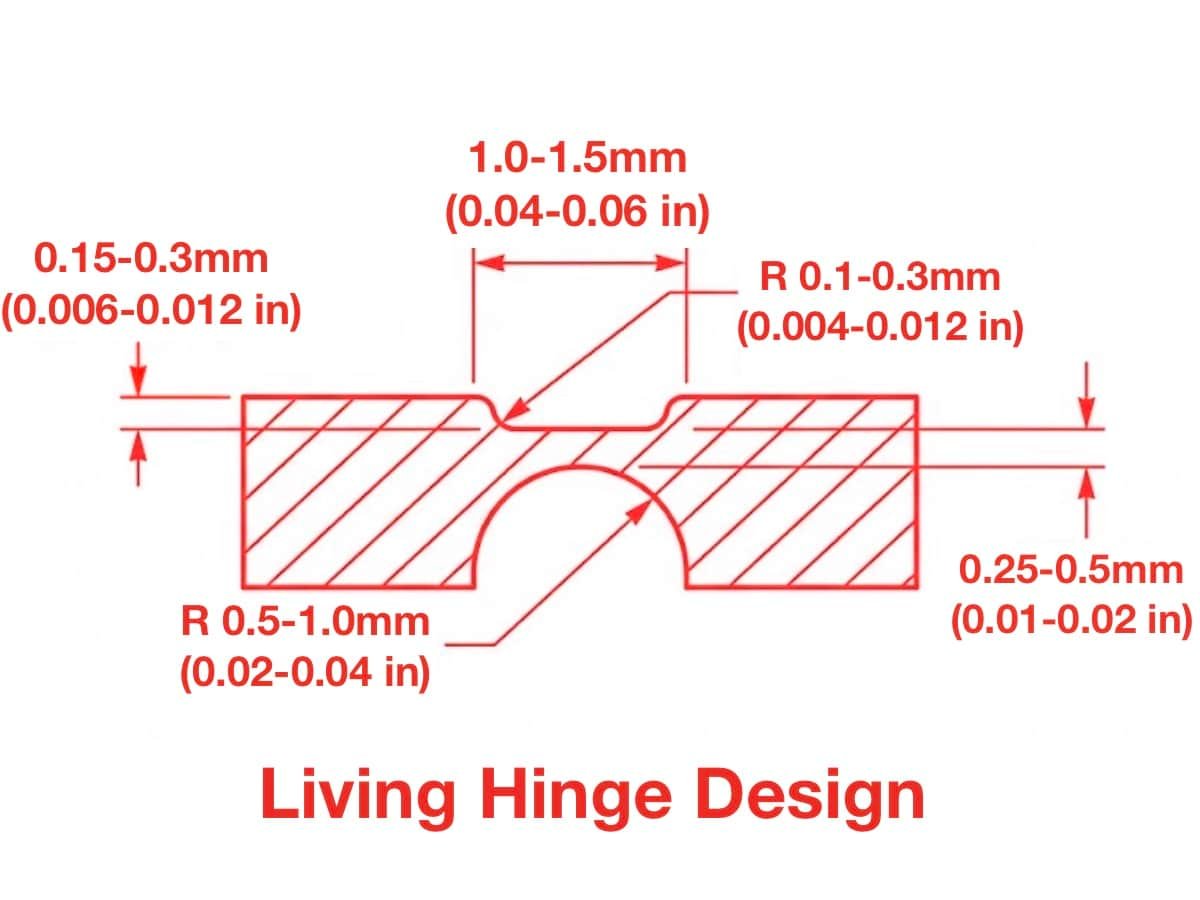
Based on the geometry shown in the reference diagram, a typical living hinge design relies on a controlled thin section combined with smooth stress-relief transitions. The hinge itself is usually designed with a thickness in the range of 0.25–0.5 mm, which allows sufficient flexibility for repeated bending while minimizing stress concentration during flexion. This thin region connects to adjacent rigid sections that are generally 1.0–1.5 mm thick, providing the structural stiffness required for the overall part.
Transition Between Rigid and Flexible Sections
To ensure durability, the transition between the rigid body and the flexible hinge is not abrupt. A small radius—commonly around 0.5–1 mm on the inner transition—is used to distribute stress more evenly as the material bends. On the outer edge, a tighter but manufacturable radius of 0.1–0.3 mm helps maintain dimensional control while still avoiding sharp corners that could initiate cracking under repeated cycling.
Intermediate Thickness Section
In addition, an intermediate section is sometimes used near the hinge zone to create a gradual stiffness change between the rigid wall and the fully flexible hinge. This stepped reduction in thickness helps guide deformation into the intended bending line rather than allowing uncontrolled flexing into the surrounding structure.
Neutral Axis and Stress Distribution
During bending, one side of the hinge is under tension while the other is under compression. The goal is to keep the neutral axis centered within the hinge thickness to balance these forces.
If the geometry is asymmetrical, the neutral axis shifts, which leads to uneven stress distribution and can cause one side of the hinge to fail earlier than the other. This is especially important in thicker lids or multi-section designs.
Mold Flow Direction and Structural Consistency
In injection molded living hinges, the flow direction of the molten plastic has a direct impact on fatigue performance. Hinges aligned parallel to flow direction generally show better endurance than those positioned perpendicular to it, due to molecular orientation during filling.
This effect becomes more pronounced in PP materials, where flow-induced alignment can significantly improve hinge flexibility and cycle life consistency.
Integration with Multi-Section Structures
More complex hinge systems, such as double hinges or B-stable hinges, distribute stress across multiple bending zones rather than a single line. This reduces peak strain and improves durability for larger lids or repeated opening structures.