What Can We Customize in Rubber Bushings?

Every application places different demands on rubber bushings — from load direction and deflection range to temperature and chemical exposure. We customize each bushing based on the factors that influence performance, durability, and service life. Below are the key areas we adjust to match your part with its operating conditions.

Shapes & Structures

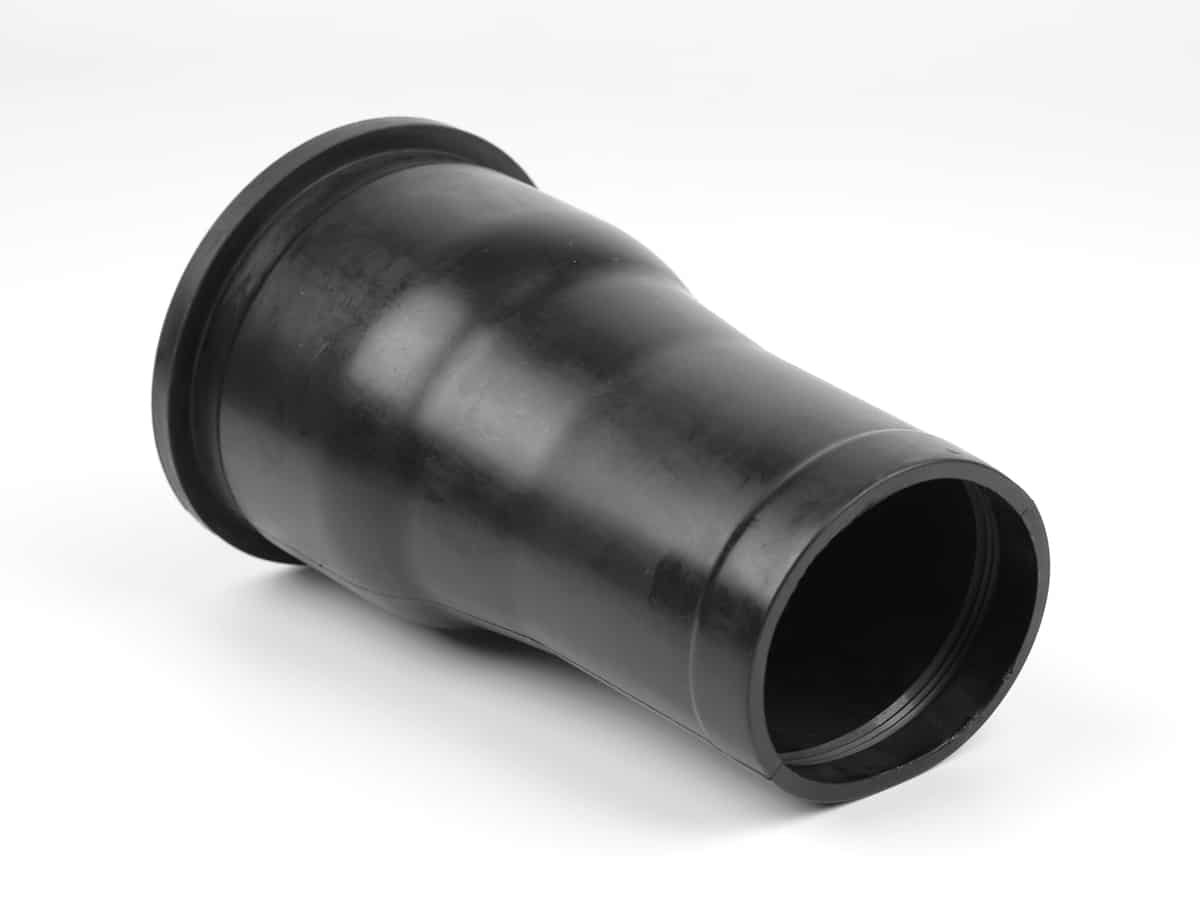
Bushing geometry directly affects how load is distributed and how the part fits into your assembly, so shape is often the first thing we customize. We mold a range of structural profiles to match your mounting configuration and load path.

We currently manufacture the following shapes and structures:

  • Cylindrical rubber bushings
  • Square rubber bushings
  • Tapered rubber bushings
  • Flanged rubber bushings
  • Threaded rubber bushings

Functions & Performance

Beyond shape, a bushing's rubber compound and internal structure determine how it manages dynamic loads, reduces vibration, and withstands repeated cyclic loading. We adjust material selection and manufacturing details based on the performance requirements of your application.

Common functional requirements include:

  • Vibration damping bushings
  • Rubber isolation bushings
  • Rubber suspension bushings
  • Rubber mount bushings
  • Anti roll bar rubber bushes

Applications

The right rubber bushing depends on where it is installed and what conditions it must withstand — such as heat exposure near exhaust systems, cyclic loading in suspension systems, or torque reaction at mounting points. We select suitable rubber compounds and manufacturing approaches based on the application's operating environment.

We supply custom rubber bushings for applications including:

  • muffler bushing
  • automotive rubber bushings
  • rubber control arm bushings
  • exhaust hanger bushing
  • rubber motor mount bushings

Materials

Material selection plays a critical role in rubber bushing performance and service life. We select compounds based on factors such as load conditions, temperature range, chemical exposure, and required durability.

We commonly work with NR for applications requiring good resilience and tear strength, such as suspension components. EPDM is suitable where ozone, weather, and aging resistance are important, including outdoor or exhaust-related environments. NBR is often selected for applications requiring resistance to oils and fuels, especially near engine areas.

For applications requiring extended temperature resistance, we can use silicone or specially compounded EPDM blends designed for sustained heat exposure. We also adjust durometer and filler content within each compound to fine-tune stiffness, durability, and performance without compromising the material's core properties.

It is easy to fill the form.

Available for JPG, JPEG, PDF, DWG, DXF, PNG, STP, STEP, IGS and IGES files. Please note that all of your files will be kept confidential by Zhongde.

Why Choose Zhongde?

Choosing a rubber bushing supplier is not only about price — it is about whether the part can maintain its mechanical properties after continuous exposure to heat, vibration, and cyclic loading. Our approach focuses on identifying potential failure modes and optimizing the rubber compound, tooling design, and molding process before production begins.

For example, an automotive customer approached us after their existing EPDM exhaust hanger bushings showed premature cracking during service. After reviewing the application conditions, we identified several contributing factors: elevated temperature near the exhaust system, repeated vibration cycles, and localized stress concentration around the mounting bore.

To improve durability, we adjusted the EPDM compound formulation to increase heat aging resistance while maintaining the required elasticity and damping characteristics. We also optimized the bushing geometry by refining the bore dimensions and rubber wall distribution to reduce excessive strain during installation and operation. During validation, we evaluated hardness consistency, dimensional stability, compression performance, and accelerated aging resistance to confirm the improvement. The updated bushings achieved more stable performance under repeated thermal and mechanical loading and moved into ongoing production.

This is the approach we bring to every project — not just producing parts according to drawings, but helping customers identify potential failure points and improve long-term reliability. With in-house tooling, flexible production volumes, and material and dimensional testing before shipment, we help partners reduce replacement costs and quality risks.

Why Choose Zhongde

FAQs of Custom Rubber Bushings

View our FAQ center for more questions.

Yes. We can produce custom rubber bushings based on OEM samples, drawings, or specifications, including required tolerances, durometer, and compound characteristics. When performance issues are identified, we can also suggest material or manufacturing adjustments to improve durability.

Yes. Custom colors can be achieved through rubber pigmentation. However, some compounds have natural color limitations depending on their formulation and additives.

Custom bushings may require upfront tooling costs, but they can reduce long-term expenses by improving fit, reducing premature replacement, and avoiding modifications needed for standard parts.

Yes. We support rubber-to-metal bonding for bushings with steel sleeves, metal inserts, studs, or other bonded components to meet specific mounting and load requirements.

Zhongde's Manufacturing Capabilities for Custom Parts

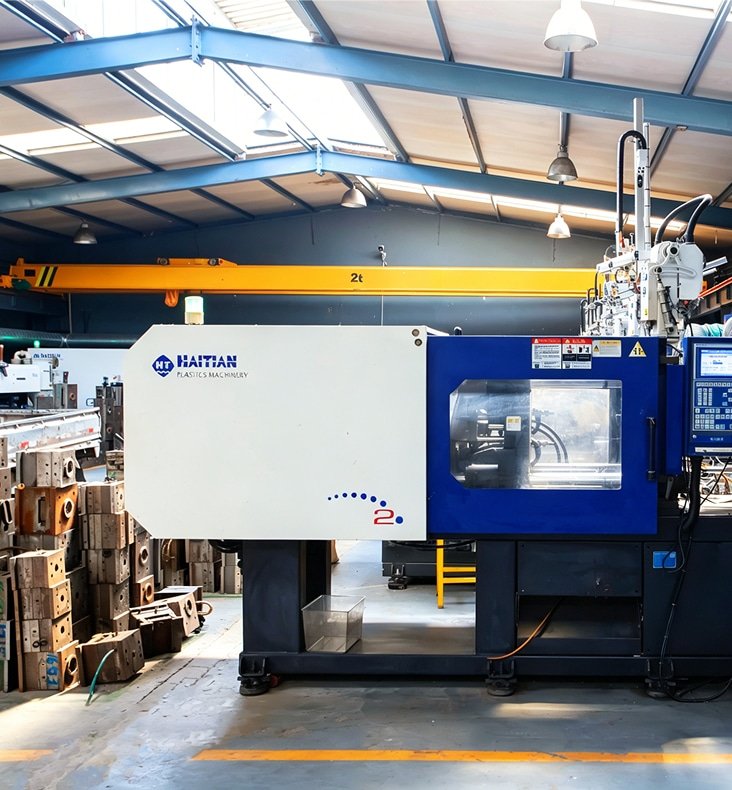
We offer various manufacturing methods to turn your custom parts designs into real components, from prototypes to full production, matching the right process to your needs.