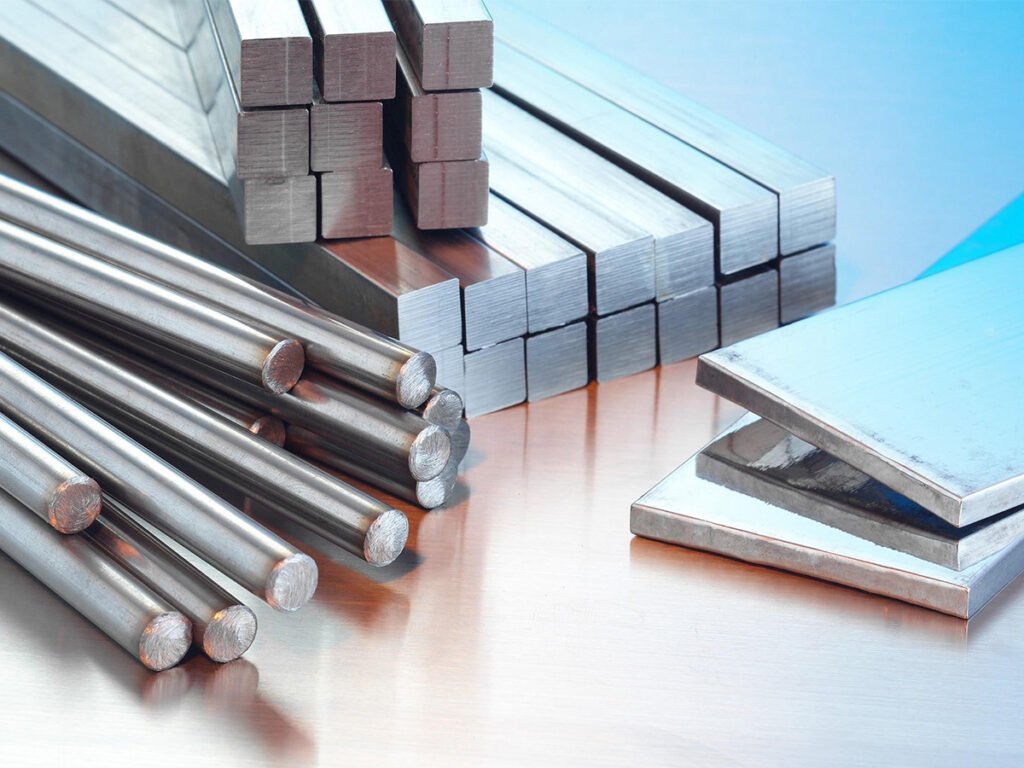
Steel is one of the most widely used metal materials, yet it encompasses a remarkably diverse range of classifications and grades shaped by differences in chemical composition, mechanical properties, and manufacturing processes. These factors influence how each type of steel performs and where it is best applied. This section examines how composition, performance, and intended use shape the many types of steel available today.
Different Types of Steel Materials
Steel is primarily classified by its chemical composition, particularly the amount of carbon and alloying elements it contains. These differences influence its mechanical and chemical properties, including strength, hardness, corrosion resistance, and workability, making composition the natural basis for grouping steel into distinct types. On this basis, steel is generally divided into four major categories: carbon steel, alloy steel, stainless steel, and tool steel.
Carbon Steel
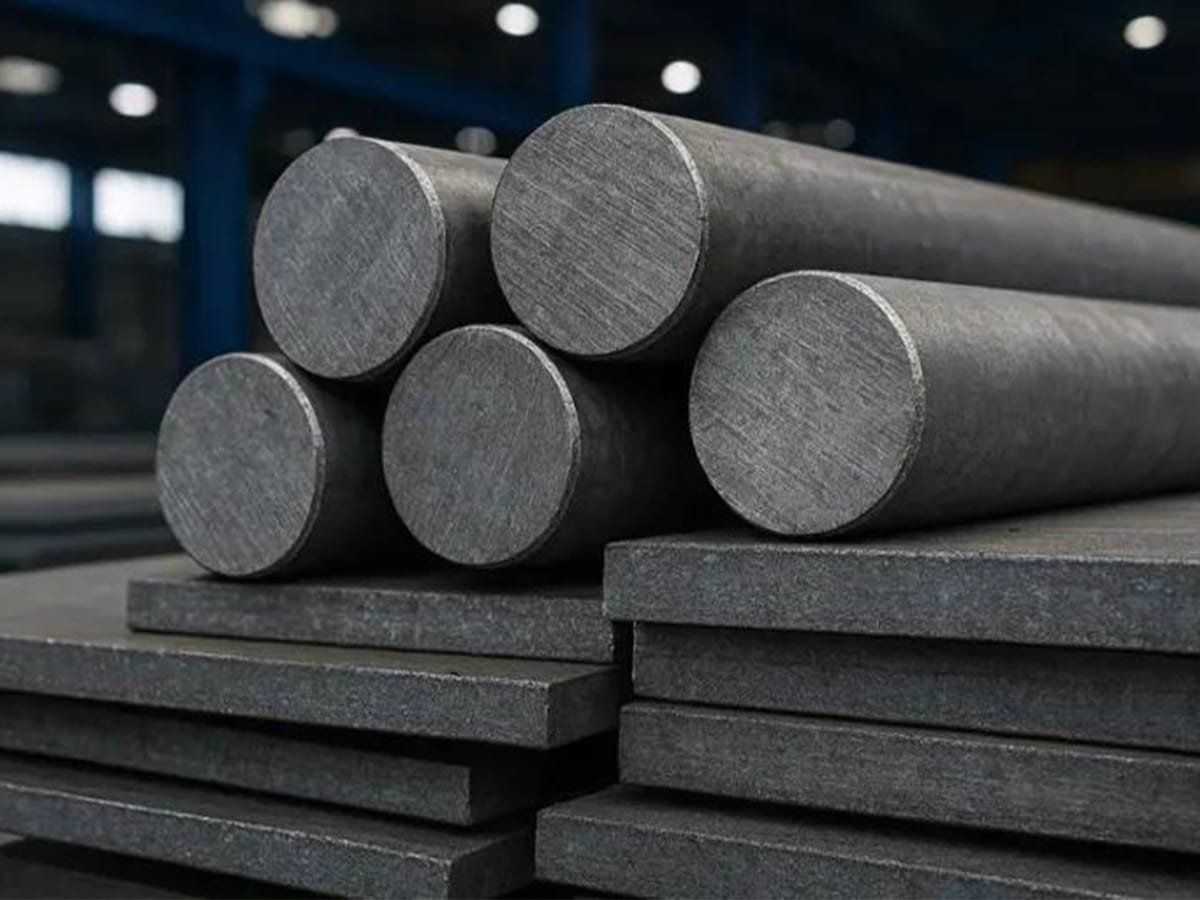
Carbon steel is one of the most widely produced types of steel, composed primarily of iron and carbon, with only trace amounts of other elements. Carbon content typically ranges from about 0.05% to 2.1% by weight, and this proportion strongly influences the material’s strength, hardness, and ductility. Generally, higher carbon content increases hardness and strength while reducing ductility and weldability.
Owing to its relatively simple composition and low production cost, carbon steel is used extensively in construction, automotive manufacturing, machinery, and countless everyday products, making it the backbone of the global steel industry.
Types of Carbon Steel
Carbon steel is further divided into four subtypes according to carbon content, with each offering a distinct balance of strength, ductility, and hardness for different applications.
Low Carbon Steel (Mild Steel)
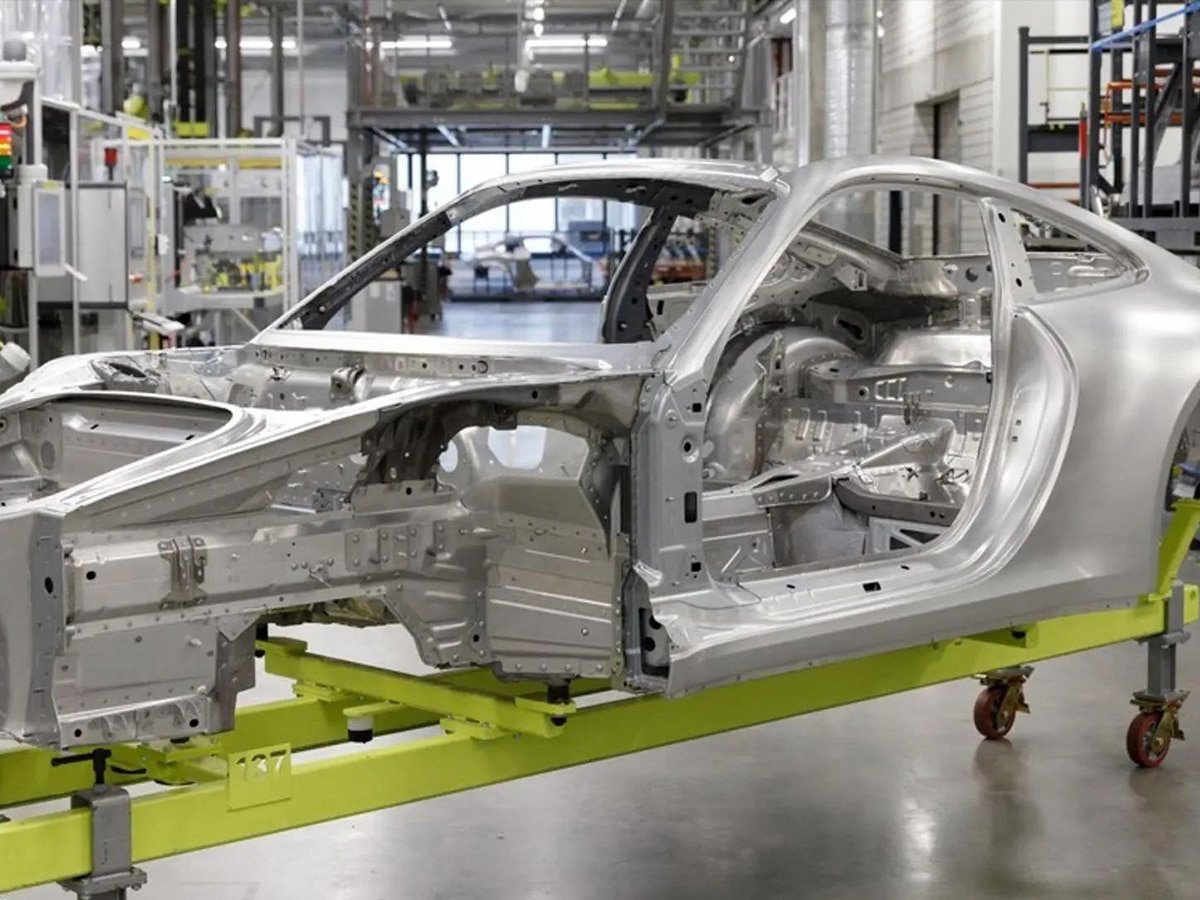
Containing up to approximately 0.3% carbon, low carbon steel is soft, ductile, and easy to machine or weld. Its relatively low strength is offset by excellent formability, making it the most commonly used type of steel for automobile bodies, structural shapes, pipes, and general-purpose sheet metal.
Medium Carbon Steel
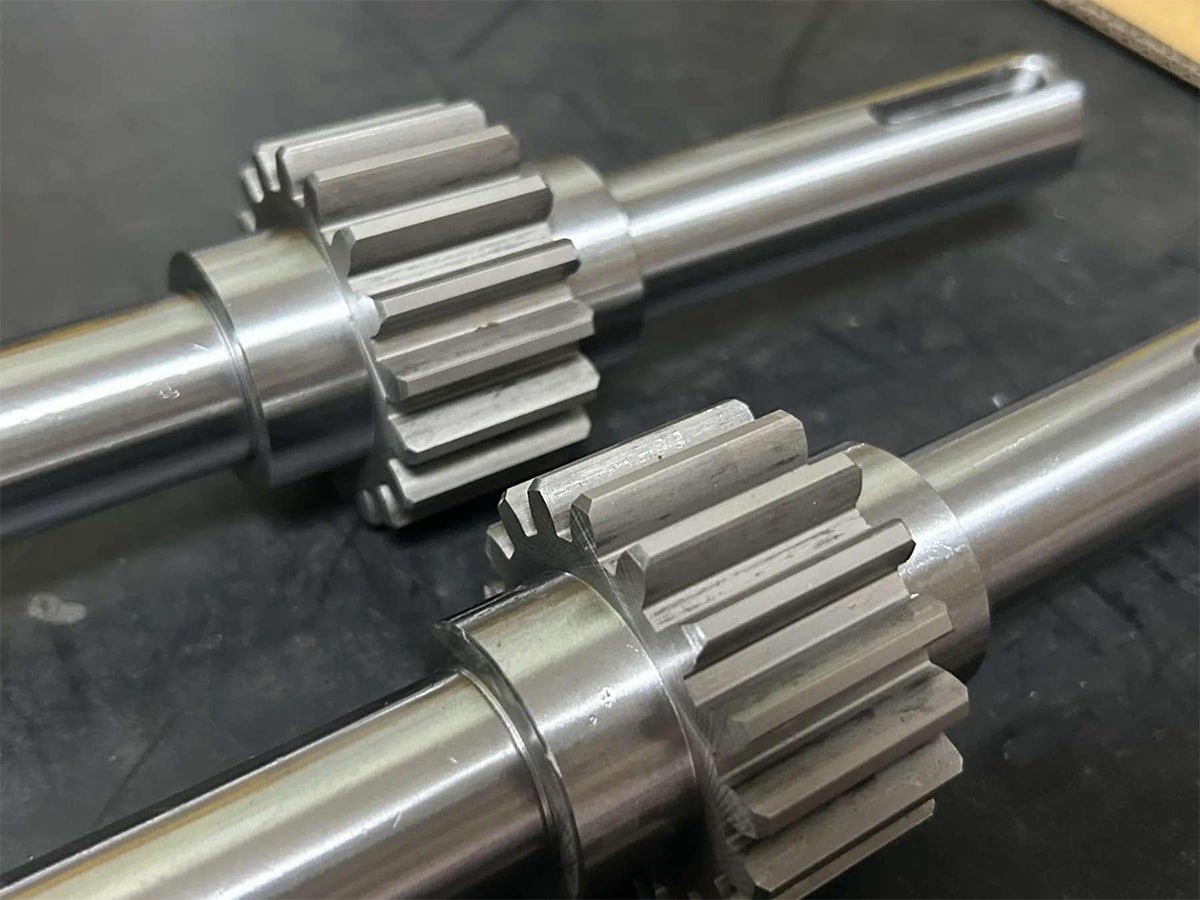
With carbon content ranging from about 0.3% to 0.6%, medium carbon steel offers a balance between strength and ductility. It is often heat-treated to improve its mechanical properties and is commonly used in axles, gears, shafts, and machine components that require greater strength than low carbon steel can provide.
High Carbon Steel
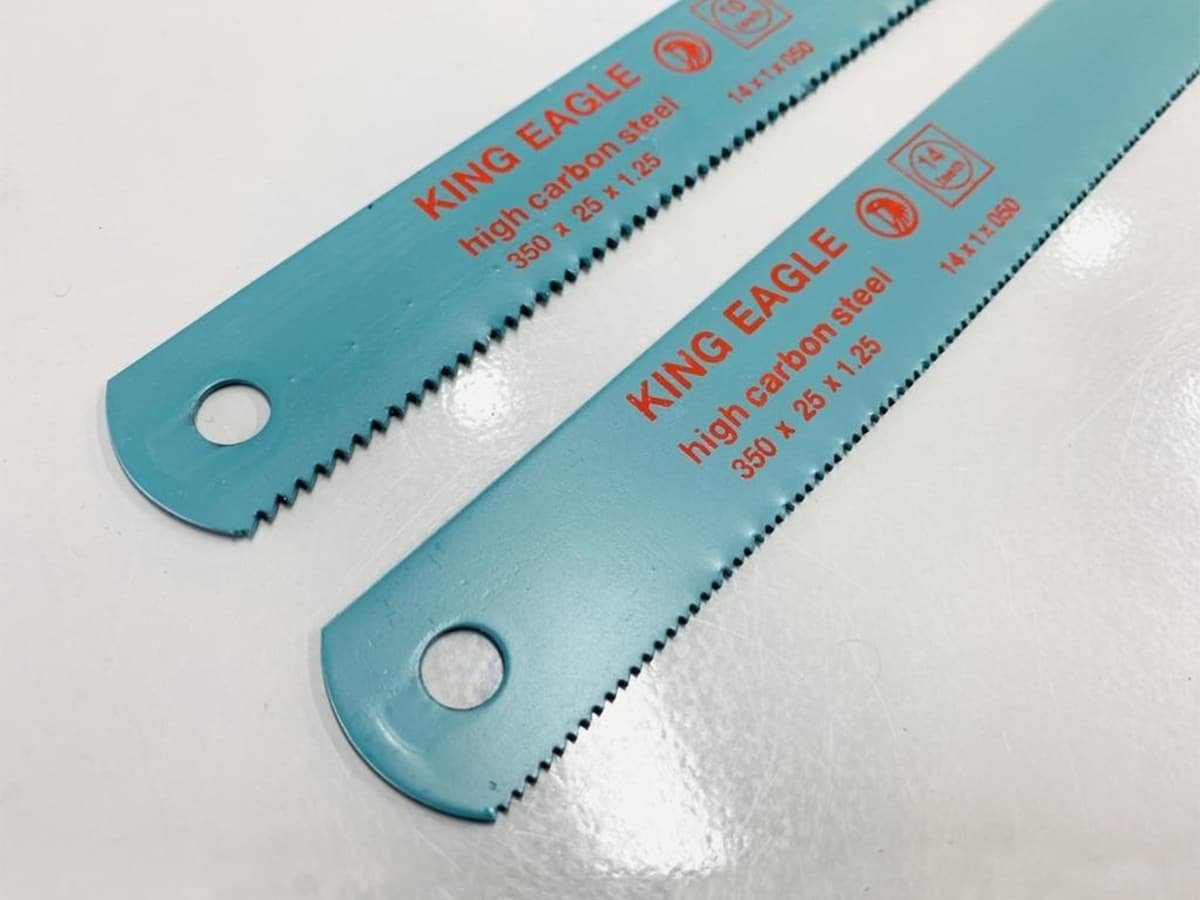
Containing roughly 0.6% to 1.0% carbon, high carbon steel is significantly harder and stronger, though less ductile and more difficult to weld. It is typically used in applications requiring high strength and wear resistance, such as cutting tools, springs, and high-strength wires.
Ultra-High Carbon Steel
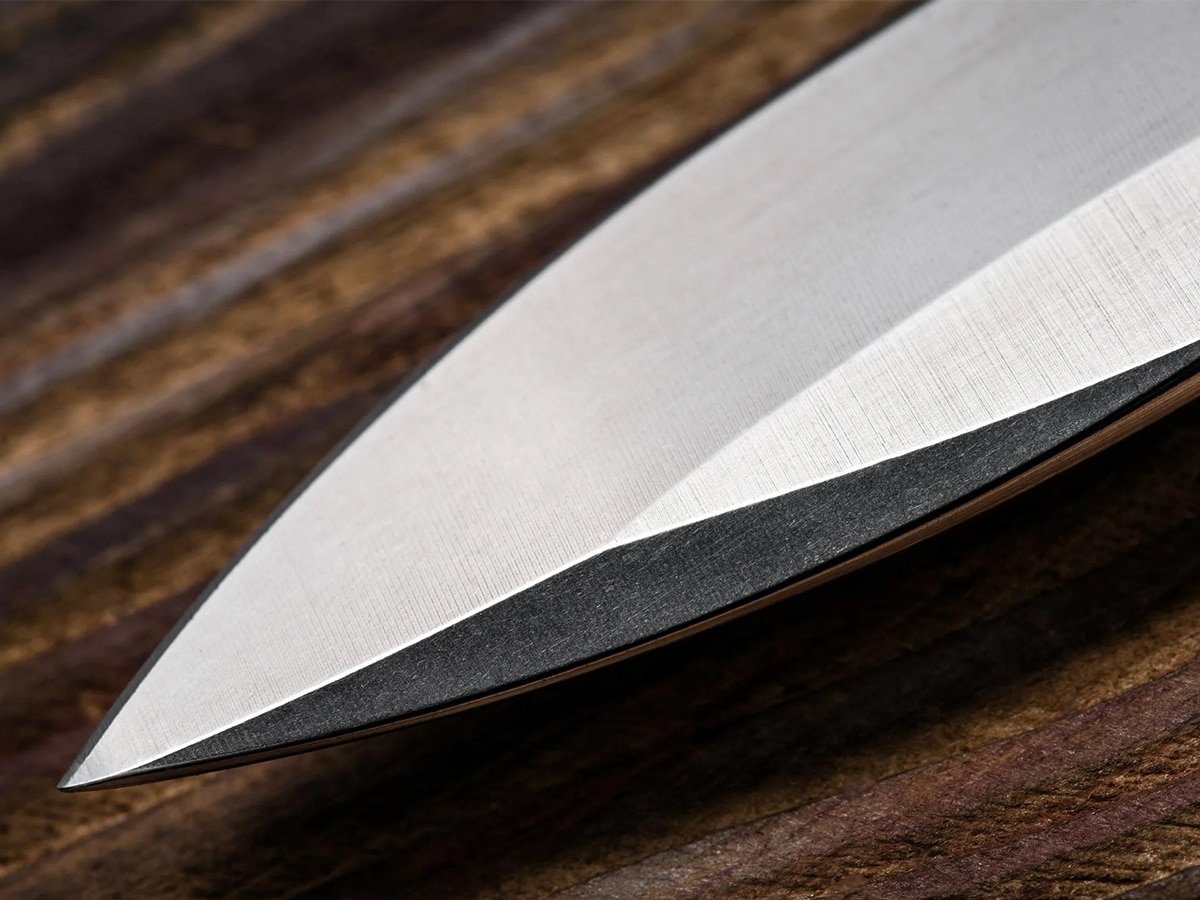
With carbon content between approximately 1.0% and 2.1%, ultra-high carbon steel exhibits exceptional hardness but is quite brittle. It requires careful processing and is primarily used for specialized applications such as knives, punches, and other wear-resistant components that demand extreme hardness.
Grading Standards for Carbon Steel
Beyond classification by carbon content, carbon steel is also assigned standardized grades that define its composition and properties, enabling consistent identification and selection across industries. The most widely recognized system is the AISI/SAE four-digit designation:
- AISI/SAE Designation System — Developed by the American Iron and Steel Institute and the Society of Automotive Engineers, this system uses a four-digit code (e.g., 1018, 1045) to identify carbon steel grades. The first digit identifies the steel family as carbon steel (1), the second indicates the presence or modification of alloying elements, and the last two digits indicate the nominal carbon content in hundredths of a percent.
- ASTM Standards — The American Society for Testing and Materials publishes specifications such as ASTM A36 and A529 that define chemical composition, mechanical properties, and manufacturing or delivery requirements for specific carbon steel products, particularly structural steel.
- UNS (Unified Numbering System) — Jointly maintained by ASTM and SAE, this system assigns a unique alphanumeric designation to steel grades, providing a standardized cross-reference across different specifications and industries.
- International Standards (ISO, EN, GB, JIS) — Countries and regions maintain their own grading systems, such as European EN 10025, China’s GB/T standards, and Japan’s JIS G3101, each reflecting local industrial practices while often providing corresponding grades across international systems.
Alloy Steel
Alloy steel is defined by the deliberate addition of elements beyond carbon and iron to achieve properties that plain carbon steel cannot provide.
Common alloying elements include manganese, nickel, chromium, molybdenum, vanadium, and silicon, each contributing specific improvements in strength, hardness, toughness, wear resistance, or resistance to heat and corrosion. The type and proportion of these elements are carefully controlled, with the total alloying content varying widely according to the desired properties.
Because of this tunability, alloy steel is widely used in applications demanding higher performance than carbon steel can offer, including pipelines, aircraft components, automotive parts, and heavy machinery.
Types of Alloy Steel
Alloy steel can be further classified by its dominant alloying elements, with each element contributing specific properties suited to different industrial demands. Many alloy steels contain multiple alloying elements, so these categories often overlap.
Manganese Steel
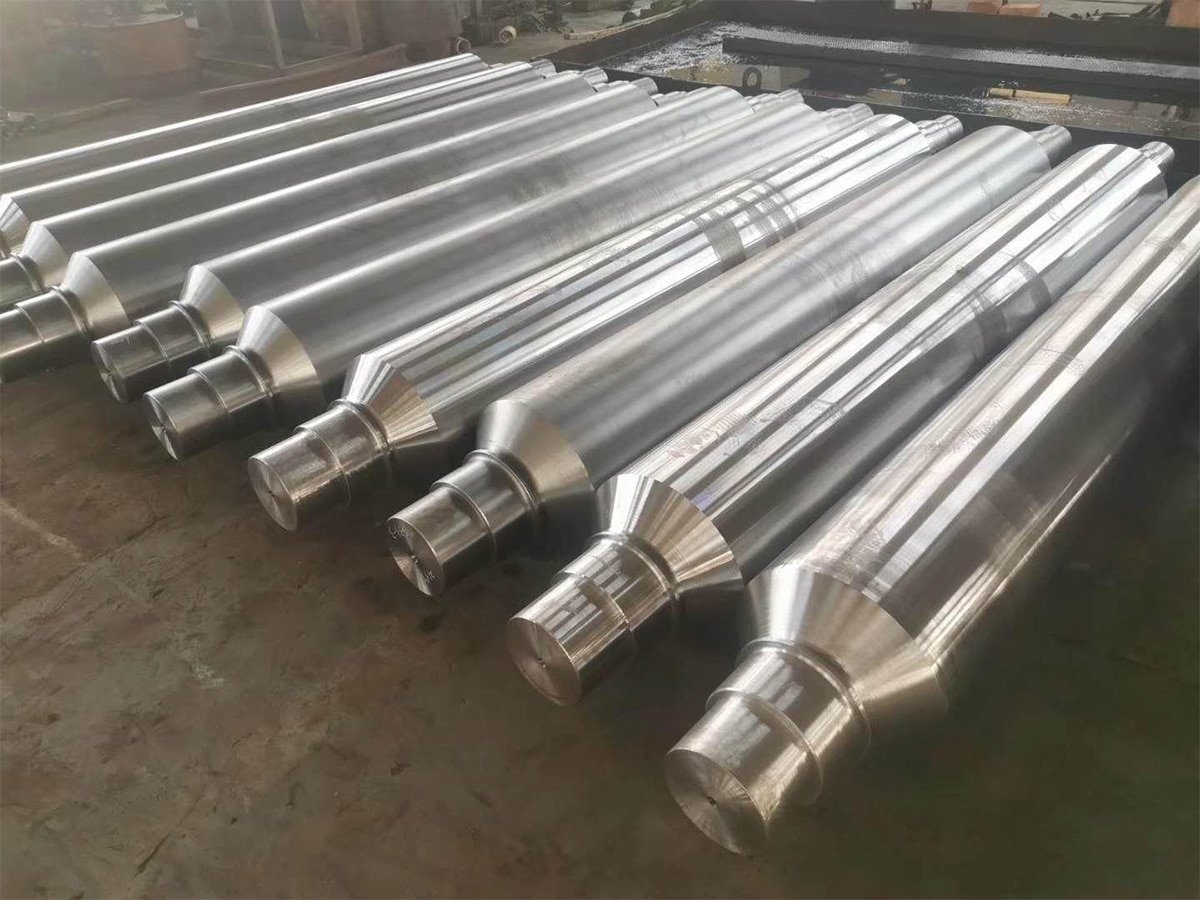
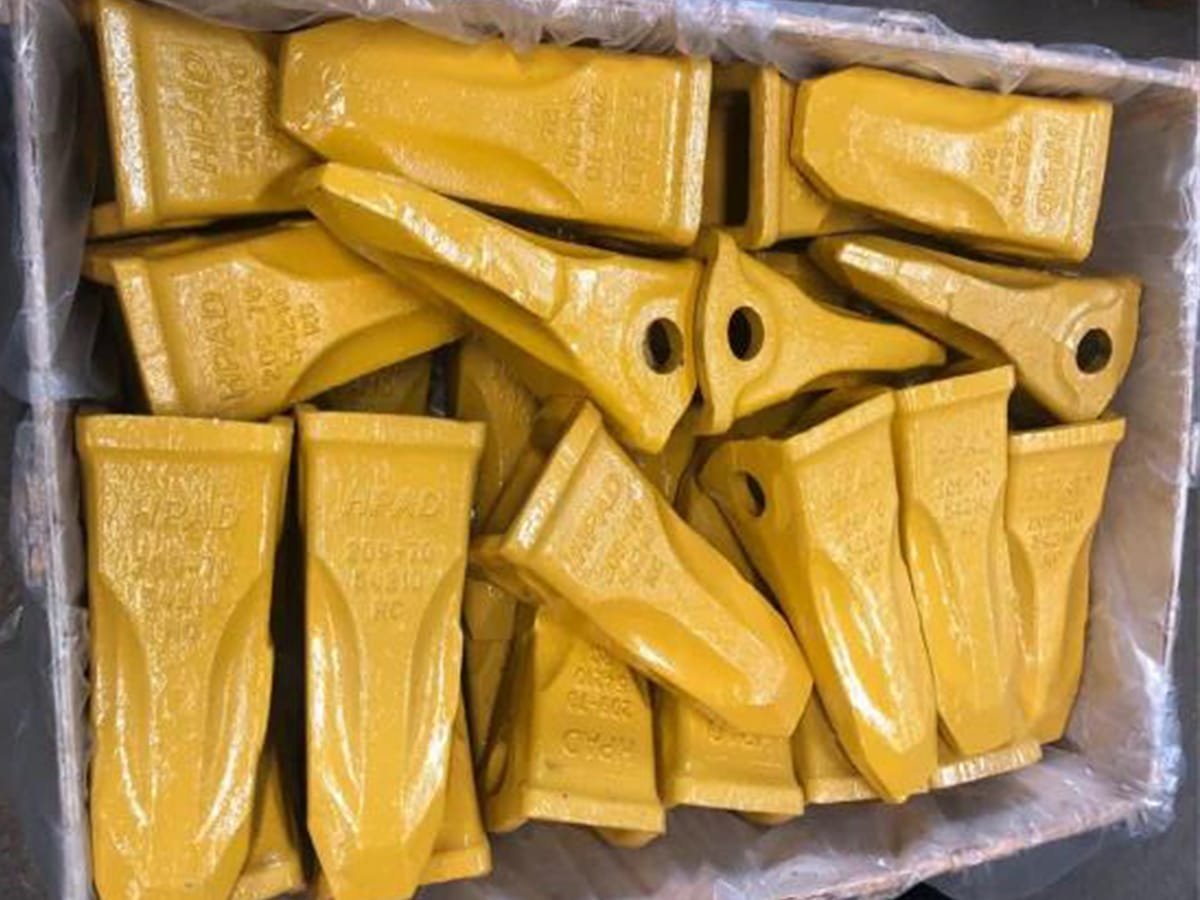
Manganese improves strength, toughness, and hardenability, while high-manganese steel provides exceptional wear resistance under impact. Hadfield steel is the best-known example and is commonly used in railway tracks, crusher parts, and excavator buckets.
Nickel Steel
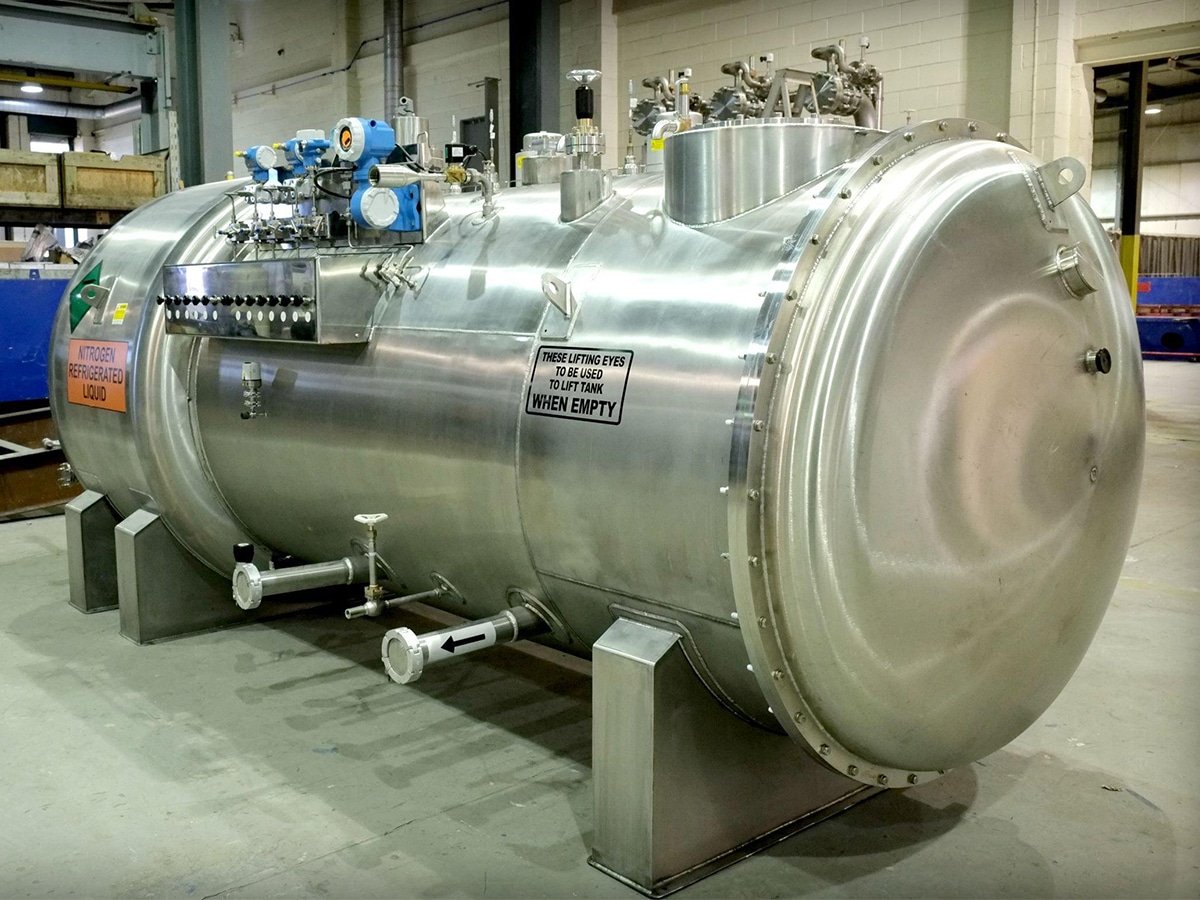
Nickel enhances toughness, impact resistance, and low-temperature performance while increasing strength without significantly reducing ductility. Nickel steel is widely used in cryogenic equipment, armor plating, and structural components subject to shock loading.
Chromium Steel
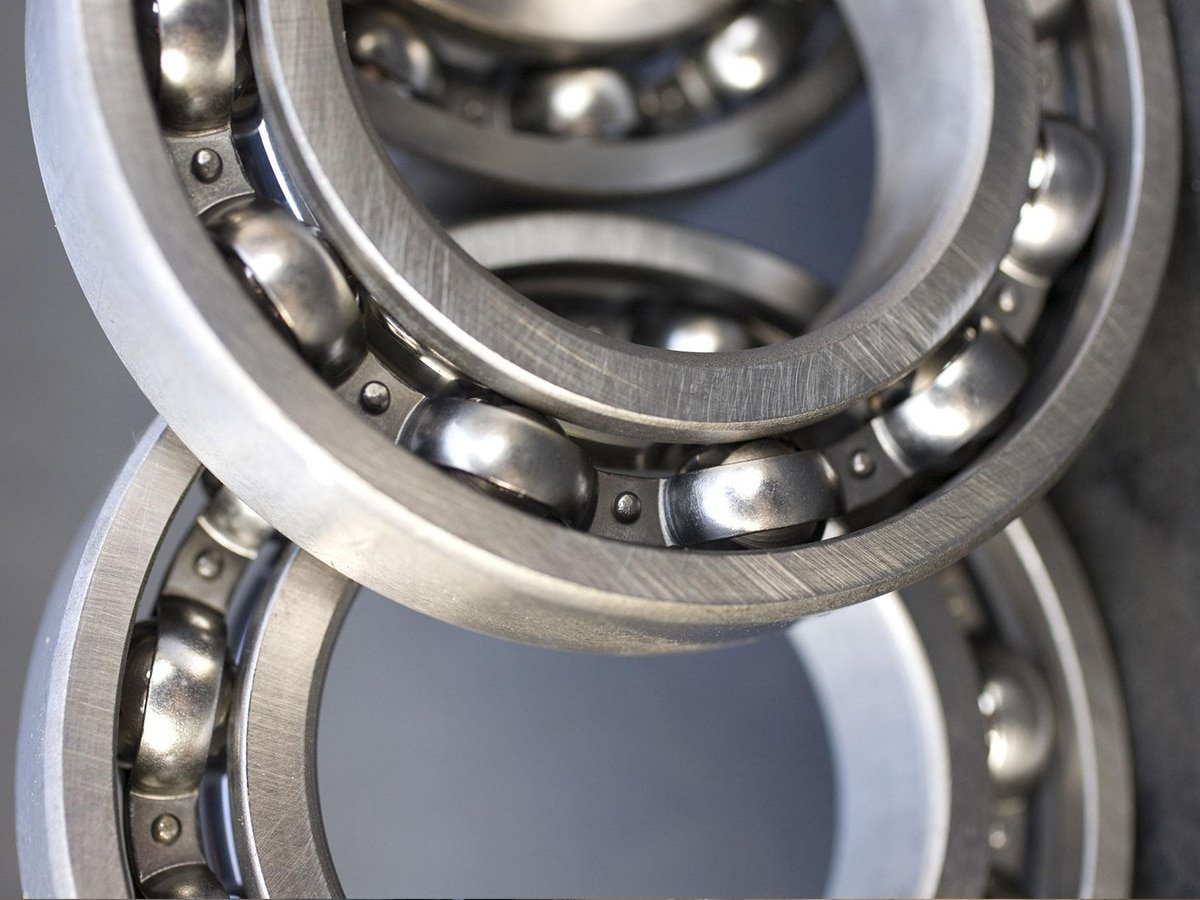
Chromium increases hardness, wear resistance, and resistance to oxidation. At sufficiently high concentrations, it also provides significant corrosion resistance. Chromium steel is commonly used in ball bearings, cutting tools, and components requiring high surface hardness.
Molybdenum Steel
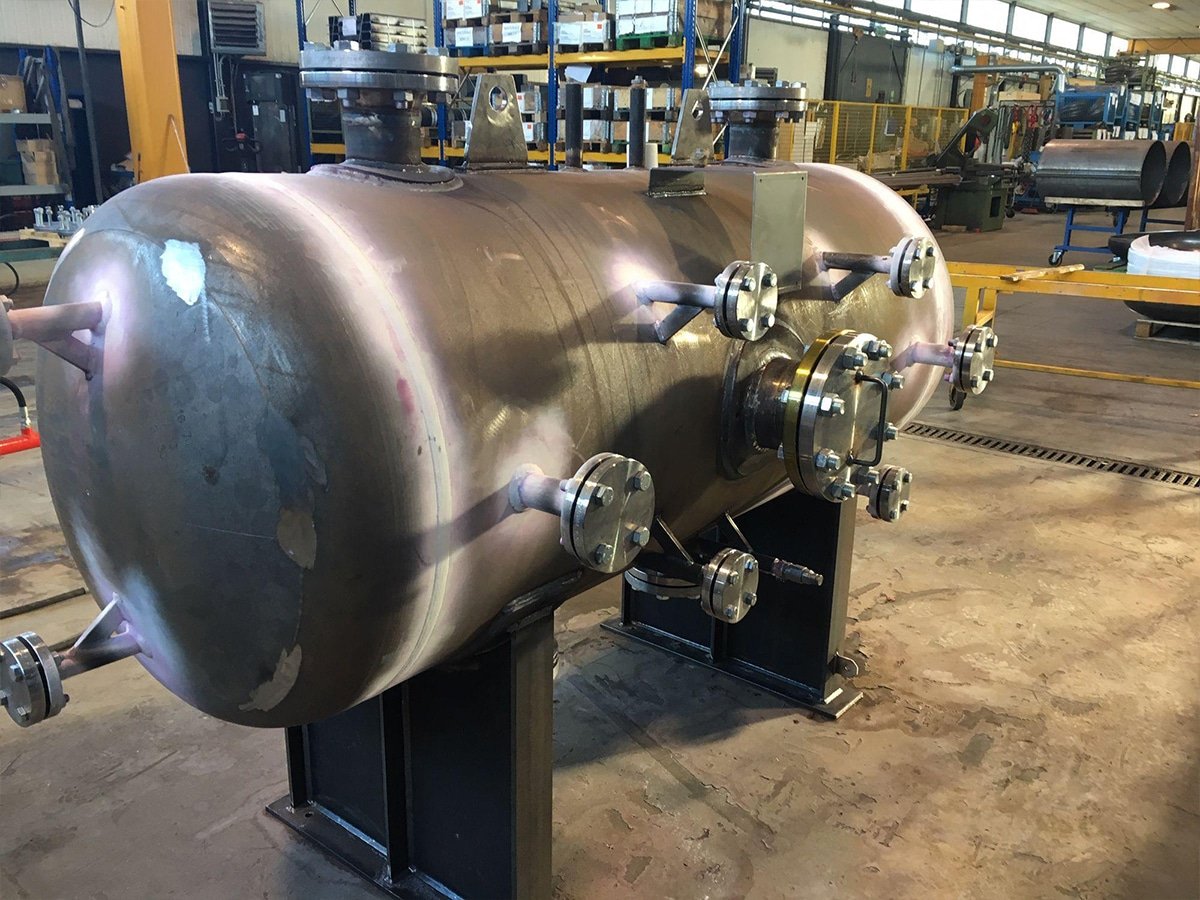
Molybdenum improves high-temperature strength, hardenability, and creep resistance. It is frequently combined with other elements, such as chromium, to produce chromoly steel, which is widely used in aerospace components, pressure vessels, and high-strength tubing.
Vanadium Steel
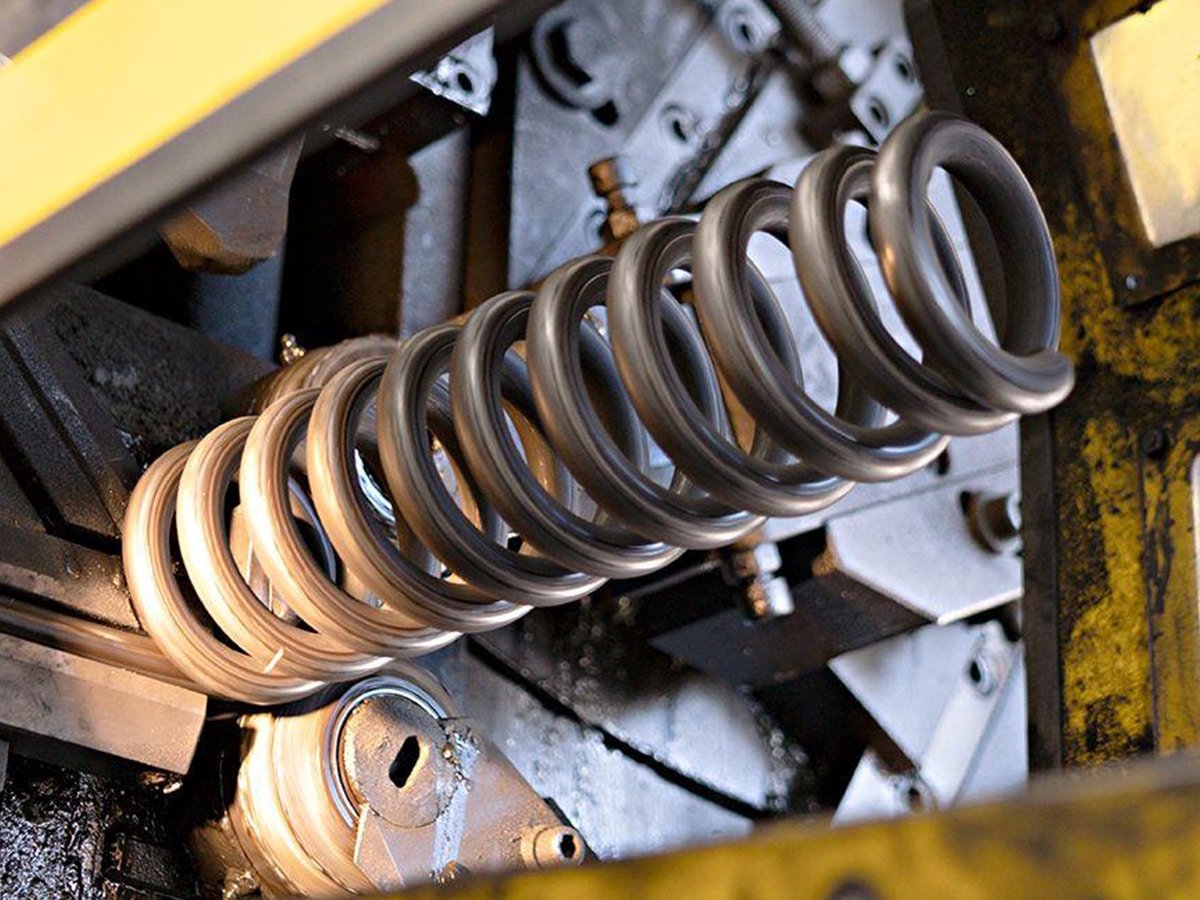
Vanadium refines grain structure and increases strength, toughness, and fatigue resistance while maintaining good ductility. It is commonly used in tools, springs, and components subjected to repeated stress or impact.
Silicon Steel
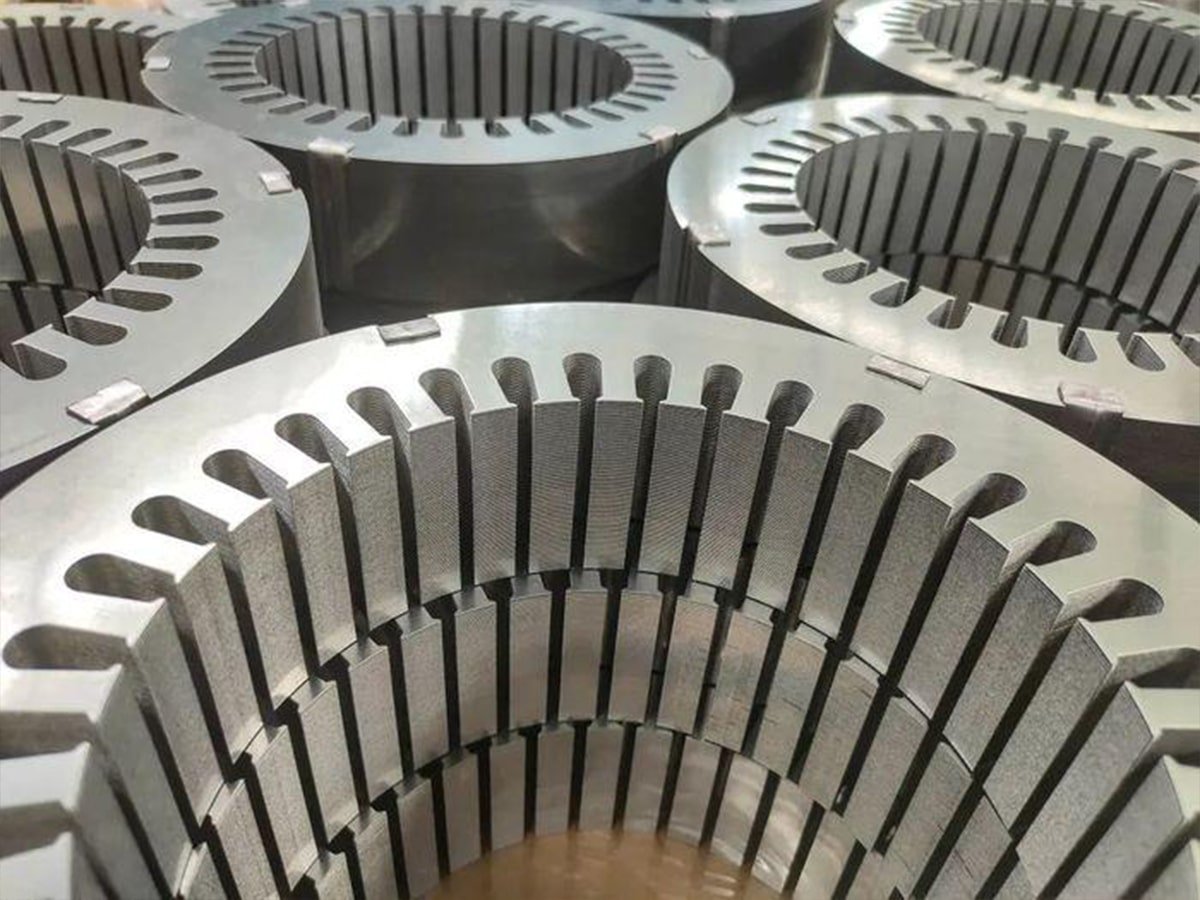
Silicon primarily enhances magnetic properties and electrical resistivity while improving elastic strength. This makes silicon steel especially valuable in electrical applications, particularly transformer cores and electric motor laminations.
Grading Standards for Alloy Steel
Because alloy steel involves multiple alloying elements, varying proportions, and different heat treatment states, its grading systems extend the principles used for carbon steel while accounting for greater compositional complexity.
The AISI/SAE system, for instance, retains its four-digit structure but extends the coding logic: the first two digits identify the alloy steel series (e.g., 41xx for chromium-molybdenum and 43xx for nickel-chromium-molybdenum), while the last two digits indicate nominal carbon content. ASTM specifications define composition, mechanical properties, and treatment requirements for specific alloy steel products, while UNS provides standardized designations for cross-referencing grades across different specifications. International standards such as EN 10083 and JIS G4053 likewise specify composition, heat treatment, and mechanical performance.
In practice, selecting an alloy steel grade requires matching not just a carbon range, but a full profile of alloying content and treatment condition to the intended application.
Stainless Steel
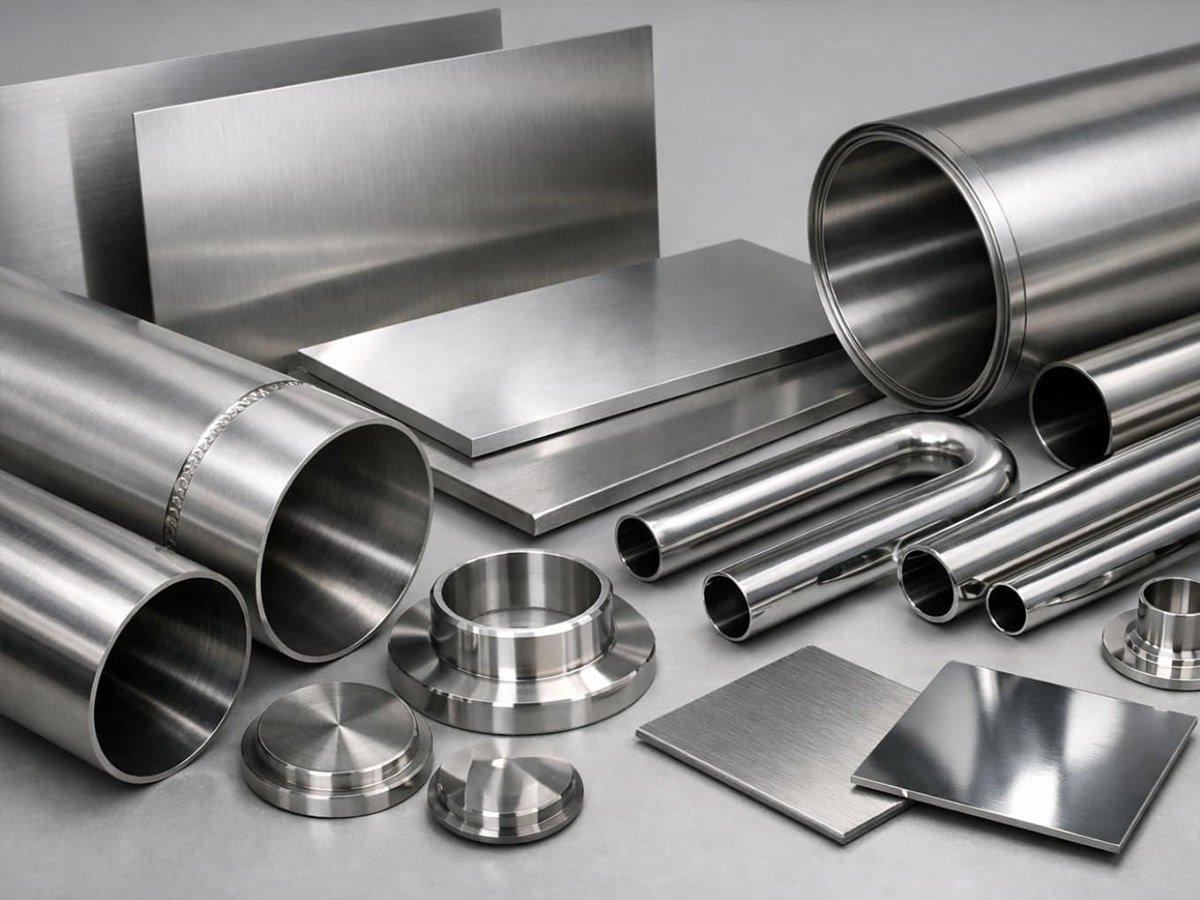
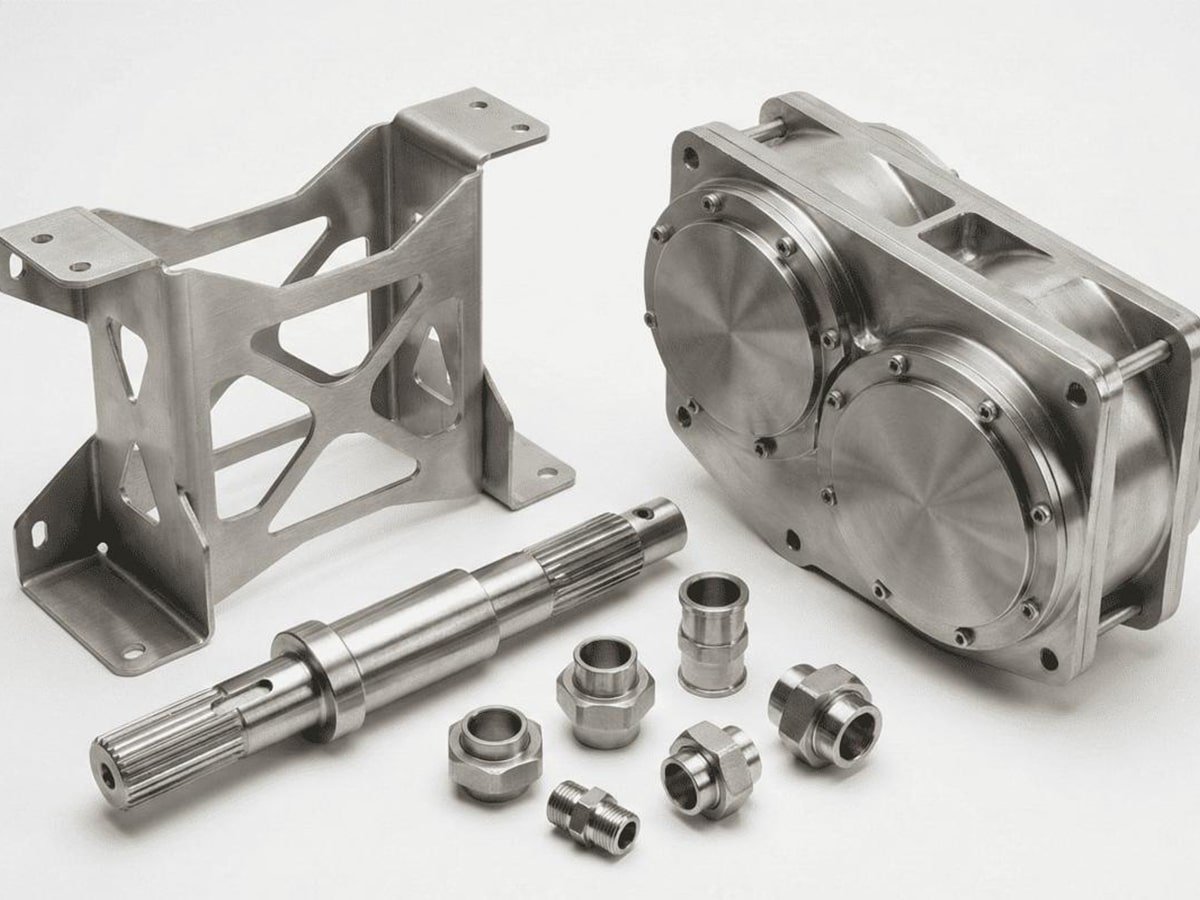
Moving from alloy steel to a more specialized category, stainless steel is distinguished by its high resistance to corrosion and staining, a property derived primarily from a minimum chromium content of about 10.5%. This chromium forms a thin, passive oxide layer on the steel’s surface that self-repairs when scratched or damaged, protecting the underlying metal from rust and oxidation.
Beyond chromium, stainless steel often contains varying amounts of nickel, molybdenum, and nitrogen to enhance strength, ductility, and resistance to specific corrosive environments. Owing to its durability, hygienic surface, and aesthetic appeal, stainless steel is widely used in kitchen appliances, medical instruments, architectural structures, and chemical processing equipment.
Types of Stainless Steel
Stainless steel is primarily classified according to its microstructure, which is shaped by composition and heat treatment. This produces five principal types, each suited to different performance requirements.
Austenitic Stainless Steel
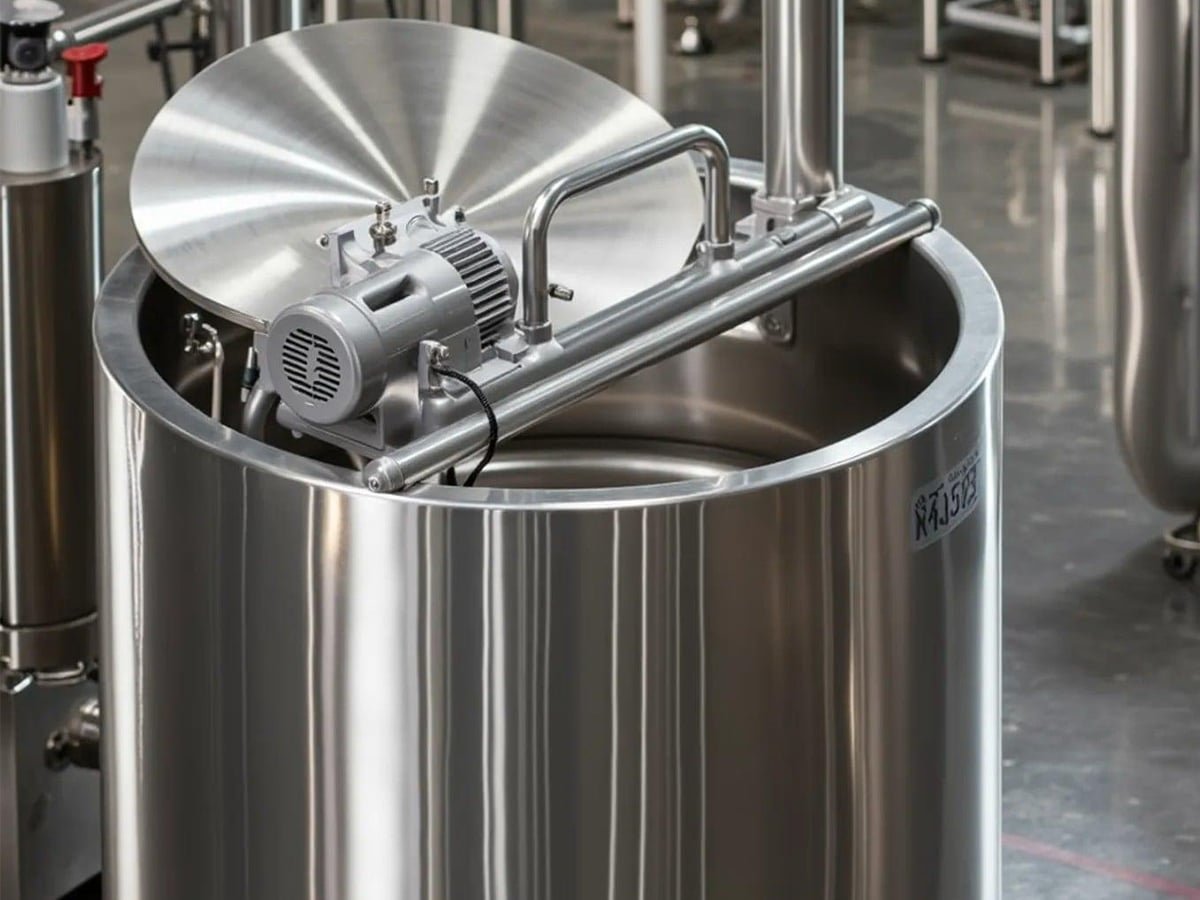
The most widely used type, austenitic stainless steel contains high levels of chromium and often nickel, giving it excellent corrosion resistance, formability, and weldability. It is generally non-magnetic and cannot be hardened by conventional heat treatment. It is commonly used in kitchen equipment, food processing machinery, and architectural applications.
Ferritic Stainless Steel
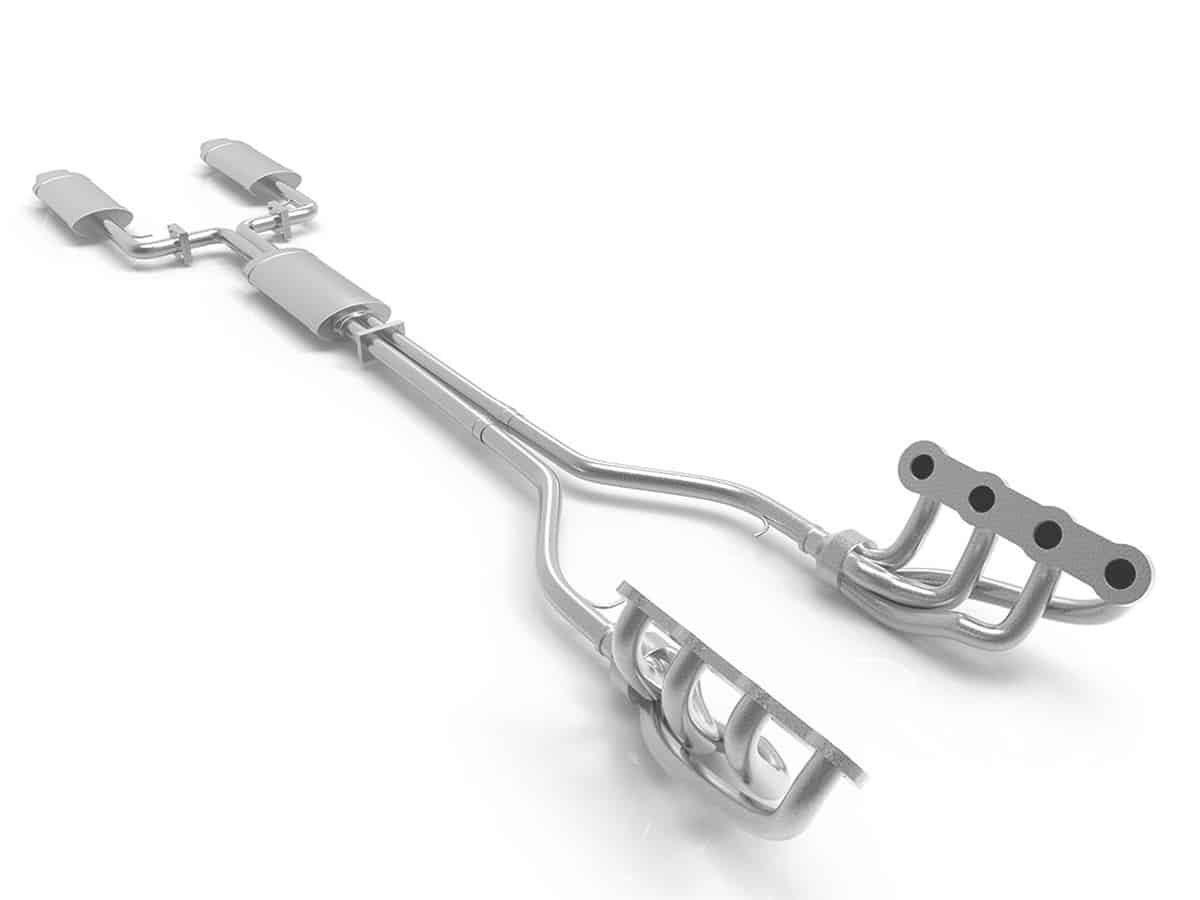
Containing chromium with little or no nickel, ferritic stainless steel offers good corrosion resistance and is magnetic, though it is less ductile than austenitic grades. It is often used in automotive exhaust systems, appliances, and industrial equipment where cost efficiency is a priority.
Martensitic Stainless Steel
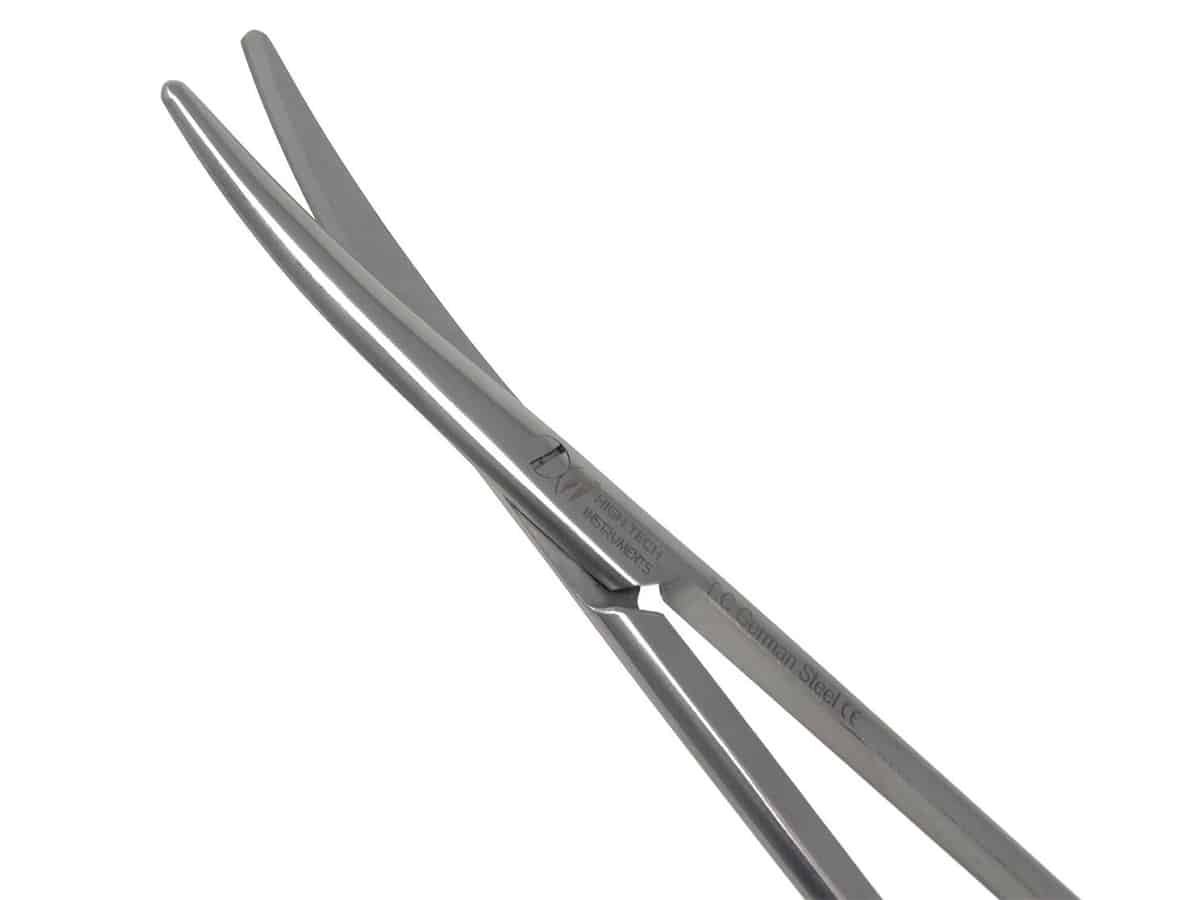
Distinguished by higher carbon content, martensitic stainless steel can be hardened through heat treatment, resulting in high strength and hardness but lower corrosion resistance than austenitic and ferritic types. It is typically used in cutlery, surgical instruments, and turbine blades.
Duplex Stainless Steel
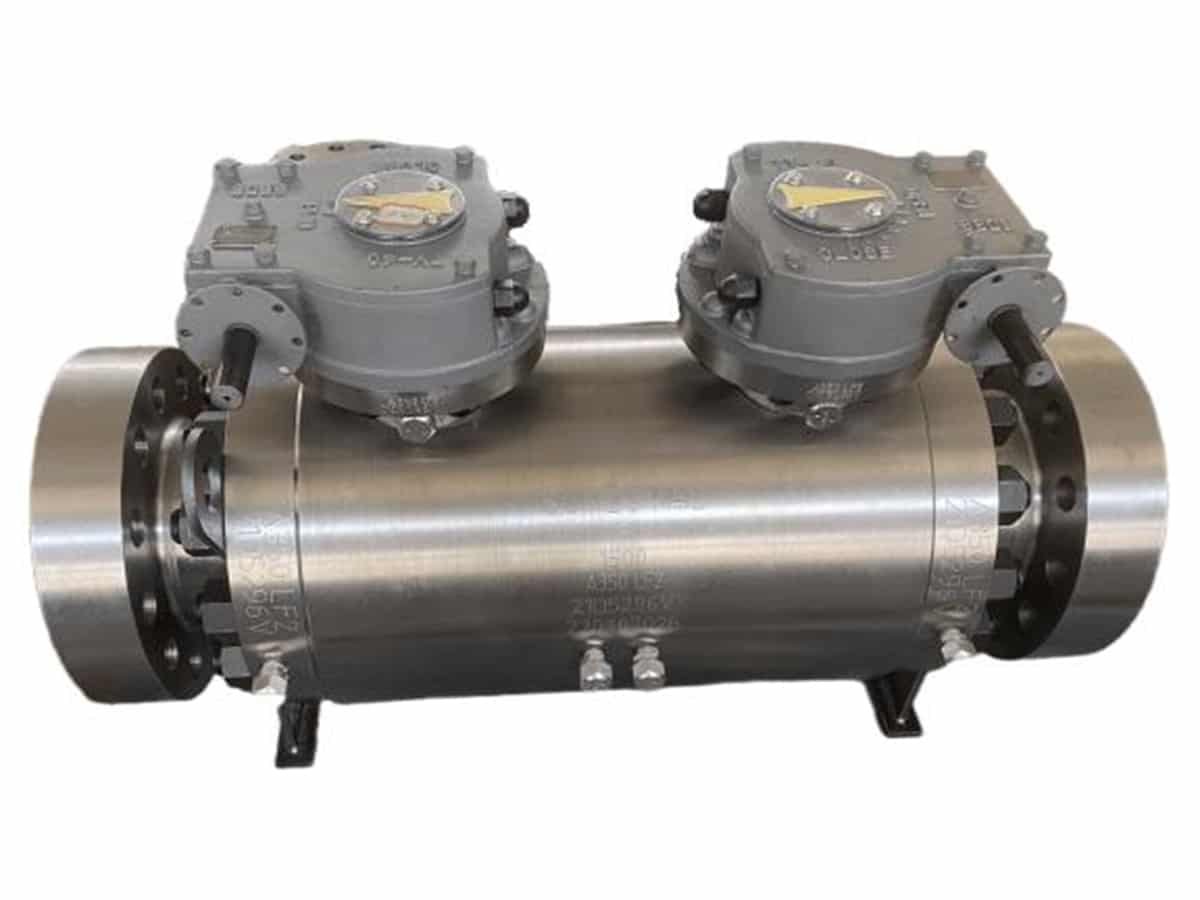
Combining austenitic and ferritic microstructures, duplex stainless steel offers high strength and excellent corrosion resistance, particularly against chloride-induced stress corrosion cracking. It is widely used in marine environments, chemical processing, and oil and gas applications.
Precipitation-Hardening Stainless Steel
This type achieves high strength through heat treatment that forms fine precipitates within the microstructure, providing high strength while retaining good corrosion resistance. It is commonly used in aerospace components and high-performance structural parts.
Grading Standards for Stainless Steel
Stainless steel grades are commonly identified by AISI three-digit designations, with the 300 and 400 series covering most austenitic, ferritic, and martensitic grades.
300 Series
Primarily denotes austenitic stainless steel, including 304 and 316. The specific grade reflects differences in alloy composition, particularly chromium, nickel, and molybdenum. Grade 316, for example, contains molybdenum, giving it better resistance to chlorides than 304.
400 Series
Includes both ferritic and martensitic stainless steels, such as 430 and 410. Ferritic grades such as 430 are chromium-based and corrosion-resistant, while martensitic grades such as 410 contain more carbon and can be hardened through heat treatment.
Duplex Grades
Duplex stainless steels are commonly identified by UNS designations such as S31803, which distinguish specific alloy compositions and grades that combine austenitic and ferritic microstructures.
Beyond these designation systems, standards such as ASTM A240 and EN 10088 specify chemical composition, mechanical properties, and product requirements for stainless steel grades, providing consistent material specifications across industries.
Tool Steel
The first three categories can be broadly understood through composition because their alloying systems are closely tied to their characteristic properties: carbon strongly influences hardness and strength in carbon steel, while chromium is fundamental to corrosion resistance in stainless steel.
Tool steel breaks this pattern. Its core requirements—wear resistance, impact toughness, or hot hardness—can be achieved through very different compositional routes. High carbon can provide high hardness but may reduce toughness and hot hardness, while heat resistance requires alloying elements such as tungsten, molybdenum, or vanadium alongside carefully controlled carbon content. No single compositional range reliably predicts tool performance.
For tool steel, the working conditions a tool must endure therefore provide a more meaningful basis for classification, with composition engineered to meet those demands.
Types of Tool Steel
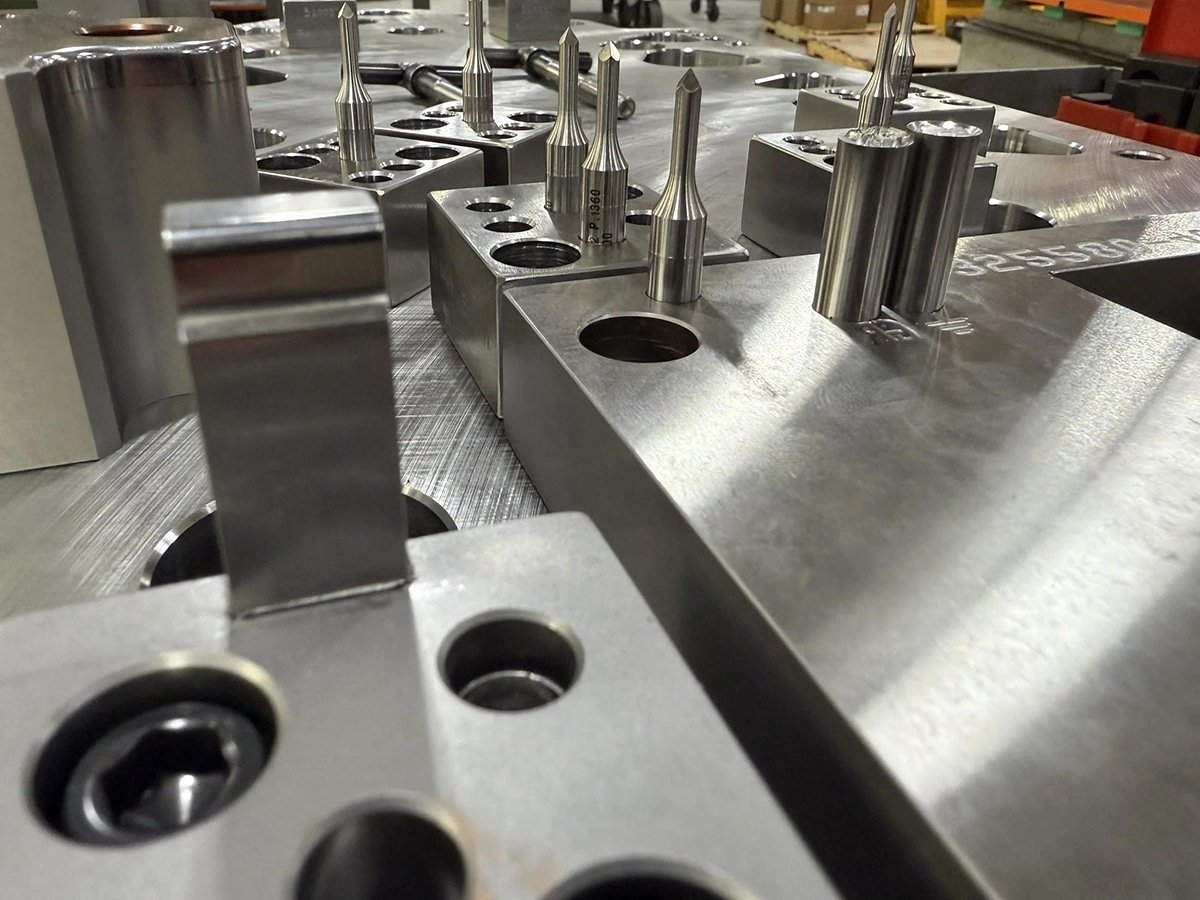
Tool steel is classified by the AISI system into several groups, each developed for specific working conditions and performance requirements.
Water-Hardening Steel (W-Group)
Simple, high-carbon steels hardened by water quenching. They are economical and can achieve high hardness, but have limited toughness and hot hardness, making them suited to hand tools and low-speed cutting applications.
Cold-Work Steel (O, A, D Groups)
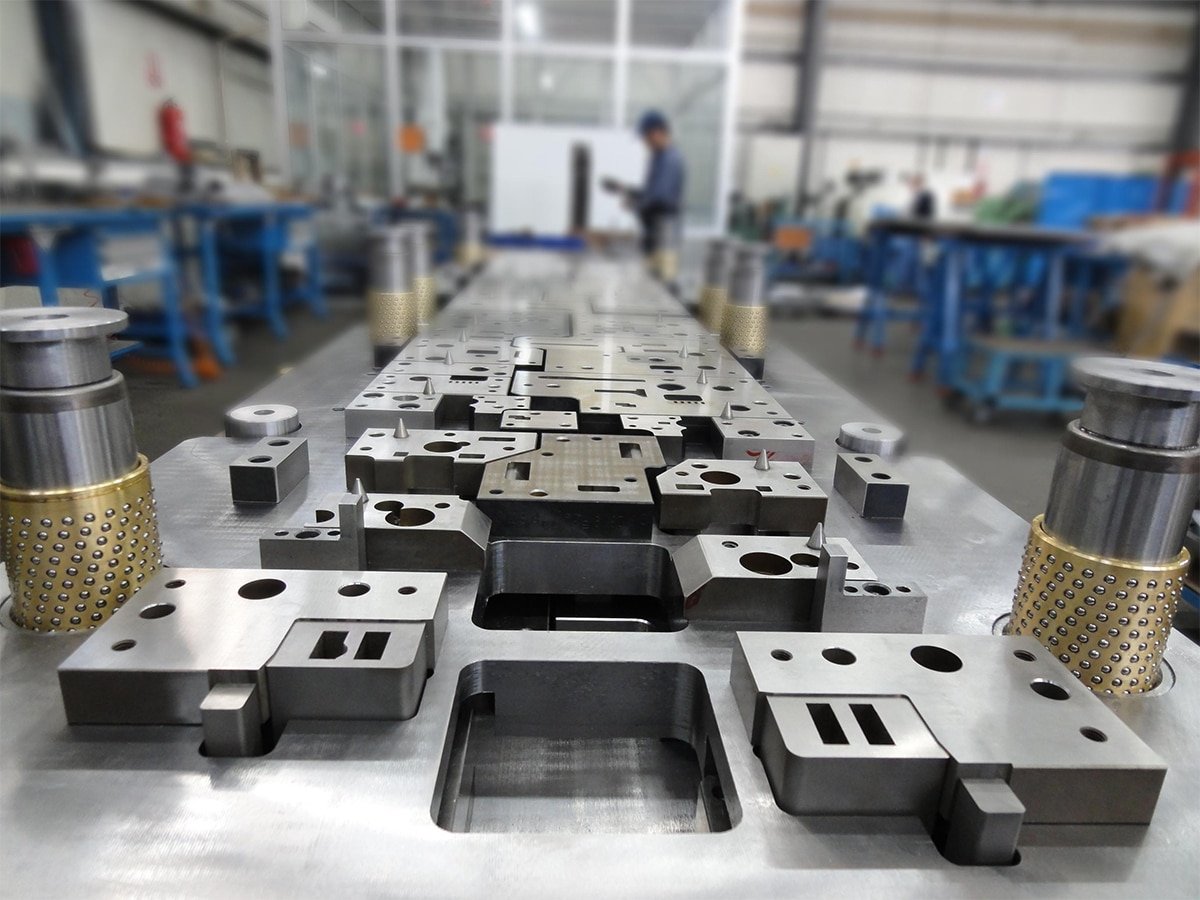
Designed for wear resistance, toughness, and dimensional stability at or near room temperature. They are used in dies, punches, and shearing blades where abrasion, deformation, and impact are the primary concerns.
Shock-Resisting Steel (S-Group)
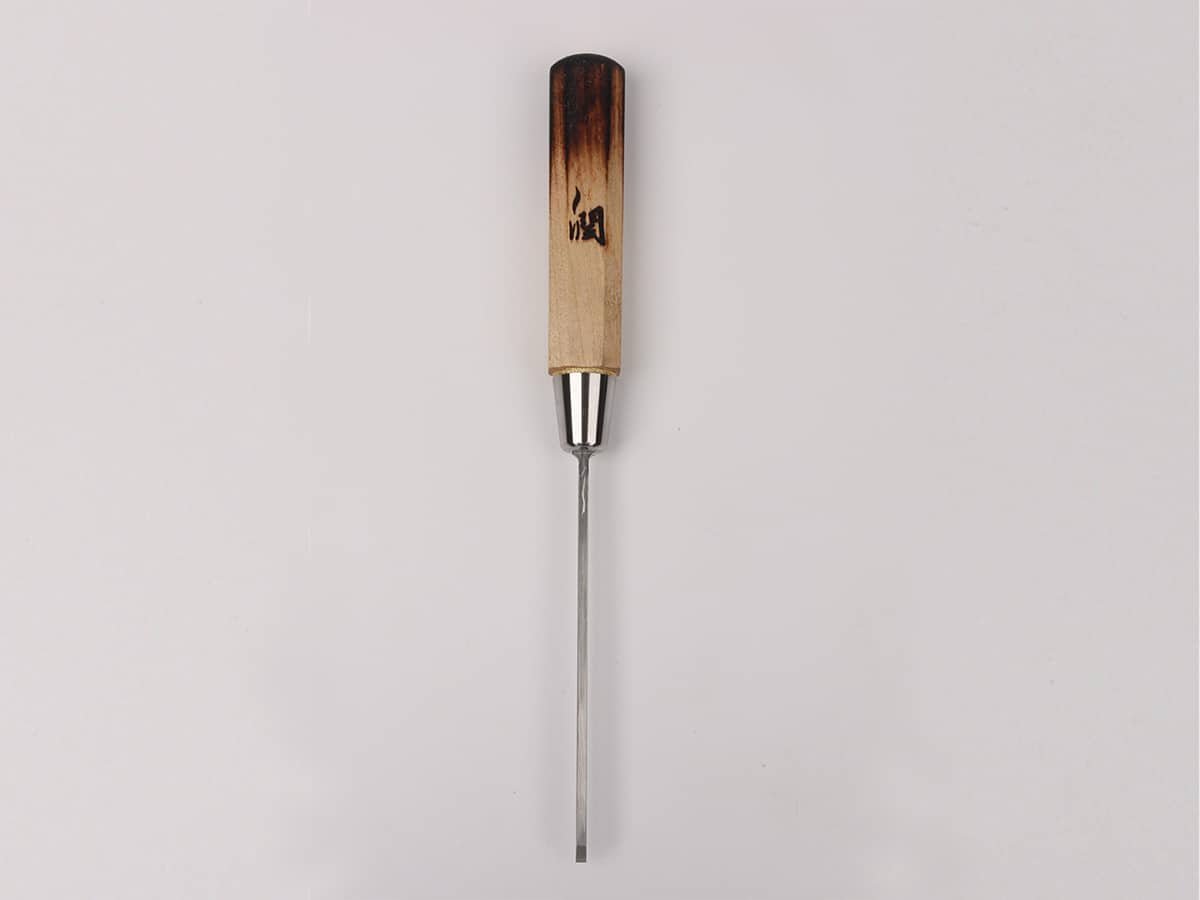
Designed to balance hardness with high toughness, allowing tools to absorb repeated impact without fracturing. They are commonly used in chisels, hammers, and other tools subject to sudden or repeated loads.

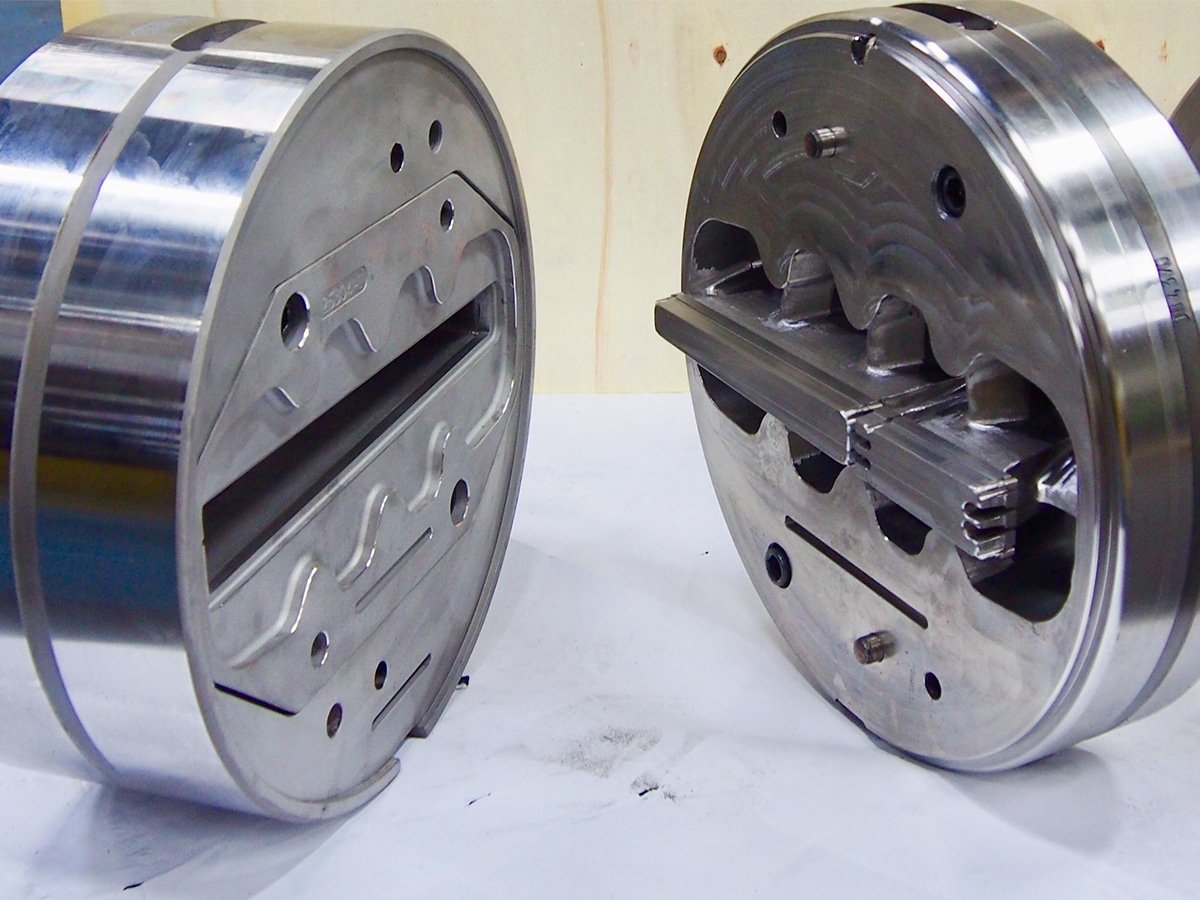
Hot-Work Steel (H-Group)
Alloyed with elements such as chromium, tungsten, molybdenum, and vanadium to maintain hardness and strength at elevated temperatures. They are used in die-casting dies, forging dies, and extrusion tools exposed to sustained heat.
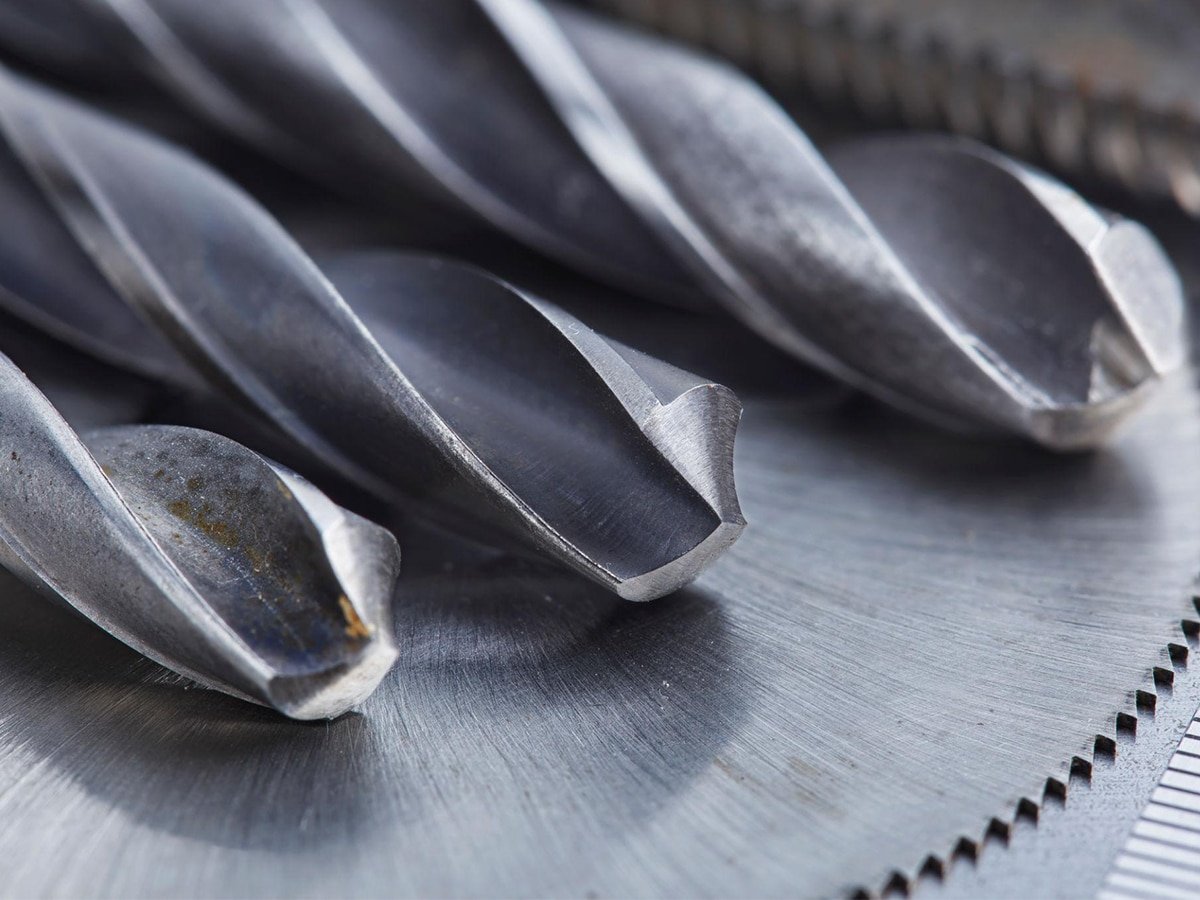
High-Speed Steel (M, T Groups)
Engineered to retain cutting-edge hardness and wear resistance at the high temperatures generated by high-speed machining. They are widely used for drills, milling cutters, taps, and other high-speed cutting tools.
Grading Standards for Tool Steel
Tool steel grading follows the AISI system introduced above, but differs from carbon and alloy steel in its use of letter prefixes to identify specific tool steel groups. The prefixes W, O, A, D, S, H, T, and M designate groups based primarily on hardening method, alloy system, or intended service, including water-hardening, oil-hardening, air-hardening, cold-work, shock-resisting, hot-work, and high-speed steels.
Within each letter group, a following number identifies a specific grade. For example, W1 is a water-hardening grade, O1 an oil-hardening grade, A2 an air-hardening grade, H13 a chromium hot-work grade, and M2 a molybdenum high-speed grade. These designations make the basic steel group and specific grade easy to identify.
As with other steel types, ASTM specifications and UNS codes provide precise compositional cross-references for each grade, ensuring consistency across suppliers and applications.
How to Choose the Right Steel
Having examined the four categories individually, selecting the right steel is essentially the reverse process: start with the application requirements and work backward to a suitable category and grade.
Start with Mechanical Requirements
Identify what the steel must withstand—tensile strength, hardness, ductility, toughness, or fatigue resistance. High-strength structural components may require carbon or alloy steel, while applications demanding corrosion resistance or extreme hardness point toward stainless or tool steel.
Consider the Service Environment
Exposure to moisture, chemicals, or extreme temperatures narrows the choice further. Corrosive or hygienic environments typically call for stainless steel, while high-heat conditions may require heat-resistant alloy or hot-work tool steel grades.
Factor in Manufacturing Process
Welding, machining, forming, and heat treatment requirements affect which grades are practical. Low carbon steel welds easily, while high carbon, alloy, and tool steels often require controlled preheating, cooling, or post-treatment. For parts that require tight tolerances or complex geometries, metal CNC machining can provide precise control over the final dimensions.
Weigh Cost Against Performance
Higher-performing grades—particularly specialized stainless, alloy, and tool steels—typically come at greater cost. The goal is not the strongest or most resistant material available, but the one that meets the application’s requirements without unnecessary expense.
Confirm Against Standards
Once a suitable category and grade are identified, check the applicable AISI, ASTM, or UNS designation and specification to confirm that the selected material meets the required composition, properties, and delivery condition.
If you’re comparing steel with other common engineering metals, see our guide to common metal materials for a broader overview before narrowing your choice to a specific steel grade.
Conclusion
From carbon and alloy steel to stainless and tool steel, each type offers a distinct balance of strength, resistance, and workability suited to specific demands. Selecting the right grade is only half the equation—the machining process must also match the material and part requirements.
At Zhongde CNC Machining Service, our expertise across these steel types ensures precise, reliable machining tailored to your specific requirements—helping you turn the right material choice into a finished part that performs.