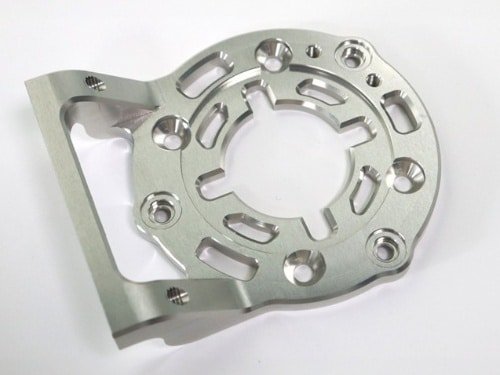
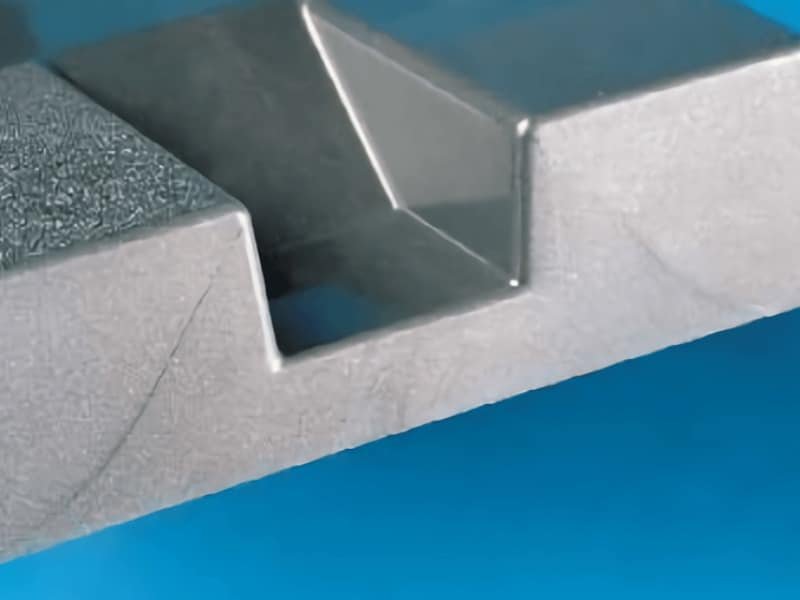
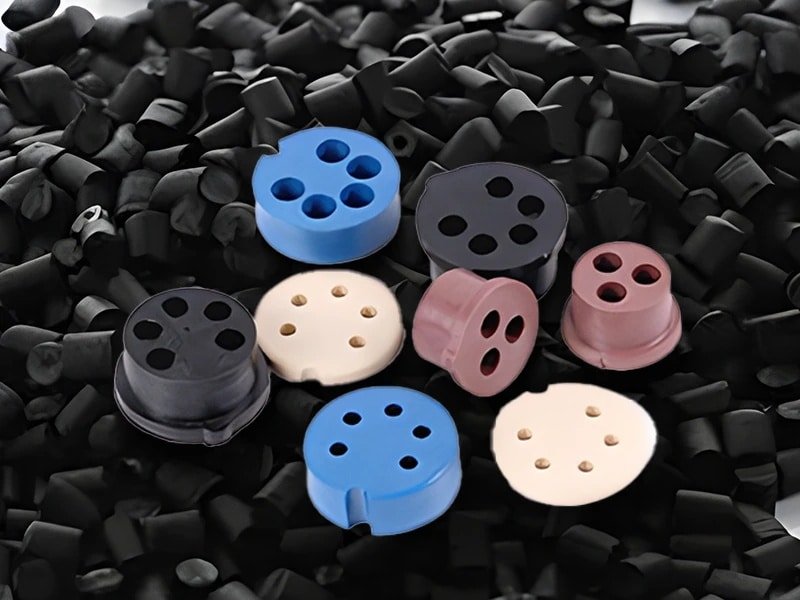
Prototyping is a critical step in product development—it turns ideas on paper into physical models you can see, touch, and test. With CNC prototyping, designers and engineers can create precise prototypes quickly, often in materials like plastics, metals, or composites, without relying on traditional manual methods. This approach helps speed up the development cycle and reduces guesswork in design validation.
What Is CNC Prototyping
CNC prototyping uses computer-controlled machines to carve, mill, or turn raw materials into a prototype based on a 3D CAD model. Unlike traditional prototyping, which may involve handcrafting models or using molds that take multiple steps, CNC prototyping is automated, precise, and repeatable.
With CNC prototyping, designers can achieve tight tolerances and consistent results that are difficult with manual methods. The process is faster, often producing parts in hours or days depending on complexity, and it supports a wide range of materials, including plastics, metals, and composites.
For a deeper understanding of how CNC machines work to create these precise parts, you can also check out our guide on CNC Machining Explained, which explains the principles and processes that make CNC prototyping possible.
CNC Rapid Prototyping Processes
CNC rapid prototyping typically follows a few straightforward steps, each guided by the digital 3D model:
Design Preparation
The process starts with a 3D CAD model of the part. The design is checked for manufacturability, and toolpaths—the paths the cutting tools will follow—are generated using CAM (Computer-Aided Manufacturing) software.
Material Selection and Setup
The raw material, whether plastic, metal, or composite, is secured on the CNC machine. Proper fixturing ensures the part won’t move during cutting, which is crucial for accuracy.
Machining
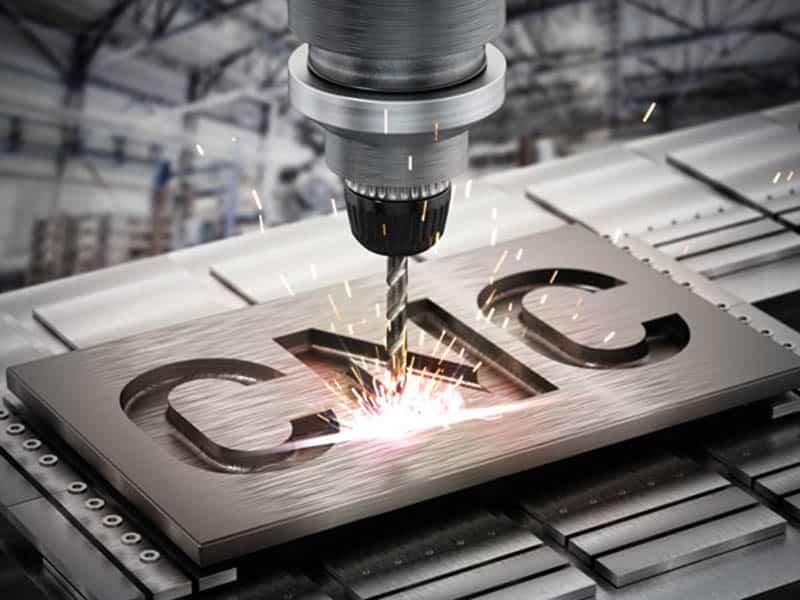
The CNC machine follows the programmed instructions to carve the part. Depending on complexity, this may involve milling, turning, or drilling, often in multiple passes to gradually remove material.
Inspection and Finishing
After machining, the prototype is inspected for dimensional accuracy and surface quality. Minor finishing steps such as sanding, deburring, or polishing may be applied to achieve the desired look and feel.
Iteration
If adjustments are needed, the CAD model can be quickly updated, and the prototype can be re-machined—making CNC prototyping ideal for rapid design validation.
Advantages of CNC Prototyping
CNC prototyping offers several advantages that make it a popular choice for designers and engineers:
Speed and Accuracy
CNC machines follow digital instructions precisely, producing prototypes faster and more accurately than traditional hand-made models. This reduces guesswork and allows design flaws to be discovered early.
Material Flexibility
One of the biggest advantages of CNC prototyping is the ability to work with a wide range of materials. You can choose:
- Plastics: ABS, polycarbonate, or POM are lightweight and easy to shape, ideal for functional parts or consumer product prototypes.
- Metals: Aluminum, stainless steel, or brass provide strength and durability, suitable for mechanical parts or metal housings.
- Polymers and Composites: Materials like nylon or carbon-fiber composites allow testing of parts that need specialized properties like wear resistance or heat tolerance.
Rapid Iteration
With CNC prototyping, you can quickly adjust the design and produce a new version without creating new molds or tooling. This makes it perfect for testing multiple design ideas in a short time.
Consistent Results
Once the machine is programmed, each prototype is virtually identical to the last, ensuring reliable testing and comparison between design iterations.
By combining speed, precision, and material versatility, CNC prototyping allows you to test and validate designs in ways traditional prototyping cannot match.
Limitations of CNC Prototyping
These are relatively minor considerations compared to the benefits of precision, speed, and material flexibility, but understanding them helps in planning efficient and realistic prototyping projects.
Complex Features May Increase Cost
Highly intricate designs with deep cavities or very fine features may require specialized tooling or slower machining speeds, which can increase prototype cost compared to simpler parts.
Material Waste
CNC machining removes material from a solid block, which can produce more waste than additive methods like 3D printing. For large prototypes or expensive metals, this can affe
ct the overall budget.
Size Constraints
The maximum size of a prototype is limited by the dimensions of the CNC machine. Very large parts may need to be machined in sections and assembled afterward.
Surface Finish and Secondary Operations
Some materials or complex shapes may require post-machining finishing, such as sanding, polishing, or coating, to achieve the desired appearance or functional surface.
CNC Machining Service
Design Factors for CNC Prototyping
When planning a CNC prototype, certain design choices can make the process faster, cheaper, and more reliable. Thinking about these factors early helps you avoid costly adjustments later:
Simplify Complex Shapes Where Possible
Complex curves, deep pockets, or intricate undercuts can increase machining time and cost. Simplifying unnecessary features without compromising function helps you get a faster and more affordable prototype.
Mind Wall Thickness and Features
Very thin walls or delicate protrusions can deform or break during machining. Ensuring a minimum wall thickness and avoiding fragile features helps maintain dimensional accuracy and reduces scrap.
Plan for Assembly and Testing
If your prototype will include screws, inserts, or multiple parts, design with assembly in mind. Proper hole sizes, tolerances, and clearances ensure components fit without rework.
Allow for Tolerances and Fits
Even precise CNC machines have limits. Specifying realistic tolerances ensures that parts fit together correctly without repeated re-machining. Focus on what’s critical for your design, rather than making every dimension ultra-precise unnecessarily.
For more guidance on recommended values and industry standards, check out our article on standard tolerances for CNC machining.
Material Selection
The material you select affects not just strength and appearance but also how easily the CNC machine can cut it. For example, softer plastics like ABS or POM are easier and faster to machine, while metals like aluminum provide durability but take longer. Choosing the right material early helps avoid surprises in time and cost.
Applications of CNC Machined Prototypes
At this stage, suppose you still feel that CNC prototyping is a bit abstract—Let’s look at where this technology actually makes a difference across industries.
Automotive Prototypes
CNC prototyping allows automotive designers to test parts like brackets, housings, and dashboard components with precise dimensions and material properties. Rapid iteration ensures that each version meets performance requirements before committing to full-scale production.
Aerospace and Medical
High-precision parts in aerospace or medical devices require tight tolerances and reliable performance. CNC prototyping ensures that these complex components are tested accurately before production, saving time and enhancing safety.
Consumer Products
From electronics housings to ergonomic devices, CNC prototypes let companies quickly evaluate form, fit, and aesthetics. Plastic prototypes are especially useful for checking visual appearance and user interaction—see our plastic CNC machining article for more insights.
Industrial Equipment
Prototypes for machinery parts, tooling, or specialized fixtures benefit from CNC prototyping because it provides strong, functional models that can undergo real-world testing.
Education and Product Development
CNC prototyping is also popular in labs, design schools, and startups, allowing students and innovators to rapidly bring concepts to life, test ideas, and refine designs before investing in molds or tooling.
Conclusion
Through this guide, you now have a clear picture of how CNC prototyping can turn digital designs into precise, tangible parts quickly and reliably. Think of it as giving your design a “test run” before full-scale production, allowing you to catch issues early and refine your product efficiently.
If you’re looking to bring your ideas to life with accuracy and speed, Zhongde can provide professional CNC prototyping services tailored to your specific materials and design requirements. Contact our team to explore how we can help turn your concept into a working prototype.
FAQs of Rapid CNC Prototyping Manufacturing
Because it’s custom-made from scratch—no mass production, higher setup effort, and often requires testing and adjustments. You're paying for both the part and the development process.
It depends on the design, material, process, and lead time. Since it’s low volume, even one part takes time and resources. Some costs may be deducted if you move to mass production later.
It can be costly, time-consuming, and may not fully match the final product if different materials or faster methods are used just for testing.
Usually 3–10 working days. Simple parts can be done in 1–2 days, while more complex or molded prototypes may take up to two weeks.
Start A New Project Right Now!