Knowledge Hub

PE Material

Polyethylene Injection Molding Processing Guide

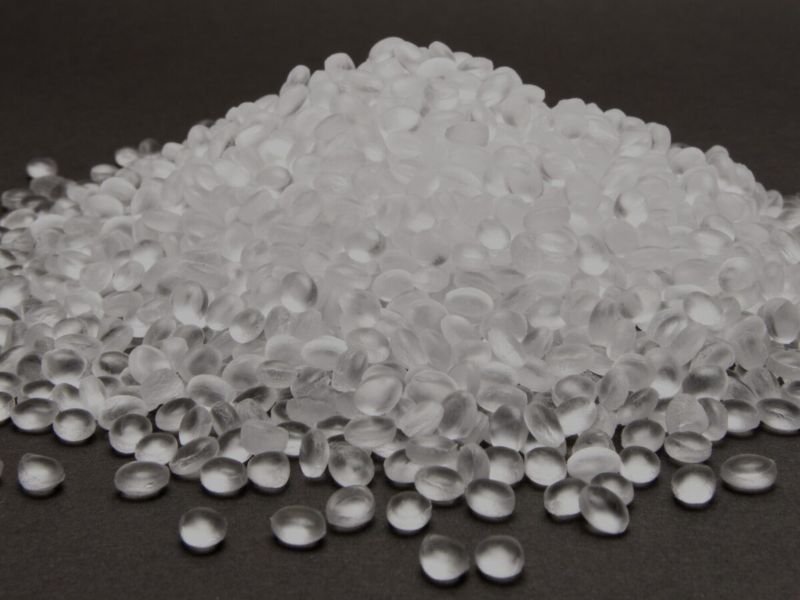
Polyethylene molding, particularly PE injection molding, is a popular injection molding process in the plastics manufacturing industry, enabling the production of a wide range of durable, versatile, and cost-effective parts. Polyethylene’s adaptability, cost-effectiveness and robust properties make it is applied among the various industies. In this article, you will learn every thing about the Polyethylene […]

Polyethylene Injection Molding Processing Guide Read More »
PC Material

All About Polycarbonate 3D Printing

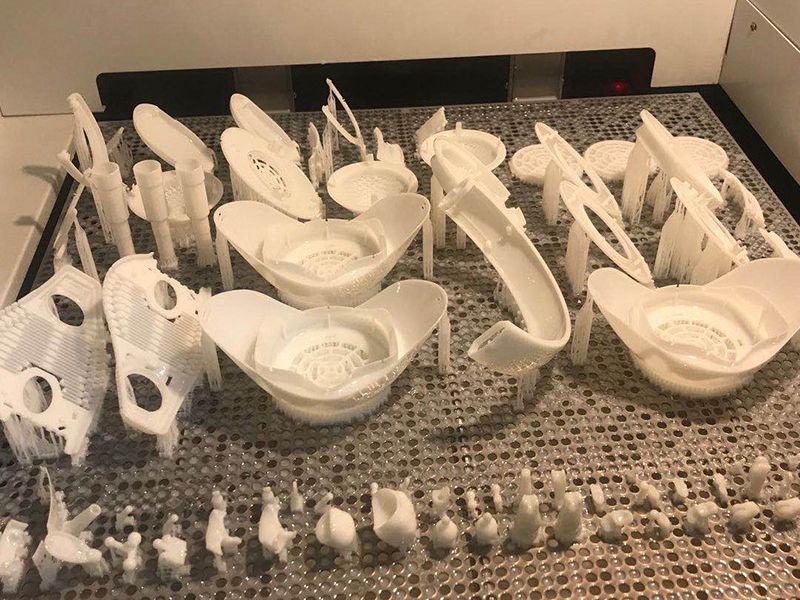
PC 3D printing create durable, high-performance parts with unmatched strength and clarity. In this guide, we will deep discover the polycarbonate material properties, the 3D printing tips and process, the applications and challenges. What is Polycarbonate? Polycarbonate (PC) is a tough, transparent thermoplastic known for its high impact resistance and dimensional stability. It is lightweight,

All About Polycarbonate 3D Printing Read More »

Nylon 3D Printing

PA 3D Printing Guide

Nylon is one of the most versatile and durable materials in the world of additive manufacturing. Its unique combination of strength, flexibility, and chemical resistance makes PA 3D printing an ideal choice for a wide range of applications, from functional prototypes to end-use parts.  Why Choose Nylon for 3D Printing? Nylon is widely favored in 3D

PA 3D Printing Guide Read More »

TPU Injection Molded Parts

Thermoplastic Polyurethane Injection Molding Guide

Thermoplastic polyurethane (TPU) injection molding is a vital process in manufacturing flexible, durable, and high-performance plastic parts. As a versatile elastomer, TPU combines the benefits of rubber-like elasticity with thermoplastic processability.  As a popular material for customized injection molding, TPU is frequently chosen. This article explores the TPU injection molding process in detail. TPU Injection

Thermoplastic Polyurethane Injection Molding Guide Read More »

EPDM Application

Everything You Need to Know About Epdm Rubber Injection Molding

EPDM injection molding stands out as a highly versatile and efficient process. EPDM, or Ethylene Propylene Diene Monomer, is a synthetic rubber known for its exceptional resistance to weathering, UV radiation, ozone, and a wide range of chemicals. It is widely used in the production of injection molded rubber components across demanding environments. In this

Everything You Need to Know About Epdm Rubber Injection Molding Read More »

TPE Header

Guide to TPE Overmold

By integrating soft, elastic thermoplastic elastomers (TPE) with rigid substrates, TPE overmolding delivers innovative solutions across industries, from consumer goods to automotive components. What Is Overmolding? What is overmolding? Overmolding is a specialized manufacturing process where one material is molded over another to form a single, cohesive part. Typically, a softer material is injected over

Guide to TPE Overmold Read More »

TPU Material

Complete Guide to TPU 3D Printing

Thermoplastic polyurethane (TPU) combines exceptional flexibility, durability, and versatility, making it a highly sought-after material in the field of 3D printing. What is TPU? TPU is a versatile thermoplastic elastomer that combines rubber-like elasticity with plastic processability. Its unique molecular structure allows for customizable properties, making it ideal for 3D printing. TPU offers a broad

Complete Guide to TPU 3D Printing Read More »

TPE Material

Thermoplastic Elastomer Injection Molding Guide

TPE injection molding, also referred to as TPE molding or thermoplastic elastomer molding, is a highly versatile manufacturing technique that leverages TPE’s properties to create flexible, durable, and recyclable components. What is TPE? Thermoplastic elastomers (TPEs) are a unique class of polymers that combine the elastic properties of rubber with the processing advantages of thermoplastics.

Thermoplastic Elastomer Injection Molding Guide Read More »

3D Printing

The Difference Between TPE and TPU in 3D Printing

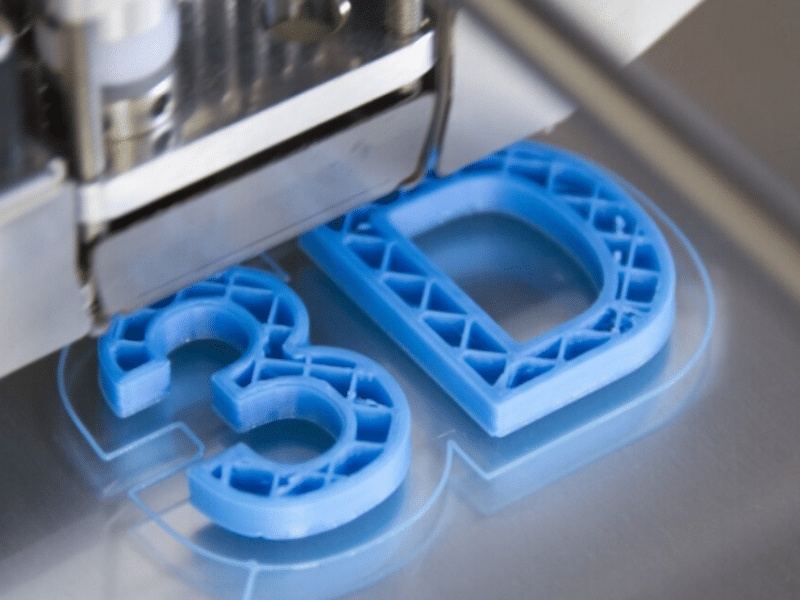
TPE 3D printing and TPU 3D printing has unlocked endless possibilities for creating flexible, durable, and innovative products. These materials are widely used in custom 3D printing services to meet specific design, functional, and material needs across industries. Thermoplastic Elastomer (TPE) and Thermoplastic Polyurethane (TPU) combine the elasticity of rubber with the processability of thermoplastics.

The Difference Between TPE and TPU in 3D Printing Read More »

how does cnc machining work

What is CNC Machining and How Does It Work?

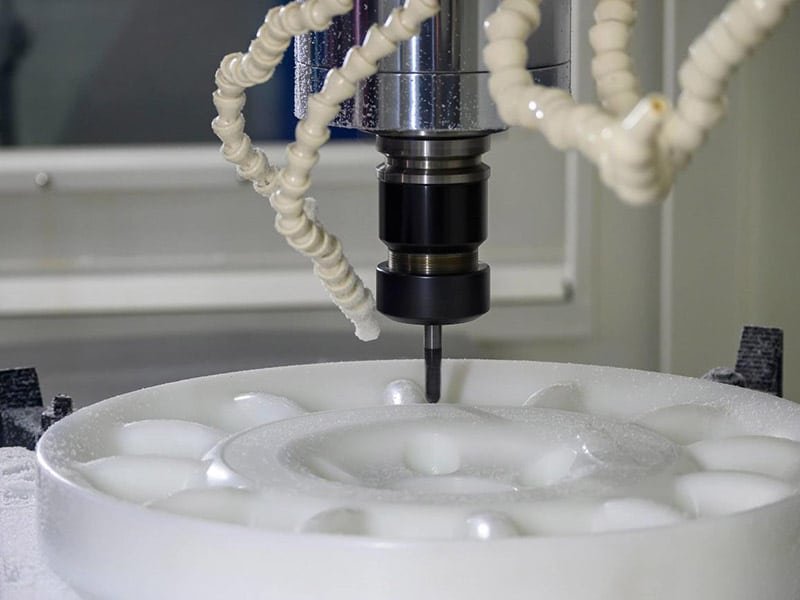
CNC machining is transforming raw materials into precision components with unparalleled accuracy. But what does CNC machining meaning, and how do CNC machines work to achieve such precision? This comprehensive guide explores what’s CNC machining, its processes, machine types, materials, advantages, limitations, applications, and why Zhongde is your ideal partner for CNC machining needs. Dive

What is CNC Machining and How Does It Work? Read More »

injection molding vs thermoforming

Thermoforming vs. Injection Molding: What’s the Difference?

Choosing between injection molding and thermoforming is a key decision for businesses developing custom plastic parts. These two manufacturing processes, while both shaping plastics, differ significantly in their mechanics, applications, and costs. This article compares injection molding vs thermoforming, exploring their processes, key differences, thermoforming vs injection molding cost, and decision-making criteria. What is Injection

Thermoforming vs. Injection Molding: What’s the Difference? Read More »