When it comes to flexible 3D printing materials, TPE and TPU are often mentioned together—and even confused with each other. At first glance, they may seem similar since both are soft, rubber-like thermoplastics used for flexible parts. However, in real applications, they behave differently in terms of durability, flexibility, and long-term performance.
For designers and engineers selecting materials for functional or end-use parts, understanding the difference between TPE and TPU is important. In this article, we will break down the key differences between TPE and TPU and help you understand which material is better suited for your specific application.
What Is TPE?
Thermoplastic Elastomer (TPE) is a class of flexible materials that combines the characteristics of rubber with the processing advantages of thermoplastics. It can be stretched and deformed like rubber, but can also be melted and reshaped like plastic during manufacturing.
Unlike traditional vulcanized rubber, TPE does not require chemical curing. This makes it easier to process and recycle, while still providing good elasticity and soft-touch properties. In 3D printing applications, TPE is often used where high flexibility and a rubber-like feel are required.
TPE in 3D Printing Processes
TPE printing is commonly used in two primary 3D printing processes:
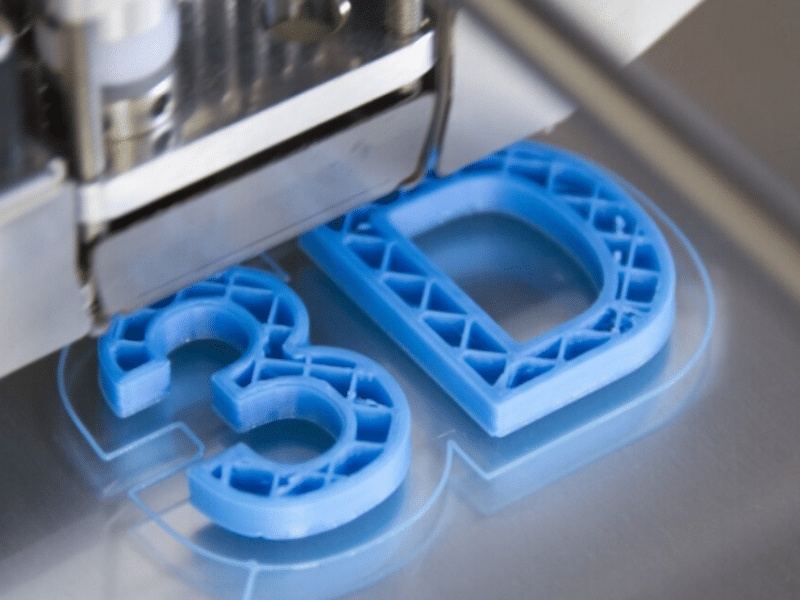
FDM: In FDM, TPE 3D filament is extruded through a nozzle to build parts layer by layer. Due to TPE’s extreme flexibility, it requires a direct-drive extruder to prevent filament buckling. Optimal settings include an extruder temperature of 210–230°C, a heated bed at approximately 60°C, and slow print speeds (15–35 mm/s) to avoid clogs.
SLS: In SLS, TPE is used as a powder, which is fused by a laser to create complex, support-free geometries. This process demands precise temperature control to achieve consistent results.
Advantages of TPE Over TPU in 3D Printing
When comparing TPU vs. TPE, TPE offers several distinct benefits:
- Exceptional Softness: With a Shore hardness range of 0A to 100A, TPE is softer and more elastic than TPU.
- Cost-Effectiveness: TPE is generally more affordable than TPU.
- Recyclability: TPE’s simpler molecular structure allows for easier recycling compared to TPU.
- Better Low-Temperature Performance: TPE maintains flexibility in colder environments better than TPU.
- More Rubber-like Texture: TPE prints have a softer, more tactile surface, closely mimicking natural rubber.
- Wide Availability: As a long-established material in TPE material 3D printing, TPE filaments are widely available in various colors and grades, catering to diverse project needs.
Applications of TPE
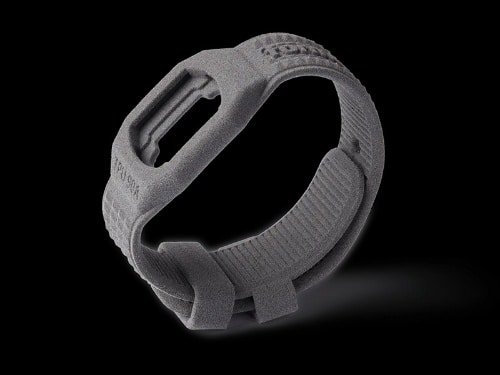
TPE 3D material’s smooth, rubber-like texture makes it perfect for products that prioritize comfort and elasticity. Common uses include pencil grips, medical tubing, wearable bands, soft-touch handles, and children’s toys, etc.
What Is TPU?
Thermoplastic Polyurethane (TPU) is a flexible thermoplastic material known for its balance of elasticity, strength, and durability. It can deform under stress and return to its original shape, making it suitable for functional parts that require repeated bending or impact resistance.
TPU belongs to the polyurethane family but differs from traditional thermoset polyurethane in that it can be melted and reprocessed. This gives it both mechanical toughness and manufacturing flexibility, which is why it is widely used in 3D printing for functional, wear-resistant components.
TPU in 3D Printing Processes
The primary 3D printing methods for TPU include:
FDM: Due to TPU filaments greater rigidity, it reduces the risk of extruder clogs. Recommended settings include an extruder temperature of 220–250°C, a heated bed at 60–70°C, and print speeds of 20–30 mm/s. Minimal retraction is advised to prevent stringing, ensuring clean prints.
SLS: TPU powder is used in SLS to produce high-strength, flexible parts with smooth surface finishes.
Advantages of TPU Compared to TPE
When comparing TPU TPE, TPU offers several distinct advantages:
- Higher Abrasion Resistance: TPU withstands friction and wear better, extending the lifespan of printed parts.
- Greater Chemical Resistance: TPU resists oils, greases, and solvents more effectively than TPE.
- Better Dimensional Stability: TPU shrinks less during printing, resulting in more accurate parts.
- Ease of Printing: TPU’s semi-rigid nature makes it more compatible with standard FDM printers, reducing the risk of filament jams compared to TPE printing.
- Retains Elasticity in Cold: TPU maintains flexibility even at lower temperatures.
- Thermal Stability: Unlike TPE, which may deform above 60°C, TPU maintains its integrity in extreme temperatures.
- Smoother Surface Finish: TPU prints tend to have a glossy, smooth appearance compared to the rubbery texture of TPE.
Applications of TPU
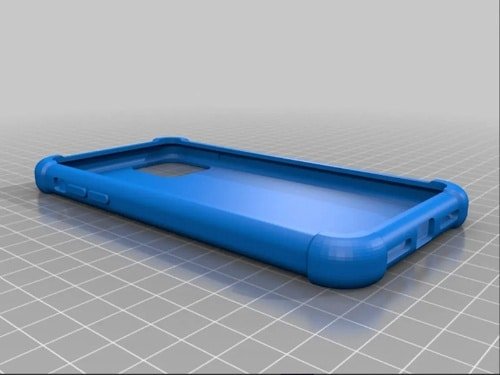
TPU 3D printing excels in applications requiring durability and flexibility. It is commonly used for shoe soles, automotive components like seals and gaskets, and protective phone cases.
TPE vs. TPU Material Properties for 3D Printing
To better understand the differences between TPE 3D printing and TPU 3D printing, the following table compares their key properties:
How to Choose Between TPE and TPU for 3D Printing
Selecting the right flexible filament depends on understanding both the material properties and the requirements of your specific project. Here’s a practical guide to help you make the choice.
Consider Elasticity and Hardness
TPE is generally softer and more elastic than TPU, making it ideal for parts that need to stretch or compress easily, such as gaskets, wearable devices, or soft grips. TPU, being slightly firmer, provides more shape stability and is better for parts that require repeated flexing without deforming, such as protective casings or mechanical components.
Evaluate Printability
TPU is widely known for its excellent printability, especially on FDM printers. It handles layer adhesion well and maintains dimensional stability. TPE, on the other hand, can be trickier due to its higher stickiness and tendency to jam in direct-drive or Bowden extruders. For beginners or when precise tolerances are required, TPU is usually the safer choice.
Assess Durability and Wear Resistance
If your part will undergo repeated bending, compression, or surface abrasion, TPU generally performs better over time. TPE offers softer feel and higher flexibility, but may wear out faster under continuous stress. Consider how long the part needs to last and the type of mechanical forces it will experience.
Factor in Cost and Availability
TPU filaments are typically more abundant in the market and come in a wider range of hardness grades and colors. TPE may be more expensive or limited depending on the supplier, so project budget and material availability can also influence your choice.
Common Alternatives to TPE and TPU
While TPE and TPU dominate flexible filament choices, other materials can serve as substitutes depending on requirements:
Thermoplastic Copolyester (TPC): An engineering-grade elastomer. TPC offers flexibility similar to TPE but with less elongation. Offers excellent chemical and heat resistance
Soft PLA: A modified PLA blend that provides flexibility for TPE printing-like applications. It is easier to print than TPE but lacks the durability and elasticity of TPU.
Thermoplastic Polyamide (TPA): Combines TPE-like flexibility with nylon’s smooth texture. But TPA is prone to moisture absorption, which can affect print quality.
Thermoplastic Vulcanizates (TPV): Combines rubber-like elasticity with thermoplastic processability.
Practical Tips for TPE and TPU 3D Printing
To achieve optimal results with TPE printing or TPU 3D printing, consider the following tips:
- Printer Setup: Use a direct drive extruder for better filament control, especially with TPE.
- Print Settings: Slow print speeds (15–35 mm/s for TPE, 20–30 mm/s for TPU) and appropriate temperatures (210–230°C for TPE, 220–250°C for TPU) to avoid filament buckling.
- Maintain Proper Bed Adhesion: Use a heated bed (60°C for TPE, 60–70°C for TPU) and adhesion aids like painter’s tape or glue stick to prevent warping.
- Minimize Retraction: Store filaments in airtight containers to prevent moisture absorption, particularly for TPU which is hygroscopic.
- Post-Processing: SLS-printed TPU parts may require surface smoothing, while FDM prints may need light sanding for a polished finish.
Conclusion
TPE and TPU are both widely used flexible materials in 3D printing, but they serve different design priorities. TPE is generally chosen for softer, comfort-oriented applications, while TPU is preferred when durability, shape recovery, and long-term performance are more important. In practice, the best material is the one that aligns with how the final product is expected to function in real use.
If you are still evaluating materials or exploring different manufacturing methods for your project, you may also consider our Prototyping CNC Machining Serivces for more precise and production-level solutions. Zhongde can help you assess your design requirements and recommend the most suitable manufacturing process for your application.