Benefits of Aluminum in CNC Machining
Aluminum is one of the most widely used metal materials in CNC machining because it offers a strong balance of performance, efficiency, and cost-effectiveness.
Excellent machinability
Aluminum can be cut at high speeds with relatively low cutting force. This results in faster machining cycles, smoother surface finishes, and reduced tool wear, which helps improve overall production efficiency.
High strength-to-weight ratio
Although lightweight, aluminum still provides reliable mechanical strength. This makes it ideal for applications where weight reduction is important without compromising structural performance, such as in automotive and aerospace parts.
Good corrosion resistance
Many aluminum alloys, such as 6061 and 5052, naturally resist corrosion in normal environments. This reduces the need for heavy protective treatments and makes them suitable for outdoor or humid conditions.
Flexible finishing options
Aluminum is easy to anodize, polish, or coat. This allows manufacturers to achieve both functional improvements (such as surface protection) and aesthetic finishes for end-use products.
What Types of Aluminum Are Used in CNC Machining
Different aluminum alloys offerd different advantages in CNC machining. Some are better for general machining, while others are designed for higher strength, better corrosion resistance, or improved fatigue performance. The most commonly used aluminum alloys include:
- 6061 Aluminum
6061 is one of the most widely used aluminum alloys in CNC machining. It offers a good balance of machinability, strength, and corrosion resistance, making it suitable for structural parts, housings, and general-purpose components.
- 7075 Aluminum
7075 provides much higher strength than 6061 and is often used in aerospace parts and high-performance mechanical components. It is ideal for applications requiring high strength-to-weight ratio, although it has lower corrosion resistance and higher cost.
- 5052 Aluminum
5052 is valued for its excellent corrosion resistance and good formability. It is commonly used for enclosures, panels, and parts exposed to moisture or harsh environments.
- 2024 Aluminum
2024 is known for high strength and strong fatigue resistance. It is often selected for aerospace and precision mechanical parts, but its corrosion resistance is relatively low, so protective finishing is often needed.
Selecting the right aluminum alloy depends on the strength requirements, operating environment, and machining goals of the final part.
Common Processes in Aluminum CNC Machining
Aluminum CNC machining typically involves a combination of standard machining processes that are well-suited to the material’s excellent machinability and thermal properties. These processes are often used together to produce precise and functional components.
- CNC Milling (primary process)
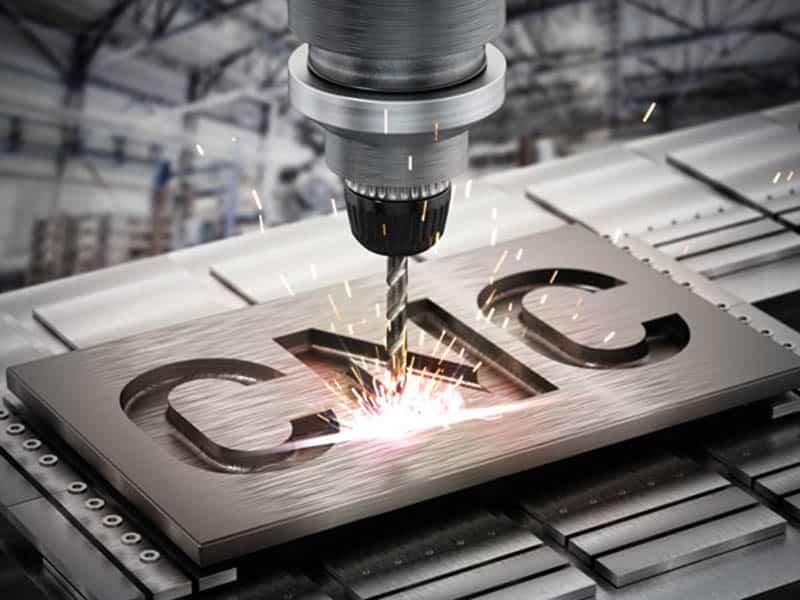
Milling is the most commonly used process for aluminum parts. Because aluminum is easy to cut, it allows high-speed milling to produce complex shapes, pockets, and contours with good surface quality and tight tolerances.
- CNC Drilling and Tapping
Aluminum’s softness compared to steel makes drilling and tapping more efficient, with less tool wear and faster cycle times. These processes are widely used for creating threaded holes, assembly features, and fastening points in aluminum components.
- CNC Turning for cylindrical parts
When aluminum parts have rotational symmetry, turning is used to produce shafts, pins, and cylindrical housings. The material’s smooth cutting behavior allows stable chip formation and high-quality surface finishes.
- Surface finishing processes
After machining, aluminum parts often undergo finishing treatments such as anodizing, polishing, or bead blasting. These processes improve corrosion resistance, appearance, and surface durability, depending on the application requirements.
How to Choose Aluminum Alloys for CNC Machining
In general, for most CNC machined aluminum parts, 6061 is the most versatile choice, offering a balanced combination of strength, machinability, and corrosion resistance. 7075 is preferred for high-strength structural components, while 5052 is commonly used in applications where corrosion resistance is critical. However, the final selection still depends on the specific application and design requirements.
When selecting an aluminum alloy for CNC machining, several design factors should guide your decision:
Mechanical Strength
Different aluminum alloys vary significantly in tensile and yield strength. For load-bearing or structural parts, alloys like 7075 offer higher strength, while 6061 provides a good balance of strength and machinability for most standard applications.
Weight Considerations
Aluminum’s lightweight nature is a major advantage, but some applications require minimizing weight further, such as aerospace or robotics components. Low-density alloys and aluminum-lithium blends can provide additional weight reduction without sacrificing strength.
Corrosion Resistance
If your part will operate in humid, marine, or chemically aggressive environments, corrosion resistance is key. Alloys such as 5052 and 6063 provide excellent resistance, reducing the need for additional coatings or surface treatments.
Machinability
Some aluminum grades are easier to machine than others. 6061 is renowned for smooth CNC machining with minimal tool wear, while high-strength grades like 7075 require slower feeds and careful tool selection to maintain surface finish.
Surface Finish and Post-Processing
Depending on whether your part needs anodizing, painting, or polishing, select an alloy that responds well to these treatments. For example, 6063 is preferred for decorative or visible components due to its smooth anodized finish.
Cost and Production Volume
High-performance alloys often come at a premium. Consider both the raw material cost and machining complexity, especially for large production volumes. Optimizing the alloy choice can reduce scrap, minimize tool wear, and improve overall production efficiency.
Applications of Aluminum CNC Machining
Aluminum CNC machining is widely used across multiple industries due to its combination of lightweight properties, strength, and excellent machinability. Instead of looking at individual parts in isolation, its applications can be better understood by grouping them into major industry categories.
Aerospace and Transportation Applications
In aerospace and transportation industries, aluminum is mainly used to reduce overall weight while maintaining structural strength. This weight reduction directly contributes to improved fuel efficiency and performance.
Typical applications include structural brackets, interior components, support frames, and housing parts used in aircraft, drones, and transportation systems.
Automotive and Mobility Applications
In the automotive sector, aluminum CNC parts are widely used to enhance efficiency, thermal management, and durability. The material helps reduce vehicle weight while still supporting mechanical loads and vibration conditions.
Common applications include engine components, transmission housings, suspension parts, and heat-related structural components.
Electronics and Electrical Applications
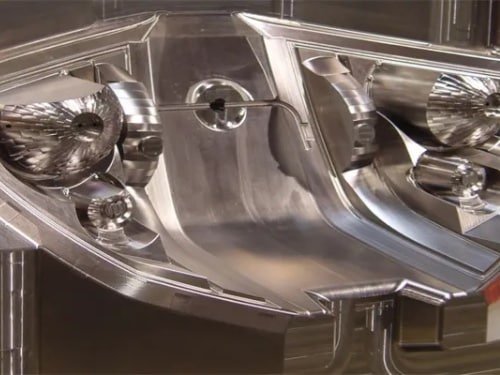
Aluminum is highly valued in electronics due to its thermal conductivity and lightweight nature. CNC machining allows precise manufacturing of housings and enclosures that protect sensitive components while helping with heat dissipation.
Typical parts include electronic enclosures, heat sinks, device frames, and sensor housings.
Industrial and Mechanical Equipment Applications
In industrial equipment and automation systems, aluminum CNC parts are used for structural and functional components that require both durability and manufacturing efficiency. Its machinability makes it suitable for custom fixtures and mechanical assemblies.
Applications include machine frames, fixtures, support structures, and mechanical housings used in production systems.
Conclusion
Choosing the right aluminum alloy for CNC machining is crucial to achieving the desired balance of strength, weight, corrosion resistance, and machinability. While 6061, 7075, and 5052 provide versatile starting points, the final choice should always align with your specific application and design requirements.
At Zhongde, we specialize in precision aluminum CNC machining and can help guide you from material selection to prototyping and full production. Whether your project demands lightweight aerospace components, durable structural parts, or corrosion-resistant industrial pieces, we provide tailored solutions to meet your needs.