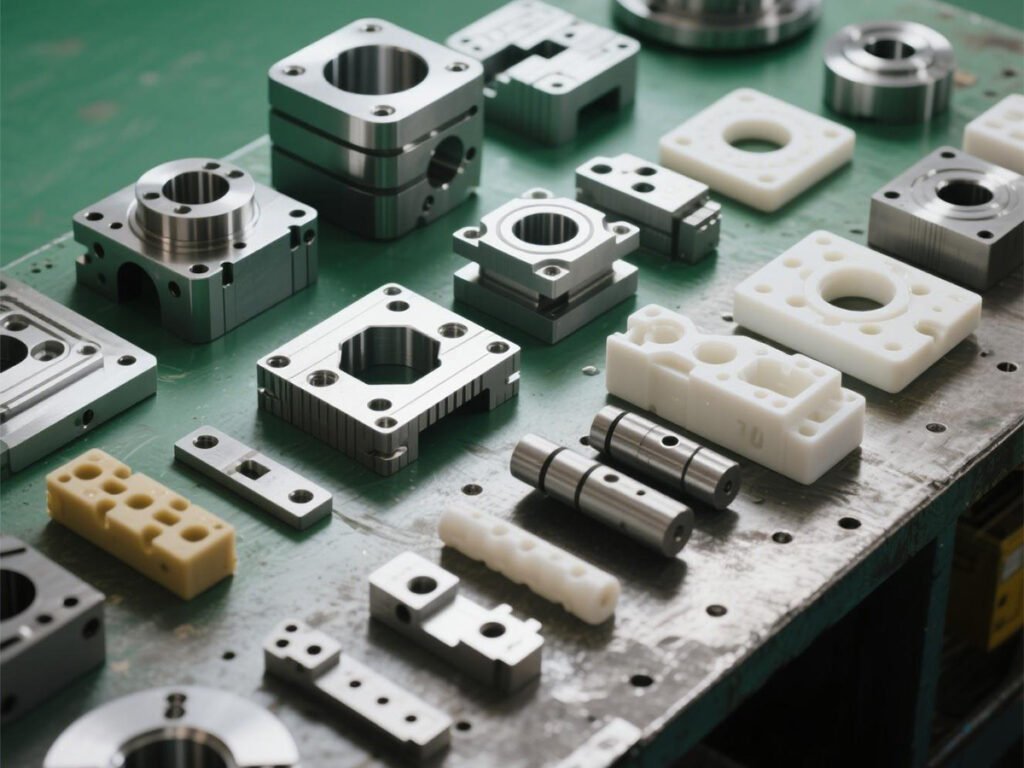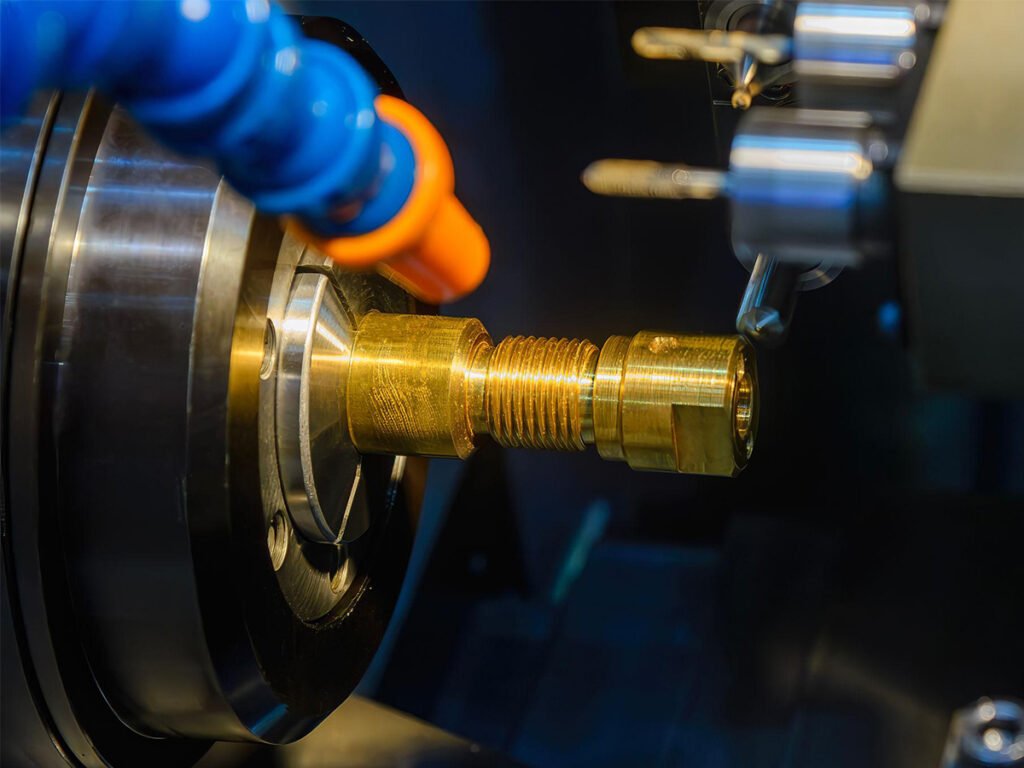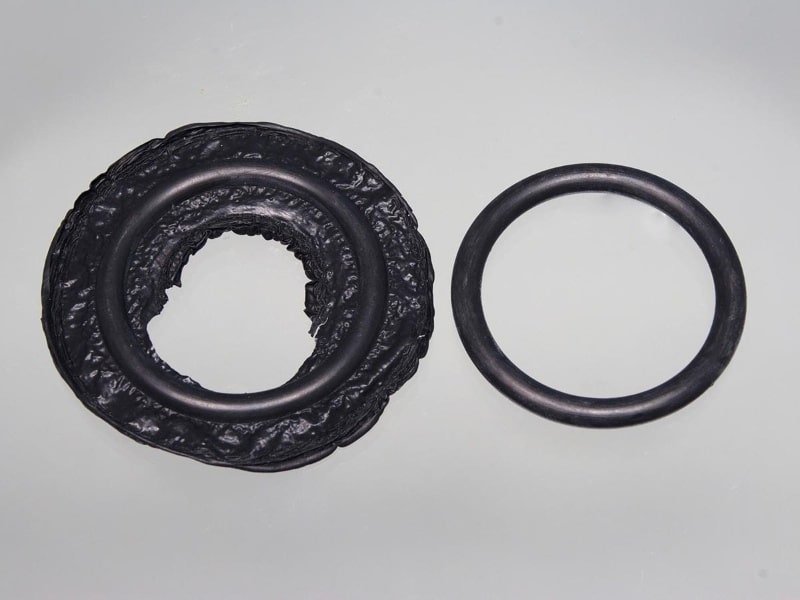
A manufacturing process does not always end when a part is molded or machined. Many plastic and metal parts require secondary operations to improve appearance, add functional features, achieve tighter tolerances, or prepare them for assembly.
In this guide, we will explore common secondary operations for injection molded and CNC machined parts and how to choose the right processes for your application.
What Are Secondary Operations?
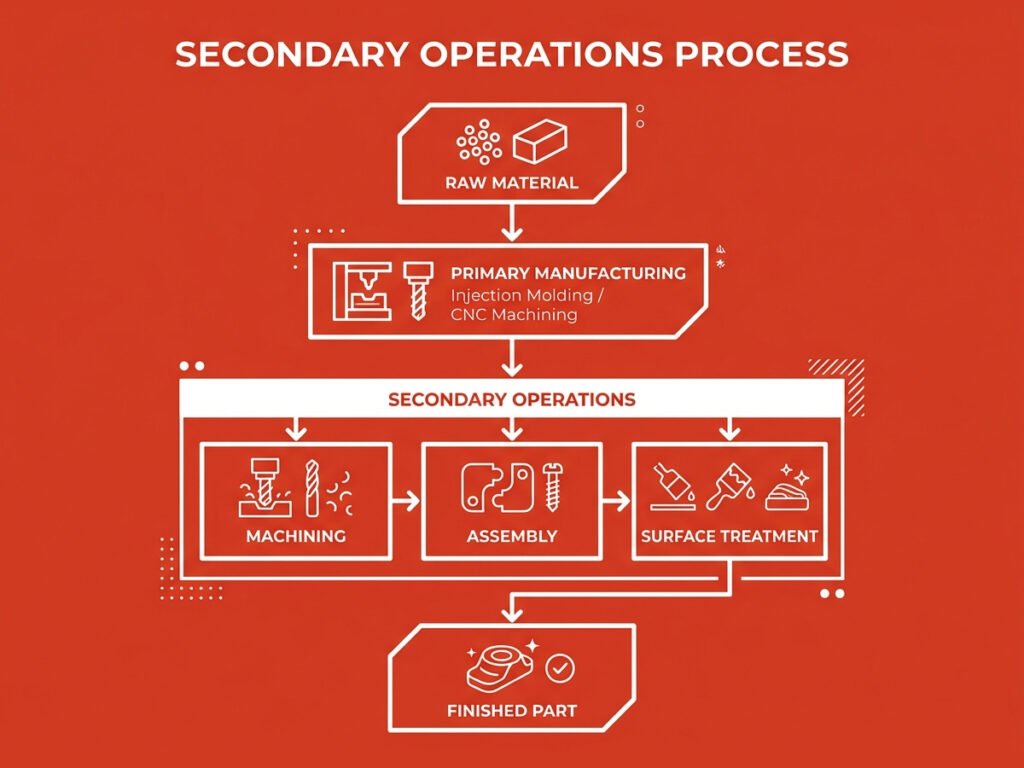
Secondary operations are additional manufacturing processes performed after the primary production stage to modify, improve, or complete a part. While primary processes such as injection molding and CNC machining create the basic shape of a component, secondary operations help achieve specific requirements that cannot always be accomplished during the initial manufacturing process.
Secondary Operations vs. Related Terms
In manufacturing, terms such as secondary operations, post-processing, finishing processes, and surface treatments are sometimes used interchangeably, but they do not always refer to the same things.
- Secondary operations is the broadest term, covering any additional processes performed after the primary manufacturing stage, including machining, assembly, joining, and surface modification.
- Post-processing is often used as a general term for any work performed after manufacturing. It may include secondary operations as well as cleaning, inspection, curing, or other preparation steps.
- Surface treatment refers specifically to processes that modify the surface properties or appearance of a part, such as anodizing, plating, coating, or polishing.
- Finishing processes usually focus on improving the final appearance, texture, or surface quality of a part, such as painting, polishing, and deburring.
When Are Secondary Operations Needed?
Not every part requires secondary operations. However, additional processes are often necessary when a primary manufacturing process cannot fully achieve the required specifications, appearance, or functionality.
Improve Dimensional Accuracy
Some features require tighter tolerances than the primary process can consistently achieve. Additional machining operations, such as drilling, reaming, or grinding, can improve dimensional accuracy and create precise interfaces for assembly.
Add Features After Manufacturing
Certain features may increase mold complexity or are not practical to create during the initial manufacturing stage. Secondary operations allow you to add holes, threads, markings, or other details after the part has been produced.
Enhance Appearance and Surface Performance
Surface finishing processes can improve the look, feel, and durability of parts. Options such as painting, coating, polishing, or anodizing can provide better color, texture, corrosion resistance, or wear resistance.
Prepare Parts for Assembly
Many components need additional processes before they can be integrated into a larger assembly. Bonding, welding, and heat staking are commonly used to join plastic parts or connect components securely.
Secondary Operations for Injection Molded Parts
Injection molding can efficiently produce complex plastic parts, but not every product requirement needs to be integrated into the mold. Adding every feature directly to the tooling may increase mold complexity, tooling cost, and production challenges. Secondary operations provide a more flexible approach to complete assemblies, improve part appearance, and add functional features after molding.
Plastic Part Assembly and Joining
Many plastic products are made from multiple molded components rather than a single integrated part. This approach can simplify mold design and improve production flexibility. After molding, components may need to be connected through processes such as bonding, welding, or other plastic part assembly methods.
Bonding
Bonding uses adhesives or chemical agents to join plastic components together. It is suitable for applications where a permanent connection is needed or where welding is not practical due to material compatibility, part geometry, or appearance requirements.
Ultrasonic Welding
Ultrasonic welding uses high-frequency vibration to create heat at the joint area and fuse thermoplastic parts together. It is a popular choice for high-volume production because it creates consistent joints without adhesives or additional hardware.
This method is commonly used for electronic housings, medical plastic components, and other products requiring clean and reliable assembly.
Heat Staking
Heat staking uses heat and pressure to deform a plastic feature, such as a boss, around another component to create a mechanical connection.
It is particularly useful for attaching metal inserts, circuit boards, or internal components inside plastic housings. Compared with screws or additional fasteners, heat staking can reduce part count and simplify assembly.
Plastic Part Surface Finishing and Decoration
Injection molding can produce finished surfaces directly through mold textures and material selection. However, secondary finishing provides additional flexibility when parts require specific colors, markings, protection, or surface improvements after molding.
Deburring
Even well-designed injection molded parts may have minor imperfections such as flash, sharp edges, or excess material around parting lines and gates. Deburring removes these unwanted features to improve appearance, handling safety, and assembly compatibility.
Depending on part geometry and production volume, deburring can be performed through manual trimming, mechanical methods, or specialized finishing processes. You can find more useful information about deburring in our article What is Deburring.
Painting and Coating
Painting and coating allow plastic parts to achieve appearances and functions that may not be possible through the base material alone. They can add specific colors, textures, or protective properties such as improved scratch resistance, chemical resistance, or UV protection.
Printing
Printing is commonly used to add logos, symbols, instructions, or product information to molded plastic parts. Depending on the application, processes such as pad printing and screen printing can create durable markings on different plastic surfaces.
Laser Engraving
Laser engraving creates permanent markings by modifying the surface of plastic parts. Compared with printed labels, it offers better durability and is often chosen for serial numbers, identification codes, and traceability requirements.
Secondary Operations for CNC Machined Parts
CNC machining already provides excellent dimensional accuracy and design flexibility, making it suitable for producing complex prototypes and low- to medium-volume parts. However, some applications require additional processes beyond machining to achieve tighter specifications, specialized surface properties, or a finished appearance.
Additional Machining Operations
Although CNC machining can create most required features in a single setup, additional machining steps may sometimes be used after the initial process to refine specific areas or achieve more demanding requirements.
Drilling
Drilling is a machining process that uses a rotating drill bit to create round holes in a workpiece. While many holes can be produced during the initial CNC machining process, additional drilling may be needed when a design change occurs, when holes require different specifications, or when secondary features need to be added after the main operation.
Drilling is commonly used to create mounting holes, clearance holes, and other openings required for assembly or functional purposes.
Reaming
Reaming is a finishing operation used to enlarge and refine existing holes after drilling. Unlike drilling, which mainly removes material to create a hole, reaming focuses on improving hole size accuracy and surface finish.
This process is often used for holes that need precise fits with shafts, pins, or other mating components. By achieving tighter hole tolerances, reaming helps improve assembly accuracy and reduce unwanted movement between connected parts.
Threading
Threading is the process of creating spiral grooves on the inside or outside of a part to form threaded connections. Internal threads are typically created through tapping, while external threads can be produced through methods such as thread cutting or turning.
Threaded features allow CNC machined parts to be assembled with screws, bolts, or other fasteners. For more details about CNC threading, visit our blog Understanding CNC Threading for Custom Machined Components.
Grinding
Grinding is a precision machining process that uses an abrasive wheel or tool to remove small amounts of material from a part surface. Compared with conventional CNC machining, grinding can achieve finer surface finishes and tighter dimensional control.
It is commonly used for precision components that require extremely accurate dimensions, smooth surfaces, or specific surface conditions, such as shafts, tooling components, and mechanical parts.
Metal Surface Treatments
Machined metal parts often require additional surface treatments to improve durability, appearance, or resistance to environmental conditions. These processes modify the outer surface of the part without changing its core geometry.
Polishing
Polishing is a finishing process that removes minor surface imperfections and machining marks to create a smoother surface. By reducing surface roughness, polishing can improve the appearance of metal parts and make them easier to clean or maintain.
It is commonly used for components where aesthetics, low friction, or smooth contact surfaces are important, such as decorative parts, mechanical components, and precision assemblies.
Anodizing
Anodizing is an electrochemical surface treatment commonly used for aluminum CNC parts. During the process, a controlled oxide layer is formed on the aluminum surface, improving corrosion resistance and surface durability.
In addition to functional benefits, anodizing allows aluminum parts to achieve different colors and finishes without adding a separate coating layer. It is widely used for aerospace components, electronic housings, consumer products, and other aluminum parts requiring both appearance and protection.
Plating
Plating applies a thin layer of another material onto a metal surface through chemical or electrochemical processes. Depending on the plating material, it can improve corrosion resistance, wear resistance, electrical conductivity, or appearance.
Common plating options include nickel plating, chrome plating, and other metal coatings selected according to the application requirements. Plating is often used for components exposed to harsh environments or parts that require specific surface performance.
How to Choose the Right Secondary Operations for Your Parts?
Choosing the right secondary operations depends on more than the desired appearance of a part. The most suitable process should match the material, functional requirements, production volume, and overall manufacturing goals.
By considering the following factors early in the design stage, you can avoid unnecessary processing steps while achieving the required performance and quality.
Consider the Part Material
Different materials respond differently to secondary processes. A treatment that works well for aluminum may not be suitable for plastic parts, and some joining or finishing methods depend heavily on material compatibility.
For example, anodizing is commonly used for aluminum CNC parts, while ultrasonic welding is mainly applied to thermoplastic components. Choosing a process that matches the material helps ensure reliable performance and long-term durability.
Evaluate Appearance and Surface Requirements
Some applications require more than just functional performance. When appearance, branding, or product identification is important, processes such as painting, coating, printing, or laser engraving can provide additional customization options.
Balance Production Volume and Cost
Production volume can significantly influence the most economical secondary operation.
For high-volume production, automated processes such as ultrasonic welding may provide faster cycle times and consistent results. For low-volume or customized parts, flexible methods such as CNC machining or manual finishing may be more practical.
Work With a Manufacturing Partner Early
Secondary operations often affect part design, material selection, and production planning. Discussing these requirements before production can help identify the most suitable processes and avoid design changes later.
An experienced manufacturing partner can provide guidance on process selection, compatibility, and cost considerations to help achieve the desired balance between performance and budget.
Conclusion
Choosing the right secondary operations is not just about adding more processes to a part. The goal is to find the most practical way to achieve the required function, appearance, and performance while keeping production efficient.
If you have taken the time to explore these options, you are already thinking beyond simply producing a part and focusing on creating a component that works reliably in its final application. At Zhongde, we provide custom injection molding and CNC machining service with flexible secondary operation options to help turn your designs into finished components.