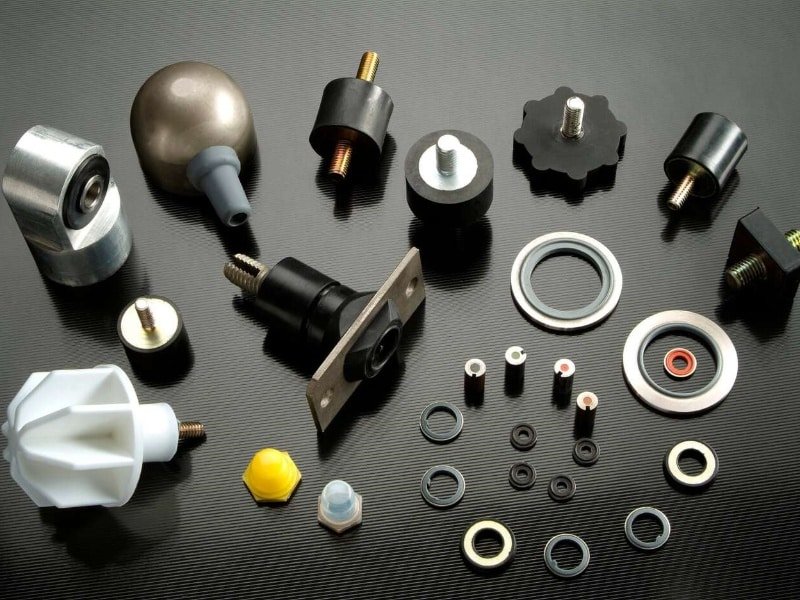
Overmolding rubber is a specialized process used to bond rubber materials onto rigid substrates such as plastic or metal, forming a single integrated component. It is widely applied in products that require sealing, vibration damping, or improved grip, where both flexibility and structural support are needed.
Compared with standard plastic overmolding, rubber bonding involves greater challenges in adhesion and process control due to differences in material properties such as elasticity, surface energy, and curing behavior.
If you would like a broader overview of the general process, you can refer to All You Need to Know About Overmolding. This article focuses specifically on rubber overmolding, including bonding processes, material selection, design considerations, and typical applications.
Rubber Overmolding Processes
Rubber overmolding can be achieved using different molding processes depending on material type, product geometry, and production requirements. The most commonly used methods include injection molding, compression molding, and transfer molding.
Injection Molding
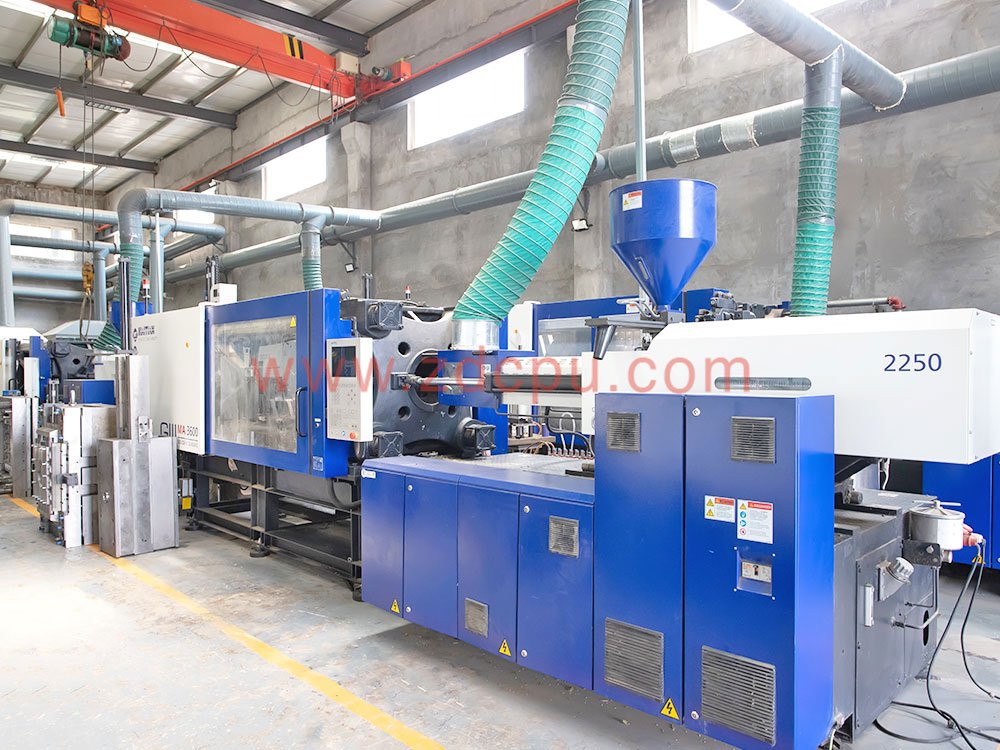
Injection molding is the most widely used method for rubber overmolding. In this process, rubber material is heated and injected into a mold cavity containing the pre-formed substrate. It offers high efficiency, good dimensional consistency, and is suitable for mass production.

Transfer Molding
Transfer molding uses a chamber to preheat and transfer rubber material into the mold cavity. It provides better control over flow and is suitable for complex inserts or applications requiring more precise bonding around the substrate.
Material Selection for Rubber Overmolding
Material selection is critical for achieving reliable bonding and performance.
Substrate Materials
Common substrates include plastics such as ABS, PC, and nylon, as well as metals like aluminum and steel. The choice depends on structural requirements and compatibility with rubber.
Rubber Materials
Different types of rubber are used depending on application conditions:
- EPDM – good weather and ozone resistance, suitable for outdoor sealing
- NBR (Nitrile Rubber) – excellent oil resistance, used in automotive and industrial seals
- Silicone rubber – high temperature resistance and flexibility, used in medical and food-related applications
- Natural rubber (NR) – high elasticity, used in vibration damping applications
Material compatibility and bonding method (chemical vs mechanical) should be considered together.
Benefits of Rubber Overmolding
Functional Performance Improvements
Rubber overmolding enhances sealing and protection by forming a continuous elastic layer over rigid substrates, helping prevent dust, moisture, and environmental contamination from entering the assembly.
It also improves vibration and shock absorption due to the elastic properties of rubber, making it suitable for automotive, industrial, and electronic applications where mechanical stress is present.
User Experience and Product Integration
Rubber surfaces improve grip and ergonomics, reducing slippage in tools, handheld devices, and consumer products that require frequent manual operation.
In addition, overmolding enables the integration of multiple functions into a single part, reducing the need for secondary assembly processes and improving overall manufacturing efficiency.
Durability Enhancement
Rubber layers help protect the substrate from wear, abrasion, and chemical exposure, which extends the service life of the component.
Design Factors for Rubber Bonding
Successful rubber overmolding depends heavily on design decisions that directly affect bonding strength, dimensional stability, and manufacturability. The following factors should be considered during the design stage.
Bonding Surface Design
The design of the bonding interface plays a key role in adhesion performance. Flat and smooth surfaces provide limited mechanical locking, especially when material compatibility is not strong. Adding features such as grooves, ribs, holes, or textured surfaces can significantly improve mechanical interlocking between rubber and the substrate.
Bonding Area Size
A larger contact area between rubber and substrate generally improves bonding strength and load distribution. Very narrow or small bonding zones may increase the risk of delamination, especially in applications involving repeated stress or vibration.
Interface Geometry Transition
Sharp corners at the bonding interface should be avoided. They can create stress concentration points, which may lead to cracking or separation over time. Smooth transitions and rounded edges help distribute stress more evenly and improve long-term reliability.
Rubber Thickness Control
Uniform rubber thickness is important for stable molding and consistent performance. Uneven thickness may result in different cooling or curing rates, which can cause internal stress, warping, or inconsistent bonding strength.
Parting Line and Mold Accessibility
The parting line should be designed to avoid critical bonding areas whenever possible. Poorly positioned parting lines may create weak points or affect rubber flow during molding. The design should also ensure that the mold can fully access all intended overmolding areas.
Venting and Material Flow Consideration
Proper venting is necessary to avoid air traps during rubber injection. Poor venting can lead to voids, incomplete filling, or weak bonding regions. The design should allow smooth and controlled material flow across the bonding surface.
Applications of Rubber Overmolding
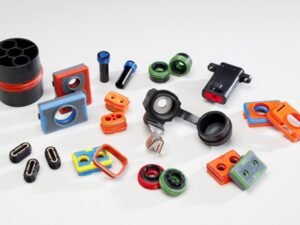
Rubber overmolding is widely used across multiple industries where a combination of flexibility, sealing performance, and durability is required. It allows rigid components to gain additional functional properties through a rubber layer.
Automotive Industry
In automotive applications, rubber overmolding is commonly used for components that require vibration damping, sealing, or improved grip. Typical parts include engine mounts, bushings, door seals, cable grommets, and interior control components. Rubber helps reduce noise, absorb vibration, and improve long-term durability under heat and mechanical stress.
Electrical and Electronics Industry
Rubber overmolding is widely applied in electrical and electronic components to provide insulation, sealing, and protection against environmental exposure. Common applications include connectors, cable overmolds, waterproof housings, and protective seals for sensors and devices. The rubber layer helps prevent moisture and dust ingress while improving safety and reliability.
Industrial Equipment
In industrial settings, rubber overmolding is used for components exposed to heavy wear, impact, or continuous operation. Examples include rollers, shock absorbers, protective covers, and machine handles. These components benefit from improved abrasion resistance and reduced mechanical vibration.
Consumer Products
Rubber overmolding is commonly found in consumer goods where ergonomics and user comfort are important. Typical applications include tool handles, kitchen utensils, wearable device straps, and handheld electronic products. The rubber layer improves grip, reduces slippage, and enhances overall user experience.
Medical and Healthcare Devices
In medical applications, rubber overmolding is used for components that require softness, flexibility, and biocompatibility. Examples include syringe grips, medical device housings, seals, and control interfaces. Silicone and specialized TPE materials are often used to meet safety and hygiene requirements.
Power Tools and Equipment
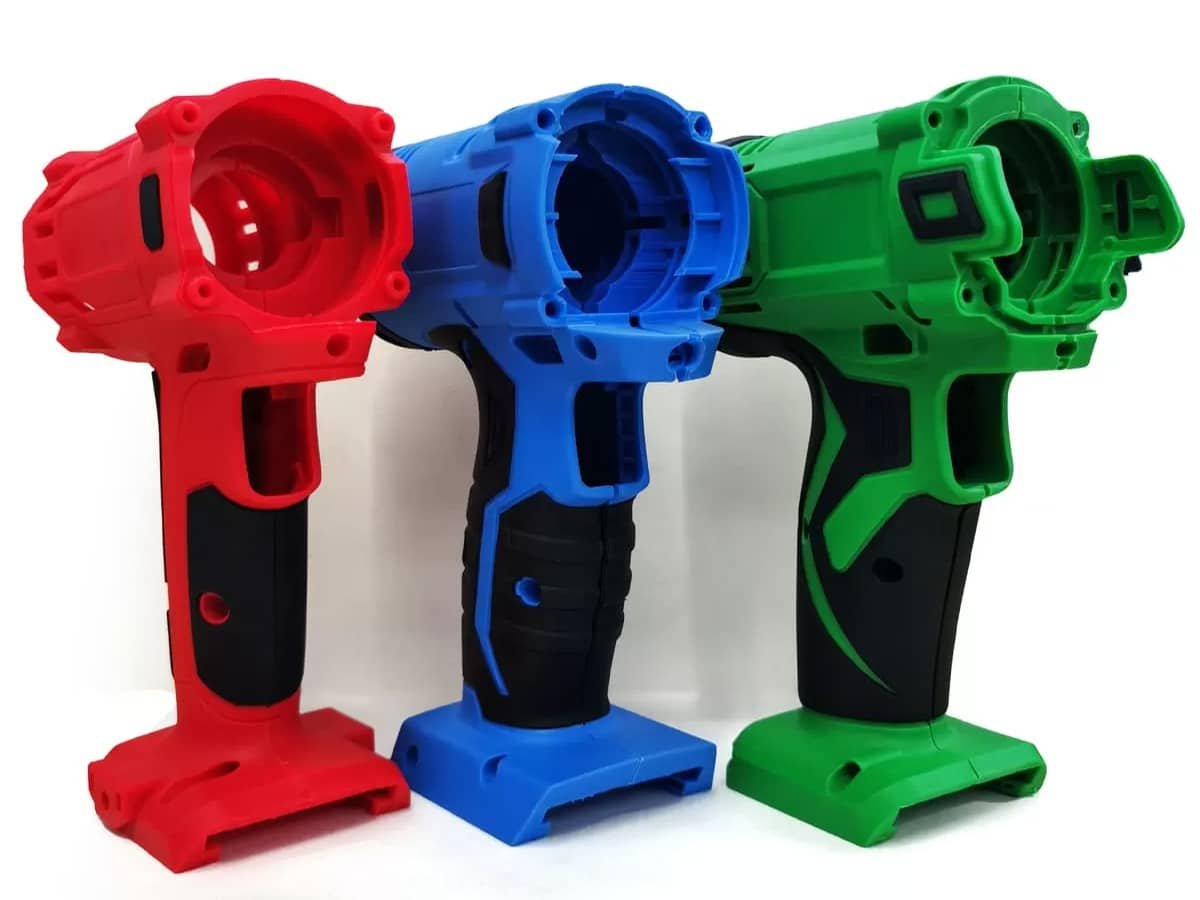
Rubber overmolding is widely used in power tools to improve grip comfort and reduce vibration during operation. Applications include drill handles, saw grips, and control interfaces. The rubber layer helps reduce operator fatigue and improves handling safety.
Conclusion
Rubber overmolding plays an important role in improving product functionality by combining the structural strength of rigid materials with the flexibility and performance of rubber. Its value is not only in adding surface features, but in enabling more integrated and reliable product designs across different industries.
If you are developing a rubber overmolded component, you can contact Zhongde for technical evaluation and manufacturing support.