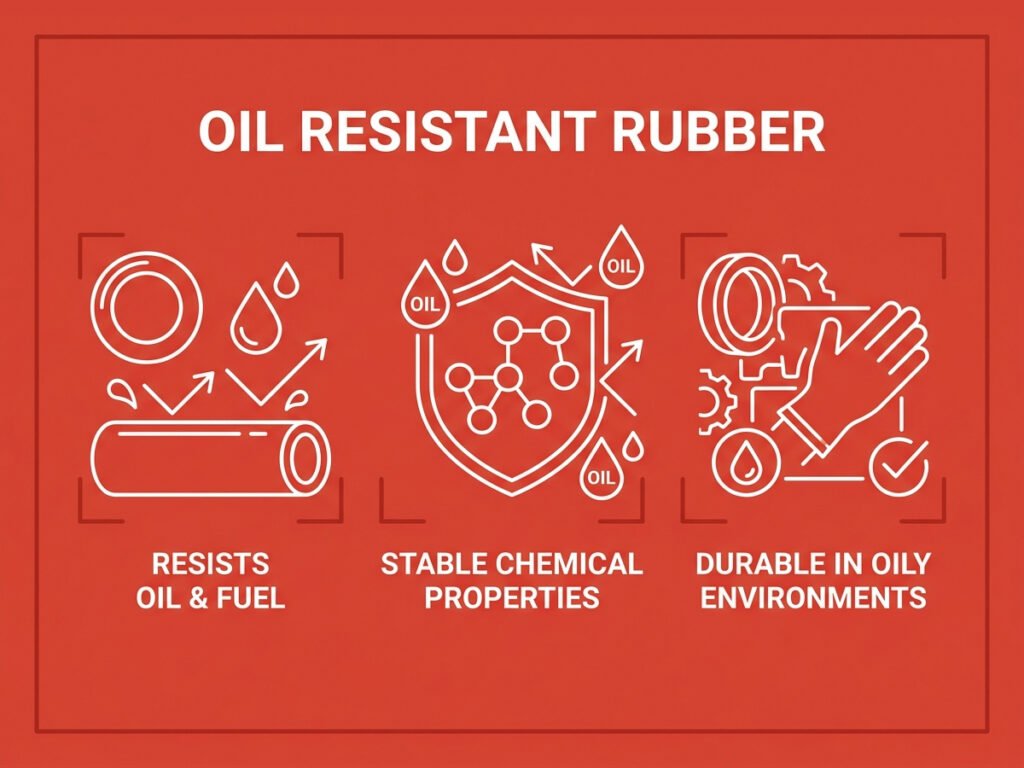
Rubber parts are often used in environments where they come into contact with oils, fuels, lubricants, or hydraulic fluids. However, not all rubber materials can maintain their performance when exposed to oil. Some may swell, soften, crack, or lose their sealing ability over time, leading to equipment failure or reduced service life.
Oil resistant rubber is designed to maintain its physical properties in oily environments. In this guide, we will explain what oil resistant rubber is, compare common rubber materials, explore their applications, and discuss how to choose the right option.
What Is Oil Resistant Rubber?
Oil resistant rubber refers to rubber compounds that can withstand exposure to oils, fuels, and lubricants without significant changes in their physical properties. The key difference between oil resistant and non-resistant rubber lies in how their molecular structures interact with oil.
When rubber comes into contact with oil, the fluid can penetrate the polymer network and cause the material to swell, soften, lose strength, or change hardness. Oil resistant rubber uses specific polymer structures that limit oil absorption and help maintain elasticity, sealing performance, and mechanical strength over time.
However, oil resistance does not mean a rubber material can resist all types of oils under all conditions. Different rubber compounds perform differently depending on the oil type, temperature, exposure time, and working environment.
Levels of Oil Resistance in Common Rubber Materials
Not all oil resistant rubber materials provide the same level of protection. Different types of rubber materials have different polymer structures and formulations, which directly affect their resistance to oils, chemicals, and temperature changes.
Excellent Oil Resistance: FKM and HNBR
FKM (Fluoroelastomer) and HNBR (Hydrogenated Nitrile Rubber) are among the highest-performing oil resistant rubber materials.
FKM contains a high amount of fluorine in its polymer structure. Fluorine atoms create strong chemical bonds and reduce the material’s ability to absorb oils and fuels, making FKM highly resistant to aggressive fluids and high temperatures.
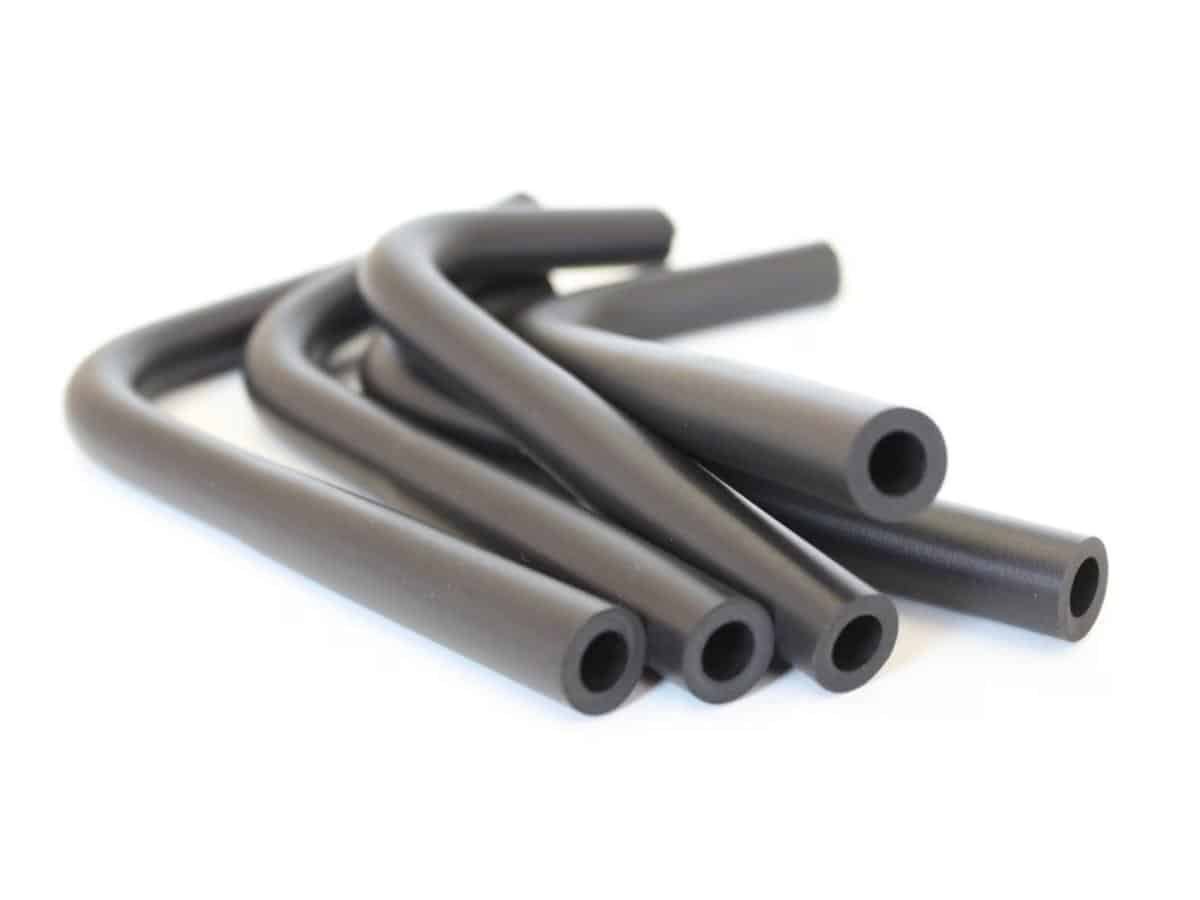
HNBR is produced by adding hydrogen to NBR, which improves its resistance to heat, oxidation, and chemical exposure while maintaining good oil resistance. It is often selected when applications require both durability and resistance to petroleum-based fluids.
Good Oil Resistance: NBR
Nitrile Rubber (NBR) is one of the most widely used oil resistant rubbers. Its resistance comes from the acrylonitrile content in its polymer structure. Generally, higher acrylonitrile content improves oil resistance because it reduces oil absorption, but it may also make the rubber less flexible at low temperatures.
NBR provides a practical balance between oil resistance, mechanical strength, and cost, making it a common choice for seals, gaskets, and hoses exposed to petroleum-based oils.
Moderate Oil Resistance: Neoprene (CR)
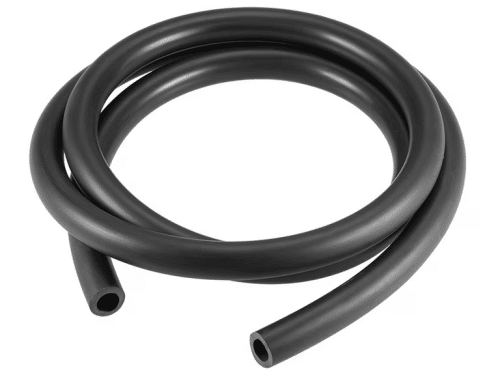
Neoprene Rubber (CR) provides moderate resistance to oils, fuels, and chemicals. Its balanced molecular structure allows it to perform well in environments requiring a combination of oil resistance, weather resistance, and durability.
However, compared with NBR or FKM, neoprene generally has higher oil absorption and is not the first choice for continuous exposure to aggressive oils.
Poor Oil Resistance: EPDM and Natural Rubber
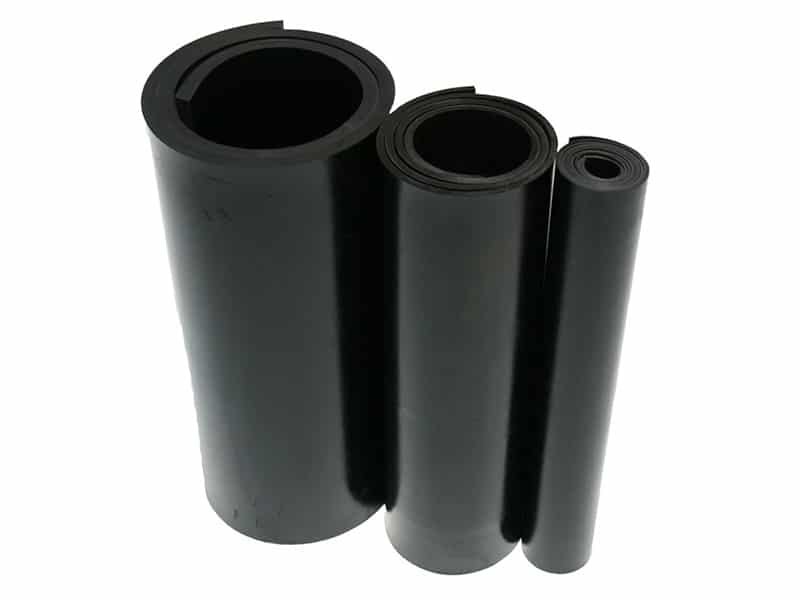
EPDM (Ethylene Propylene Diene Monomer) has excellent resistance to water, steam, weathering, and ozone, but it performs poorly when exposed to mineral oils and fuels. Its non-polar molecular structure allows oil molecules to penetrate more easily, causing swelling and reduced mechanical performance.
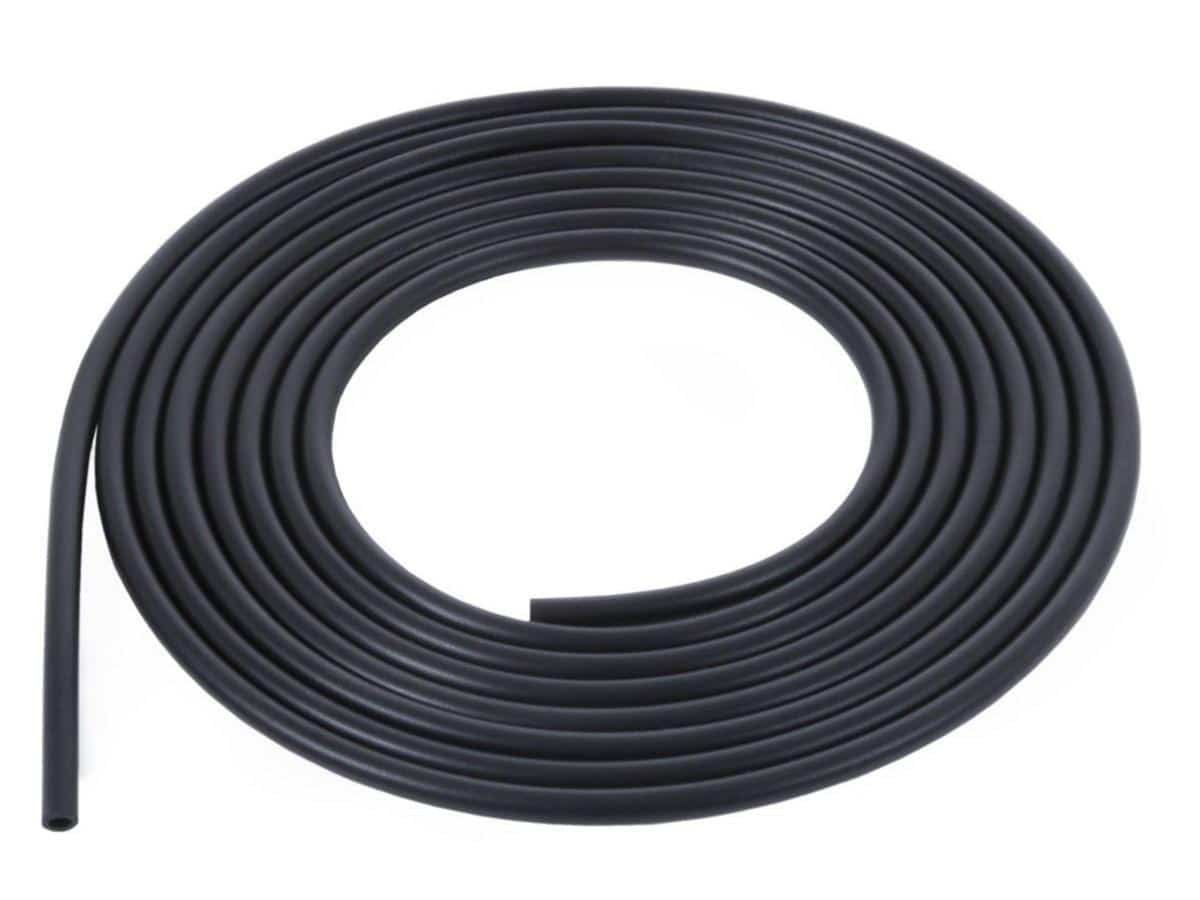
Natural rubber provides excellent elasticity and wear resistance, but it has limited resistance to oils and petroleum-based fluids. It is generally not recommended for applications involving continuous oil exposure.
Applications of Oil Resistant Rubber
Oil resistant rubber is widely used in components that need to maintain sealing, flexibility, and durability while being exposed to oils, fuels, or lubricants. These applications usually involve fluid control, moving parts, or equipment operating under harsh conditions.
Automotive Components
Automotive rubber components are exposed to various fluids, including fuel, engine oil, transmission fluid, and grease. These parts often operate under changing temperatures and vibrations, so the rubber must maintain flexibility while preventing leakage over long periods.
Common applications include fuel seals, O-rings, valve seals, gaskets, and hoses. NBR is widely used for general automotive oil resistance, while FKM is selected for higher-temperature or more demanding conditions.
Hydraulic Equipment
Hydraulic systems use oil-based fluids to transfer power, which means rubber components must withstand continuous contact with hydraulic oil while maintaining precise dimensions.
In hydraulic cylinders, pumps, and valves, even slight swelling or hardness changes can reduce sealing performance. Oil resistant rubber is commonly used for piston seals, rod seals, valve seals, and hydraulic gaskets where pressure stability is critical.
Oil and Gas Industry
Oil and gas equipment may encounter fuels, crude oil, solvents, and other chemical fluids. Rubber parts in these environments require not only oil resistance but also strong chemical stability and durability.
FKM and other high-performance elastomers are often used for seals, gaskets, and connectors that need to perform reliably during long-term exposure to harsh fluids.
Industrial Machinery
Industrial machines often depend on lubricants to reduce friction between moving parts. However, oil contamination or leakage can affect machine accuracy, shorten component life, and interrupt production.
Oil resistant rubber parts such as gaskets, O-rings, and protective covers help contain lubricants and protect equipment during continuous operation.
How to Choose the Right Oil Resistant Rubber?
Choosing the right oil resistant rubber is not simply about selecting the material with the highest oil resistance. The best choice depends on the specific working environment, operating conditions, and performance requirements of the rubber part.
Identify the Type of Oil or Fluid
Different oils and fluids interact with rubber materials differently. A rubber compound that performs well with mineral oil may not provide the same performance when exposed to fuels, synthetic oils, or chemical fluids.
Before selecting a material, consider what the rubber part will contact during operation, such as:
- Petroleum-based oils
- Hydraulic fluids
- Fuels
- Lubricants
- Chemical mixtures
This information helps narrow down suitable rubber materials. For example, NBR is commonly used with petroleum-based oils, while FKM is often chosen for more aggressive fluids.
Consider Operating Temperature
Temperature can significantly affect rubber performance. High temperatures can accelerate oil penetration, aging, and loss of elasticity, while low temperatures may make some rubber compounds harder and less flexible.
If the application involves elevated temperatures, materials such as FKM or HNBR may provide better long-term stability than standard oil resistant rubbers.
Evaluate Mechanical Requirements
Oil resistance is only one part of rubber performance. The material must also withstand the mechanical conditions of the application, including:
- Compression and sealing force
- Repeated movement
- Abrasion
- Pressure changes
- Tensile stress
For example, a rubber seal in a hydraulic system may require better compression set resistance, while a flexible hose may prioritize elasticity and fatigue resistance.
Balance Performance and Cost
Higher oil resistance does not always mean the best choice. Premium materials such as FKM provide excellent chemical and temperature resistance but are usually more expensive than NBR.
For many applications, a properly selected material that meets the actual working conditions can provide better value than choosing the highest-performance option available.
Consider the Manufacturing Process and Part Design
The final performance of an oil resistant rubber part also depends on its design and manufacturing process. Factors such as part geometry, thickness, tolerances, and molding method can affect sealing reliability and durability.
Working with an experienced rubber parts supplier can help ensure the selected material and production process match the application’s requirements.
Conclusion
Choosing the right oil resistant rubber requires balancing oil exposure, temperature, mechanical requirements, and service conditions. Understanding the differences between each rubber material can help you select a solution that delivers reliable performance and longer service life.
At Zhongde, we help customers choose suitable rubber materials and produce custom rubber parts based on their application needs. Contact us to discuss your project requirements.