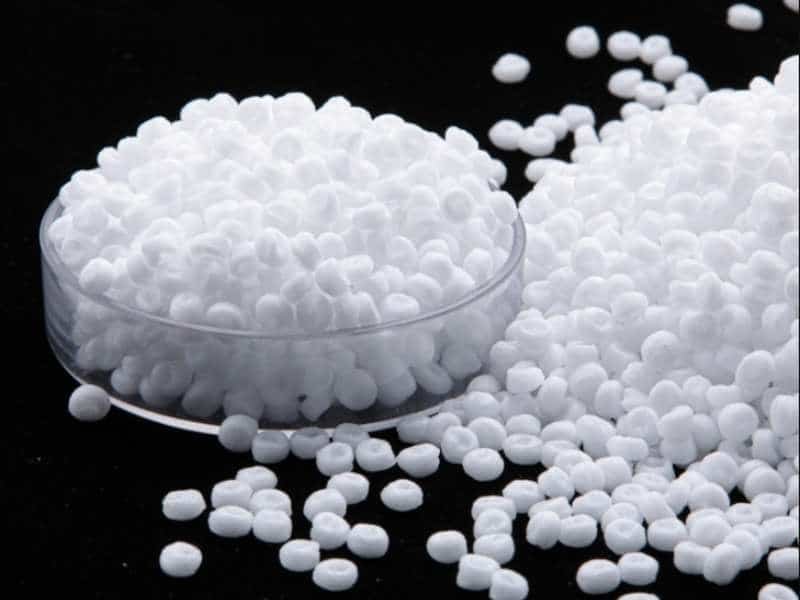
Developing plastic parts requires more than just an injection molding machine. Companies must also consider tooling investment, material selection, production expertise, quality control, and manufacturing capacity. For businesses that need reliable molded components without building a complete in-house operation, contract injection molding provides a practical path to professional production support.
This guide explores how contract injection molding works, its key benefits, the responsibilities of both parties, and how to choose the right manufacturing partner for your project.
What Is Contract Injection Molding?
Contract injection molding is a manufacturing agreement where a company partners with an injection molding supplier to produce plastic parts according to specified requirements. Instead of managing production internally, the customer relies on the manufacturer’s equipment, expertise, and production capabilities to manufacture components at an agreed cost and volume.
Depending on the project arrangement, responsibilities can be divided in different ways. In some cases, customers provide their own molds while the injection molding company focuses on production, process control, and mold maintenance. In other cases, the manufacturer provides a complete solution that includes mold design, tooling, material sourcing, molding, and quality inspection.
If you are not familiar with injection molding itself, you can learn more in our article on Injection Molding Explained.
How Does Contract Injection Molding Work?
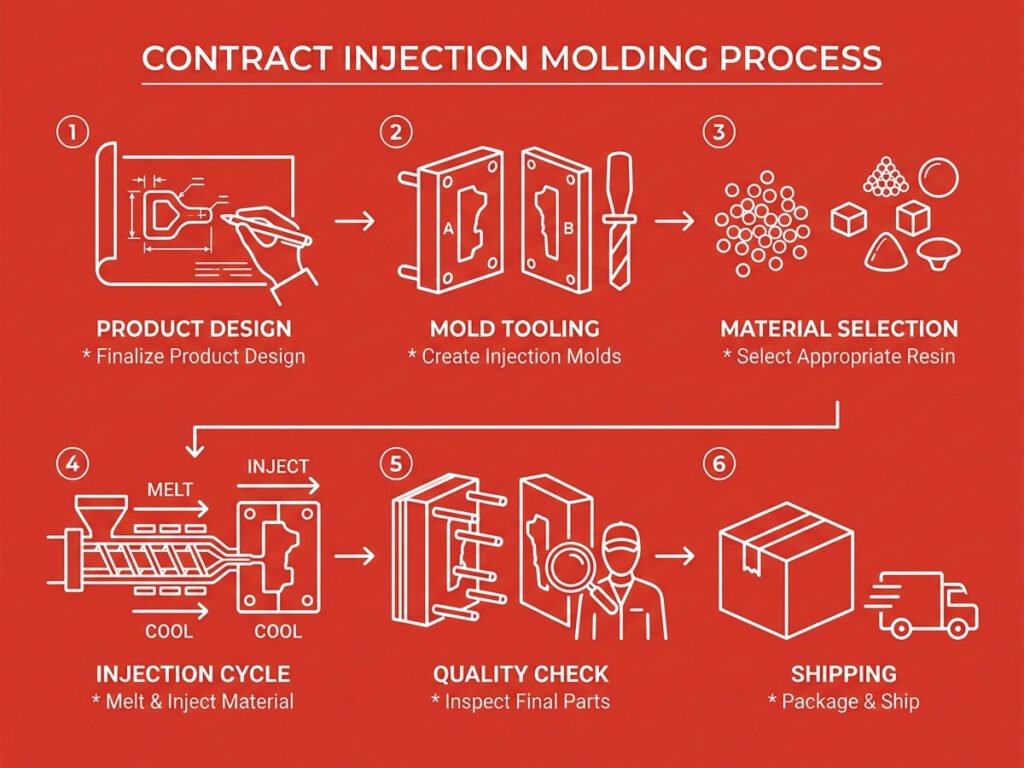
The contract injection molding process involves close cooperation between the customer and the molding supplier, from initial project review to final production. While the exact workflow may vary depending on tooling ownership and project requirements, most contract injection molding projects follow several key stages.
Project Requirements Review
The process begins when the customer provides product information, including CAD files, technical drawings, material requirements, expected quantities, and performance specifications. The injection molding supplier reviews these requirements to understand the production goals and identify potential manufacturing challenges.
At this stage, both parties typically discuss key factors such as part complexity, production volume, tooling approach, lead time, and quality expectations.
Design Review and DFM Analysis
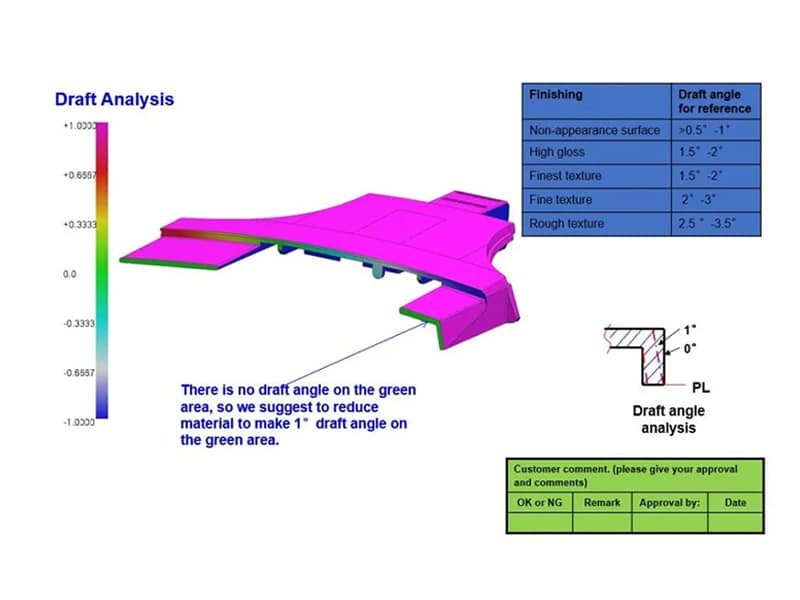
Before production begins, the manufacturer evaluates whether the part design is suitable for injection molding. This design for manufacturability (DFM) review focuses on factors such as wall thickness, draft angles, parting lines, gate locations, and potential molding defects.
If improvements are needed, the supplier may recommend design adjustments to improve moldability, reduce production risks, and optimize overall cost.
Mold Preparation and Validation
Once the design is approved, the mold is prepared according to the agreed arrangement. If the customer owns the tooling, the manufacturer will inspect and install the provided mold. If the supplier manages tooling, the company will handle mold design, manufacturing, and validation.
After the mold is ready, trial runs are performed to verify filling performance, part dimensions, appearance, and overall process stability. Any necessary adjustments are made before full production.
Injection Molding Production
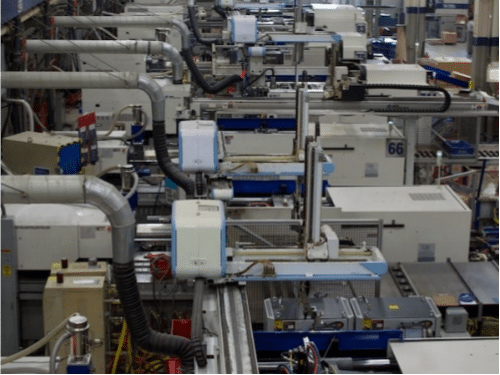
After the mold and process parameters are approved, the supplier begins mass production. This stage includes material preparation, machine setup, injection molding, part inspection, and process monitoring.
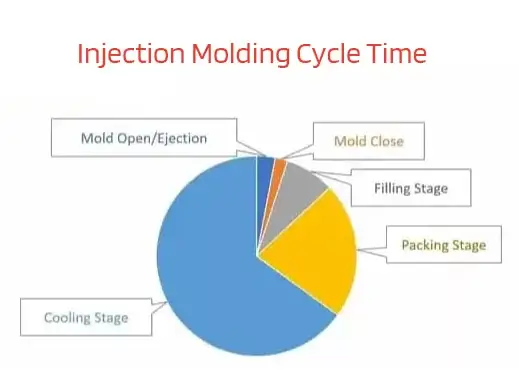
Experienced manufacturers continuously control key variables such as injection pressure, temperature, cooling time, and cycle consistency to maintain stable part quality throughout production.
Quality Control and Delivery
Before shipment, molded parts are inspected according to the agreed quality requirements. Depending on the application, inspection may include dimensional measurement, visual inspection, functional testing, or additional verification procedures.
After approval, finished parts are packaged and delivered according to the customer’s schedule. For long-term projects, the supplier may also provide ongoing production support, mold maintenance, and process improvements.
Responsibilities of Both Parties in Contract Injection Molding
A successful injection molding contract manufacturing project depends on clear communication and well-defined responsibilities between the customer and the manufacturing partner. Although the exact division of tasks varies by agreement, both sides typically play an active role in ensuring the project meets requirements for quality, cost, and delivery.
Customer Responsibilities
The customer is responsible for providing accurate product requirements and making key decisions related to the final application of the part. This typically includes supplying design files, technical drawings, material requirements, performance expectations, and production forecasts.
Customers are also responsible for reviewing and approving important project milestones, such as design changes, mold trials, and sample parts. Timely feedback during these stages helps prevent delays and ensures that the final product meets functional and commercial requirements.
When customers provide their own molds, they are usually responsible for mold ownership, specifications, and ensuring that the tooling meets production requirements. If the contract includes supplier-managed tooling, the customer should still define expectations regarding mold quality, ownership terms, and maintenance responsibilities.
Contract Manufacturer Responsibilities
The contract injection molding supplier is responsible for transforming the customer’s requirements into consistent production results. Depending on the agreement, this may include DFM analysis, mold evaluation, tooling support, material preparation, injection molding, quality inspection, and packaging.
During production, the manufacturer must maintain stable process conditions and ensure that molded parts meet the agreed specifications. This includes monitoring critical parameters, performing inspections, and addressing production issues when they occur.
A capable supplier should also provide technical feedback when design changes, material adjustments, or process improvements can help improve manufacturability or reduce production risks.