Types of CNC Machining Processes
Now that we’ve introduced the concept of CNC machining, it’s time to explore the different processes that bring raw material to life. Each type of CNC operation has its own method, advantages, and applications—understanding them helps you visualize how complex parts are crafted with precision and consistency.
CNC Milling
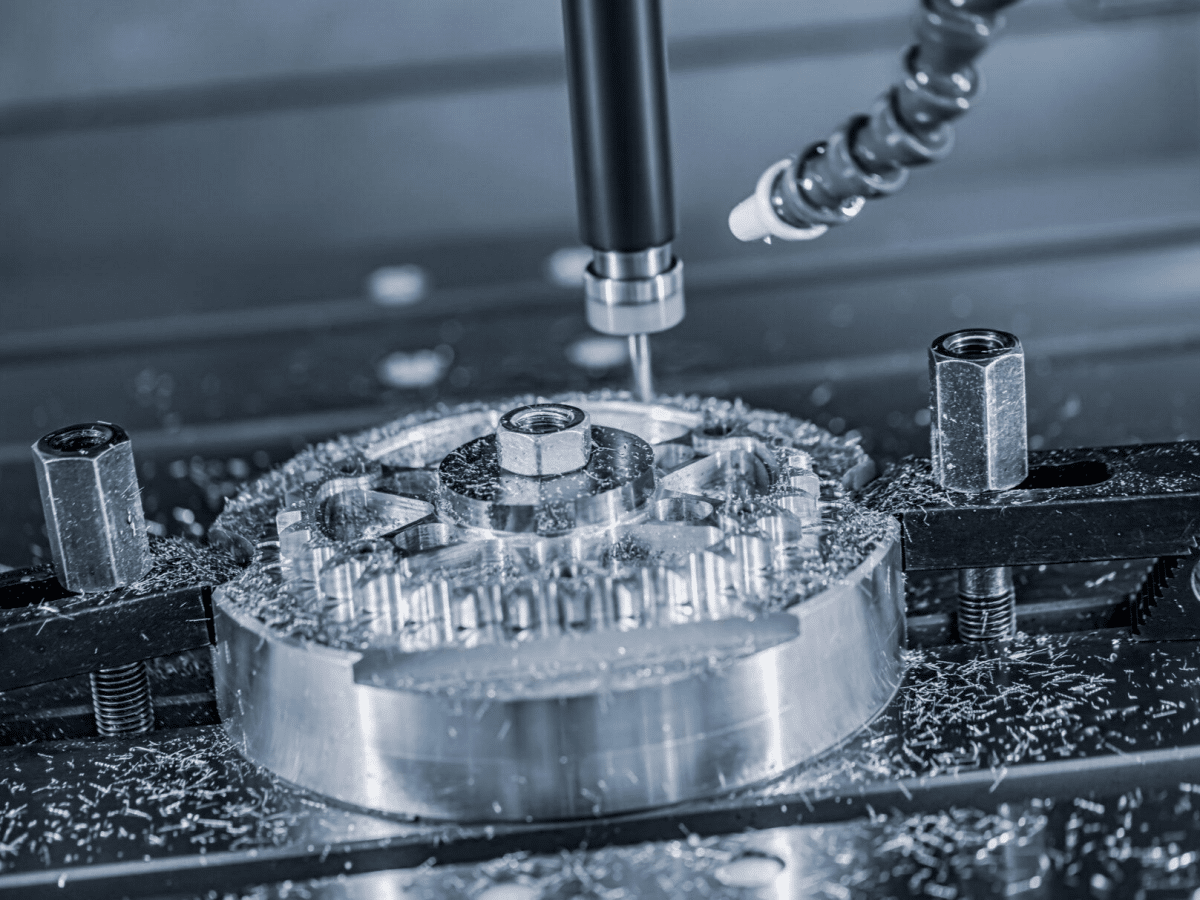
Picture a solid metal block secured on a machine bed. A spinning cutting tool moves over it like a tiny robotic sculptor, gradually removing material to form pockets, slots, and contours. On multi-axis machines, both the tool and the block can rotate and tilt, allowing the cutter to reach complex 3D shapes without repositioning the workpiece.
As the tool slices away layers of material, you can imagine the part slowly emerging from the solid block, smooth edges forming where rough surfaces once were.
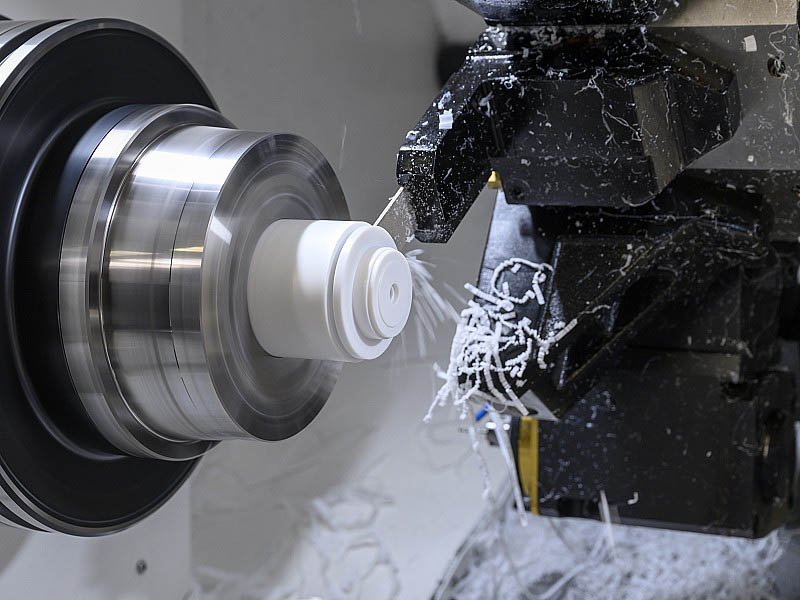
CNC Turning
Imagine a cylindrical rod clamped in a rotating chuck. As it spins, a stationary cutting tool slides along its surface, shaving off material with precise depth and speed. Threaded shafts, tapered rods, and smooth cylindrical surfaces are gradually shaped in a controlled, continuous motion, with the machine following exact coordinates from the program. It’s like spinning clay on a potter’s wheel, but the cuts are perfectly measured and repeatable.
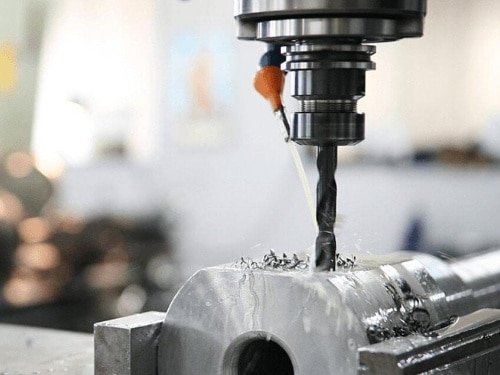
CNC Drilling
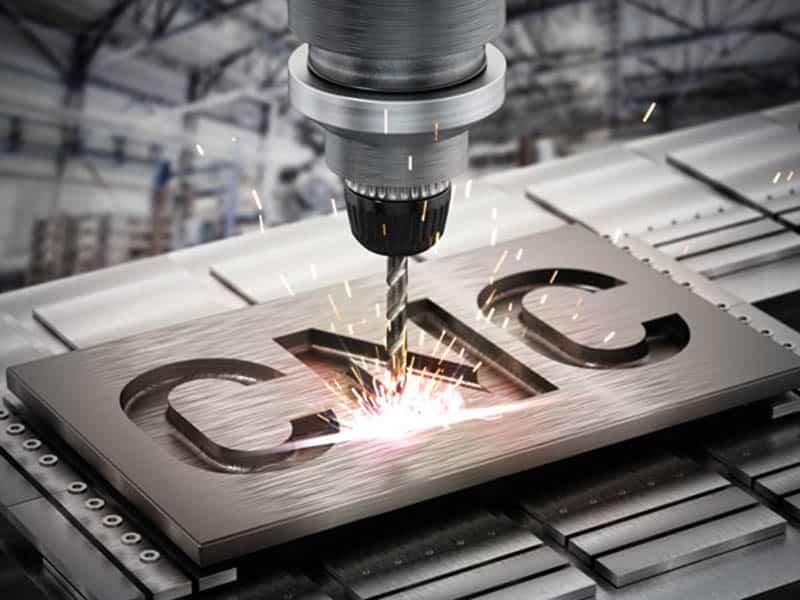
Envision a flat or shaped workpiece mounted under a drill head. The drill bit moves vertically down, penetrating the material at precisely calculated points. For multiple holes, the machine moves from point to point automatically, drilling each to the correct depth and diameter. The process is so precise that even a series of tiny holes across a metal plate come out perfectly aligned without manual adjustment.
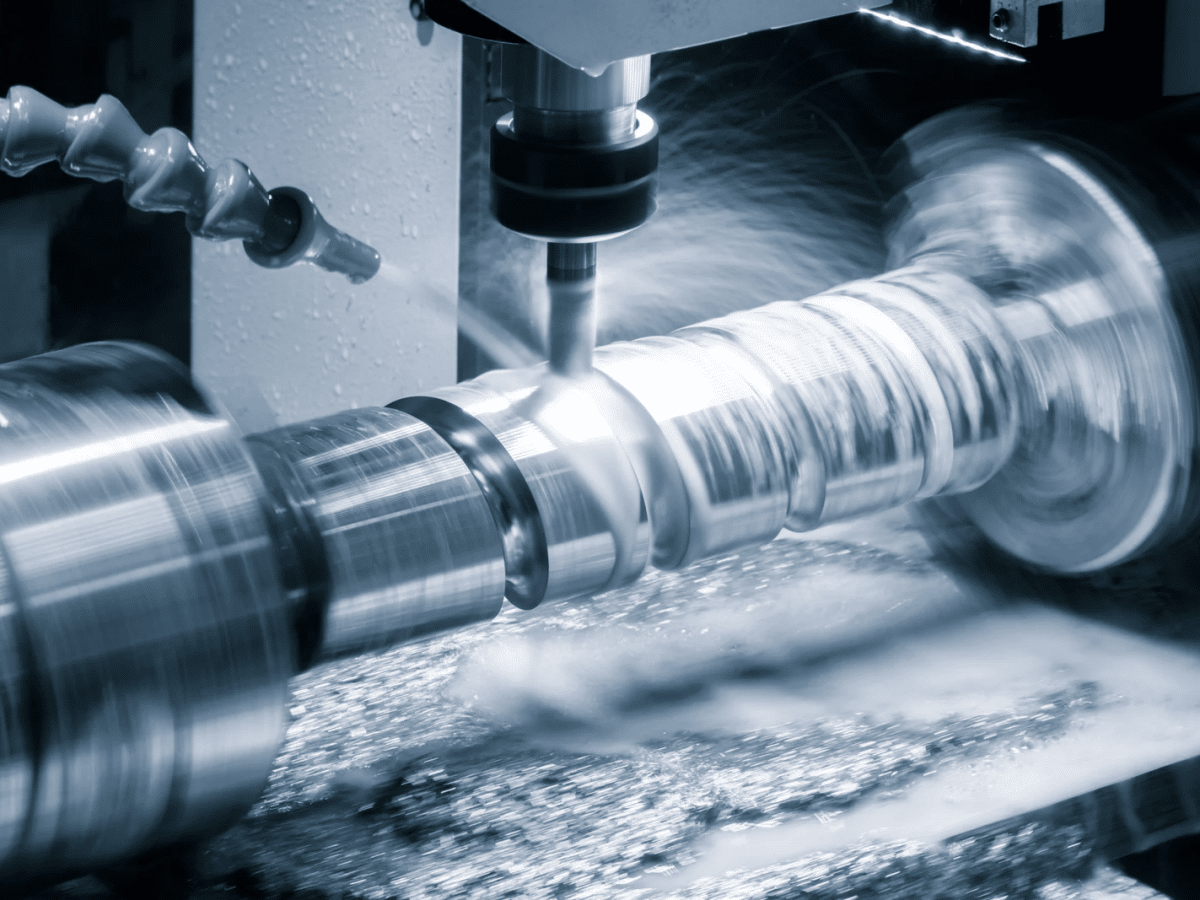
CNC Grinding
Think of a spinning abrasive wheel gently brushing against the part’s surface. Each pass removes tiny amounts of material, smoothing rough edges and refining dimensions. The machine controls the speed, angle, and pressure perfectly, so by the end, the surface is polished, and tolerances are exact. It’s like a sculptor finishing a delicate stone statue with a fine sanding brush, but guided by precise digital instructions.
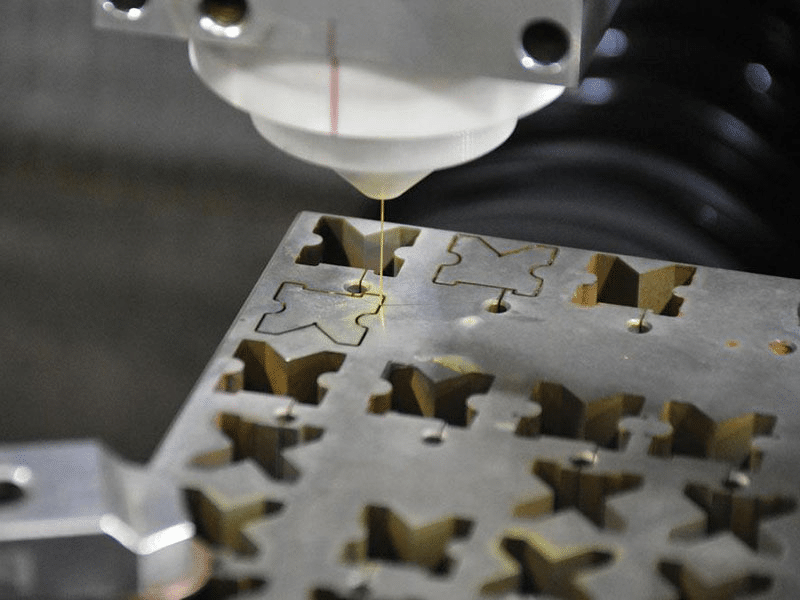
CNC EDM
Visualize a tiny metal electrode hovering just above a hard steel block. When powered, sparks jump from the electrode to the metal, eroding microscopic amounts exactly where needed. The machine moves the electrode along programmed paths, gradually carving cavities, sharp internal corners, or intricate shapes that would be impossible with a cutting tool. It’s as if the part is being “etched” with controlled lightning bolts.
CNC Laser Cutting
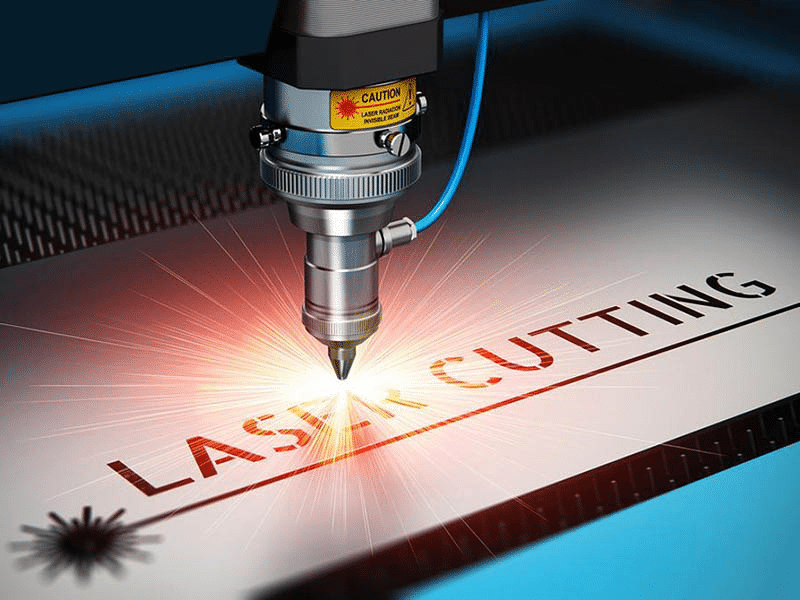
Now imagine a high-powered laser beam tracing the outline of a design on a sheet of metal or plastic. The focused light vaporizes material along its path, cutting clean, precise edges. The workpiece remains still while the laser sweeps across it, leaving intricate patterns or shapes as though the material has been “drawn away” by invisible hands.
CNC Waterjet Cutting
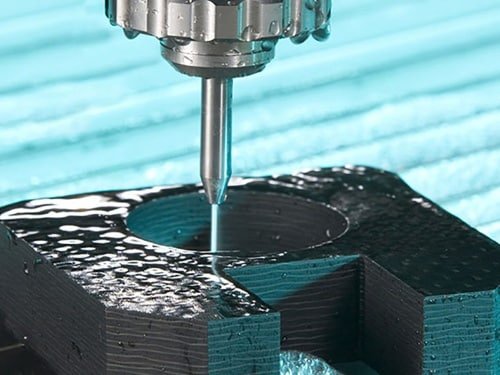
Picture a high-pressure stream of water, sometimes mixed with abrasive particles, hitting the material like a miniature river. The water erodes material along the programmed path without generating heat, so even heat-sensitive materials are cut cleanly.
Waterjet cutting works on metals, glass, composites, and stone, producing crisp edges. It’s especially useful for parts where material properties must remain unchanged by heat.
Conclusion
By now, you’ve explored the main types of general machining processes and seen how raw materials can be transformed into precise, complex components. Understanding these methods gives you a clearer view of what’s possible and how to make informed choices for your projects. Keep experimenting, keep designing, and remember that every intricate part you imagine can become reality with the right CNC process. If you’re ready to bring your ideas to life, Zhongde’s expert CNC machining team is here to help you turn your designs into high-quality components.