Surface Finishing Service
- All uploads are secure and confidential!
Injection Mold Surface Finishing Standards
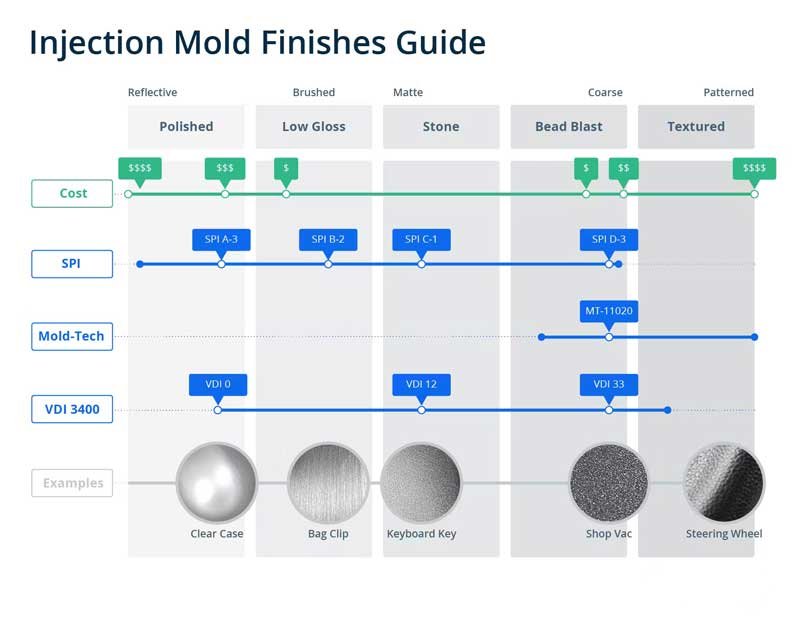
Zhongde provides comprehensive mold surface finishing services, offering all standard finishing options. These finishes range from glossy and matte to textured or patterned surfaces. The texture or polish of the mold cavity is directly reflected on the molded part’s surface. For example, a mold surface that is polished to be reflective will make a reflective (or transparent) part.
Mold finishes differ from CNC machined parts or 3D printed parts, where each component is treated individually. Adding a finish or texture can change the tool’s price depending on the process required, but it does not alter the price of the individual parts.
Our standard mold finishing includes the following:
- SPI Surface Finish
- VDI Mold Finish
- Mold-Tech Surface Finish
SPI vs VDI Surface Finishes
SPI Surface Finishing Standard
SPI A Finishes
SPI A-1
Diamond buffed with grade #3, 6000 grit for a highly polished finish. Also suitable for producing optically clear parts. Has an average surface roughness of 0.012-0.025µm Ra.
SPI A-2
Diamond buffed with grade #6, 3000 grit for a high polish finish. Also suitable for producing transparent parts. Has an average surface roughness of 0.025-0.050µm Ra.
SPI A-3
Diamond buffed with grade #15, 1200 grit for a high-to-medium polished finish. Also suitable for producing non-optical transparent parts. Has an average surface roughness of 0.050-0.100µm Ra.
SPI B Finishes
SPI B-1
A 600-grit sanded finish for a medium polish with a surface roughness of 0.05-0.10µm Ra.
SPI B-2
A 400-grit sanded finish for a medium polish with a surface roughness of 0.10-0.15µm Ra.
SPI B-3
A 320-grit sanded finish for a medium-to-low polish with a surface roughness of 0.28-0.32µm Ra.
SPI C Finishes
SPI C-1
A 600 stone finish for a low polish with a surface roughness of 0.35-.40µm Ra.
SPI C-2
A 400 stone finish for a low polish with a surface roughness of 0.45-.55µm Ra.
SPI C-3
A 320 stone finish for a low polish with a surface roughness of 0.63-.70µm Ra.
SPI D Finishes
SPI D-1
Dry blasted with glass bead for a satin finish with a surface roughness of 0.80-1.00µm Ra.
SPI D-2
Dry blasted with #240 oxide for a dull finish with a surface roughness of 1.00-2.80µm Ra.
SPI D-3
Dry blasted with #24 oxide for a dull finish with a surface roughness of 3.20-18.00µm Ra.
VDI Surface Finishing Standard
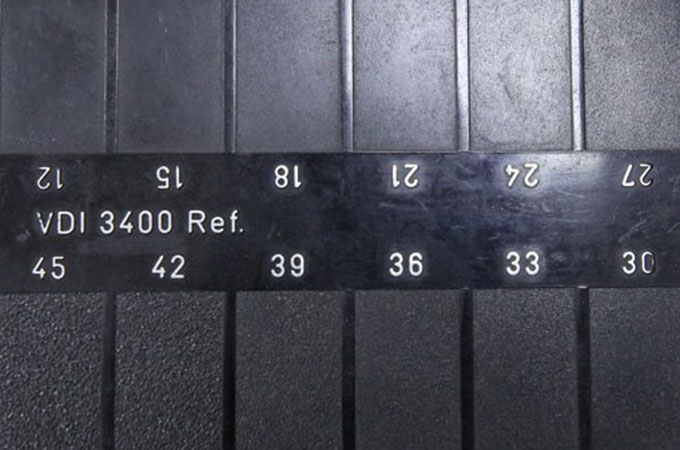
Widely used as an international standard for matte mold surfaces, VDI 3400 provides textures ranging from fine to coarse, depending on the selected VDI number.
VDI (EMD) Finishes
VDI 12
A 600 stone low-polish finish with an average surface roughness of 0.40µm Ra.
VDI 15
A 400 stone low-polish finish with an average surface roughness of 0.56µm Ra.
VDI 18
A glass bead blast satin finish with an average surface roughness of 0.80µm Ra.
VDI 21
A #240 oxide dry blast dull finish with an average surface roughness of 1.12µm Ra.
VDI 24
A #240 oxide dry blast dull finish with an average surface roughness of 1.60µm Ra.
VDI 27
A #240 oxide dry blast dull finish with an average surface roughness of 2.24µm Ra.
VDI 30
A #24 oxide dry blast dull finish with an average surface roughness of 3.15µm Ra.
VDI 33
A #24 oxide dry blast dull finish with an average surface roughness of 4.50µm Ra.
VDI 36
A #24 oxide dry blast dull finish with an average surface roughness of 6.30µm Ra.
VDI 39
A #24 oxide dry blast dull finish with an average surface roughness of 9.00µm Ra.
VDI 42
A #24 oxide dry blast dull finish with an average surface roughness of 12.50µm Ra.
VDI 45
A #24 oxide dry blast dull finish with an average surface roughness of 18.00µm Ra.
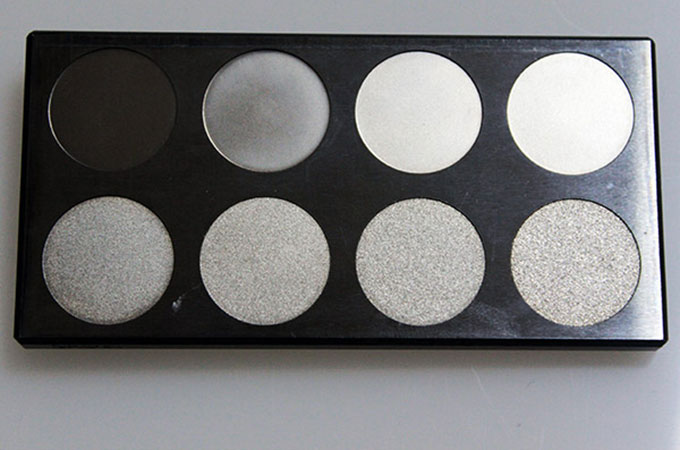
Get your Free Injection Molding Finishes Card!
Secondary Surface Finishing
As Machined
Smoothing
Material Compatibility: All plastic and metals
Bead Blasting
Material compatibility: All metals
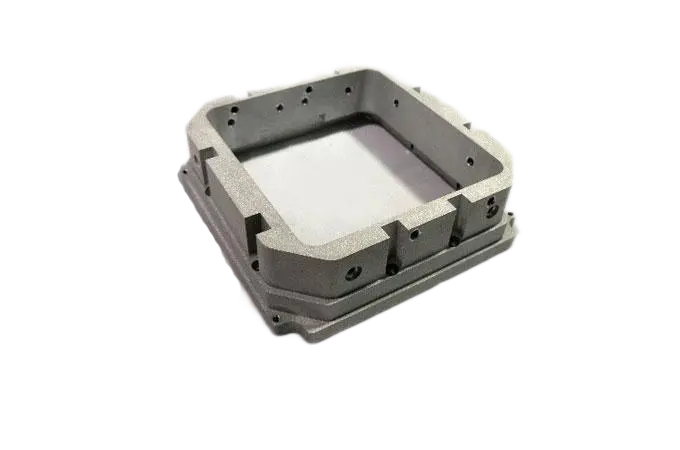
Powder Coating
Material compatibility: All metals
Anodizing Color (Type II)
Material compatibility: Aluminum alloys
Anodizing Hardcoat (Type III)
Material compatibility: Aluminum alloys
Electropolishing
Material compatibility: All metals
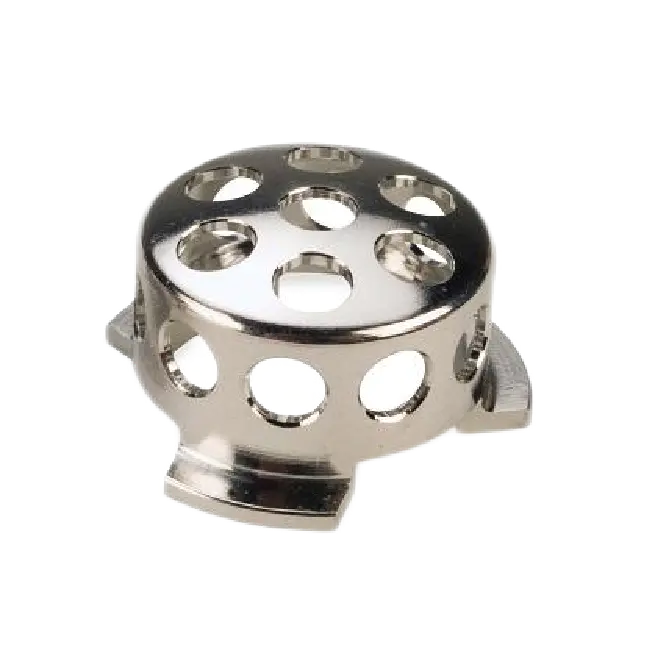
Black Oxide
Material compatibility: Stainless steel and copper alloys
Chromate Conversion Coating (Alodine/Chemfilm)
Material compatibility: Aluminum and copper alloys
Brushing
Material compatibility: All metals
FAQs of Plastic & Metal Surface Finishing
How can I choose the right surface finish for my part?
Different finishes serve different purposes, some improve appearance, while others enhance wear or corrosion resistance. Our engineers can recommend the best option based on your material and application.
Can I apply multiple finishing processes to one part?
Yes. For example, bead blasting can be followed by anodizing or painting to improve both appearance and durability.
Can you match a specific texture or gloss level from a reference sample?
Absolutely. You can send us your sample or surface reference, and we’ll reproduce the finish according to SPI, VDI, or custom standards.
Does surface finishing affect the final dimensions or tolerances?
Yes, some processes (like plating or powder coating) slightly increase surface thickness. We account for this during DFM and machining to ensure final tolerance accuracy.
Can complex-shaped parts be surface-treated uniformly?
Yes, but some processes (like plating or anodizing) may require special fixturing to ensure even coverage on internal or deep areas.
Do you offer surface finishing as part of the production process?
Yes. We integrate finishing into our molding and machining workflow, so you receive fully finished parts without outsourcing.
Related Surface Finishes Resources

Mold Surface Texture: Techniques, Standards, and Applications in Injection Molding
Explore the world of mold surface texture in injection molding, where the visual and tactile qualities of a part are
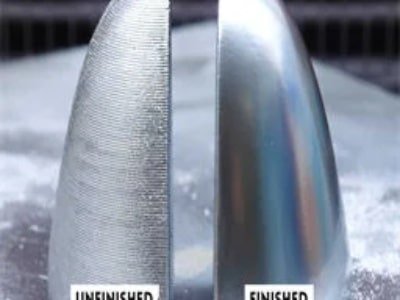
CNC Machining Surface Finish: Different Roughness Levels
Machining surface finish is a fundamental aspect of manufacturing that defines a part’s texture, functionality, and aesthetic appeal of machined

The Complete Metal Surface Treatment Summary in History
Metal surface treatment is to form a layer with one or more special properties on the surface of the material