If you’ve ever tried to fasten a flat-head screw and found it sticking out awkwardly, you’ve already felt the problem countersinks solve. A countersink is a small, angled feature in a hole that lets screw head can sit perfectly flush with the surface, like fitting a coin snugly into a slot. Understanding how and when to use countersinks can make your assemblies safer, cleaner, and more professional-looking.
What Is a Countersink?
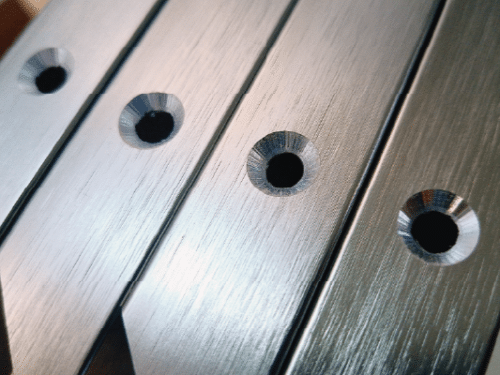
A countersink is a conical feature at the top of a drilled hole, designed so that a screw or fastener can sit flush with or just below the surface of a part. Think of it as a small “funnel” carved into the hole, creating a smooth seat for the screw head. This not only improves appearance but also prevents the screw from protruding and interfering with moving parts or assembly.
Countersink Dimensions
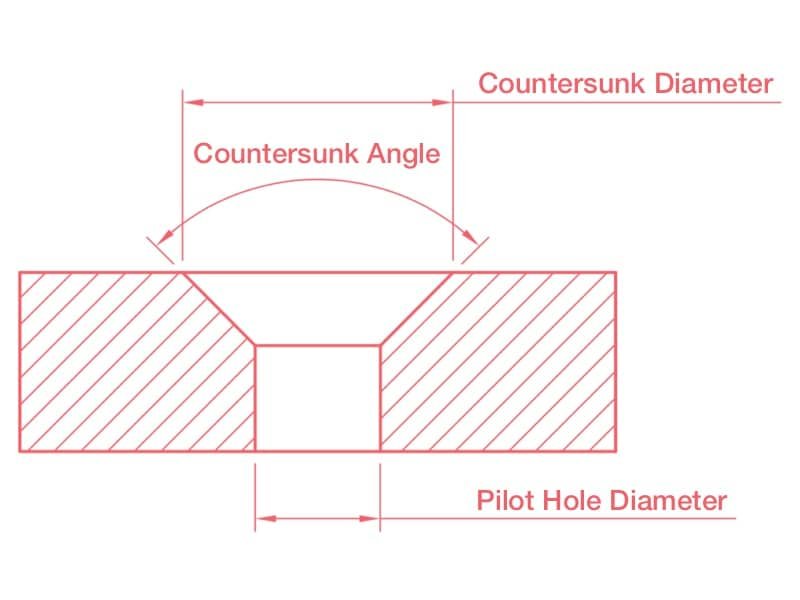
When designing or inspecting a countersink hole, there are three main dimensions to consider:
- Countersank Diameter: The widest part of the countersink, matching the diameter of the screw head. This ensures the screw sits completely inside the conical seat.
- Pilot Hole Diameter: The diameter of the straight hole below the countersink, which accommodates the screw’s threaded or smooth shaft.
- Countersank Angle: the conical slope of the countersink. Using the correct angle ensures the screw sits properly and distributes pressure evenly.
What Fasteners Use a Countersink?
Countersink holes are typically used with flat-head screws, flat-head bolts, or flat-head rivets—anything designed to sit flush with a surface. Other screw types, like pan-head or socket-head screws, do not fit properly in a countersink and require a counterbore instead.
Countersink vs Counterbore Holes
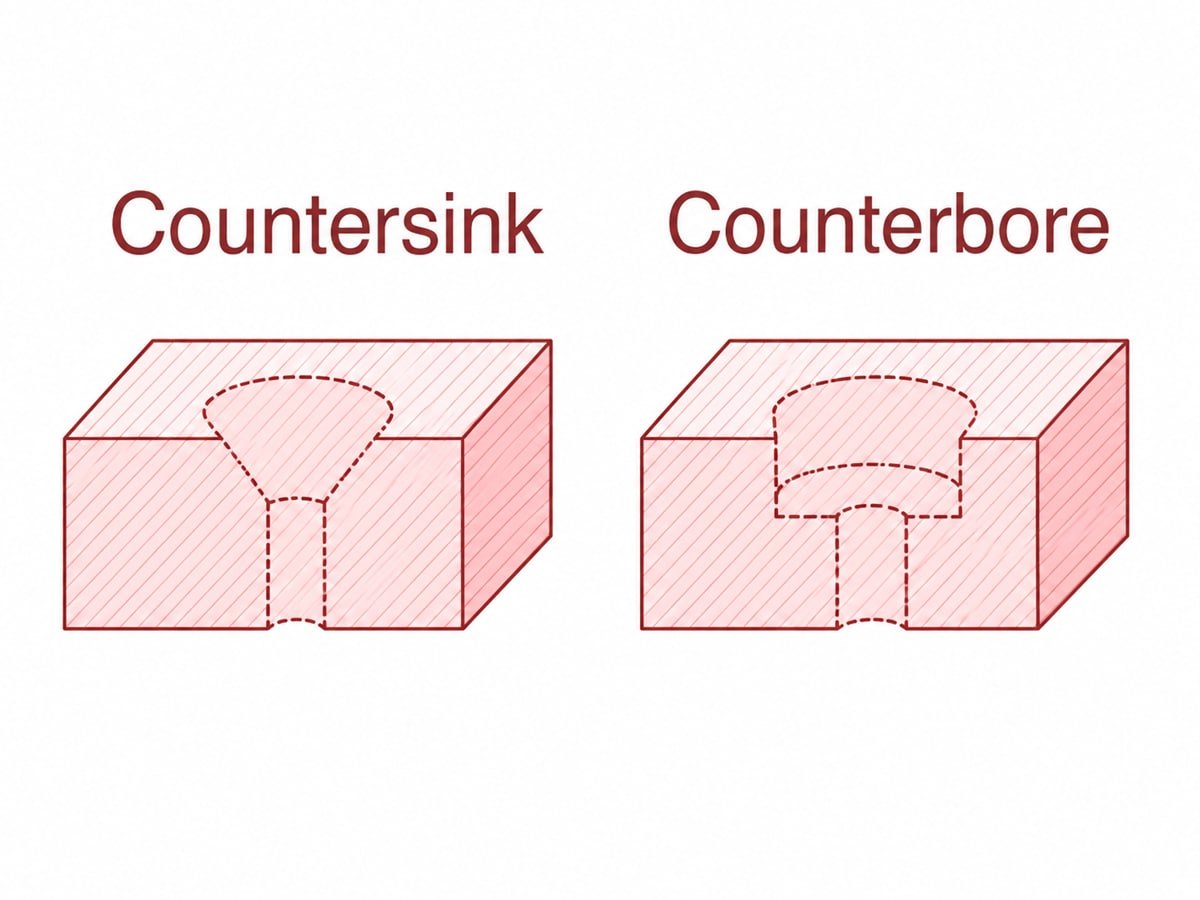
Countersinks and counterbores are both used to allow screw heads to sit properly, but they have distinct shapes and purposes. A countersink is conical, designed for flat-head screws that need to sit flush with a surface. A counterbore, on the other hand, is cylindrical, made for socket-head or hex-head screws that require a flat-bottomed recess.
Think of it like two different types of seats: a countersink is a funnel-shaped cup that guides a screw head snugly into place, while a counterbore is more like a shallow cylinder that holds a bolt or screw upright. Using the wrong type can cause screws to protrude or fail to seat properly, potentially affecting assembly, appearance, and even the structural integrity of your part.
When to Use a Countersink?
Deciding when to use a countersink goes beyond simply matching a screw type. Here are some practical angles that can help you make the choice:
First, consider flush and smooth surfaces. If your part needs to be flat or allow other components to slide over it, countersinks prevent screw heads from sticking out. For example, in consumer electronics, flush screws avoid snagging covers or causing misalignment.
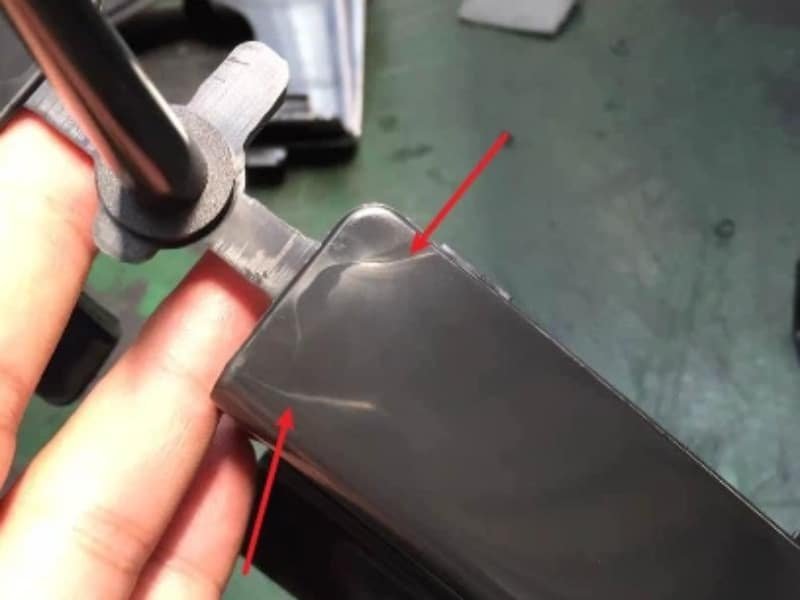
Second, consider countersinks when materials are thin or delicate. For example, in a thin plastic housing or sheet metal, a protruding screw head can create stress points or cause cracking. The conical shape of a countersink spreads the load around the screw, protecting the material.
Third, use them to improve assembly efficiency. A well-designed countersink guides the screw into place, reducing misalignment and speeding up manual or automated assembly. This is particularly useful in high-volume production, where small time savings per part add up.
Another angle is aesthetics and surface finish. Flush screws look cleaner and feel smoother to touch, which can improve user perception of product quality—important in furniture, electronics, or visible panels.
Design Considerations of Countersink Holes
When designing a countersink, it’s not enough to just decide the angle and depth—you also need to communicate it clearly on CAD models or technical drawings. Proper notation ensures that manufacturers, engineers, and machinists interpret your design the same way.
Countersink Symbols
In engineering drawings, countersinks are usually indicated with a countersink symbol, which looks like a small cone (V) , followed by the diameter and angle. This symbol tells machinists the hole should have a conical top rather than just a straight cylindrical drill.
For example, you might see a notation like:
Ø 3.0 V 6.0 ±0.05 × 90°
This indicates a 3 mm through-hole, a countersink top diameter of 6 mm, a tolerance of ±0.05 mm, and a 90° countersink angle. In words, it specifies a 3 mm deep hole with a 6 mm diameter conical recess, drilled at 90°, with a small tolerance to ensure the screw seats perfectly.
The symbol may vary slightly between ANSI (common in the US) and ISO (international) standards, but the basic principle is the same: angle, hole diameter, and sometimes depth are specified.
Standards to Follow
- ANSI (American National Standards Institute): Typically uses 82° for flat-head screws. Symbols are placed according to ANSI Y14.5 guidelines.
- ISO (International Organization for Standardization): Commonly uses 90° for metric flat-head screws. Symbols follow ISO 1101 or ISO 2768 conventions.
Choosing the correct standard ensures your countersink matches the screws used in your assembly and avoids errors in production.
Countersunk Hole Size Chart (Reference)
| Screw Size | Hole Diameter (mm / in) | Countersink Diameter (mm / in) | Angle |
|---|---|---|---|
| M2 | 2.0 / 0.079" | 4.0 / 0.157" | 90° |
| M3 | 3.0 / 0.118" | 5.5 / 0.217" | 90° |
| M4 | 4.0 / 0.157" | 7.0 / 0.276" | 90° |
| M5 | 5.0 / 0.197" | 8.5 / 0.335" | 90° |
| M6 | 6.0 / 0.236" | 10.0 / 0.394" | 90° |
| #4 (US) | 3.3 / 0.130" | 6.0 / 0.236" | 82° |
| #6 (US) | 3.8 / 0.150" | 7.1 / 0.280" | 82° |
| #8 (US) | 4.2 / 0.165" | 8.0 / 0.315" | 82° |
This chart gives a practical reference for common screws and the corresponding countersink sizes. Always check the specific screw manufacturer’s datasheet, as tolerances may vary slightly.
How to Drill a Countersink Hole
Drilling a countersink is more than just adding a conical hole—it’s about precision, material care, and creating a smooth seat for your screw. The method you choose depends on the material, hole size, and production setup.
Manual Countersinking
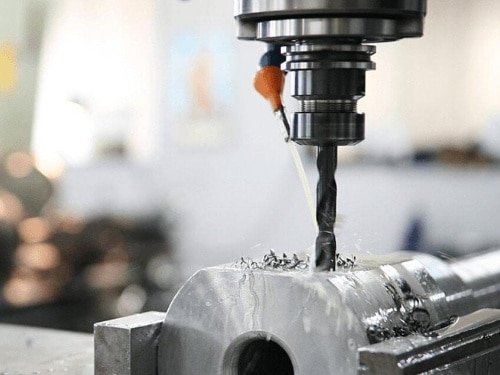
For simple projects or small batches, a hand drill with a countersink bit works well. First, drill the main hole to the correct diameter. Then, attach a countersink bit to your drill, align it carefully over the hole, and slowly lower it while keeping it centered. You’ll feel the bit start to “carve” the conical recess. Move steadily, letting the tool cut the material rather than forcing it. In plastics, go slowly to prevent tearing; in metals, maintain consistent pressure to avoid chatter marks. By the end, you should see a smooth, funnel-shaped recess ready for the screw head.
CNC Machining
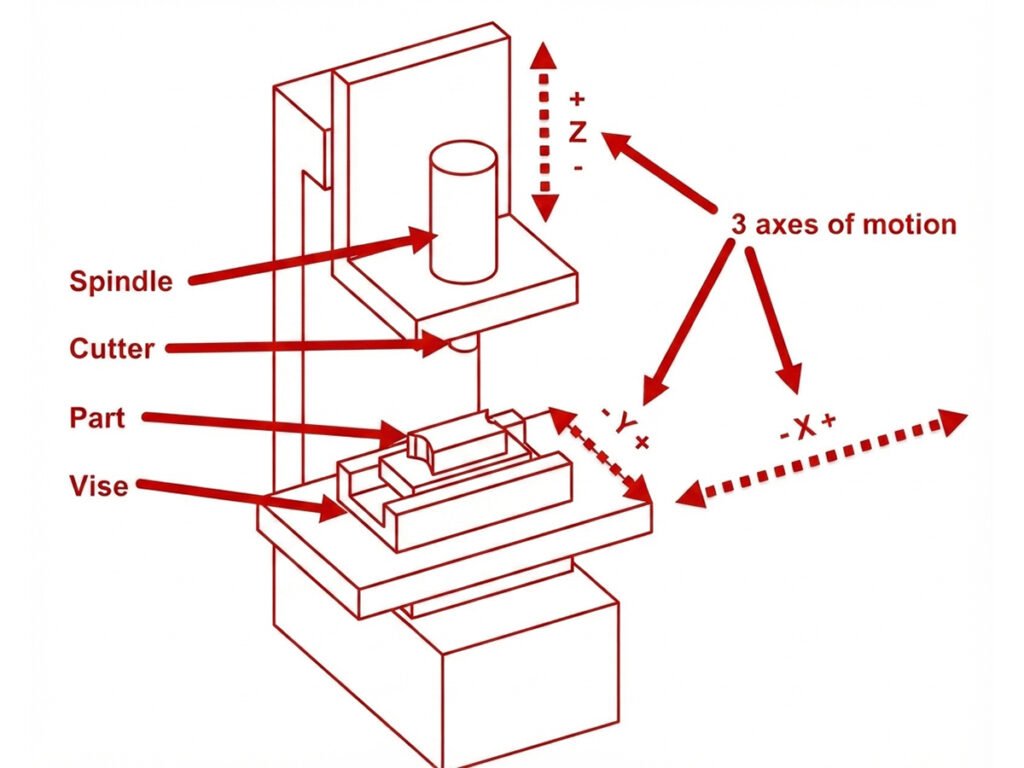
For precision or high-volume production, CNC milling or drilling is preferred. The hole and countersink can be programmed as separate operations or combined depending on the machine’s capabilities. On a CNC, the machine follows the toolpath to create a perfectly aligned hole and angled recess. For example, a small plastic part with multiple M3 countersunk screws can have all holes drilled and countersunk in a single automated cycle, reducing human error and ensuring uniformity across hundreds of parts.
For a deeper look at CNC machining, see our full discussion on what is CNC machining and how does it work.
CNC Machining Service
Combination Drilling and Countersinking
Some countersink bits allow you to drill the main hole and the conical recess in a single step. Insert the combination bit into the drill press or CNC machine, set the feed depth, and let the tool do the work. You’ll notice that as the bit enters, it drills the through-hole first, then gradually forms the countersink. This method is fast and ensures concentricity between the hole and the countersink, which is crucial for screws that need to sit perfectly flush.
Reaming or Finishing Countersinks
After the main countersink hole is drilled, sometimes a reaming or finishing pass is needed to smooth the surface. This is especially important in metals or precision plastics where a rough conical surface can prevent the screw from sitting flush. The finishing pass lightly removes any burrs and ensures the screw head fits snugly without wobbling.
Applications of Countersinks
Countersunk holes are used across a wide range of industries wherever flush fasteners improve assembly, safety, or appearance. Here’s a look at some common applications:
Electronics and Consumer Devices
In electronics housings, plastic enclosures, or devices with covers, countersinks allow flat-head screws to sit flush with the surface. This ensures smooth assembly, prevents screws from catching on wiring or components, and gives the final product a clean, professional look. For example, the cover of a handheld device often uses M2 or M3 flat-head screws with countersinks to avoid protrusions.
Automotive and Transportation
Countersinks are widely used in automotive panels, brackets, and interior components. Flush fasteners reduce interference with moving parts, prevent snagging, and improve aesthetic appeal in visible areas. In thin sheet metal, countersinking also distributes stress around the screw head, reducing the risk of cracking or deformation under vibration.
Furniture and Woodworking
Flat-head wood screws often require countersinks to ensure a smooth, even surface. In furniture assembly, countersinking screws prevents the wood from splitting, allows panels to sit tightly together, and gives a polished finish without extra filler or sanding. For example, a tabletop attached to legs with flat-head screws benefits from pre-countersunk holes.
Aerospace and Mechanical Assemblies
In high-precision or lightweight assemblies, such as aircraft panels or machinery covers, flush fasteners reduce drag, prevent interference with adjacent components, and ensure safety. Countersinks are critical where even small protrusions could compromise airflow, movement, or alignment.
Conclusion
Countersinks may seem like a small detail, but they make a big difference in assembly quality, safety, and appearance. By understanding when and how to use them, how to design them properly, and which materials are suitable, you can ensure your screws sit flush, parts fit smoothly, and your products look and function as intended.
If you need custom parts with countersunk holes—or want guidance on selecting the right screws, angles, and tolerances—Zhongde’s team is ready to help. We provide expert advice and precision manufacturing to make sure your design works perfectly in practice.
FAQ of Countersink
Start A New Project Right Now!