When people first start exploring 3D printing, ABS is usually one of the materials they quickly come across. It shows up in everything from functional prototypes to everyday plastic products, largely because it strikes a practical balance between strength, durability, and cost.
But working with ABS in 3D printing is not just about choosing a common filament and hitting “print.” It behaves differently under heat, cooling, and layer bonding compared to more beginner-friendly materials, which is why it is often associated with both reliable performance and certain printing challenges.
So what exactly is ABS, why is it so widely used in 3D printing, and what should you know before using it in real projects?
What Is ABS Material?
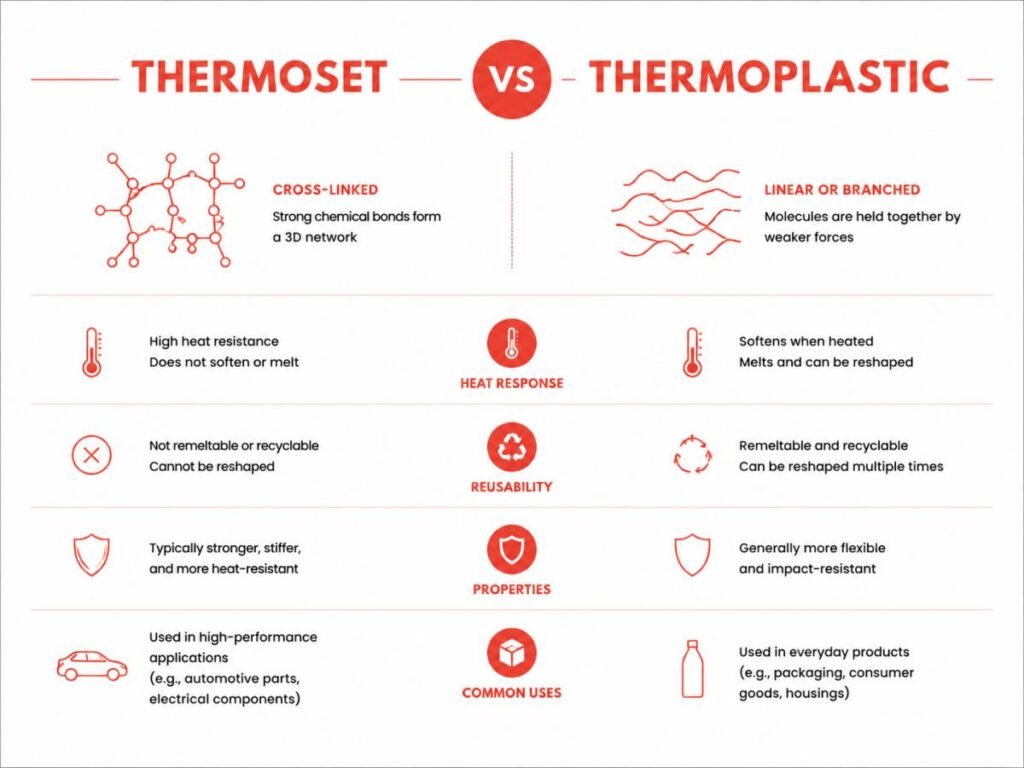
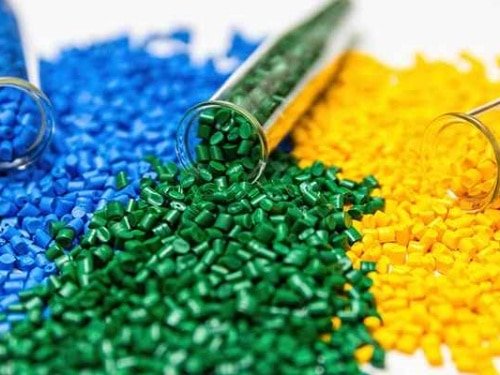
ABS (Acrylonitrile Butadiene Styrene) is a widely used thermoplastic known for its balance of strength, toughness, and impact resistance. It is not a single uniform property material, but a blend of three components that each contribute something important: rigidity from acrylonitrile, toughness from butadiene, and processability from styrene.
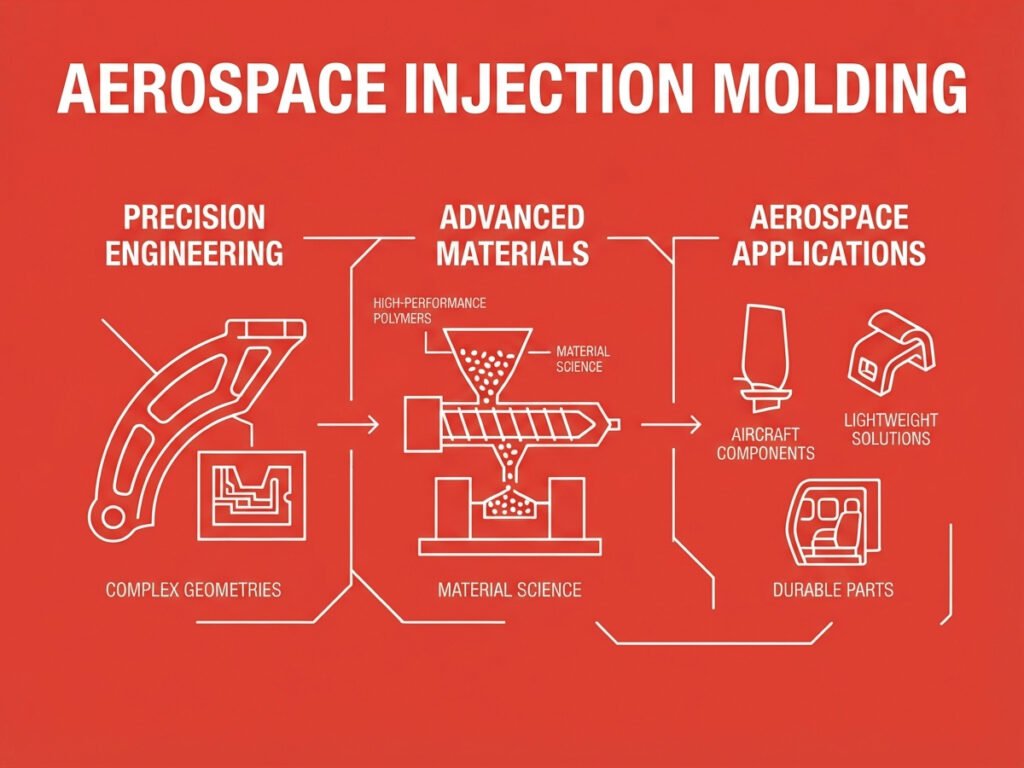
Because of this balance, ABS behaves like a material that is both relatively strong and slightly flexible compared to more brittle plastics. It softens when heated and becomes moldable, then hardens again when cooled—this reversible behavior is what makes it suitable for processes like injection molding and 3D printing. However, it also means its shape stability depends on controlled temperature conditions during processing.
When Should You Choose ABS 3D Printing?
ABS 3D printing is a practical choice when a part needs more than visual validation. Its combination of impact resistance, heat tolerance, and post-processing flexibility makes it suitable for functional testing and low-volume applications.
Functional Prototypes
ABS is often selected for prototypes that need to simulate the behavior of final plastic parts. It can handle basic mechanical testing, assembly checks, and repeated handling better than many entry-level 3D printing materials.
Parts Exposed to Higher Temperatures
When prototypes may encounter heat during operation or testing, ABS can be a better option than lower-temperature materials. It maintains its shape more reliably in environments where heat resistance is a consideration, making it suitable for components used near electronics, automotive interiors, or mechanical assemblies.
Parts Requiring Better Impact Resistance
For housings, brackets, covers, and other components exposed to regular use, ABS provides better toughness than more brittle materials. It is suitable for prototypes that need to withstand drops, vibration, or everyday handling.
Complex Parts Requiring Post-Processing
ABS works well for applications where the printed surface needs further finishing. The material can be sanded, smoothed, and modified more easily than some other filaments, making it suitable for prototypes that require a cleaner appearance or additional adjustments.
Low-Volume Production Parts
When production quantities do not justify injection molding tooling, ABS 3D printing can provide a faster way to produce functional plastic parts. It is suitable for small batches, replacement parts, and customized components.
When prototype requirements change, other methods such as CNC machining prototyping, vacuum casting, or prototype injection molding may provide better options depending on accuracy, surface finish, and quantity. Learn more about different methods in our guide to Plastic Prototyping Manufacturing.
How to 3D Print with ABS?
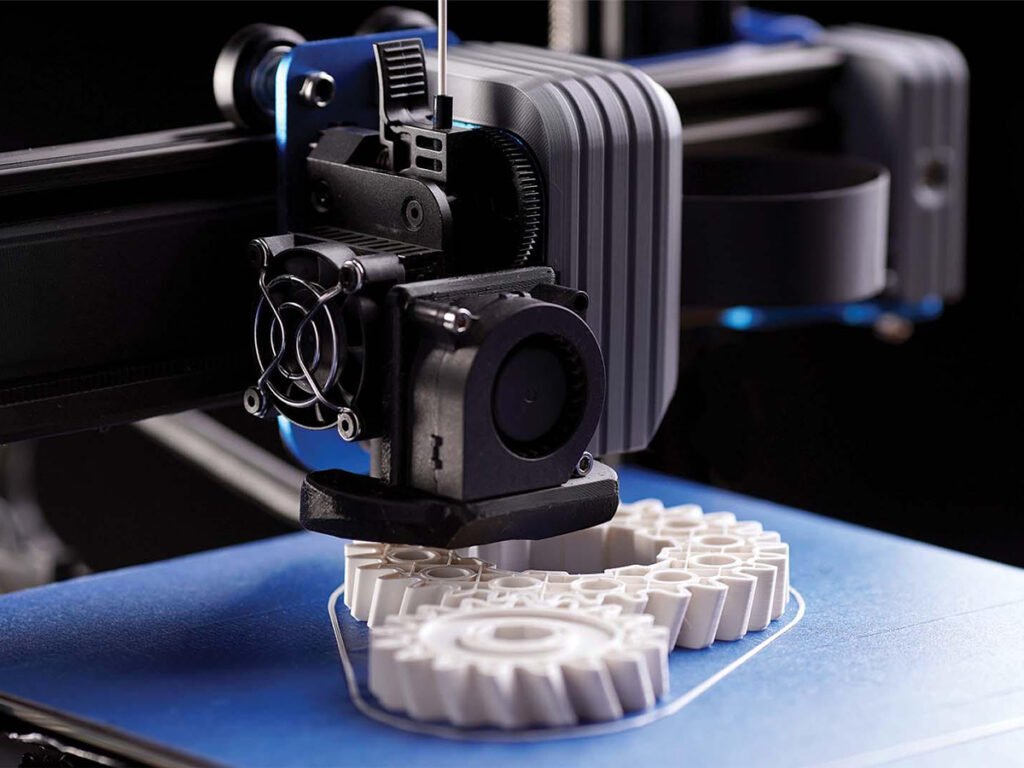
Printing ABS is less about simply sending a file to the printer and more about controlling a few key conditions so the material behaves in a stable way. Once these conditions are understood, the process becomes much more predictable.
Preparing the Print Setup
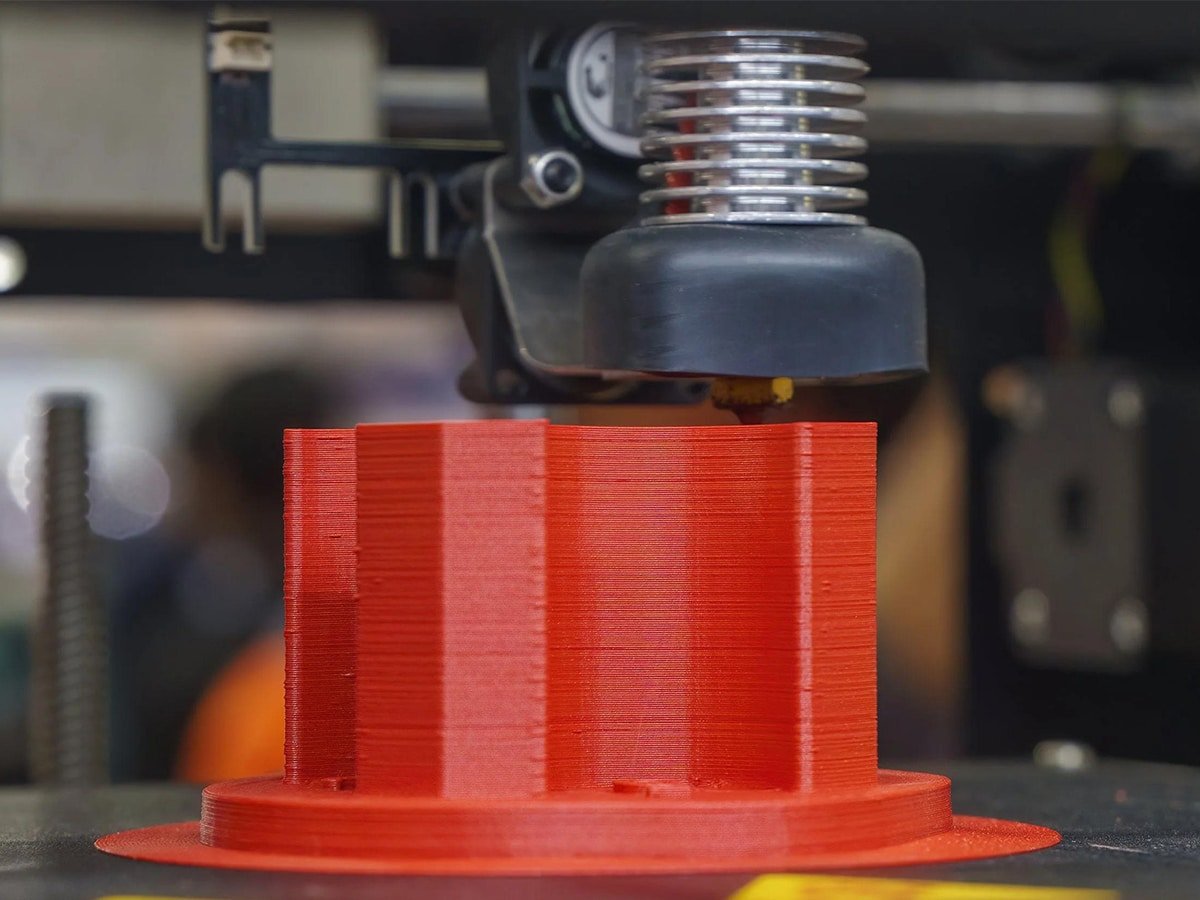
Before printing begins, the build environment and printer settings are adjusted for stability. ABS performs best in a controlled or enclosed printing space, where temperature changes are minimized. The print bed is also heated to help the first layer stay firmly attached during the early stages of the build.
At this stage, slicer settings such as nozzle temperature and bed temperature are defined based on the filament specification. These parameters form the baseline conditions for how the material will flow and bond during printing.
Printing the First Layers
The first layer is critical in ABS printing. It establishes both the geometric foundation of the part and its adhesion to the build surface. If this layer is unstable, later stages are likely to be affected.
During this phase, extrusion consistency and bed contact are closely monitored to ensure the part is properly anchored before building height increases.
Building Layer by Layer
Once the base is stable, the printer continues building the part layer by layer. At this stage, the key factor is maintaining consistent temperature so that each new layer bonds properly to the one below it.
ABS behaves best when it is allowed to cool gradually rather than being exposed to sudden temperature changes. This helps reduce internal stress and keeps the overall shape more stable as the part grows in height.
Cooling and Part Removal
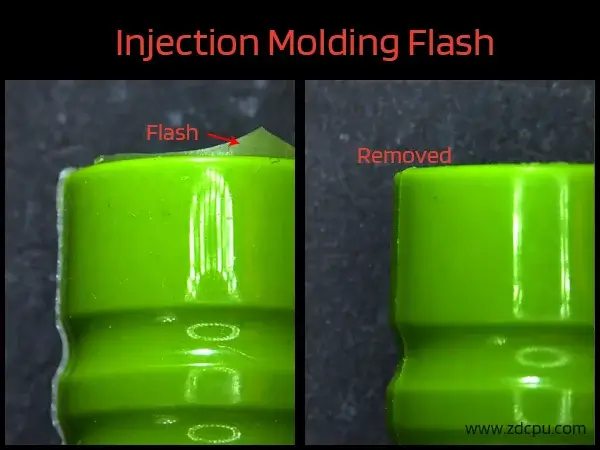
After printing is complete, the part is allowed to cool down naturally before removal. This step is important because rapid cooling can still introduce stress or slight deformation if the part is released too early.
Once fully cooled, the part can be removed from the build platform and is typically ready for post-processing steps such as sanding or surface finishing if needed.
Design Tips for ABS 3D Printing
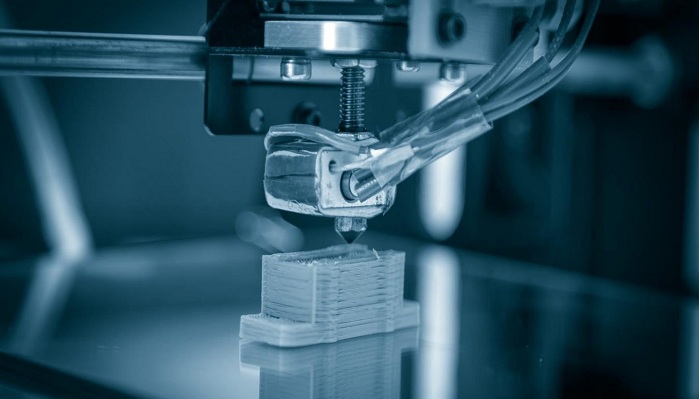
Designing for ABS is not just about the geometry of the part itself, but about how that geometry interacts with the 3D printing process. Because ABS is sensitive to thermal behavior and layer bonding, good design decisions often focus on reducing stress buildup and supporting stable printing conditions.
Avoid Large Flat Surfaces Without Support
In ABS printing, large flat areas tend to accumulate internal stress as the part cools. If the surface is continuous and unbroken, this stress has nowhere to release, which increases the risk of warping. Breaking up these areas or introducing structural features can help distribute stress more evenly during the build process.
Design with Thermal Behavior in Mind
ABS shrinks as it cools, so geometry should be designed with this in mind. Features that cool at very different rates—such as thick and thin sections placed side by side—can create uneven contraction. Keeping wall thickness more consistent helps the part cool in a more controlled way during the layer-by-layer process.
Support Stable First-Layer Contact
Because ABS is sensitive to bed adhesion, the first layer design matters. A larger and more stable base area helps anchor the part during printing. Features with very small contact points may need additional consideration, as they are more likely to lift during early cooling stages.
Reduce Sharp Thermal Stress Concentration
Sharp internal corners can become stress concentration points during cooling, especially in ABS where shrinkage is more pronounced. Slightly rounded transitions help the material release stress more gradually as each layer solidifies.
Consider Printing Orientation Early
Since ABS parts are built layer by layer, the orientation directly affects strength and stability. Surfaces that are perpendicular to the build direction often experience weaker layer bonding, so critical load directions should be aligned with the printing process wherever possible.
Applications of 3D ABS Printing
Given the flexibility of 3D printing and its low initial setup cost, it is widely used for rapid prototyping and small-batch production. Combined with the balanced mechanical performance of ABS, it becomes clear why ABS 3D printed parts appear across many practical applications.
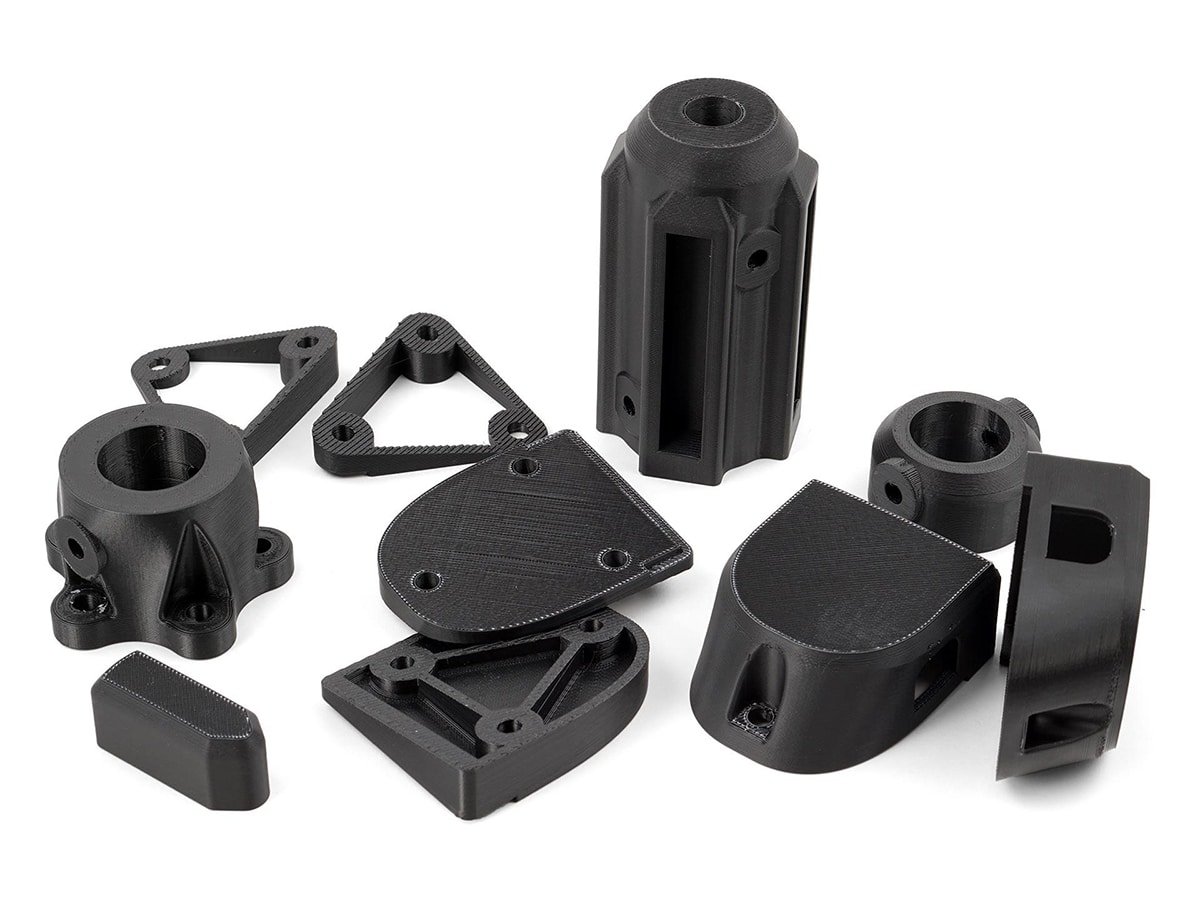
- Product prototyping: ABS is commonly used for functional prototypes to test fit, assembly, and basic performance before moving to mass production processes.
- Automotive components: Applied in interior parts, brackets, and test components that require moderate strength and impact resistance.
- Consumer products: ABS 3D printing is suitable for housings, clips, covers, and small functional accessories used in everyday products.
- Industrial fixtures and tools: Used for jigs, fixtures, and assembly aids that support manufacturing and production processes.
Conclusion
ABS remains one of the most widely used materials in FDM 3D printing because it sits in a practical balance between mechanical performance and process adaptability. While it requires more controlled printing conditions compared to beginner materials, it also enables parts that are closer to real functional requirements rather than simple visual models.
If you are planning to use ABS for prototyping or functional parts and want more stable results, you may also explore our Custom 3D Printing Services at Zhongde. We support projects from early-stage testing to small-batch production, helping you turn designs into usable parts with consistent quality.