What Are Knit Lines in Injection Molding and How to Prevent Them?
Table of Content
Injection molding knit lines are a common but preventable defect in the injection molding process. In this article, we will explore the causes of knit lines and how to prevent them during the injection molding process.
What Are Injection Molding Knit Lines?
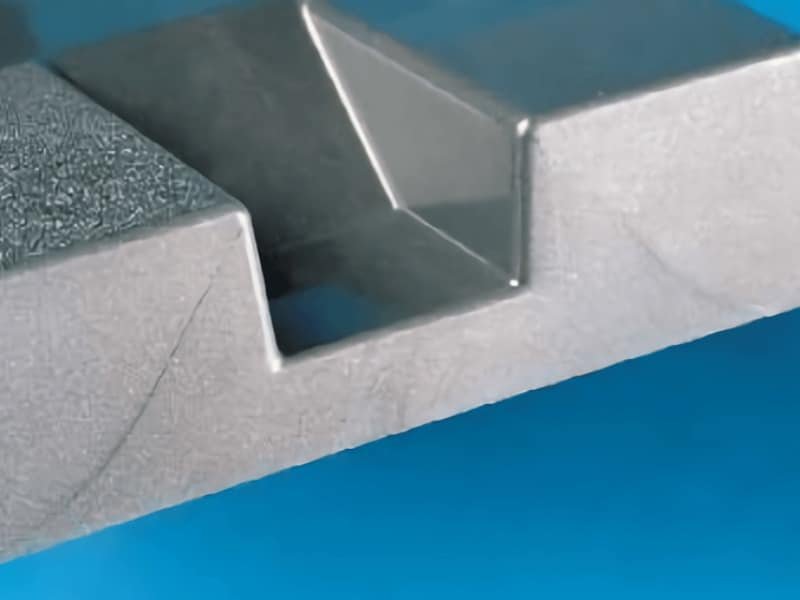
Knit Lines
Knit lines refer to visible or structural defects appearing on plastic parts where two separate flow fronts of molten plastic meet but fail to fuse seamlessly during the injection molding process. Visually, knit lines often appear as thin lines, seams, or ridges on the surface of the molded part, resembling a faint weld or stitch. These lines are the interface points where the plastic “knits” or joins together, but the molecular bonding is incomplete.
Why Do Injection Molding Knit Lines Matter So Much?
The occurrence of knit lines on plastic parts is more than a cosmetic issue. They have an impact on structural integrity, too. Aesthetically, knit lines on plastic parts can mar the visual appeal of products, introducing unsightly seams that detract from the sleek finish demanded. Knit line plastic compromises the mechanical performance of molded parts.
Causes of Knit Lines in Injection Molding
The formation of knit lines on plastic parts stems from a complex interplay of factors during the injection molding process.
Multiple Gates: When molten plastic enters the mold through multiple gates, separate flow fronts collide, forming molding knit lines.
Uneven Flow Rates: Variations in injection speed or pressure can disrupt uniform flow, causing flow fronts to meet unevenly and create knit line plastic.
Low Temperatures: Insufficient mold or melt temperatures reduce material viscosity, hindering proper fusion and exacerbating injection molding knit lines.
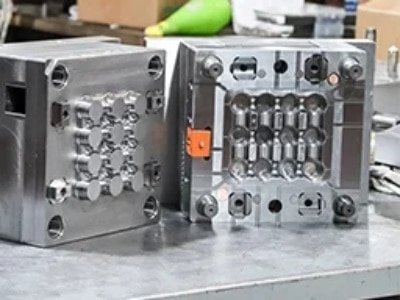
Poor Mold Design: Inadequate venting, poorly placed gates, or obstructions like pins or inserts can impede smooth flow, leading to knit line molding defects.
Material Properties: High-viscosity resins or incompatible additives resist seamless integration, increasing the likelihood of knit lines on plastic parts.
Strategies to Prevent Knit Lines in Injection Molding
Preventing injection molding knit lines requires a blend of precision engineering, process optimization, and material expertise. Here are proven strategies to minimize or eliminate knit line plastic.
Optimize Gate Placement: Strategic gate positioning reduces the likelihood of flow front collisions. By analyzing mold flow through simulations, optimize design gate locations that promote uniform filling, mitigating knit line molding.
Enhance Mold Venting: Proper venting allows trapped air to escape, enabling better fusion of flow fronts. This reduces the formation of knit lines on plastic parts by ensuring smoother material integration.
Adjust Processing Parameters: Increasing mold and melt temperatures enhances material flow, while optimizing injection speed and pressure promotes stronger bonding at flow boundaries, minimizing molding knit lines.
Select Appropriate Materials: Choosing low-viscosity resins or additives that improve flow properties can significantly reduce knit line plastic. Material selection must align with the part’s functional requirements.
Refine Mold Design: Streamlining flow paths and eliminating obstructions like unnecessary pins or sharp corners ensures uniform filling, reducing the risk of injection molding knit lines.
The Difference Between Knit Line vs Weld Line
A knit line and a weld line both refer to areas in molded parts where two or more flow fronts meet during the molding process, but they differ in their formation and characteristics. A knit line occurs when flow fronts merge with minimal pressure or incomplete bonding, often resulting in a visible seam that significantly affects structural integrity. In contrast, a weld line forms when flow fronts meet under higher pressure or with better bonding, creating a stronger junction that is less likely to be a weak point, though it may still show as a surface imperfection. The key difference lies in the degree of bonding and strength, with knit lines being weaker and weld lines generally stronger.
Zhongde’s Expertise in Tackling Knit Lines
At Zhongde, we use the advanced mold design process that leverages flow simulation software to optimize gate placement and venting, ensuring seamless material flow and minimizing knit line molding. Based on the material properties, the engineer will optimize the processing parameters to eliminate knit lines during the injection molding process. You are welcome to contact Zhongde and get a custom injection molding service.