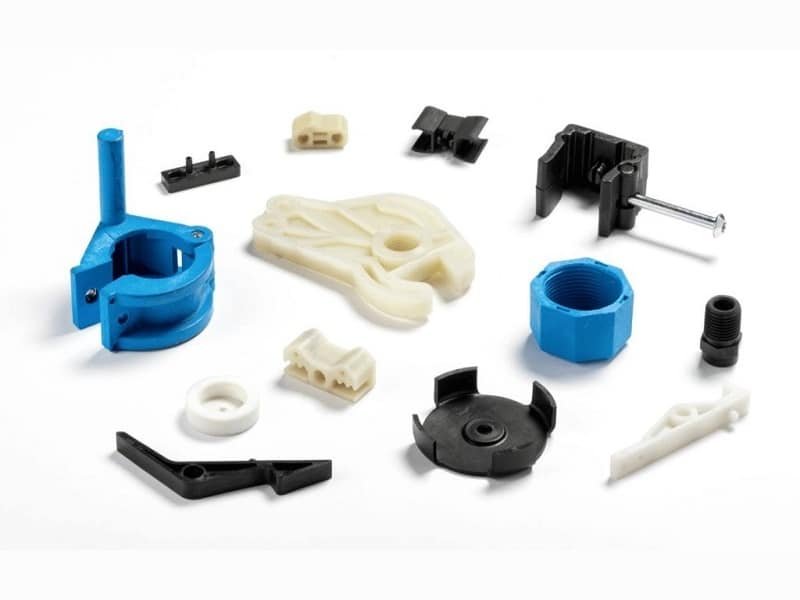
Every day, millions of plastic parts are used around us—think of the handle on your power tool, the protective casing of a smartphone, or the buttons on a car dashboard. Have you ever considered how these parts are made so precisely, often in thousands or even millions of identical pieces?
Injection molding is the process behind these products. By injecting molten plastic into a carefully designed mold, manufacturers can produce parts that are not only accurate and consistent but also durable and tailored to their intended use. This method has become a cornerstone of modern manufacturing, supporting industries from consumer goods and electronics to automotive and medical devices.
What Is Injection Molding?
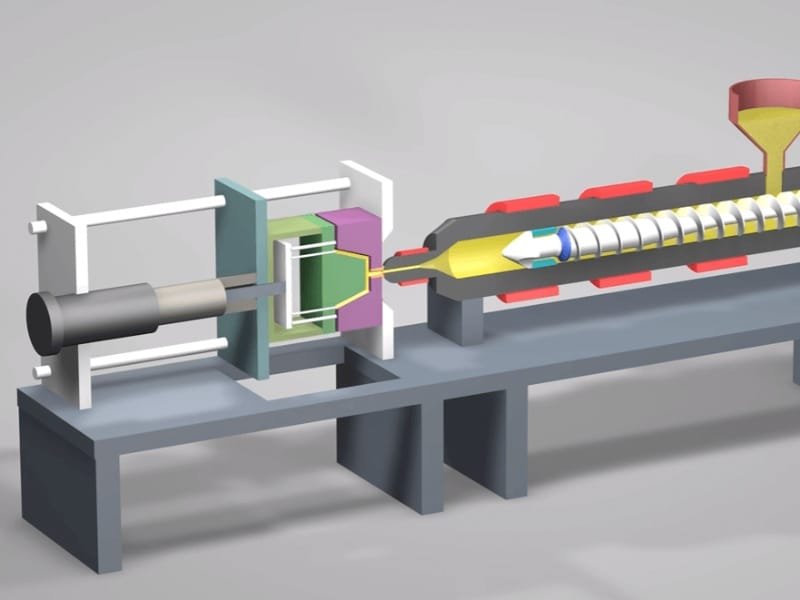
Injection molding is a manufacturing process used to produce plastic parts by injecting molten material into a precisely machined mold cavity. Once the material fills the cavity, it is cooled and solidified to form the final part, which is then ejected from the mold. To dive deeper into injection molding process, check out our detailed guide on Principle of Injection Molding Process.
Injection molding is especially suitable for producing complex geometries and high-volume parts with tight tolerances. Once the mold is created, the same design can be replicated efficiently with very low variation between parts, making it one of the most cost-effective methods for mass production of plastic components.
But what kinds of products are actually made using this process? The answer is likely far broader than many people realize.
Common Injection Molded Products
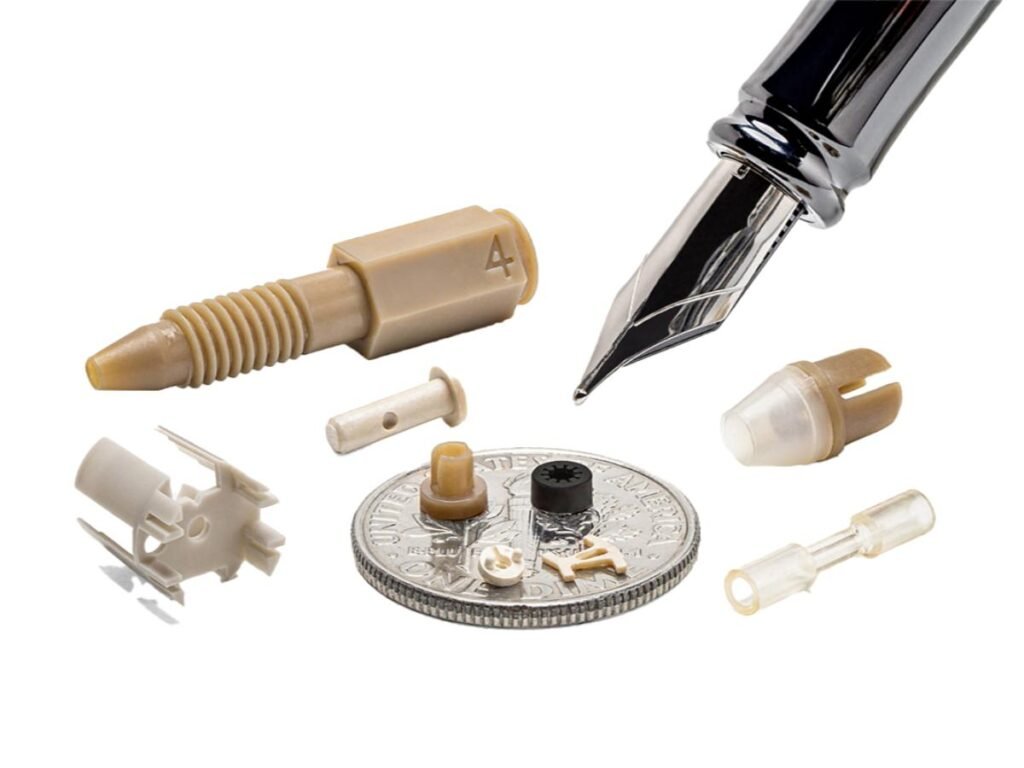
One of the reasons injection molding is so widely adopted is its ability to produce an enormous variety of products. From simple everyday items to highly engineered components, the process can accommodate different shapes, sizes, and performance requirements while maintaining consistent quality across large production runs.
Housings and Enclosures
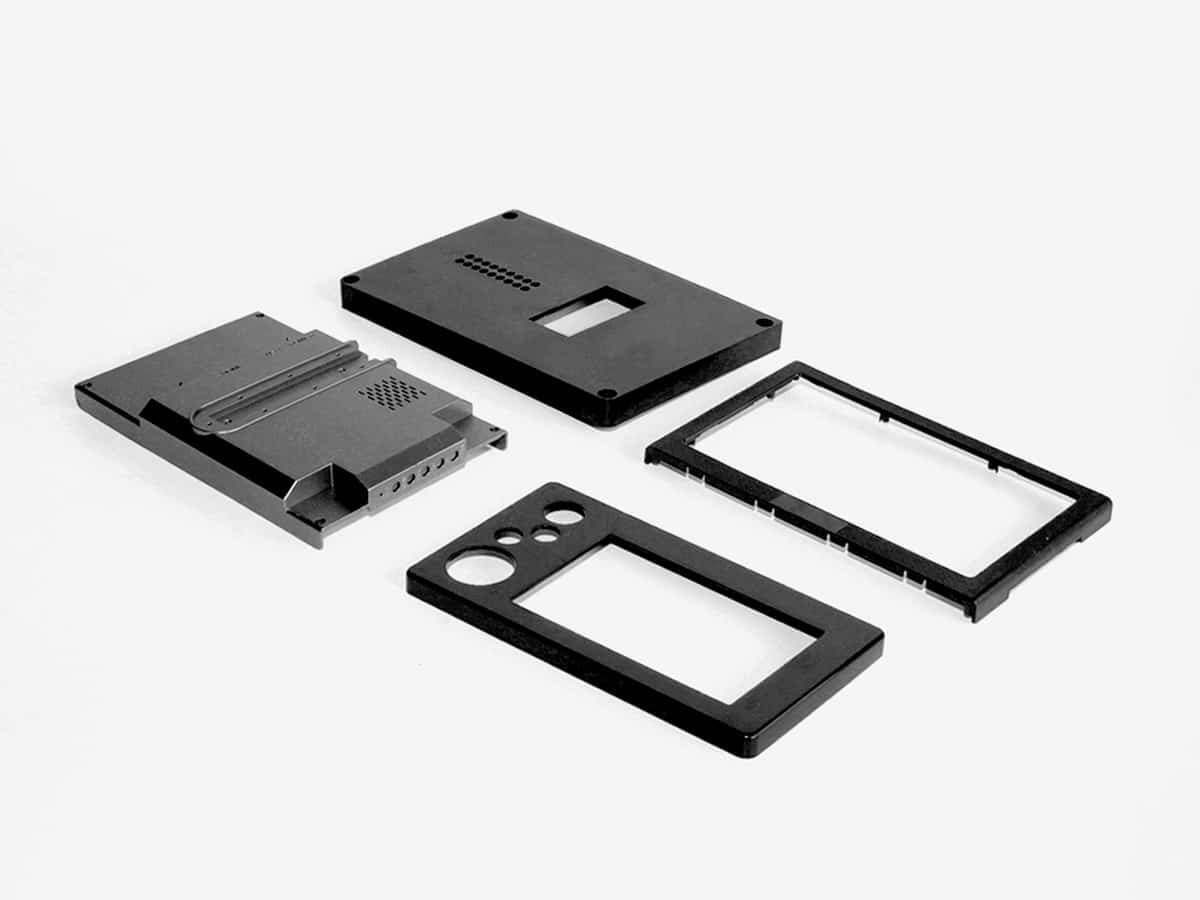
Plastic housings and covers protect internal components while giving products a finished look. Examples include electronic device shells, small appliance casings, game console covers, and even storage containers. Injection molding allows these parts to have precise dimensions, built-in ribs, snap fits, and other structural features.
Handles and Grips
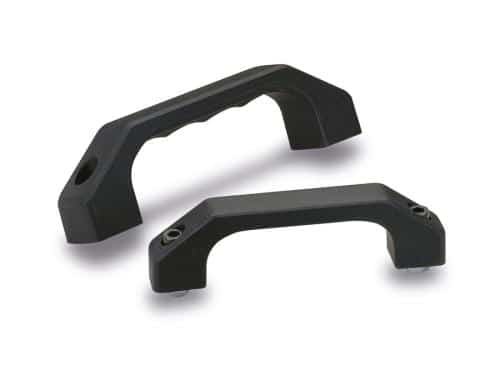
Plastic handles are used wherever comfort, durability, and lightweight construction are needed. Injection molding allows ergonomic designs with finger grooves, textured surfaces, or soft-touch overmolded grips. Everyday examples include kitchen utensil handles, luggage handles, and power tool grips.
Caps, Covers, and Closures
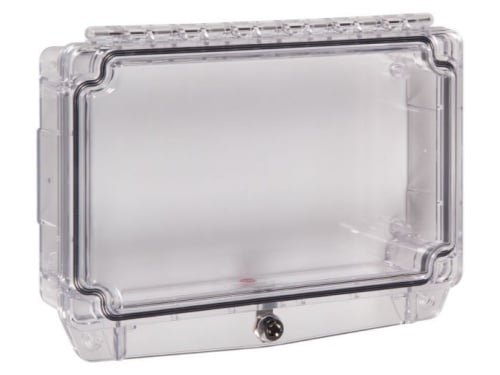
Products such as bottle caps, protective covers, lids, and plugs are often manufactured through injection molding. The process provides excellent dimensional consistency, which is critical when components must fit securely, seal properly, or withstand repeated opening and closing.
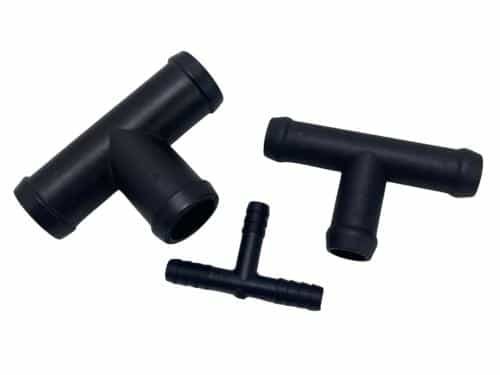
Connectors and Functional Components
Injection molding is widely used for parts that serve a structural or mechanical purpose. This includes clips, brackets, fasteners, gears, and cable management components. In daily life, examples include toy assembly pieces, plastic hinges, drawer slides, and snap-fit connectors in storage boxes or furniture.
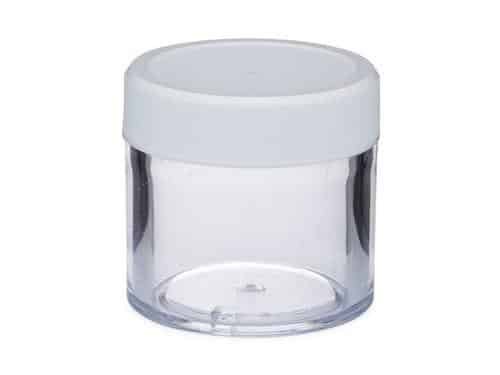
Transparent and Appearance-Critical Parts
Some injection molded parts are designed for appearance or clarity. Light covers, display windows, and decorative trims are common examples. Everyday items include clear plastic cups, transparent food containers, lamp covers, and refrigerator shelves.
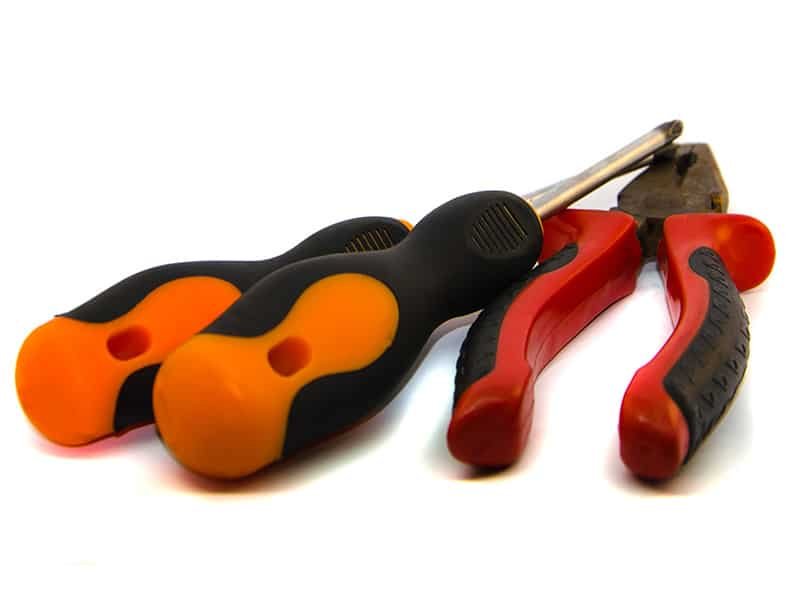
Multi-Material and Overmolded Products
Advanced injection molding allows combining materials in a single product. Examples include toothbrushes with soft rubber grips, power tool handles with TPE overmolding, or bottle caps with integrated sealing rings. This improves both functionality and user experience while reducing assembly steps.
Advantages of Injection Molding
Injection molding stands out as a production method for several key reasons:
- Lower cost at scale: Once the tooling is ready, the cost per part drops significantly in mass production, making it suitable for products that need stable long-term supply.
- Reliable repeatability: Each part is produced from the same mold, helping ensure consistent fit, function, and assembly performance across every batch.
- Design freedom without frequent redesigns: Complex structures, fine details, and integrated features can be built into the mold, reducing the need for additional machining or assembly steps later.
- Flexible production scale: Whether you are validating a prototype, launching a small batch, or scaling up to high-volume production, the same process can support different stages of your project.
- Reduced post-processing effort: Many surface and structural features can be formed directly in molding, helping reduce secondary operations such as machining, finishing, or assembly.
Applications of Injection Molded Products
Injection molding is widely used across industries because it can produce precise, durable, and complex plastic components efficiently. The process supports a variety of functional requirements while allowing customization in materials, shape, and surface finish.
Automotive Components
From the moment you open a car door, injection molded components are present. Interior trim pieces, cup holders, air vent frames, and dashboard buttons are all made with precise molds to ensure consistent fit and durability. Even small clips and fasteners that hold panels together rely on injection molding for strength and reliability.
Consumer Products
From kitchen utensils and storage containers to children’s toys and personal care items, injection molding creates durable, lightweight, and ergonomically shaped products. Handles on a whisk, lids for storage jars, toy figurines with fine details—all benefit from the repeatable precision of injection molding.
Electronics and Electrical Parts
Think of your smartphone, laptop, or game console. The protective casing, internal brackets, button caps, and connector housings are often injection molded. This ensures each part fits perfectly, protects delicate electronics, and can be produced efficiently in large volumes.
Medical Devices and Equipment
Syringes, diagnostic equipment housings, lab tools, and other medical components are often injection molded. The process provides consistent quality, tight tolerances, and the ability to meet strict regulatory standards.
Industrial Equipment and Functional Components
Machines and tools used in factories often contain injection molded components such as protective covers, gear housings, knobs, and grips. These parts must withstand mechanical stress, repeated use, and sometimes exposure to chemicals or heat, all while maintaining consistent dimensions.
Packaging
Closures, bottle caps, and reusable containers rely on injection molding for tight tolerances and secure sealing. This ensures products function reliably, whether it’s a sports bottle lid, a food container cap, or a technical packaging component.
Conclusion
Injection molding is a widely used manufacturing process that supports the production of a vast range of plastic products, from everyday consumer goods to critical industrial and medical components. Its value lies in the ability to turn a defined design into consistent, scalable, and production-ready parts.
If you are planning a custom injection molding project, Zhongde can support you from design review and tooling to production and delivery based on your specific requirements.