Types of Injection Mold Clamps
Injection mold clamps can be classified by their operating mechanism and clamping method. Different production environments require different approaches depending on mold size, changeover frequency, and machine configuration.
Manual Clamps (Bolts and Straps)
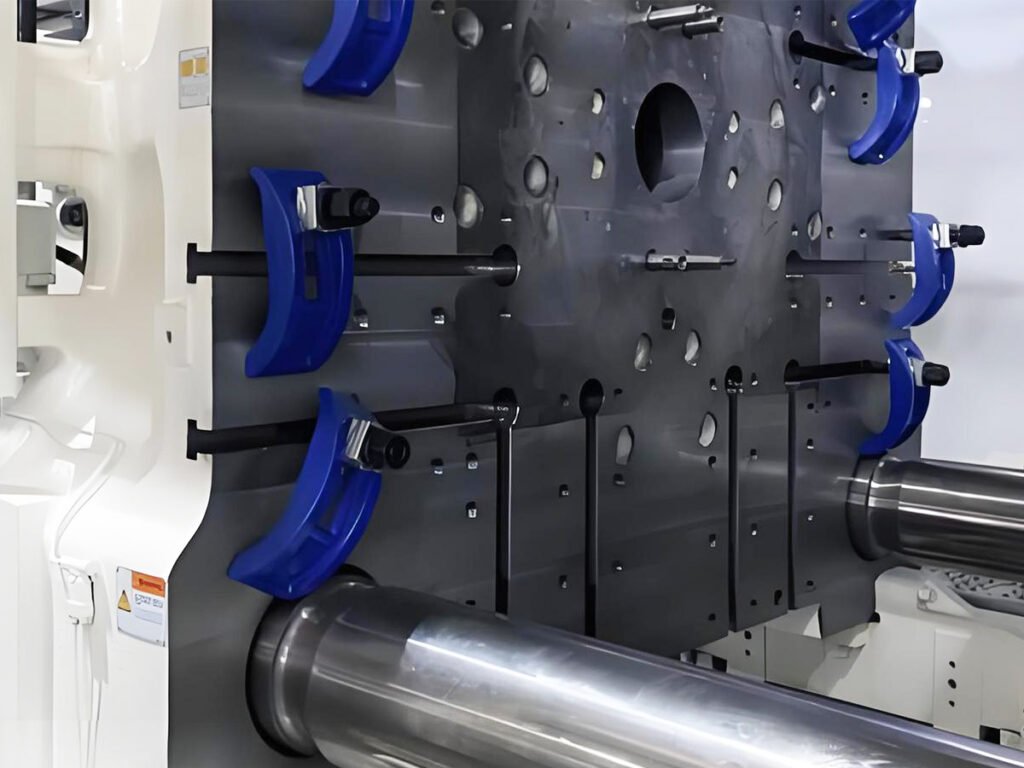
The traditional method uses T-slot bolts, straps, and toe clamps to secure the mold base to the machine platen. They are low-cost and mechanically simple but require manual tightening and adjustment, making them better suited for operations with infrequent mold changes.
Toggle Clamps
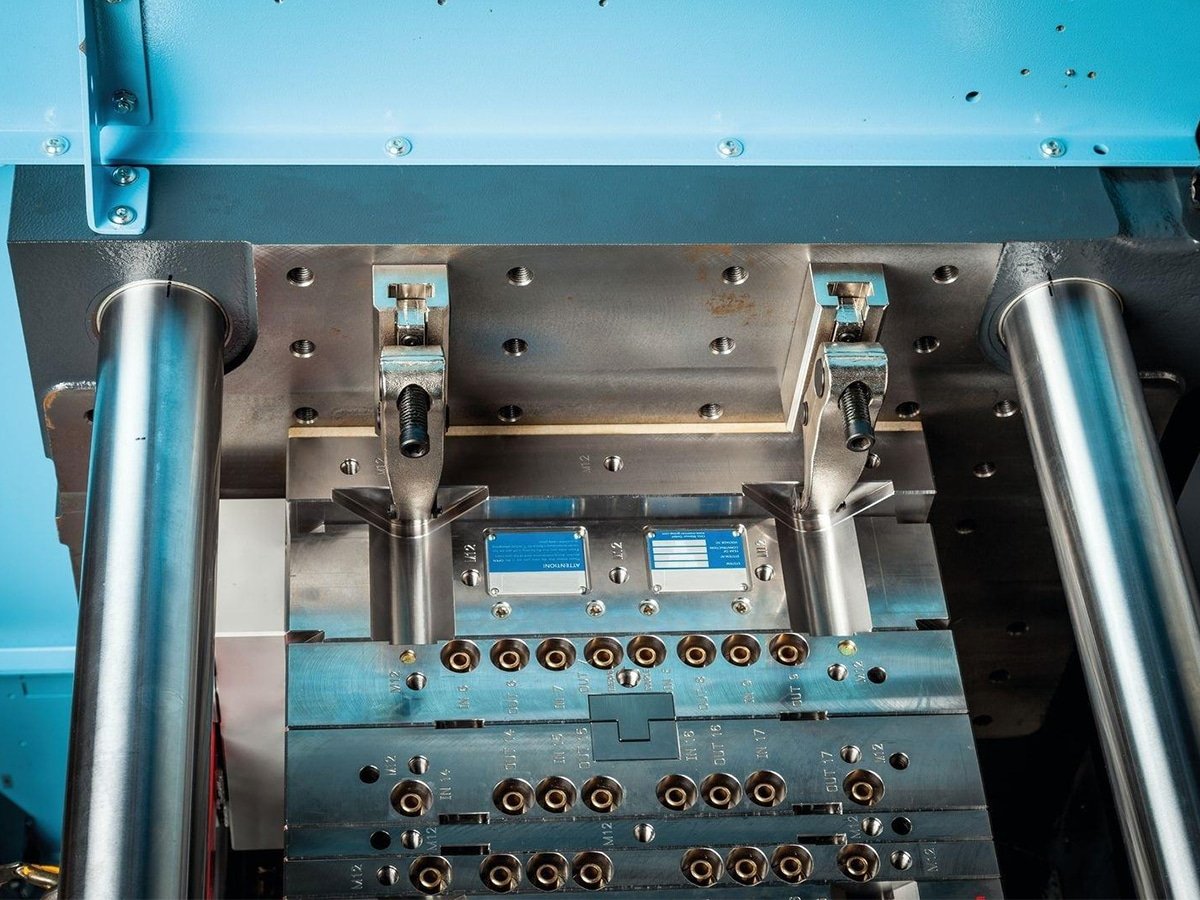
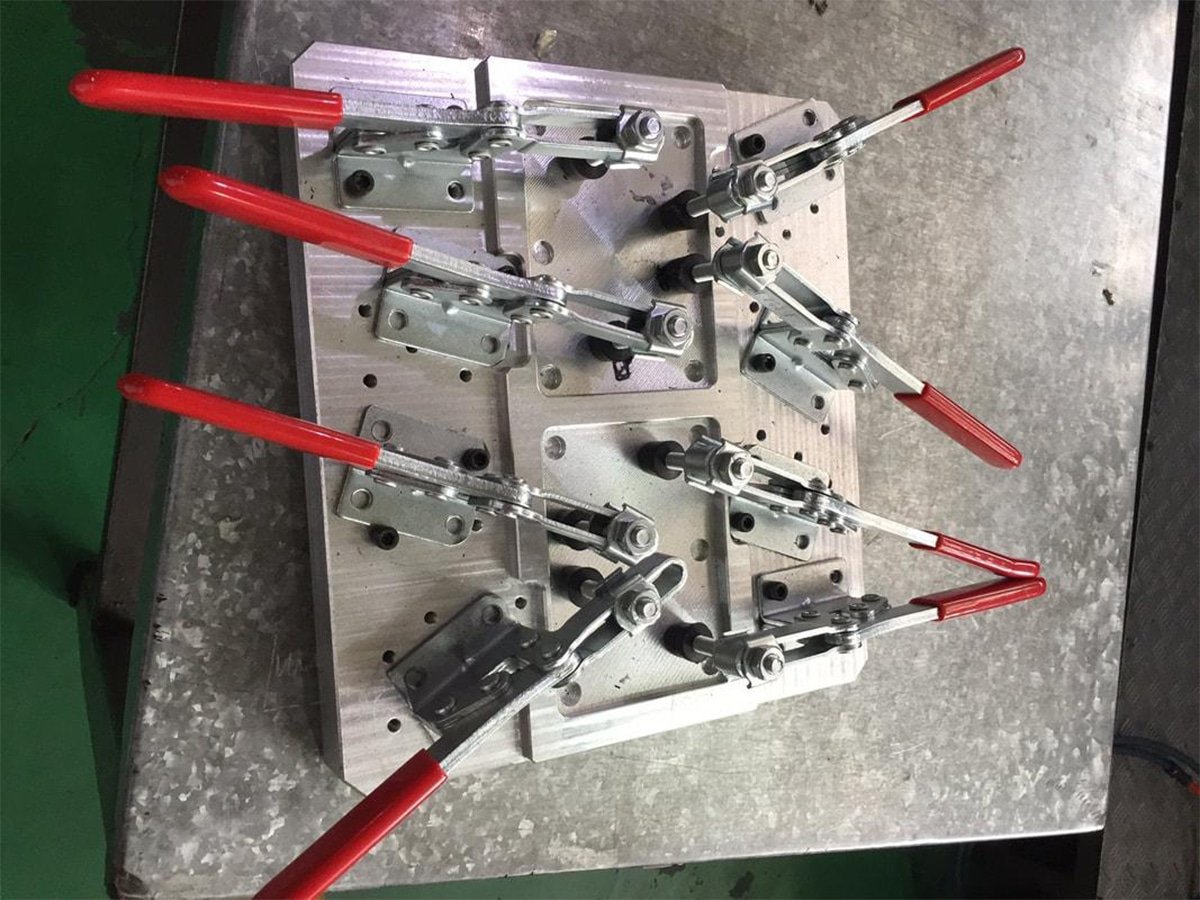
Toggle-style clamps use a mechanical linkage mechanism to provide quick manual locking. They are commonly used in smaller molding setups, auxiliary fixtures, or applications where fast operation is more important than extremely high holding force.
Hydraulic Clamps
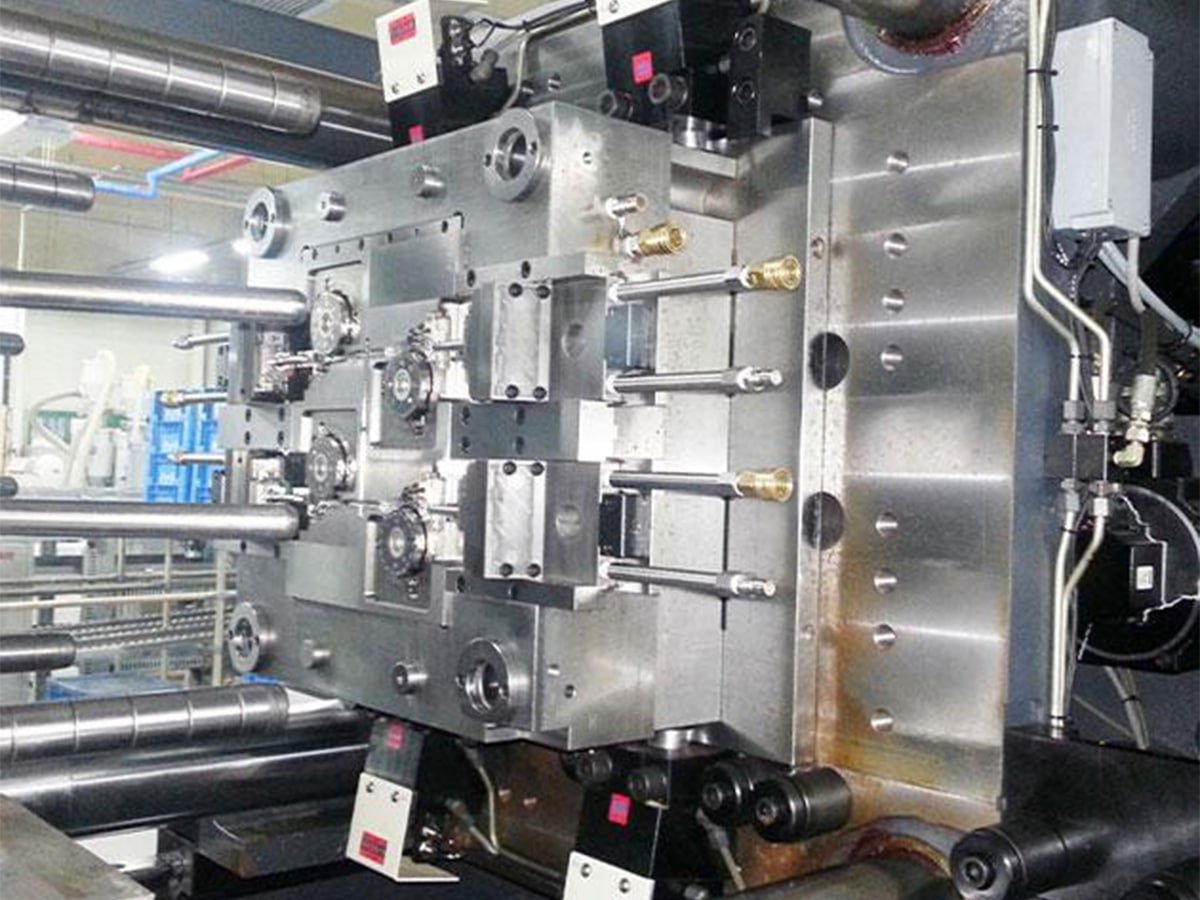
Powered by hydraulic cylinders, these clamps engage and release automatically with minimal operator effort, significantly reducing mold changeover time. Many systems include pressure monitoring features to verify clamp status and detect potential issues during operation.
Pneumatic Clamps
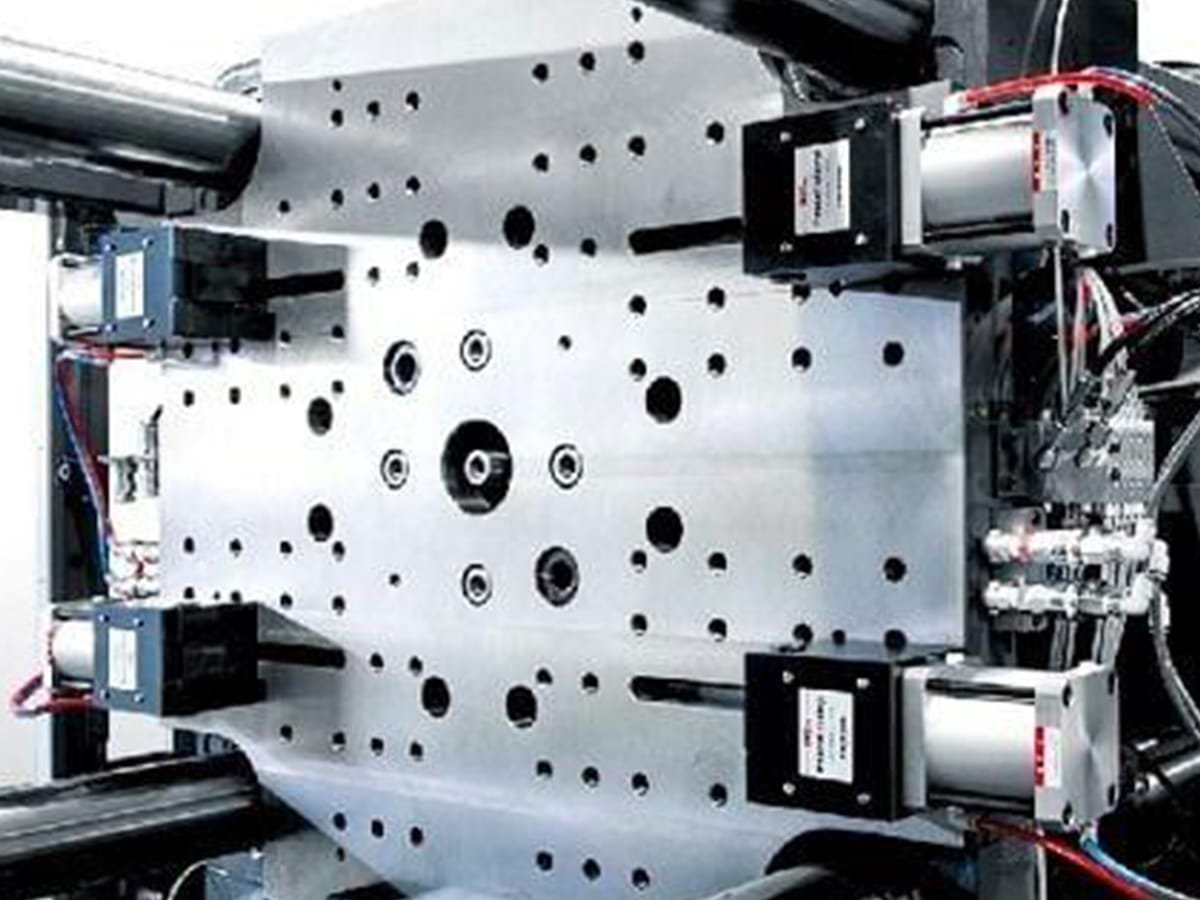
Pneumatic clamps operate using compressed air instead of hydraulic fluid. They provide clean operation and quick actuation but generally offer lower force capability and rigidity, making them more suitable for lighter-duty applications.
Magnetic Clamping Plates
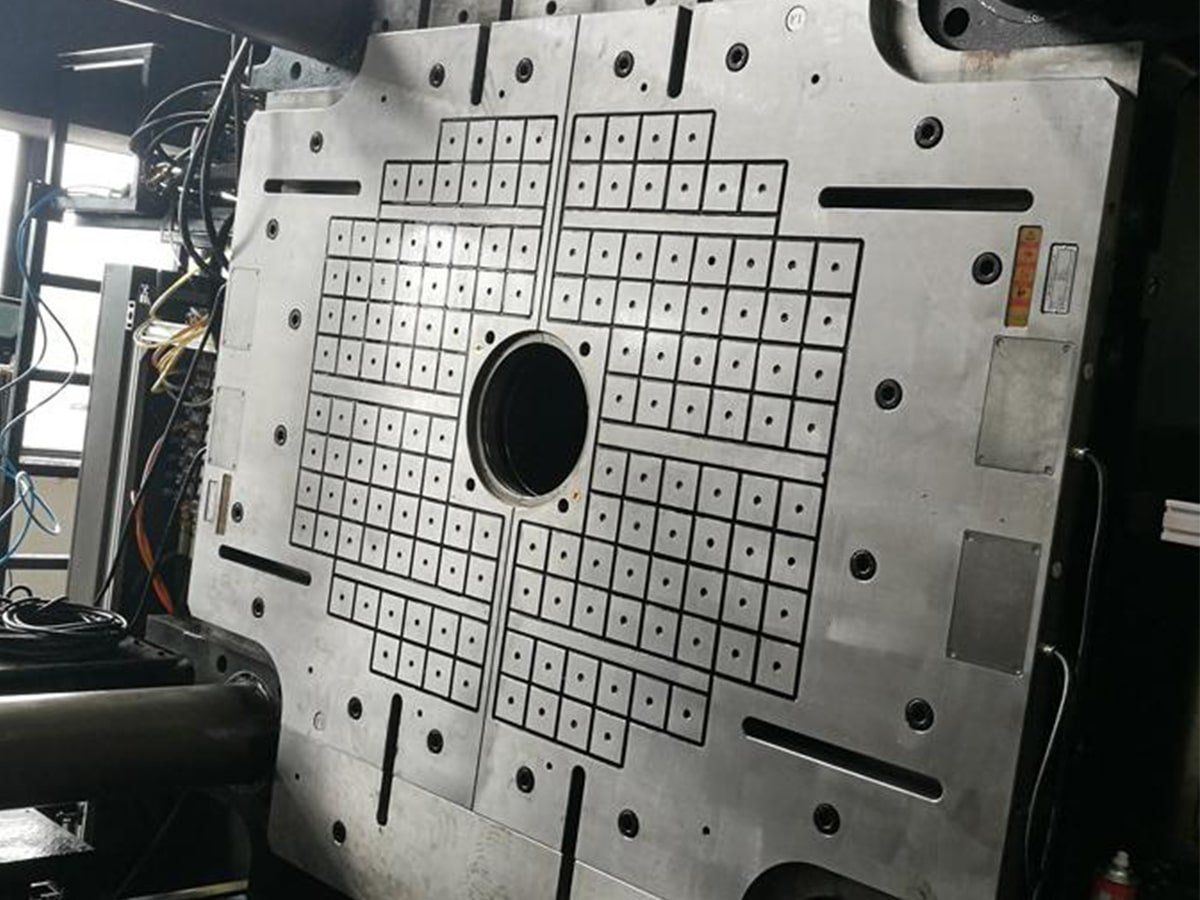
Magnetic clamping plates use electromagnetic force to hold the mold base securely against the machine platen without external bolts or straps. They allow fast mold installation and provide unobstructed access around the mold edges, but require proper compatibility between the mold material, machine, and magnetic system.
How to Choose the Right Mold Clamp
With the types covered, the next question is: which clamp type actually fits your operation? The right choice depends on mold size, machine setup, changeover frequency, and production conditions.
Mold Weight and Size
Larger and heavier molds require clamps with sufficient load capacity and enough contact points to prevent movement during mounting and production. Do not select clamps based only on mold weight — the clamp position, contact area, and platen layout also affect stability.
Mold Base Design
The mold base itself often determines which clamp types are practical. Some molds include dedicated clamping edges or surfaces, while magnetic clamping plates require a flat, ferromagnetic mold base for proper contact. Trying to retrofit an incompatible mold can create unnecessary modification costs.
Budget vs. Changeover Frequency
Choose the clamping system based on how often you change molds. Manual clamps are usually sufficient for operations with occasional mold changes, while hydraulic or magnetic systems make more sense for production environments where molds are swapped frequently and downtime directly affects output.
Production Environment
Operating conditions also influence clamp selection. High temperatures, contamination, or poor surface cleanliness can affect hydraulic components and magnetic contact performance. Choose a clamp system that matches the actual conditions on your shop floor.
Operator Skill and Staffing
Manual clamps are reliable when installed correctly, but they depend heavily on consistent operator practice. Incorrect bolt tightening or rushed setup can affect mold positioning. Automated clamps reduce this variation, making them more suitable for high-volume or multi-shift production.
Conclusion
Choosing the right injection mold clamp is about finding the right balance between mold requirements, machine compatibility, production frequency, and operating conditions.
At Zhongde, we consider mold installation and machine compatibility during the tooling stage to support stable injection molding production. With in-house mold making capabilities, we build molds based on the requirements of the final parts and production process, helping ensure consistent quality throughout manufacturing.