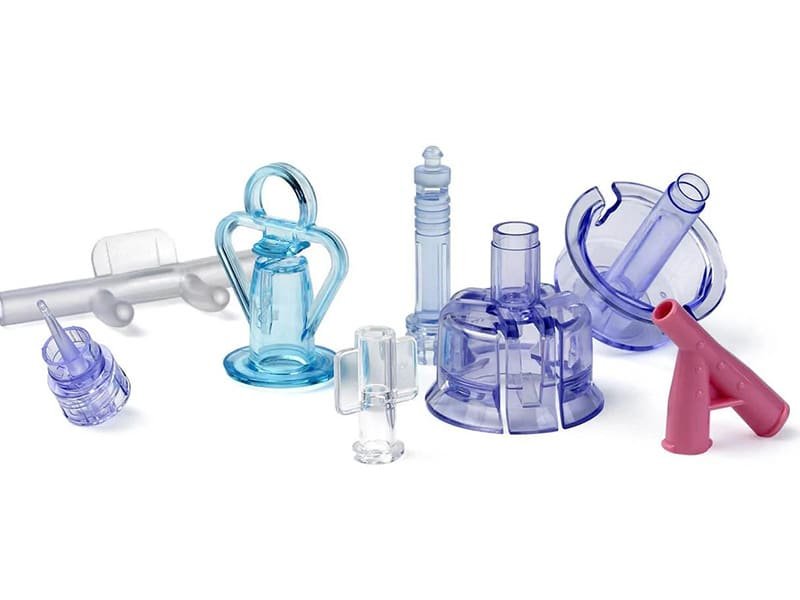
Medical injection molding is a highly specialized manufacturing process designed to produce high-precision medical components. Medical injection molding demands micron-level tolerances, biocompatible materials, and strict process control to meet regulatory compliance. At Zhongde Company, we specialize in custom medical injection molding solutions.
Common Materials for Medical Injection Molding
Material selection is a foundational aspect of medical injection molding. Each polymer must meet stringent standards for biocompatibility, sterilization, and mechanical performance. Our team provides expert guidance in selecting the most suitable materials for your device:
Polycarbonate (PC)
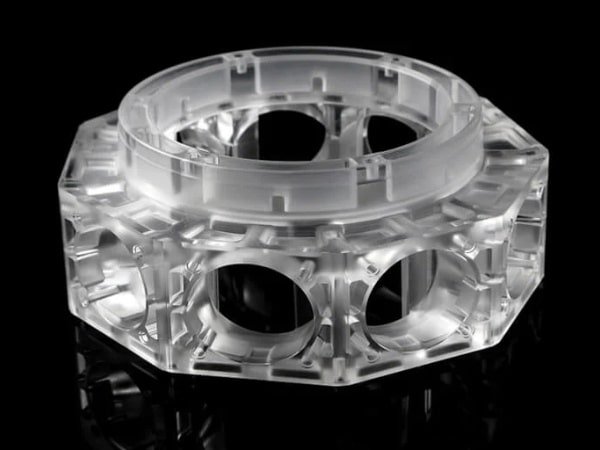
Polycarbonate is widely used for medical device housings and enclosures due to its high impact resistance, optical clarity, and dimensional stability. It is compatible with sterilization methods, including autoclaving and gamma irradiation. PC parts are durable, lightweight, and ideal for devices requiring transparency or mechanical strength.
Applications: Surgical device housings, diagnostic equipment covers, protective casings.
Polyether Ether Ketone (PEEK)
PEEK is a high-performance thermoplastic known for its exceptional mechanical properties and chemical resistance. It is suitable for components exposed to high temperatures and aggressive sterilization processes. Its biocompatibility makes it a preferred choice for implantable and surgical instruments.
Applications: High-performance surgical instruments, implantable component supports.
Polypropylene (PP)
Polypropylene is lightweight, chemically resistant, and suitable for applications requiring flexibility. It is compatible with several sterilization methods, including steam and ethylene oxide.
Applications: Connectors, tubing adapters, non-structural housings.
ABS and Other Engineering Plastics
Acrylonitrile butadiene styrene (ABS) and other engineering plastics are used when impact resistance and dimensional accuracy are needed at a competitive cost. These materials support intricate design features while meeting biocompatibility standards.
Applications: Control panels, device enclosures, instrument handles.
Key Technology in Medical Injection Molding
Zhongde offers different techniques for different medical injection molding projects.
Cleanrooms & Associated Controlled Environments
All production is conducted in ISO-classified cleanrooms, ensuring a controlled environment that meets strict regulatory standards for medical devices. The clean room includes an ISO Class 7 cleanroom used for critical medical components and an ISO Class 8 cleanroom for single-use consumables, housing, and secondary assembly.
Liquid Silicone Rubber (LSR) Injection Molding
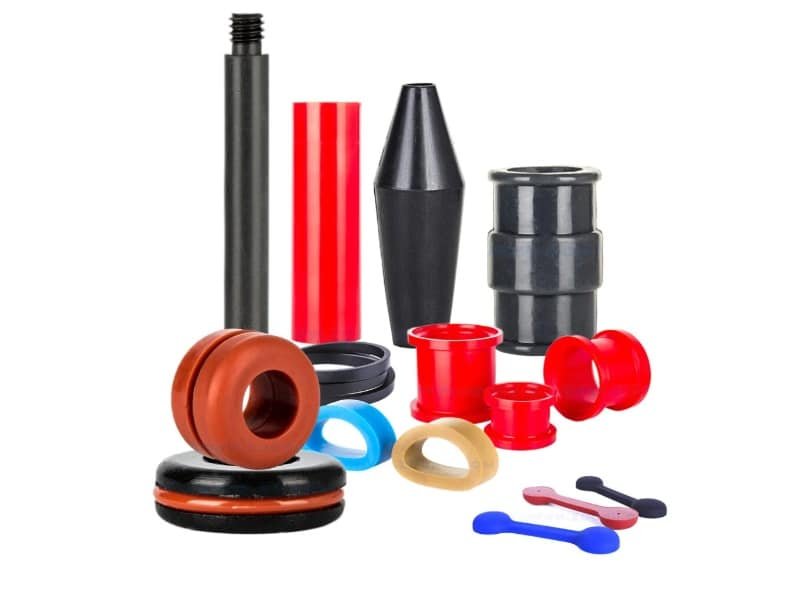
LSR injection molding is used to produce soft, flexible, and biocompatible components from liquid silicone rubber. We custom-molded seals, gaskets, flexible tubing, diaphragms, and soft-touch components in devices.
Multi-Shot & Overmolding Services
Our two-shot and overmolding capabilities let you combine rigid substrates with soft TPE/LSR in a single cycle to enhance fuctionality or ergonomics. Overmolding is used in syringe handles, catheter connectors, flexible seals, and other components where comfort, sealing, and functionality are critical.
Insert Molding
Insert molding integrates a pre-formed component—typically metal, ceramic, or another rigid insert—directly into the plastic during a single molding cycle. This technique is for producing hybrid parts in one operation, eliminating secondary assembly steps, reducing labor, and improving part integrity.
Regulatory Compliance & Quality Assurance
Medical injection molding is governed by stringent quality and regulatory frameworks:
ISO 13485: Quality management system requirements for medical devices.
ISO 10993: Biological evaluation and biocompatibility of materials.
ISO 14644: Cleanroom classifications, often Class 7 or 8 for molding and assembly.
FDA 21 CFR Part 11: Requirements for electronic records and process documentation to ensure traceability.
Good Manufacturing Practices (GMP): Hygienic and controlled production environments, including cleanroom gowning, material handling, and in‑process inspection.
Advantages of Medical Injection Molding
Medical injection molding offers several advantages over alternative manufacturing methods when producing medical‑grade components:
- High precision: Tolerances down to ±0.01 mm enable complex geometries and reliable assembly with mated components.
- Reproducibility: Large volumes of identical parts can be produced with consistent quality and validated process windows.
- Material efficiency: Less waste than machining or other subtractive methods, especially for expensive medical‑grade polymers like PEEK.
- Cost‑effectiveness: Once the mold is designed, validated, and qualified, high‑volume production significantly reduces per‑unit cost.
- Flexibility in material selection: Supports a wide range of biocompatible plastics tailored to different medical applications and sterilization methods.
- Complex geometry capability: Undercuts, thin walls, living hinges, and integrated features can be molded without secondary operations.
- Lightweighting and radiolucency: Advanced polymers reduce device weight and offer radiolucency for X‑ray or MRI where metal would interfere.
Challenges and Considerations in Medical Injection Molding
Despite its benefits, medical injection molding also presents several challenges that must be managed carefully:
- High tooling cost: Precision, multi‑cavity, and cleanroom‑compatible molds require significant upfront investment, especially for tight‑tolerance medical parts.
- Long tooling lead time: Tooling design, simulation, validation, and process qualification extend lead times before full‑scale production.
- Regulatory compliance: Meeting ISO 13485, FDA, and other regulatory requirements demands extensive process validation, documentation, and risk management.
- Process control: Strict monitoring of temperature, pressure, cycle time, and cleanroom conditions is required to avoid defects such as warping, sink marks, contamination, or incomplete fills.
Cooperate with Zhongde
Medical injection molding is critical for producing high-precision, durable, and biocompatible medical device components. At Zhongde Company, we combine advanced molding technologies, strict process control, and extensive material expertise to deliver custom solutions tailored for enclosures, seal parts, etc. From injection molding to overmolding, multi-material, insert, and LSR injection. Cooperate with us to transform your designs into reliable, high-quality medical device components efficiently and safely.