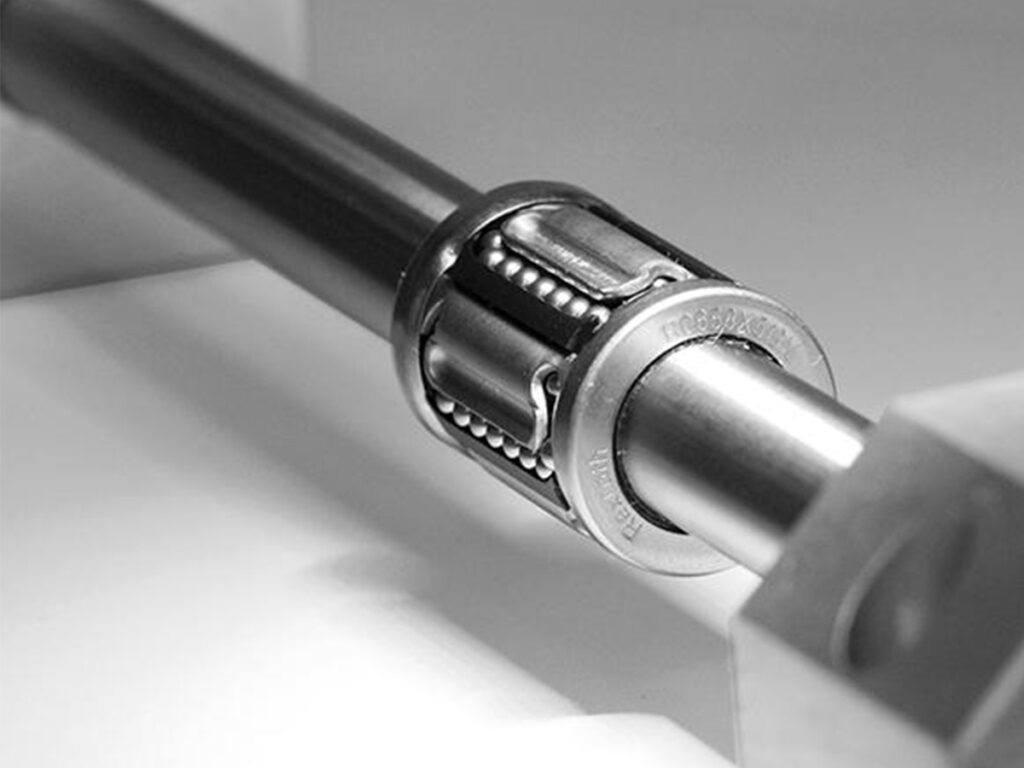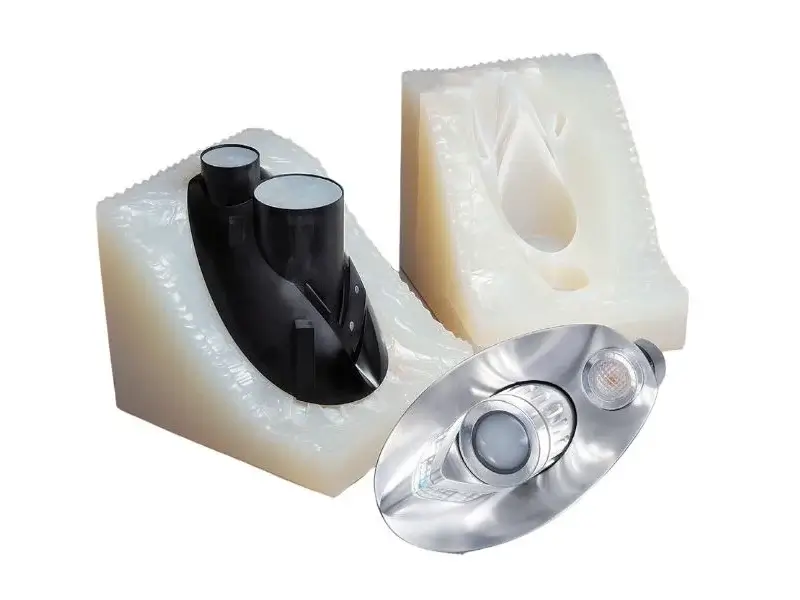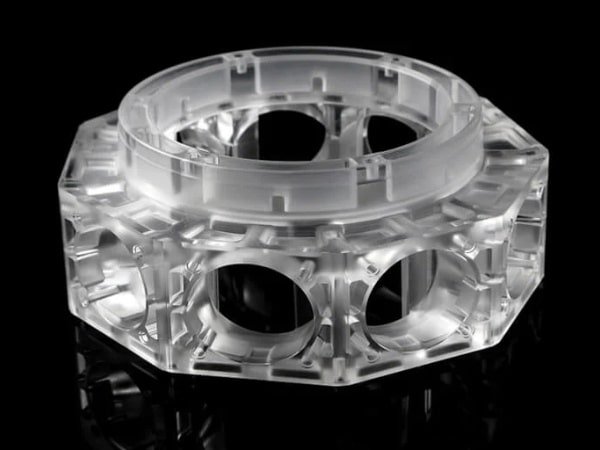
CNC polycarbonate machining is a reliable way to manufacture precise polycarbonate components with tight tolerances and smooth surface finishes. It is commonly used to produce machined plastic parts that require both durability and optical clarity, making it a practical choice for a wide range of industrial applications.
To better understand the advantages of this process, it is important to first look at the properties of polycarbonate machining material and the key CNC methods used to shape it into high-performance parts.
What is Polycarbonate?
Polycarbonate (PC) is a strong and transparent engineering plastic that combines the clarity of glass with the toughness of metal-like plastics. If acrylic feels like clear but fragile glass, polycarbonate feels more like a clear safety shield—it lets light pass through while resisting impact much better than ordinary transparent plastics.
This balance of transparency and toughness is what makes polycarbonate so useful in CNC machining. It can be machined into precise parts that need to stay clear, strong, and dimensionally stable, such as machine guards, transparent covers, and electronic housings.
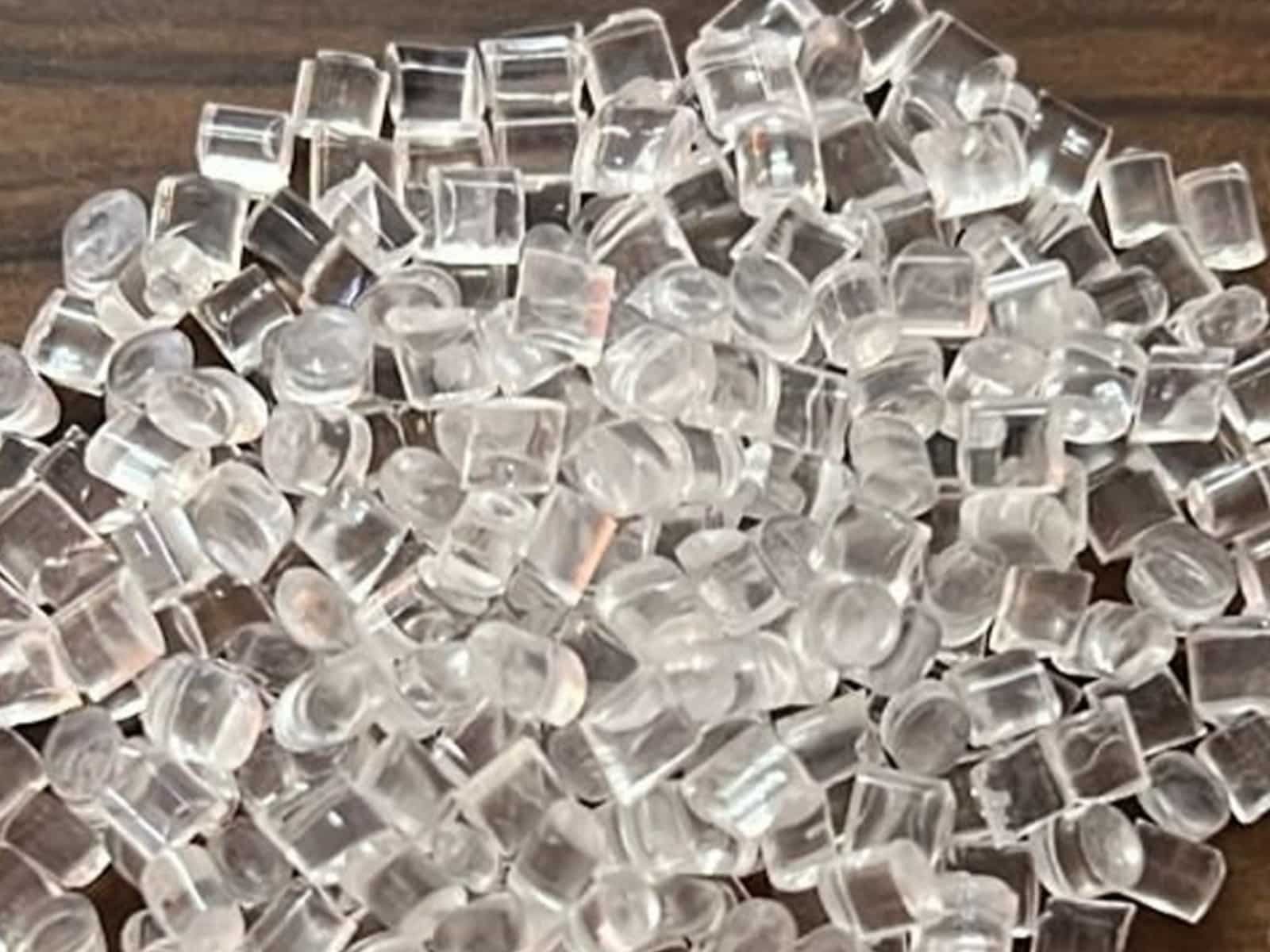
Key Material Properties of PC
The performance of PC material can be understood through several typical property values:
- Density: approximately 1.20 g/cm³, providing a lightweight alternative to metal materials
- Tensile strength: around 60–70 MPa, offering good structural strength for functional components
- Impact strength: up to 850 J/m, significantly higher than acrylic, making it ideal for impact-resistant parts
- Heat deflection temperature: approximately 125–135°C, allowing the material to maintain stability under moderate heat
- Light transmission: up to 88–90%, suitable for transparent covers and optical components
These properties make PC particularly suitable for CNC machining applications where durability, precision, and visibility are required.
Common Types of Polycarbonate
Polycarbonate is available in several grades, each designed for different uses.
General Purpose PC
This is the most common type, offering a balance of strength, clarity, and machinability. It is often used for transparent covers and machined housings.
Glass-Filled PC
This type contains glass fibers to improve stiffness. You can think of it as reinforced polycarbonate—less transparent, but stronger and more rigid for structural parts.
Flame-Retardant PC
This grade is designed for applications where fire resistance is important, especially in electrical and electronic components.
UV-Resistant PC
UV-resistant polycarbonate is made for outdoor use. It resists yellowing and degradation from sunlight, helping transparent parts stay clear longer.
Acrylic vs Polycarbonate CNC Machining
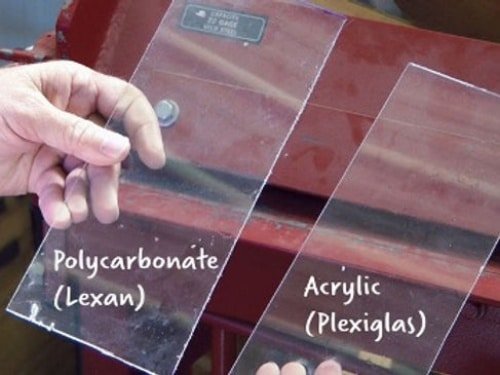
Although acrylic and polycarbonate may look similar at first glance, they perform very differently in real applications. Acrylic offers excellent transparency—up to 92% light transmission—giving it the clear, glossy appearance often seen in display covers, signs, and lighting panels. If visual clarity is the priority, acrylic is usually the better choice.
Polycarbonate, however, is built for toughness. While it may not be quite as optically clear as acrylic, its impact resistance is dramatically higher—up to 850 J/m compared with acrylic’s 15–20 J/m. In practical terms, acrylic behaves more like glass: clear and attractive, but easier to crack under force. Polycarbonate is more like a transparent shield: slightly less clear, but strong enough to withstand repeated impact. For CNC machined parts that need durability, such as machine guards or protective covers, polycarbonate is often the more reliable option.
Methods for Polycarbonate CNC Machining
Imagine you have a block of clear, tough plastic—polycarbonate (PC)—and you want to turn it into parts that fit perfectly in machines, gadgets, or protective covers. Just like using different tools to shape clay, CNC machines use specific methods to carve, drill, and shape PC depending on the part you need.
CNC Milling
Think of CNC milling like a tiny, super-precise sculptor. It spins a cutting tool at high speed and “shaves” the PC to create flat surfaces, slots, or intricate shapes. You can make things like a transparent cover for a gadget or a custom panel for a machine. Milling can capture detailed contours, just like carving a miniature toy from a block of modeling clay.

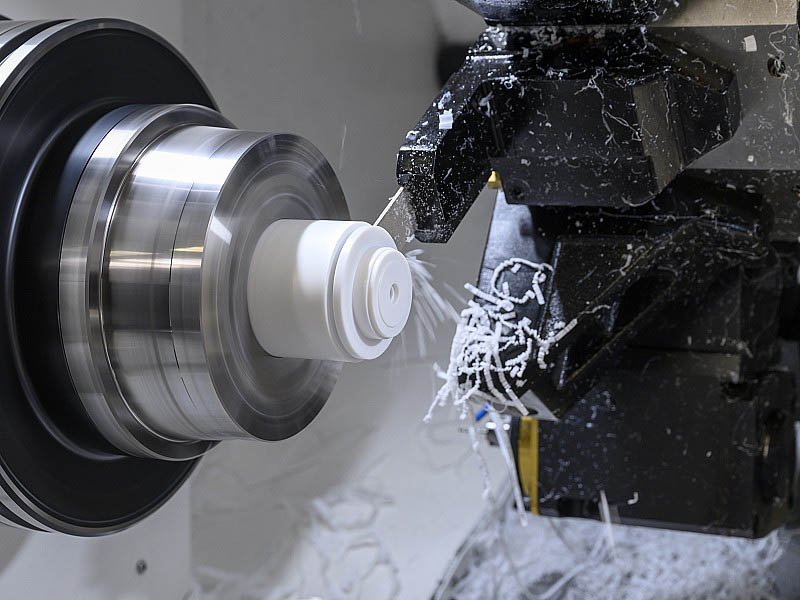
CNC Turning
CNC turning is like putting the PC on a spinning potter’s wheel and shaping it with a tool. It’s perfect for cylindrical items like rods, spacers, or bushings. Imagine spinning a piece of clay and using your hands to form it into a smooth cup or cylinder—turning does the same for PC, but with precise dimensions and repeatable results.
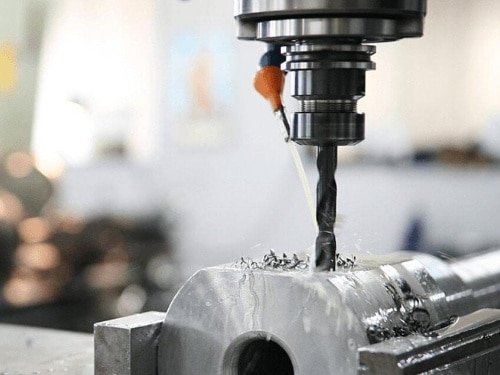
CNC Drilling
CNC drilling is like poking holes with a very steady finger or a pencil tip—but much faster and more accurate. It’s used to create precise holes in PC parts for screws, fasteners, or channels. The challenge is not to melt the plastic with friction, so the “finger” has to press gently and move carefully.
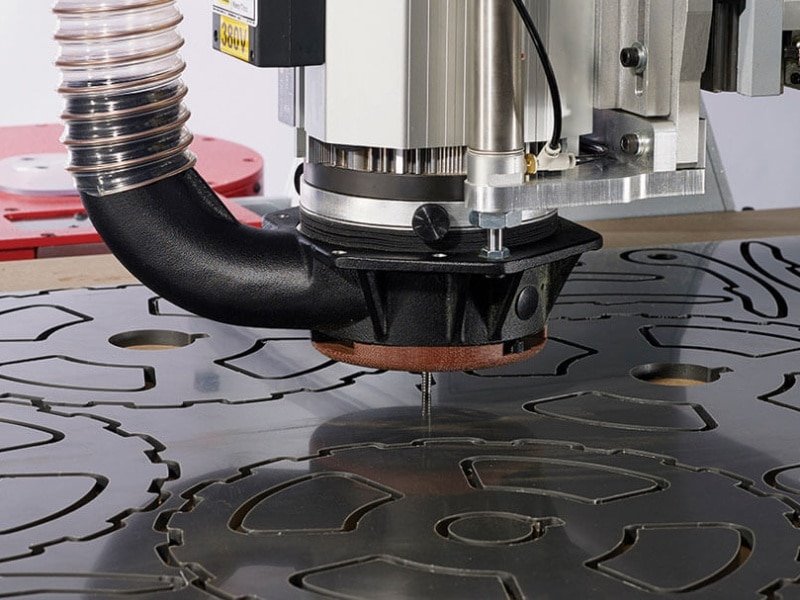
CNC Routing
Routing is like using a cookie cutter on a large sheet of polycarbonate. The cutter moves along the edges to cut out shapes or outlines quickly. This method is great for large panels, signs, or protective guards where you want clean, smooth edges without breaking the sheet.
Process of Polycarbonate CNC Machining
Turning a block of polycarbonate into a precise, functional part is not done in a single step. It is a controlled, step-by-step process—more like carefully shaping and refining a piece of material than simply cutting it away.
Material Preparation
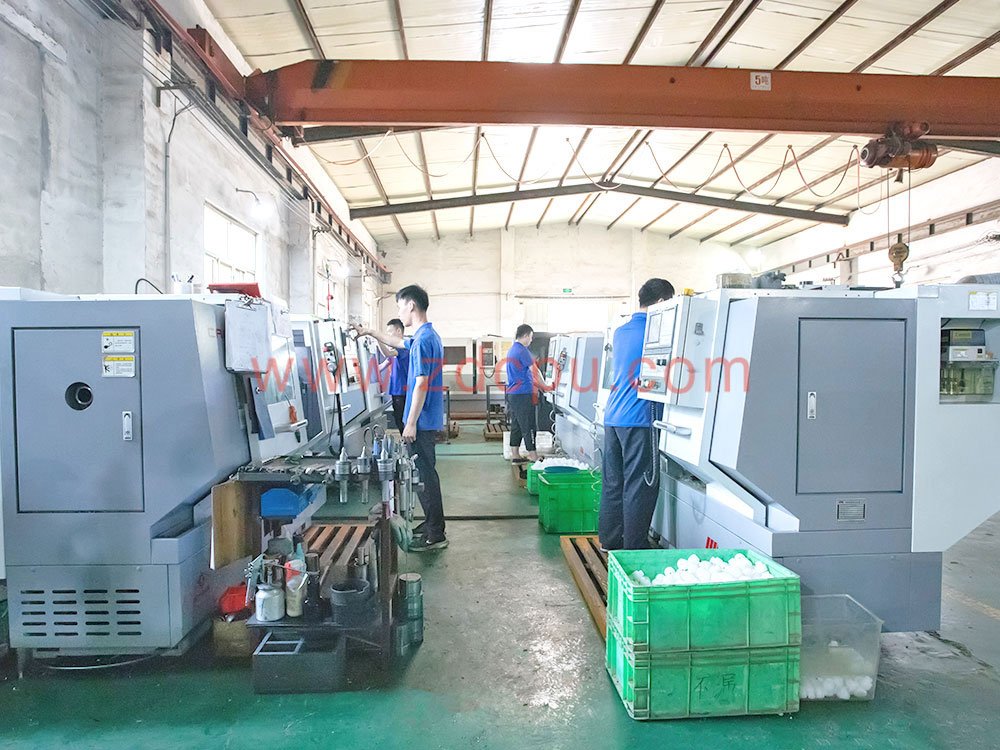
The process begins with selecting the right polycarbonate stock, usually in the form of sheets, rods, or blocks. The material is cut to a workable size and secured firmly on the CNC machine bed.
This step is important because a stable setup ensures the material remains in position during machining, allowing accurate cuts throughout the process.
CNC Programming and Setup
Before any cutting begins, the machining path must be defined. Engineers create a CNC program that tells the machine exactly where to move, how fast to cut, and how deep each pass should be.
This step is similar to planning a route before a journey. Without a clear path, even the best machine cannot produce accurate parts.
Machining and Shaping
Once the setup is complete, the machine begins removing material using milling, turning, or drilling operations. The cutting tools gradually shape the polycarbonate into the desired geometry.
At this stage, the process is more like controlled sculpting than rough cutting. Because polycarbonate is tough but sensitive to heat, the cutting speed and tool path must be carefully managed to avoid melting or surface damage.
Finishing and Surface Refinement
After the main shape is formed, additional finishing steps may be applied to improve surface quality. This can include fine machining, polishing, or edge smoothing to achieve better clarity and appearance.
For transparent parts, this step is especially important—it is what transforms a cloudy or rough surface into a clean, clear finish.
Inspection and Quality Control
Finally, the machined part is inspected to ensure it meets dimensional tolerances and surface requirements. Measurements are checked, and any defects are identified before the part is approved for use.
This final step ensures that the part not only looks correct but also performs as expected in its application.
Design Tips for Polycarbonate CNC Machining
Polycarbonate is strong and easy to machine, but achieving accurate dimensions and a clean surface finish still depends on thoughtful part design. Small design details—such as wall thickness, corner shape, or machining allowance—can directly affect the quality of the final part.
Keeping a few practical design guidelines in mind can help improve machining accuracy while reducing the risk of surface defects or part deformation.
Maintain Consistent Wall Thickness
Keeping wall thickness as uniform as possible helps improve dimensional stability during machining. If some areas are much thicker than others, uneven internal stress may lead to distortion or surface inconsistency.
A balanced wall design allows the material to remain stable throughout the cutting process, resulting in more reliable part accuracy.
Avoid Sharp Internal Corners
Although CNC tools can create precise features, perfectly sharp internal corners are difficult to machine because cutting tools are round.
Adding corner radii makes the machining process smoother, reduces tool stress, and improves the overall finish of the part. It also helps avoid unnecessary machining complexity.
Allow Space for Heat Control
Polycarbonate machines well, but it can soften if excessive heat builds up during cutting. Features that require deep cuts or narrow tool paths may generate more heat, which can affect surface quality.
Designing parts with reasonable tool access and machining space helps maintain stable cutting conditions and reduces the risk of melting or edge damage.
Consider Surface Finish Requirements Early
If the final part requires transparency or a smooth cosmetic appearance, this should be considered during the design stage. Fine finishes often require additional machining passes or polishing allowances.
Planning for the desired finish in advance helps achieve better clarity while avoiding unnecessary rework.
Set Realistic Tolerances
Tight tolerances improve precision, but specifying unnecessarily strict tolerances can increase machining time and cost.
Defining tolerances based on the actual functional needs of the part helps balance accuracy, manufacturability, and efficiency.
Key Parameters for Successful PC CNC Machining
Even the best-designed polycarbonate part needs proper control during machining to achieve a smooth surface, tight tolerances, and reliable performance. Several key parameters influence the outcome, each affecting the final quality in different ways.
Cutting Speed
Cutting speed determines how fast the tool moves across the material. Too fast, and the tool may chatter or leave rough edges; too slow, and the operation becomes inefficient. Striking the right balance ensures clean, precise cuts and consistent surface quality.
Tool Type and Geometry
The shape and sharpness of the cutting tool are crucial. Properly selected tools—such as end mills or drills designed for plastics—reduce friction, prevent tearing, and maintain clean edges. Tool geometry also affects how chips are ejected, influencing both finish and dimensional accuracy.
Clamping and Workholding
How the part is secured can make or break a machining operation. Poorly held pieces may vibrate or shift, leading to inaccurate dimensions or surface imperfections. Using appropriate clamps or fixtures ensures the polycarbonate remains stable throughout cutting.
Heat Control
One of the biggest challenges in machining polycarbonate is controlling heat buildup. Excessive heat can cause the material to soften, resulting in poor edge quality or surface marks.
Proper heat management through suitable cutting conditions helps preserve dimensional stability and maintain a cleaner surface finish.
Chip Removal
During machining, chips must be removed efficiently to prevent them from rubbing against the cutting area. If chips accumulate, they can generate extra heat and scratch the part surface.
Good chip evacuation helps maintain cleaner cuts and reduces the risk of surface defects.
Applications of Polycarbonate CNC Machining
Polycarbonate CNC machining is often used to create parts that need to be both strong and transparent. These parts are common in products where visibility matters, but ordinary clear plastics would be too easy to crack or break.
You may not notice them at first, but CNC machined polycarbonate parts are often the clear protective pieces you see on machines, equipment, and devices in everyday industrial use.
Protective Covers and Safety Guards
Many industrial machines use transparent covers so operators can see the moving parts inside while staying protected. These covers need to be clear enough for visibility, but also strong enough to resist impact.
CNC machined polycarbonate is often used for these guards because it combines the visibility of clear plastic with the toughness needed for industrial protection.
Equipment Panels and Clear Housings
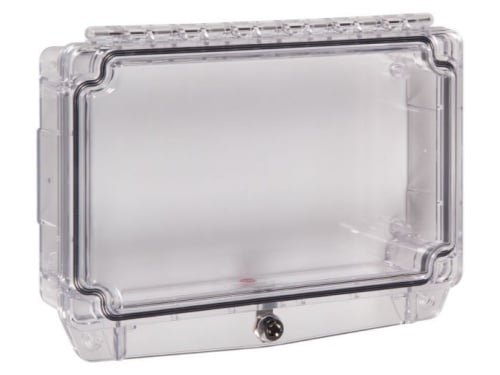
Transparent panels are often used on electronic devices, control equipment, and enclosures. These parts may look simple, but they often require precise openings for buttons, connectors, and displays.
Polycarbonate is a practical choice here because it can be machined accurately while maintaining a clean, clear appearance.
Medical and Laboratory Shields
In medical and laboratory equipment, transparent shields and covers are often needed so users can monitor what is happening inside while protecting the equipment.
Polycarbonate works well in these applications because it stays clear while offering better durability than more brittle transparent plastics.
Custom Prototypes
When a product design requires a clear and durable plastic part, polycarbonate is often used for custom prototypes. This allows designers to test the look, fit, and function of the part before full production.
CNC machining makes it possible to create these prototypes quickly and with high precision.
Conclusion
Polycarbonate CNC machining offers an effective way to produce precise plastic parts with a strong balance of durability, clarity, and dimensional accuracy. With the right material selection, machining methods, and process control, it can deliver reliable results for a wide range of custom applications.
If you need custom CNC machined polycarbonate parts, Zhongde can help you move from design to production with reliable machining support and consistent quality. Contact Zhongde to discuss your polycarbonate machining project and find the right solution for your application.