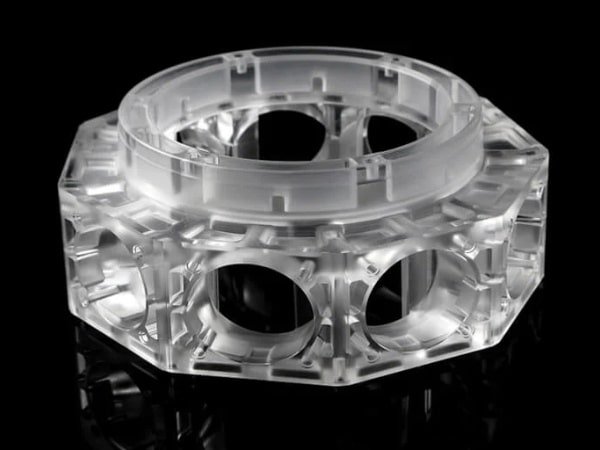
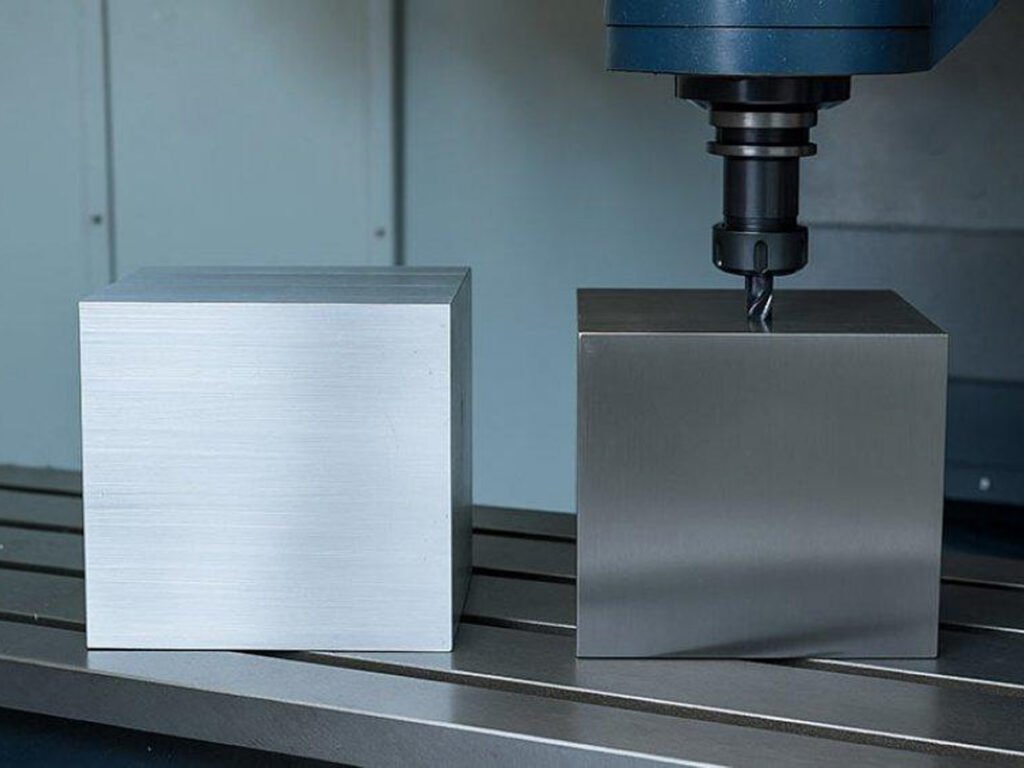
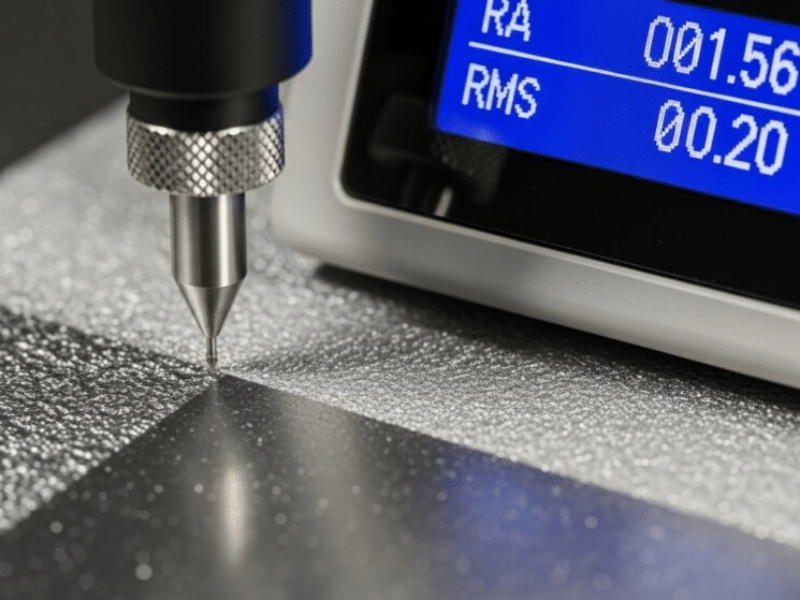
Acrylic CNC machining is an important manufacturing process for producing high-precision and visually striking acrylic components. This article will explore the basic of acrylic CNC machining and common applciations.
What Is Acrylic?
Acrylic, scientifically known as polymethyl methacrylate (PMMA), is a transparent thermoplastic often used as a lightweight, shatter-resistant alternative to glass.
Why Acrylic Is Ideal for CNC Machining?
Acrylic’s unique material characteristics make it highly suitable for CNC machining and the production of various machined plastic parts used across industries. The following points highlight why acrylic for cnc machining is advantageous:
Excellent Optical Transparency: Acrylic can transmit up to 92% of visible light. Acrylic’s glass-like transparency is making it perfect for applications needing crystal-clear transparency.
Lightweight: Approximately half the weight of glass, acrylic reduces component weight.
Durability: With high impact resistance, acrylic withstands shocks better than glass.
Weather and UV Resistance: Acrylic maintains its clarity and strength under prolonged exposure to sunlight and harsh weather, perfect for outdoor use.
Ease of Machining: Acrylic is softer than metals and many other plastics, enabling fast cutting and shaping with CNC without excessive tool wear.
Thermal Stability: Acrylic resists temperatures up to about 80-90°C (176-194°F), tolerating many manufacturing environments.
Dimensional Stability: Acrylic holds precise shapes and tolerances.
Cost-Efficient: Compared to other optical plastics, acrylic remains affordable.
Customizable Surface Finish: Acrylic adapts well to post-processing like polishing and engraving to produce smooth, glossy surfaces or textured effects.

Types of Acrylic for CNC Machining
Although acrylic is often treated as a single material, it is actually available in different forms, and each type behaves differently during CNC machining. These differences can affect edge quality, surface finish, machining stability, and overall cost.
The two most common types used in CNC machining are cast acrylic and extruded acrylic. Understanding how they differ can help you choose the right material before production begins.
Cast Acrylic
Cast acrylic is produced by pouring liquid acrylic resin into molds, which gives the material better optical clarity and improved surface hardness.
For CNC machining, cast acrylic is often preferred when high transparency and polished edges are required. It also tends to machine with less melting, making it suitable for applications where appearance is important, such as display panels, lenses, and decorative components.
However, cast acrylic is usually more expensive than extruded acrylic.
Extruded Acrylic
Extruded acrylic is made by pushing acrylic material through rollers to form sheets. This process makes it more cost-effective and provides more consistent thickness.
In CNC machining, extruded acrylic is easier to produce in larger quantities, but it is more sensitive to heat during machining. This means it may melt more easily and may not produce the same polished finish as cast acrylic.
It is commonly used for general-purpose parts where cost efficiency is more important than optical appearance.
Choosing Between Cast and Extruded Acrylic
The choice between cast and extruded acrylic depends on the priorities of the application.
If the part requires better clarity, cleaner edges, and improved surface finish, cast acrylic is usually the better option. If lower cost and dimensional consistency are the main priorities, extruded acrylic may be more suitable.
Understanding these differences helps ensure better material selection before Acrylic CNC machining begins.
Steps for Acrylic CNC Machining
The cnc acrylic machining process involves multiple carefully coordinated steps to ensure precision and quality:
Design Phase (CAD Modeling)
The first step is creating a detailed 3D CAD (computer-aided design) model of the acrylic part.
Material Selection
Choose the appropriate acrylic sheet or billet between cast or extruded acrylic based on the project’s needs.
Programming CNC Machining Paths (CAM)
Using CAM (computer-aided manufacturing) software, the CAD data is converted into G-code, defining toolpaths, feed rates, and spindle speeds.
Workpiece Setup
Secure the acrylic sheet or block on the CNC machine using clamps, vises, or a vacuum table.
CNC Machining Execution
The machine performs cutting operations such as milling, turning, drilling, cutting, and engraving on the acrylic workpiece, shaping it precisely according to the design.
Post-Processing
Post-cutting processing include polishing edges to restore clarity, removing burrs, cleaning chips, and assembling parts if needed.
Key Acrylic CNC Machining Techniques
CNC machining acrylic involves several processes, each suited to specific part geometries and applications.
CNC Milling Acrylic
CNC milling involves using rotary cutting tools to precisely remove material from acrylic blocks or sheets. This technique is ideal for shaping complex geometries, flat surfaces, and custom panels. The multi-axis milling machines allow for detailed contouring and finishing.

CNC Turning Acrylic
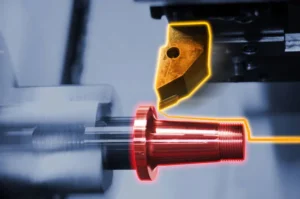
In CNC turning, acrylic blanks are rotated on a lathe while a single-point cutting tool sculpts the outer profile. This process is especially suitable for creating round or symmetrical parts.
CNC Drilling Acrylic
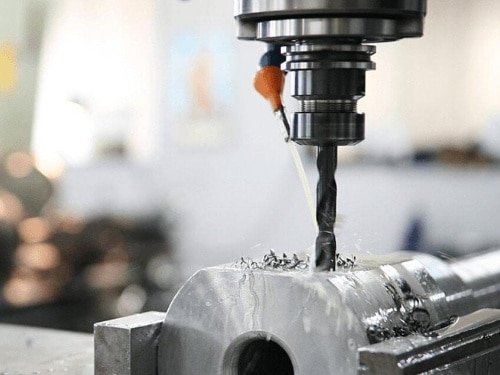
CNC drilling uses specialized drill bits to create precise holes in acrylic components. This includes holes of various sizes, multiple hole patterns, and even angled or countersunk holes.
CNC Cutting Acrylic
CNC cutting employs high-speed cutting tools or routers to slice acrylic sheets into precise shapes and profiles.

CNC Engraving Acrylic
CNC engraving is used to etch fine surface details such as text, logos, patterns, or artwork onto acrylic parts.

Design Factors for Acrylic CNC Machining
When designing acrylic parts for CNC machining, several factors should be considered to ensure good machining quality and reliable part performance. Because acrylic is clear but relatively brittle, thoughtful design can help reduce machining problems and improve the final result.
Maintain Proper Wall Thickness
Wall thickness has a direct impact on the strength and stability of acrylic parts. If the walls are too thin, the material may crack or deform during machining. If the walls are too thick, machining time increases and internal stress may build up.
Keeping wall thickness consistent throughout the design helps improve machining stability and reduces the risk of defects.
Avoid Sharp Internal Corners
Sharp internal corners can be difficult to machine because CNC cutting tools naturally create rounded edges. Designing internal corners with suitable radii makes the part easier to machine and reduces stress concentration.
This is especially important for acrylic, as sharp corners may become weak points that increase the risk of cracking.
Reduce Heat Buildup
Acrylic is sensitive to heat generated during machining. Excessive heat may lead to melting, edge chipping, or poor surface finish.
Designs with smooth tool paths and unnecessary material removal avoided can help reduce heat buildup and improve surface quality.
Use Realistic Tolerances
Tight tolerances may seem beneficial, but they can increase machining difficulty and production cost. In many cases, standard tolerances are enough to meet the functional requirements of acrylic parts.
Setting realistic tolerances helps achieve a balance between precision, manufacturability, and cost.
Consider Surface Finish Requirements
Surface finish should be considered during the design stage, especially for acrylic parts that require optical clarity or polished surfaces.
Features that are difficult to access may limit polishing options, so designing with finishing requirements in mind helps achieve better visual results.
By considering these design factors early, it is easier to improve the quality, appearance, and manufacturability of acrylic CNC machined parts.
Key Factors for Successful Acrylic CNC Machining
Successful cnc pmma machining requires attention to several critical technical factors:
Use Sharp, High-Quality Tools: Opt for carbide or polished O-flute end mills with a 5° rake angle and 2° clearance angle. These tools minimize heat buildup and ensure clean cuts in PMMA CNC processes, preventing cracks or blemishes.
Optimal Cutting Speeds and Feed Rates: Acrylic has a low melting point (~320°F/160°C), so high spindle speeds combined with rapid feed rates prevent heat buildup and molten edges.
Proper Clamping and Vibration Control: Securely clamp acrylic workpieces to avoid vibration, which can cause chatter marks or breakage.
Manage Heat: Apply air or mist cooling to prevent warping or melting during high-speed CNC PMMA processes.
Implement Ramping: A 1-3 inch ramp for tool entry reduces stress and improves surface smoothness.
Cutting Depth Management: Recommended cut depth is generally half the diameter of the cutter; deeper passes risk overheating and deformation.
Post-Machining Polishing: Polishing and flame polishing restore acrylic’s glossy, clear finish after machining.
Applications of CNC Acrylic Parts
The versatility of acrylic CNC machining makes it indispensable across industries.
- Automotive: Acrylic’s lightweight and transparent properties make it ideal for headlights, taillights, dashboards, and indicator panels.
- Medical: Acrylic is used in syringes, incubators, protective shields, and dental crowns due to its clarity and ease of sterilization.
- Consumer Goods: Smartphones, laptops, and retail displays leverage acrylic’s sleek appearance and durability.
- Signage and Retail: Illuminated signs, point-of-sale displays, and aquariums benefit from acrylic’s optical clarity.
- Industrial: Enclosures, lenses, and machine guards utilize acrylic’s strength and weather resistance.
Custom Acrylic CNC Machining with Zhongde
Zhongde offers end-to-end precision machining in china, specializing in custom acrylic components. We provide precise and high-quality acrylic parts, from prototypes to mass production, with capabilities including milling, turning. Welcome to contact Zhongde to get a one-stop CNC Machining service for your projects.