Ultra High Molecular Weight Polyethylene (UHMWPE) is a polymer known for its exceptional strength, wear resistance, and low friction properties. These qualities make it a popular material in industries where durability and reliability are crucial, such as automotive, medical, and industrial applications. One of the most effective ways to shape UHMWPE into high-performance components is through compression molding.
What is UHMWPE Compression Molding?
UHMWPE, also known as ultra-high molecular weight polyethylene, is a high-performance thermoplastic material characterized by its long molecular chains. It does not melt into a liquid state. Heating results in a viscous gel, which limits flow during processing. Common processing routes include compression molding and ram extrusion. UHMW compression molding addresses these by allowing direct formation from powder into near-net shapes. The process reduces material loss and improves part uniformity.
The UHMWPE Compression Molding Process
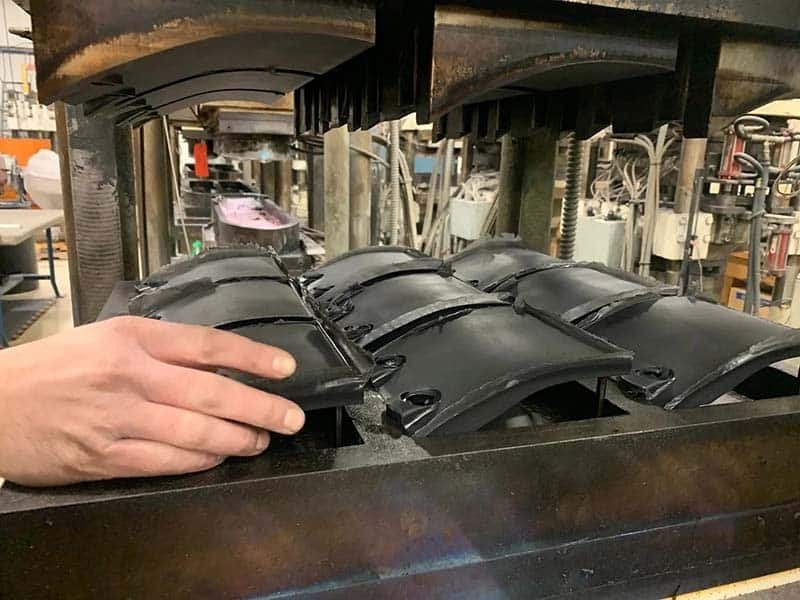
UHMWPE compression molding involves fusing UHMWPE powder under heat and pressure without full melting. The process preserves the long molecular chains responsible for the material’s performance.
1. Mold Preparation and Preheating
The mold, typically made of steel, is preheated to 180–220°C. This temperature range allows effective particle softening.
2. Powder Loading
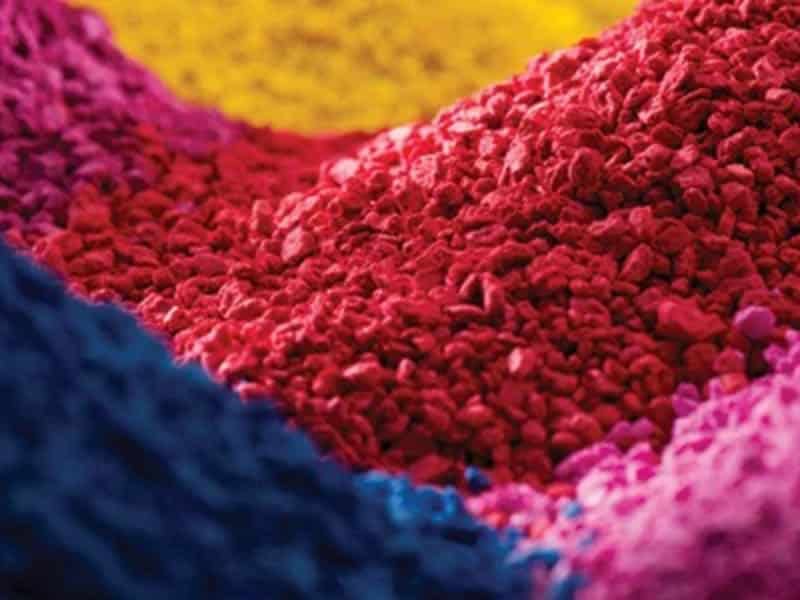
Resin powder is loaded evenly into the mold cavity. Uniform distribution prevents density variations and weak spots in the final part. Vibration or other aids may assist in filling complex shapes.
3. Heating and Initial Pressure
The mold closes, and heating continues to 200–220°C. Low pressure, around 15 MPa, is applied first to expel trapped air and reduce voids.
4. High-Pressure Compaction
Pressure increases to 50–80 MPa, or in some cases up to 97 MPa, during crystallization. This compacts the material fully. Dwell time at peak conditions lasts 30–60 minutes, depending on part thickness. Thicker sections require longer times for uniform fusion.
5. Controlled Cooling
Cooling occurs under pressure to manage crystallization. Slow rates, such as 10°C per hour, promote higher crystallinity and reduce internal stresses. Rapid cooling can cause warping or lower mechanical properties.
6. Demolding and Post-Processing
Once at room temperature, the part is removed. Trimming, annealing, or machining may follow to achieve final dimensions or relieve residual stresses.
Advantages and Limitations of UHMWPE Compression Molding
Advantages of UHMW Compression
- UHMW compression molding enables near-net shaping, which minimizes material use and machining needs.
- Parts achieve uniform density and high crystallinity, leading to consistent wear resistance and strength.
- The process supports embedded features like metal inserts or surface details.
- It suits medium production volumes where cost and quality balance are important.
Limitations of UHMW Compression
- Limitations include long cycle times, often hours for thick parts.
- Thin walls below 3 mm are difficult to produce uniformly.
- Equipment investment is substantial for large presses.
- Defects require skilled parameter control.
Comparison with Other Processing Methods
Compression molding UHMWPE differs from ram extrusion, injection molding, and machining in key areas.
Compression Molding Vs. Ram Extrusion
Ram extrusion pushes UHMWPE powder through a heated die using a reciprocating ram, producing continuous profiles such as rods, tubes, or sheets. This method suits long, uniform sections and provides a good surface finish due to the shearing action along the flow direction. However, UHMWPE’s highly entangled molecular chains make it sensitive to shear during extrusion. Fusion defects or incomplete particle consolidation may occur if residence time or pressure is insufficient, leading to lower overall toughness.
Compression Molding Vs. Injection Molding
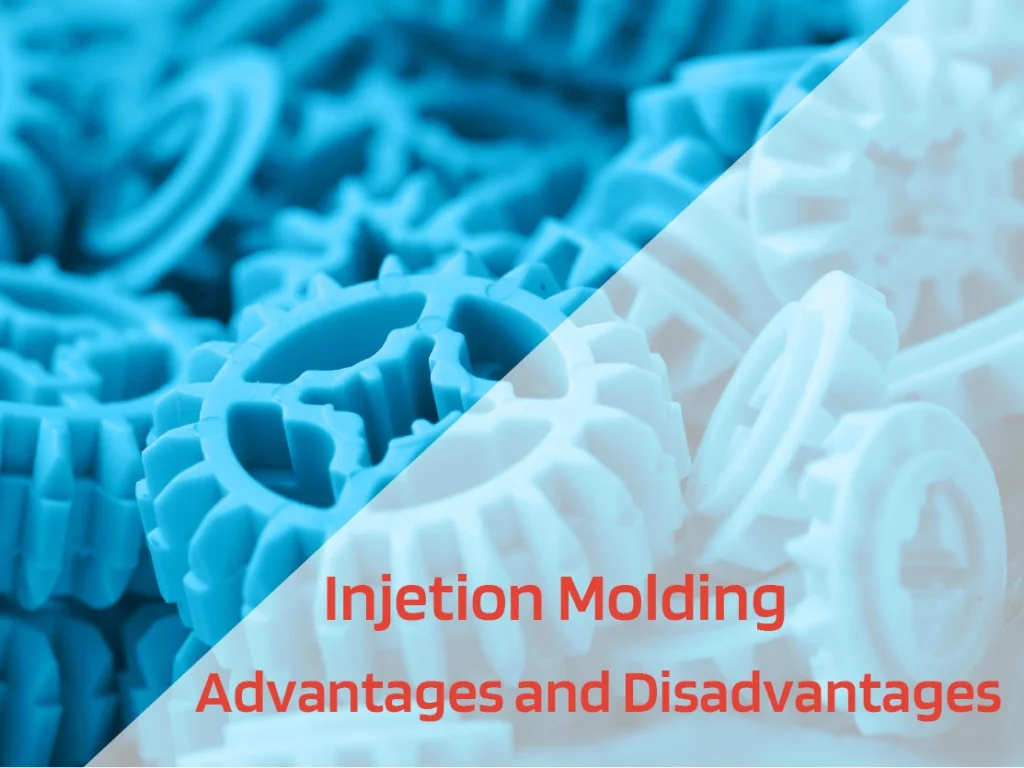
Injection molding UHMWPE is challenging. Standard equipment fails due to viscosity. Specialized high-pressure systems exist, but risk layering or incomplete filling. Cycle times remain longer than for other plastics. Compression molding handles larger parts more reliably without these limitations.
Compression Molding Vs. Machining
Machining starts with extruded or molded blanks and removes material. It generates up to 70% waste and extends lead times. For UHMWPE, the high raw material cost (driven by its premium molecular weight and performance) amplifies this waste penalty significantly. Compression molding forms near-net shapes, reducing waste and secondary operations significantly.
Applications of UHMW in Compression Molding
The unique properties of UHMWPE make it suitable for a wide range of applications.
- Industrial Applications: UHMW is commonly used in extreme wear and abrasion parts, like wear pads, bushings, gears, and rollers.
- Medical Applications: UHMW has biocompatibility and wear resistance. It is also widely used in the medical implantable devices. Parts like joint replacements, knee, and hip implants.
- Automotive Applications: UHMWPE is used for components that are exposed to high levels of wear, such as bearings, bushings, and seals.
- Food Processing: UHMWPE’s resistance to chemicals and low-friction properties. UHMWPE components, such as conveyor belts and food-contact parts, are popular.
Conclusion
UHMW compression molding is a reliable method for leveraging UHMWPE properties. It provides efficiency in production and performance of products. While the process does come with certain challenges, it is solved by cooperating with an experienced manufacturer. Zhongde provides professional compression molding service. Welcome to contact us and get a custom UHMW compression molding solution.