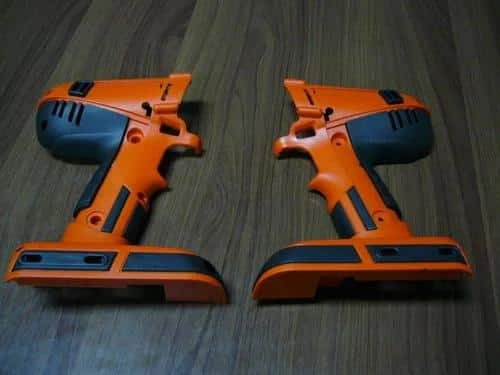
Have you ever held a plastic part with two different colors or a soft-touch grip that seems perfectly integrated with a rigid base, and wondered how it was made in one piece? The secret often lies in two shot molding, an advanced process that allows two different materials to be molded sequentially into a single component. In this guide, we’ll explore the fundamentals, benefits, limitations, design considerations, and practical applications of two-shot injection molding.
If you are not familiar with injection molding itself, you can learn more in our article on Injection Molding Explained.
What is Two-Shot Injection Molding?
Two-shot injection molding, also called multi-shot or double injection molding, is a process where two different materials are molded sequentially into a single part. Imagine making a candy with a hard chocolate shell and a soft caramel center: first, you form the base, then add the second layer on top, and the two bond into one finished piece.
In two-shot injection molding, the first material—often a rigid plastic—forms the main structure of the component. The part is then moved or rotated within the mold so the second material—such as a softer elastomer, a contrasting color, or a flexible TPE—can be molded directly onto it. The result is a seamless multi-material part, produced in a single cycle, without requiring additional assembly.
Two Shot Molding Process
Before we break down the steps, think about the challenge of combining two completely different materials in one mold. How can a rigid base and a softer overlay bond perfectly, while keeping precise dimensions and avoiding defects? Two-shot injection molding solves this challenge through a carefully timed, two-stage process—let’s explore how each step works to turn separate materials into a seamless, multi-material component.
First Shot – Forming the Base
The process begins by injecting the first material into the mold to create the base component. Think of this like pouring the foundation of a layered cake: the first layer sets the structure for everything that comes next. This material is often a rigid plastic that provides strength and shape to the final part.
Mold Rotation or Transfer
Once the first shot has cooled and solidified, the part is moved, rotated, or transferred within the mold to align it for the second shot. Imagine flipping or rotating that first cake layer to prepare it for frosting or a second layer—precision is critical to ensure perfect alignment for the next material.
Second Shot – Overmolding
The second material, such as a softer thermoplastic elastomer (TPE) or a contrasting color, is injected onto the first part. This creates grips, seals, or aesthetic accents directly on the base component. The materials bond during this step, forming a single, unified part without the need for assembly.
Cooling and Solidification
After the second shot, the combined part is cooled to solidify both materials. Proper temperature control is essential to avoid warping, shrinkage, or weak bonding between the layers. Cooling is usually assisted by mold channels, air, or water baths to ensure uniform results.
Ejection and Finishing
Finally, the combined part is ejected from the mold. Minimal finishing is needed because the multi-material part is produced as a single, ready-to-use component. Any minor trimming or surface refinement is performed to meet quality standards.
Advantages of Two Shot Molding
When considering manufacturing options, understanding the benefits of two-shot injection molding can help you decide whether it’s the right solution for your product. This process offers several advantages that go beyond simple aesthetics or material choice.
Enhanced Product Functionality
Two-shot injection molding allows you to combine different materials in a single part. For example, a tool handle can have a rigid core for strength and a soft overmold for comfort. This integration reduces assembly time and creates products that are more functional for end users.
Design Flexibility
The process supports complex geometries that might be difficult with traditional molding or assembly methods. Designers can combine multiple materials, textures, or colors in a single component, opening possibilities for more innovative and functional products.
Cost and Time Efficiency
Even though two-shot molds are more complex, the process reduces the need for secondary assembly and finishing operations. This can lower labor costs and speed up production timelines, making it ideal for high-volume runs or products where consistent quality is essential.
Improved Aesthetics
Two-shot molding allows seamless color or texture transitions, giving parts a professional and polished appearance. Whether it’s a sleek consumer gadget or a colorful automotive component, the result is consistent and visually appealing without extra finishing work.
Stronger Bond Between Materials
Unlike post-assembly overmolding, two-shot injection molding creates a chemical bond between the materials during the molding process. This ensures a durable connection that is less likely to peel or separate over time, improving product reliability.
Limitations of Two Shot Injection Molding
While two-shot injection molding brings many benefits, it’s not without its challenges. Understanding the limitations can help you plan your product design more realistically.
Higher Initial Costs
Setting up a two-shot mold can be more expensive than a traditional single-shot mold because the machine must handle two materials in precise sequence. For small production runs, this upfront investment may not be cost-effective.
Design Complexity
Not all parts are suitable for two-shot molding. Complex geometries, tight tolerances, or very thin sections can make the process tricky. Careful design planning is essential to avoid defects or material mismatch.
Longer Lead Times
Creating a multi-material mold and testing it takes more time than standard molding. Prototyping and adjustments are often necessary to ensure both materials bond properly and meet functional requirements.
Limited Material Combinations
While two-shot molding offers flexibility, not all materials are compatible. Certain combinations may not bond well or could require specific processing conditions, limiting your options.
Equipment Requirements
Two-shot molding requires specialized machines that can handle multiple injections in one cycle. Not every manufacturer has this capability, which can affect availability or production speed.
Design Considerations for Two-Shot Injection Molding
Designing parts for two-shot injection molding requires a bit more foresight than standard injection molding. Paying attention to these factors early can save time, reduce defects, and improve final product quality.
Material Selection
Choose materials that bond well together. Compatibility affects not only adhesion but also color stability and surface finish. For instance, combining a rigid base with a soft-touch overmold requires materials that can fuse without warping.
Part Geometry
Plan part shapes to ensure smooth material flow and proper filling of both shots. Avoid sharp corners or undercuts that may trap air or make demolding difficult.
Mold Orientation and Gate Location
Where the material enters the mold affects flow, bonding, and surface finish. Proper gate placement ensures both materials fill the cavities efficiently and join correctly, avoiding weak spots or voids.
Tolerances and Fit
Two-shot molding can achieve tight tolerances, but designers should account for differential shrinkage between materials. This is especially important for parts that require precise assembly or snap-fit features.
Ejection and Demolding
Plan for how the part will be removed from the mold without damaging delicate features. Features like undercuts or overhangs may require sliders or additional mold complexity.
Applications of Two-Shot Injection Molding
Before deciding whether two-shot injection molding is right for your project, it helps to see how industries are actually putting it to work. Understanding where it excels can give you ideas for your own designs.
Automotive Components
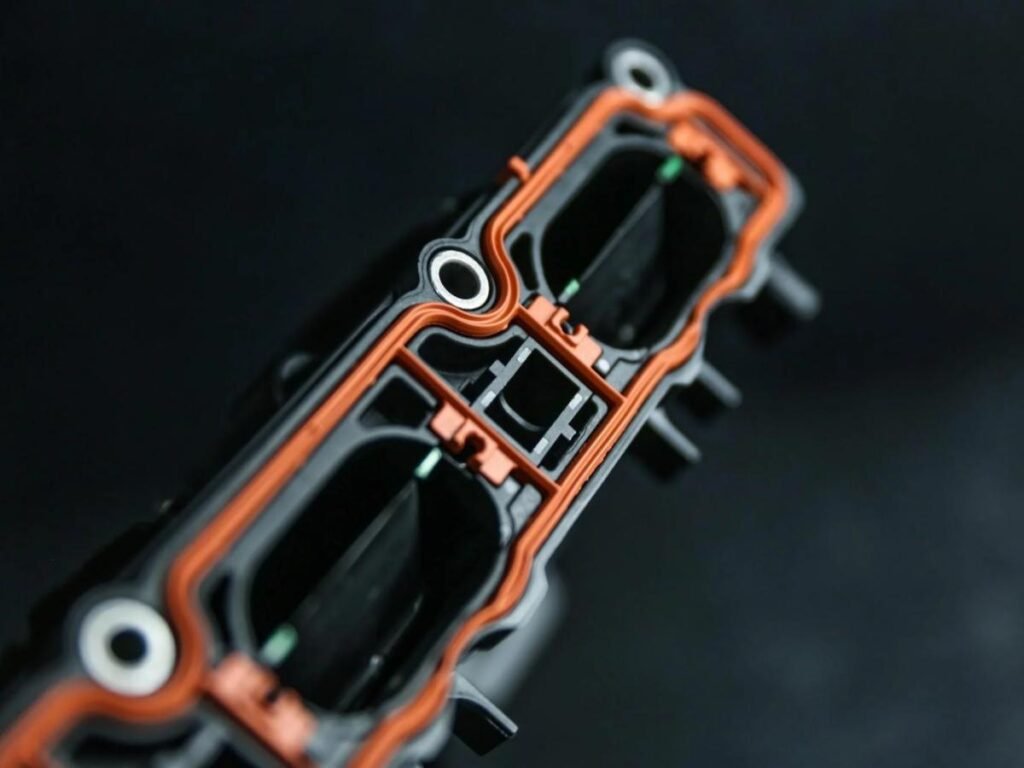
Beyond aesthetics, two-shot parts in vehicles improve functionality—dash controls, seals, or interior trims can combine different hardness levels for comfort, vibration absorption, or noise reduction, all while ensuring consistent quality.
Medical Devices
Medical components benefit from two-shot molding through biocompatible materials combined with flexible or rigid elements. This allows for reliable, ergonomic designs with reduced risk of contamination from multiple assembly steps.
Household Products
Two-shot molding is ideal for tools and appliances where ergonomic grips, color coding, and functional overlays are needed. Combining hard and soft materials in one part improves user comfort and part longevity.
Consumer Electronics
For electronics, the technique ensures precise alignment of functional components and ergonomic features. Engineers can design durable housings with soft-touch areas, improving both usability and aesthetic appeal while minimizing assembly steps.
How to Find A Proper Manufacturer for Two-Shot Molding
Consider Experience and Track Record
Look for manufacturers with a long history in two-shot injection molding. Experienced partners are more likely to anticipate production challenges, such as minor material warping or interface issues between shots, and apply proven strategies to minimize defects. Years in the industry often translate to smoother production and consistent part quality.
One-Stop Capabilities
A supplier who can handle everything from mold design and prototyping to injection molding and finishing reduces coordination complexity. Skilled manufacturers can catch potential misalignments or tolerance mismatches early in the process, ensuring that the final parts meet specifications without costly delays.
Advanced Equipment and Technology
Modern, well-maintained machinery is key for precision and consistency. High-end injection molding machines and automated systems help control issues like inconsistent flow or subtle shrinkage, which can be tricky in multi-material parts. Manufacturers with the right technology can keep these variables under control without slowing production.
Material Expertise and Variety
Two-shot molding often involves combining different polymers or materials. Incompatible shrinkage rates or surface energies can lead to poor adhesion, but a manufacturer familiar with a wide range of materials can select optimal pairings and processing conditions to achieve strong, reliable bonds.
Conclusion
Two-shot injection molding opens the door to versatile, high-quality parts, but success depends on careful planning, design, and choosing the right manufacturing partner. Working with an experienced, full-service manufacturer can save you time and stress, ensuring your parts meet both performance and aesthetic goals.
At Zhongde, we combine decades of injection molding expertise, advanced equipment, and a wide material selection to support projects from concept to finished product—making complex two-shot designs much easier to bring to life. For businesses looking to streamline production and ensure precision, our injection molding service provides a reliable solution for creating high-quality, multi-material parts.